


Did you ever dream of a world that is magic as well as sacred? Come to Muktinath, Mustang, Nepal, where spirituality touches the mountains. It’s not just a place, it’s a holy area renowned for the breathtaking Muktinath Temple in Nepal, where devotees from all over visit to worship, explore, and find peace.
But here’s the thing—you might miss out on this incredible spot just because it’s tucked away in the far corners of Mustang, Nepal, high up in the Himalayas. So many travelers skip it because they think it’s hard to reach or don’t know what treasures await in a Muktinath Yatra.
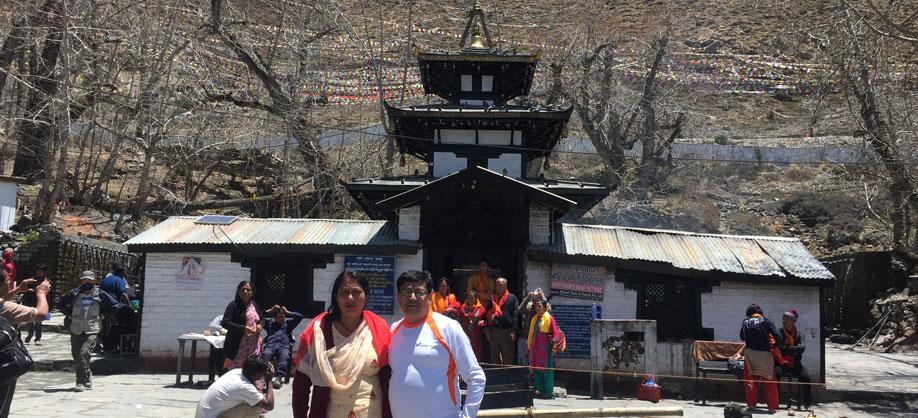
If you ever find yourself in the upper Mustang region of Nepal, one place you simply can’t miss is Muktinath Mustang Nepal. Sitting high in the mountains, at around 3,800 meters, it’s not just a beautiful spot—it’s one of the most meaningful places I’ve ever visited.
In this blog, we’re taking you step-by-step through the heart of Muktinath Mustang, Nepal—from its deep spiritual roots to its jaw-dropping views. You’ll learn about the Muktinath trek, the Jomsom Muktinath route, and everything that makes this journey unforgettable.
Historical and Religious Significance
Muktinath, Mustang, Nepal, is not just a scenic Himalayan escape—it’s a sacred land rich in stories. The Muktinath Temple in Nepal is one of the most ancient and revered places of worship for both Hindus and Buddhists. The name “Muktinath” literally means “place of liberation.” It is believed that visiting here frees one from past sins and leads to salvation. If you’re curious about the location of Muktinath and want to know where it is, click here.
For Hindus, it’s one of the 108 Divya Desams—temples dedicated to Lord Vishnu. For Buddhists, especially Tibetan Buddhists, it’s known as Chumig Gyatsa, meaning “Hundred Waters.” They believe Guru Rinpoche meditated here on his way to Tibet (Short Tour Blog).
Many pilgrims take the Muktinath Yatra every year to feel the spiritual power of this place. What makes Muktinath, Mustang, Nepal, special is that it brings two major religions together in one sacred space. It shows how faith can unite people across cultures.
How to reach Muktinath from Mustang, Nepal?
The spiritual energy, the peace, and the connection people feel here are unmatched. Whether you’re on a Muktinath trek or a simple Jomsom Muktinath journey, this sacred ground leaves a mark on your soul.
The Formation and Significance of Muktinath Temple
Even though it may be of a small size, the Muktinath Temple in Nepal is dripping with unique details and sacred symbols. It is a pagoda style structure, which effectively incorporates both Hindu and Buddhist architecture. rows of prayer wheels are a classic Buddhist touch that you are greeted with as you enter the gates. Vishnu temple, the main point of the Muktinath experience in Mustang, Nepal is situated right in the center.
For Hindus, this temple is one of the 108 Divya Desams, holy places dedicated to Lord Vishnu. For Buddhists, it’s a site connected to Guru Rinpoche, who passed through this region long ago. You’ll see both traditions living side by side here—prayer flags fluttering in the wind, bells ringing, and people from all walks of life making their way up the stone paths.
But the temple isn’t just about religion. It’s about energy. There’s something you feel when you get there—maybe it’s the altitude, maybe it’s the silence, or maybe it’s something deeper.
Inside the temple, there’s a natural flame that’s been burning for as long as anyone can remember. It comes from natural gas beneath the ground, but the locals believe it’s more than that. Right next to it, there’s water flowing from the mountains. Fire and water side by side—people say it’s a sign of balance and inner peace.
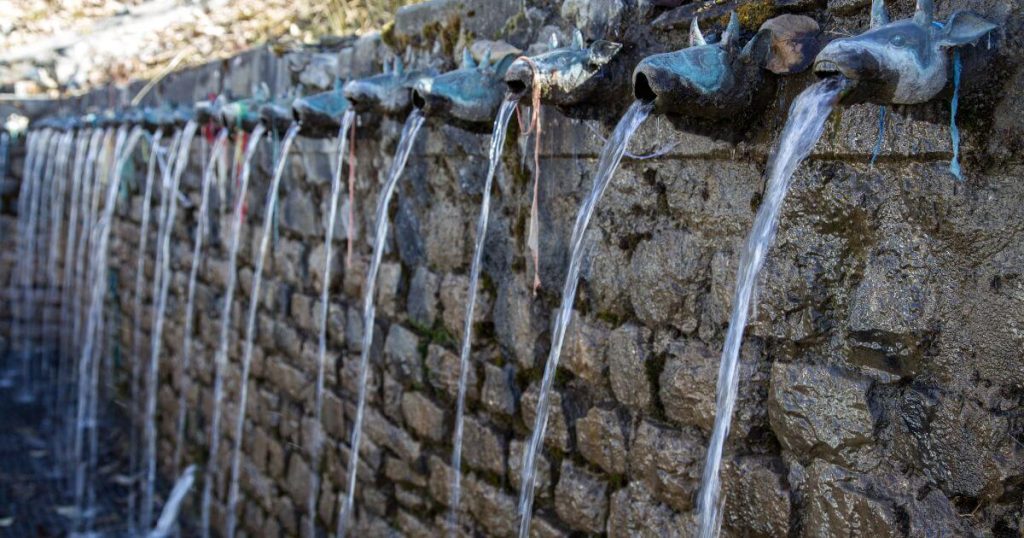
Outside, there are 108 water spouts shaped like cows’ heads. Pilgrims line up to pass under every one of them, letting the freezing mountain water wash over them. I did it too, even though it was ice cold. And afterward, I felt lighter. It’s hard to explain, but something shifted.
Temple Architecture and Sacred Features
Despite its small stature, the Muktinath Temple in Nepal is overflowing with distinctive features and holy symbols. Its pagoda-style construction skillfully blends Hindu and Buddhist architecture. A typical Buddhist touch, rows of prayer wheels greet you as you enter the gates. The Vishnu temple, the focal point of the Muktinath experience in Mustang, Nepal, is located directly in the center.
One of the most fascinating parts of the temple is the 108 water spouts, known as Muktidhara. These spouts pour icy water directly from the Himalayas. Pilgrims believe that bathing under these spouts washes away sins and brings blessings. Even though it’s freezing, most people brave it as part of their Muktinath Yatra.
And don’t miss the eternal flame—Jwala Mai. It’s a natural gas flame that has been burning for centuries under a stream of water. This magical combo of fire and water is rare and symbolizes harmony.
There is not a single detail in this temple which would not contribute to its beauty and strength. When you are on the Muktinath journey or you are going to Muktinath through Jomsom Muktinath these holy aspects make your journey memorable.
Also read our article, “What we can get in the Muktinath Temple.”
Journey to Muktinath: Routes and Itinerary
Getting to Muktinath Mustang Nepal is an adventure in itself. The trip itself is an experience as the visit becomes even more significant. The majority of travelers begin in Kathmandu and either drive or take a flight to Pokhara. Then either you can fly to Jomsom or you can also take the bumpy yet beautiful roads to Jomsom Muktinath.
The most common route is the Jomsom Muktinath trek, a short yet beautiful hike. This part of the Muktinath trek offers stunning views of the Annapurna and Dhaulagiri ranges, as well as colorful villages and ancient monasteries.
If you’re not into trekking, don’t worry! You can also hire a jeep from Jomsom or even ride a bike if you’re feeling adventurous. It’s about 20 kilometers from Jomsom to Muktinath.
Typical itinerary:
- Day 1: Kathmandu to Pokhara
- Day 2: Pokhara to Jomsom (by flight or road)
- Day 3: Trek or drive to Muktinath Temple, Nepal
- Day 4: Return to Jomsom and Pokhara
We, Boundless Adventure, bring you a 12-day journey to Muktinath, to learn about the 12-day itinerary, click here.
Your Muktinath Yatra will be full of spiritual moments and breathtaking scenery in Mustang, Nepal, regardless of the route you take.
The Ideal/Best Time to Go to Muktinath Mustang, Nepal
To truly appreciate the magical beauty of Muktinath and Mustang, Nepal, it is essential to schedule your trip accordingly. Spring (March to May) and fall (September to November) are the ideal times of year to go. The combination of pleasant weather, clear skies, and secure walking routes is perfect throughout these months.
Why spring is great:
- Trails from Jomsom to Muktinath are dotted with blooming rhododendrons.
- Snow-capped peaks and green landscapes create postcard-perfect views.
- Perfect conditions for both scenic walks and spiritual moments during your Muktinath Yatra.
Why autumn is amazing:
- Fresh air and crystal-clear skies after the monsoon.
- Major festivals like Dashain and Tihar bring a vibrant cultural atmosphere to your Muktinath trek.
- Excellent lighting for photography in Mustang, Nepal.
Seasons to avoid:
- Monsoon (June–August): Roads get muddy, and landslides are common.
- Winter (December–February): Extreme cold and snow can block access to the Muktinath Temple in Nepal.
So, for a safe and scenic Muktinath Yatra, stick to spring or autumn—it’s when Muktinath Mustang, Nepal, truly shines.
Recommended Read: Best Places to Visit in Jomsom, Mustang Nepal
Nearby Attractions and Activities
If you think Muktinath is just a temple stop, think again. The whole Mustang region is an experience—raw, spiritual, and unlike anywhere else in Nepal. When you’re up here, don’t just pass through. Wander a little. Slow down. Here are the places that made my own journey unforgettable:
Kagbeni Village:
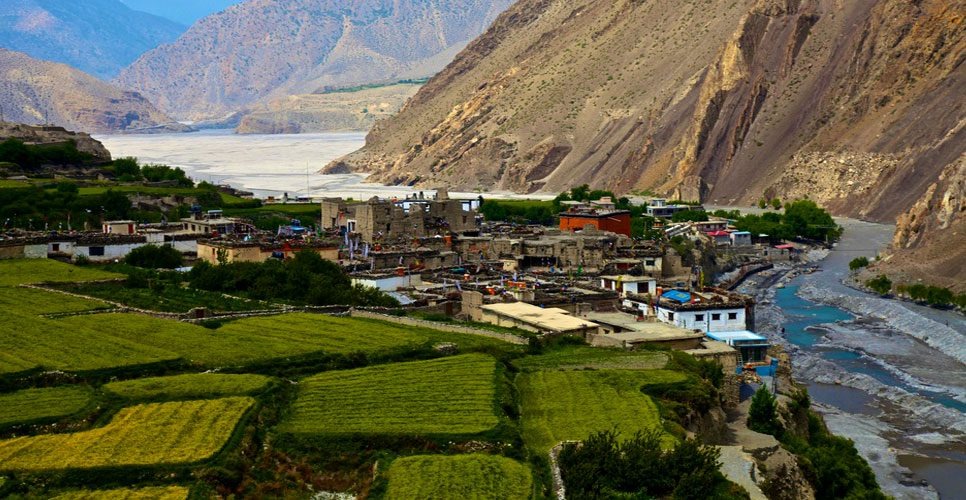
Kagbeni feels like time hit pause. Tucked at the meeting point of two rivers, it’s this tiny stone village with maze-like alleys and red mud monasteries that hum with prayer. Locals still dry apples on their rooftops and herd sheep through the streets like they have for generations. There’s something ancient in the air here. I remember sipping butter tea as the wind howled through the valley—chilling but peaceful. Kagbeni isn’t just a detour, it’s a vibe.
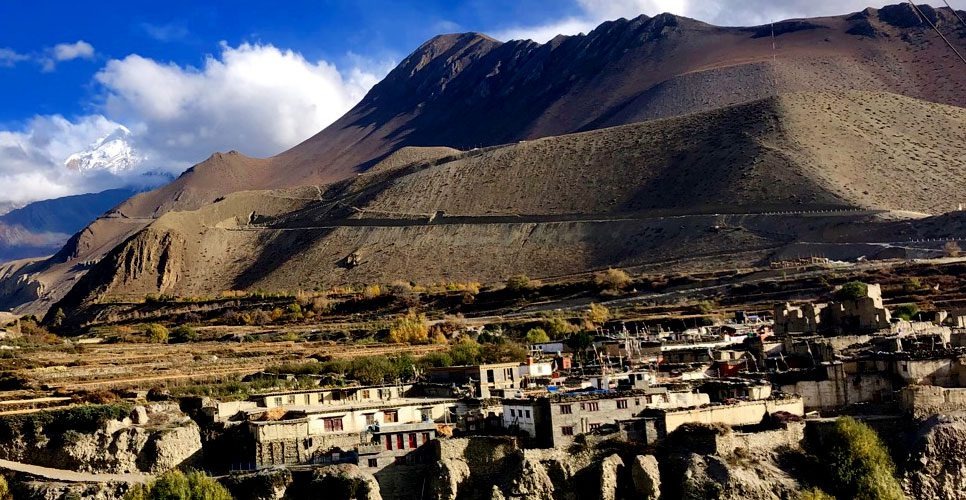
Village Highlights:
- A charming stop on the Jomsom Muktinath route.
- Known for its narrow alleys, ancient stone houses, and centuries-old monasteries.
- Gives you the feel of stepping into a living museum.
Jharkot Village:
A short way down the hill, Jharkot is peaceful, almost spooky in its quiet. It does not make any attempts to impress, and this is its charm. You enter the village and all of a sudden everything becomes slower. Stone cottages, fields of barley that rustle in the wind, and a monastery in which one can hear the gentle chanting. It is the sort of place you go to sit, think and exist. I stayed here one night and was rewarded with sunrise views that I will never forget as Dhaulagiri glowed in the morning light as though it was alight.
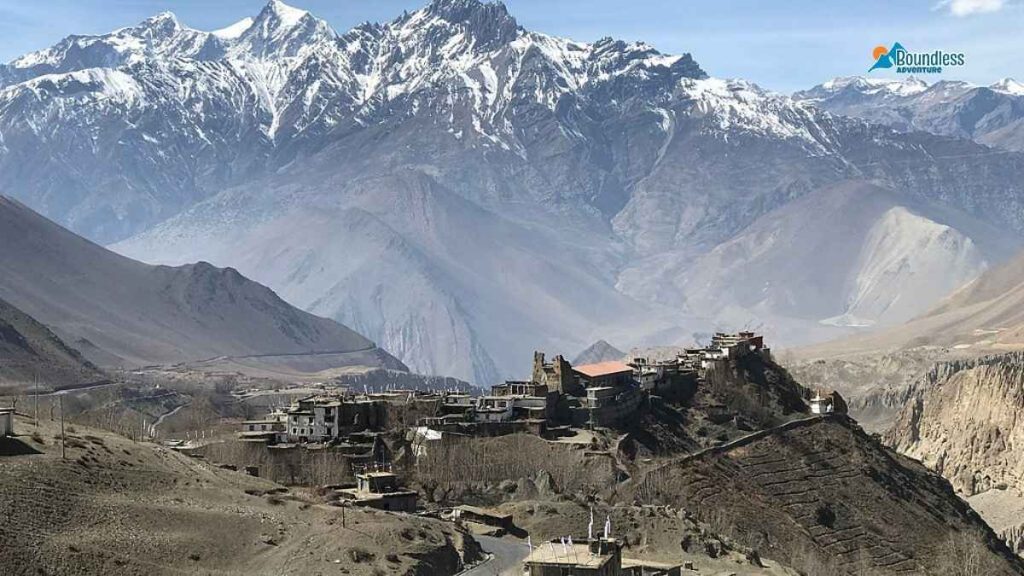
Jharkot Village Highlights:
- Quieter than Kagbeni and full of authentic local charm.
- Explore peaceful Buddhist monasteries and enjoy up-close views of local life.
- A great cultural addition to your Muktinath Yatra.
Fossil Hunting by the Kali Gandaki River:
Now this part was just plain fun—and surprisingly spiritual. The Kali Gandaki is the only river where you can find Shaligram fossils—ancient black stones that pilgrims worship as forms of Vishnu. You don’t have to be religious to appreciate it. Walking along the rocky banks, searching for these smooth spiral stones—it felt like connecting with something way older than all of us. And if you’re lucky enough to find one, it’s like the river gave you a little blessing.
Highlights:
- Look for Shaligram stones, sacred symbols of Lord Vishnu.
- A fun and spiritual activity, especially enjoyed by pilgrims.
Landscape of Mustang, Nepal:
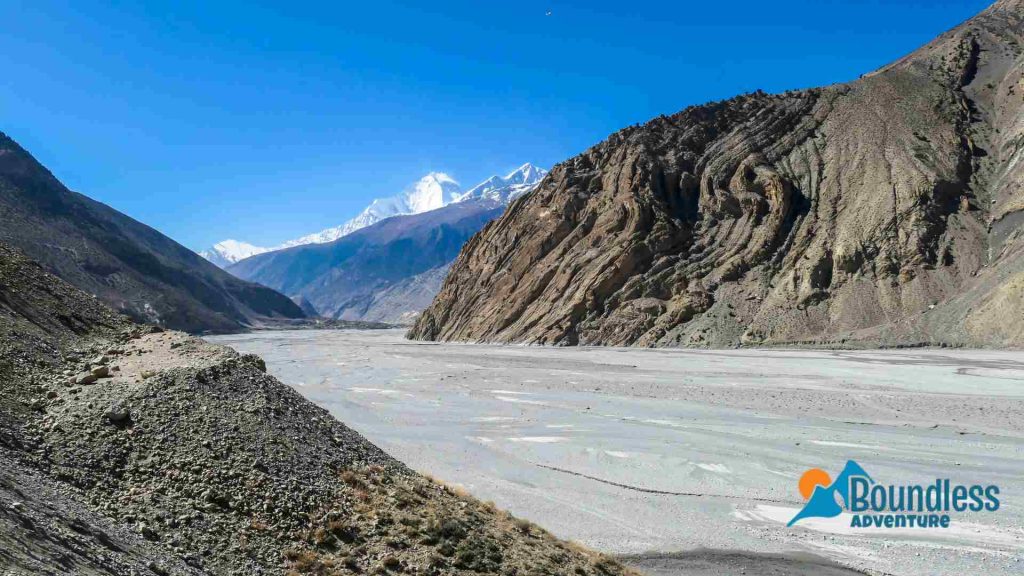
Up here the country is wild. You can be strolling along a high altitude desert with cliffs that are blood-red one minute and then you are facing snow peaks that seem to touch the sky. Chortens and prayer flags appear out of thin air. There is ever wind, and sun is hard. Yet somehow it is beautiful. Unfiltered. The Mustang scenery does not simply impress you, it gets into your skin. The quietest-yet- loudest part to me was the silence.
Highlights:
- Desert-like valleys, snow-covered mountains, and vibrant chortens.
- A dream for photographers and nature lovers on the Muktinath trek.
So yeah, your Muktinath trip doesn’t end at the temple gate. These side trips and spontaneous stops are what turn a pilgrimage into a story you’ll tell for life.
Accommodation and Amenities
If you’re wondering whether you’ll find decent places to stay in Mustang—yes, you will. They’re not five-star hotels, but they’ve got something better: warmth. Not just from the blankets (you’ll need them), but from the people.
In Jomsom:
Jomsom is the main town, and it’s got the most options. Think basic guesthouses with hot water (usually solar-heated), decent Wi-Fi when the weather’s kind, and thick bedding. The food’s solid—dal bhat, momos, maybe a pancake if you’re lucky. I stayed in a place where the owner made apple brandy from her own orchard. You don’t get that in a hotel buffet.
- Comfortable guesthouses and lodges with hot showers, Wi-Fi, and comfortable beds.
- A convenient stopover in your Muktinath Yatra
In Kagbeni and Jharkot:
Here’s where it gets more personal. Homestays in these villages are simple but full of character. You get home-cooked meals, hot tea by the stove, and stories from locals if you’re open to listening. My host in Kagbeni offered me chang (local barley beer) and showed me her prayer room. It wasn’t fancy, but it felt like I was truly in someone’s home, not just a bed for the night.
- Local homestays offer home-cooked meals and provide a friendly host.
- A perfect way to experience the culture of Mustang, Nepal, firsthand.
Near Muktinath Temple Nepal:
Closest to the temple, lodges are all about function. You won’t get luxury, but you’ll get a warm meal, a clean bed, and a roof over your head. Pilgrims usually arrive in the afternoon, rest up, and leave before dawn to catch the temple before the crowds. Expect early breakfasts, vegetarian food, and maybe shared toilets—but everyone’s there for the same reason, and there’s a quiet camaraderie in that.
- Clean but straightforward lodges are designed for pilgrims.
- Vegetarian meals and early check-outs for early temple visits.
Food and Essentials:
Food along the route is simple, hearty, and soul-satisfying. Dal bhat is everywhere (and it’s bottomless!), but you’ll also find thukpa, fried noodles, pancakes, eggs, and lots of tea. Small shops in Jomsom and even near the temple sell snacks, bottled water, tissues, and some basic meds. I grabbed a wool hat for $2 when the wind got too serious—and it was the best purchase of the trip.
- Expect dal bhat, noodles, soups, and even pancakes!
- Small shops sell snacks, water, and souvenirs—perfect for your Muktinath, Mustang, Nepal journey.
Whether you’re trekking or driving, you’ll find comfortable places to rest that enhance your overall experience in Mustang, Nepal.
Recommended Read: How to Travel from Nepal to Jomsom (Routes & Tips)
Travel Tips and Practical Information
For a smooth and memorable journey to Muktinath Mustan,g Nepal, keep these practical tips in mind:
Permits You’ll Need:
- TIMS Card (Trekkers’ Information Management System)
- Annapurna Conservation Area Permit (ACAP)
- Required for both the Muktinath trek and the Jomsom Muktinath route.
Altitude Awareness:
- Muktinath Temple Nepal is at 3,800 meters.
- Go slow, stay hydrated, and rest when needed to avoid altitude sickness.
What to Pack:
- Warm clothes—even in summer.
- Good trekking shoes, sunscreen, sunglasses, and a refillable water bottle.
- The weather in Mustang, Nepal, can change in minutes.
Cultural Etiquette:
- Dress modestly at the temple.
- Remove your shoes before entering the Muktinath Temple in Nepal.
- Stay silent and respectful during prayers.
Cash is King:
- Muktinath Mustang Nepal has no ATM.
- Always have sufficient cash to last you on food, accommodations and sundries.
With this, your trip to Muktinath Mustang Nepal will be incident free, very memorable and safe.
Conclusion
Muktinath Mustang Nepal is undoubtedly a place where there is magic as well as sacred. From the holy waters of the Muktinath Temple Nepal to the scenic trails of the Muktinath trek, everything here feels special.
The spiritual energy of the Muktinath Yatra, the adventure of the Jomsom-Muktinath route, and the magic of Mustang, Nepal, come together to create an unforgettable journey. Whether you’re seeking blessings, adventure, or a quiet escape into nature, this sacred corner of Nepal has it all.
So gather your belongings and get ready to go with Boundless Adventure through the heart of the Himalayas. Your next trip should be to Muktinath Mustang, Nepal, where the mountains echo with tales of beauty, freedom, and spirituality.
FAQ’s
What is the best time to visit Muktinath Mustang Nepal?
The best time to visit Muktinath is during spring (March to May) and autumn (September to November). These seasons offer the clearest skies, pleasant daytime temperatures, and stable weather—perfect for both trekking and spiritual journeys. Monsoon and winter can make travel difficult due to rain and snow.
How do I get to Muktinath Temple in Nepal?
To get to Muktinath, first fly to Pokhara, then take a short flight to Jomsom. From there, it’s either a jeep ride (around 1.5–2 hours) or a trek through the scenic Kali Gandaki valley. Many travelers prefer trekking the classic Jomsom-Muktinath route for its Himalayan views and cultural charm.
Do I need permits for the Muktinath trek?
Yes, you’ll need both the TIMS Card and the Annapurna Conservation Area Permit (ACAP) for the Muktinath Yatra. Both can be obtained in Kathmandu or Pokhara. Make sure to carry multiple photocopies and keep them handy at checkpoints during the trek.
Is Muktinath Temple sacred to both Hindus and Buddhists?
Absolutely. Muktinath is one of the rare pilgrimage sites revered by both Hindus and Buddhists. For Hindus, it’s one of the 108 Divya Desams, and for Buddhists, it’s linked to Guru Rinpoche. The temple’s eternal flame and 108 water spouts symbolize liberation and purification in both faiths.
Can I find good accommodation near Muktinath Mustang Nepal?
Yes. While options are basic at Muktinath itself, you’ll find comfortable guesthouses and homestays in nearby villages like Jharkot, Kagbeni, and Jomsom. Most offer hot meals, warm bedding, and stunning mountain views—perfect after a long trek or jeep ride.
What should I pack for the Muktinath Yatra?
Pack as if you’re preparing for both high-altitude trekking and changing weather. Essentials include:
- Thermal layers and a down jacket
- Trekking shoes with good grip
- Sunscreen and sunglasses
- Water purification tablets
- Basic first aid and altitude sickness medication (Diamox recommended)
How high is Muktinath Temple Nepal?
Muktinath sits at an elevation of 3,800 meters (12,467 feet) above sea level. It’s high enough that altitude sickness can hit unprepared travelers, so spend a night or two acclimatizing in Jomsom or Kagbeni before ascending to the temple.
Are there any other attractions near Muktinath Mustang Nepal?
Definitely. Don’t miss Kagbeni, a medieval village rich in culture. Jharkot offers Tibetan-style monasteries and traditional architecture. The Kali Gandaki River is known for sacred Shaligram stones. And the entire Mustang region is a hidden Himalayan gem with windswept cliffs, desert landscapes, and ancient caves.