


The Annapurna Region is more than just a trekking destination—it’s a living, breathing world of towering peaks, ancient culture, and raw adventure. Located in central Nepal, this region is home to some of the most iconic trails in the world and some of the most stunning mountain views on Earth. Every trek here is a journey through landscapes shaped over millions of years, villages steeped in tradition, and trails that inspire explorers from every corner of the globe.
Whether you’re looking for classic long-distance adventures, quiet high-altitude escapes, or accessible short treks in the Annapurna region, this corner of the Annapurna Himalaya Nepal is built for wanderers.
Annapurna Region Treks are the most diverse and admired trekking region in the Annapurna Conservation Area of Nepal. It has various trekking trails, from easy and short trekking like Poon Hill and moderate trekking like Annapurna Base Camp trek to the challenging, adventurous courses of Annapurna Circuit.
With the variations, Annapurna Treks also connects to the Upper Mustang region of Nepal. In the current scenario, the Mardi Himal and Annapurna Base Camp Trek is a moderate foothill excursion, one of the most popular treks in the Annapurna area.
Besides, the Annapurna Circuit Trekking, Ghorepani Poon Hill short hiking, Mardi Himal Trek, and Nar Phu Valley Trek are highly recommended for the adventure trek to Annapurna and mild adventure lovers in 2025 and 2026.
You may write an email or contact us on WhatsApp at +977 9851033819 for your convenience.
Annapurna Region: Formation, Geography, and History
The Annapurna Himalayan range Nepal sits at the heart of the broader Himalayan mountain system, formed around 50 million years ago when the Indian tectonic plate collided with the Eurasian plate. This immense geological pressure forced the land skyward, creating the dramatic uplift that now defines the Annapurna mountain range Nepal. With peaks soaring over 8,000 meters and deep valleys carved by glaciers and rivers, the terrain is both breathtaking and rugged.
At the core of this range is Annapurna I—standing at 8,091 meters, it’s the 10th highest mountain in the world and the first 8,000-meter peak ever climbed (in 1950). Surrounding it are other towering giants like Annapurna South, Gangapurna, Hiunchuli, and the sacred Machapuchare—a pyramid-shaped peak revered by locals and off-limits to climbers.
Geography and Ecosystems
Located in the northwest part of Nepal, these treks are situated in the fertile areas where farmers cultivate a wide range of fruits and vegetables, as this region receives the most rainfall in Nepal.
In the Annapurna region, treks are full of grain, where “Anna” means grain and “Purna” means complete. In the Annapurna region, Trekkers often walk through rice fields and farming areas, alongside green woods and arid, stony landscapes in various places.
From subtropical jungles at 600 meters to alpine tundra and glacial basins above 5,000 meters, the Annapurna range Nepal offers one of the most diverse ecological zones on Earth. You’ll pass through rice terraces, oak and rhododendron forests, windswept valleys, and high mountain deserts—all within a single journey.
The region also includes part of the Annapurna Conservation Area (ACA), Nepal’s first and largest conservation project. Home to over 1,200 species of flowering plants, 100+ mammals, and 450+ bird species, the area is not just visually stunning—it’s alive.
Culture and History of Annapurna Region
The trails that wind through the Annapurna Himalayas have been used for centuries by traders, pilgrims, and yak herders. Today, they take you through Gurung, Magar, Thakali, and Tibetan-influenced villages where stone-built houses, spinning prayer wheels, and centuries-old monasteries reveal a rich cultural fabric.
Hospitality is a way of life here, and staying in local tea houses offers a front-row seat to daily mountain life, hearty local meals, and stories passed down through generations.
When to Trek in Annapurna Region
| Season | Pros | Cons | Best For |
| Autumn | Clear skies, stable weather, amazing views | Crowded on popular trails | ABC, Circuit, Khopra Ridge, all long treks |
| Spring | Blooming flora, warmer temps | Slight haze in late spring | Ghorepani, Mardi Himal, cultural immersion |
| Winter | Peaceful, fewer tourists | Very cold, high passes often closed | Poon Hill, Dhampus, Royal Trek |
| Monsoon | Green landscapes, fewer trekkers | Rain, landslides, poor views | Nar Phu, Upper Mustang (rain-shadow areas) |
Timing is everything when planning a trek in Nepal, especially in the high-altitude and weather-sensitive Annapurna Himalayan range Nepal. From monsoon mist to crystal-clear skies, the season you choose can dramatically shape your experience—scenery, trail conditions, and even the level of challenge.
Here’s a detailed breakdown of when to trek in Annapurna region, season by season:
Autumn (Late September to November)
Best overall season – ideal weather, clear skies, and stunning mountain views
This is peak trekking season in the Annapurna region—and for good reason. After the monsoon rains wash away the dust, the air turns crisp and clean, and the skies open up to reveal the full splendor of the Annapurna Himalayas.
- Temperature: Pleasant during the day (15–20°C at lower altitudes), colder at night, especially above 3,000m.
- Visibility: Excellent—ideal for photographers and anyone chasing those picture-perfect views of Annapurna mountain range Nepal.
- Trail Conditions: Dry, stable, and reliable.
- Crowds: Expect company. Popular trails like the Annapurna Base Camp Trek and Annapurna Circuit can get busy, so booking in advance is smart.
Best time for:
- All high and low elevation treks
- Crossing Thorong La Pass
- Experiencing cultural festivals like Dashain and Tihar
Spring (March to May)
Second-best season – lush forests, warmer temps, and wildflowers in bloom
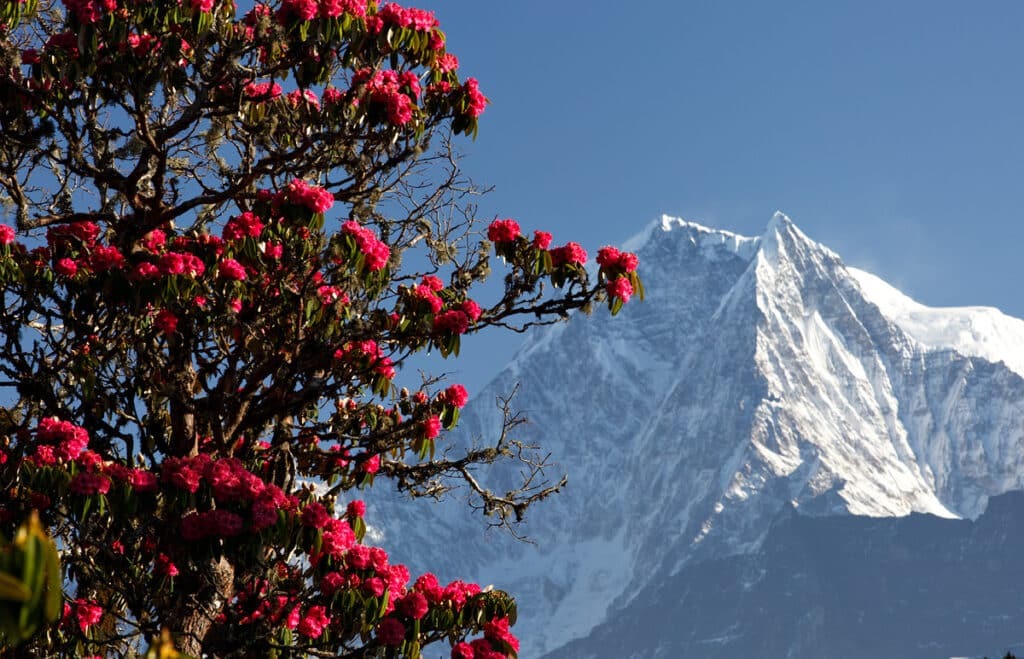
Spring brings the region back to life. Hillsides and forests burst with blooming rhododendrons, orchids, and magnolias, adding a splash of color to every step of your journey. It’s a little warmer and greener than autumn, and a favorite for nature lovers.
- Temperature: Warmer (16–25°C at lower elevations), still cool at higher altitudes.
- Visibility: Generally good, though occasional haze can soften the mountain views in late spring.
- Trail Conditions: Mostly dry and accessible, with occasional spring storms in May.
Best time for:
- Treks that pass through forested regions (Ghorepani, Mardi Himal, Khopra Ridge)
- Seeing the Annapurna range Nepal framed in flowering trees
- More solitude than autumn on some trails
Winter (December to February)
Colder, quieter season – peaceful trails but limited access to high-altitude routes
Winter in the Annapurna Himalaya is stark, silent, and snow-covered at higher elevations. While daytime hiking is manageable at lower altitudes, high passes like Thorong La and routes to Tilicho Lake often close due to snow and dangerous conditions.
- Temperature: Daytime can be mild (8–12°C), but nights get bitter cold, especially above 3,000m (down to -15°C).
- Visibility: Often excellent due to dry air and low moisture content.
- Trail Conditions: Snow at higher elevations; lower trails are clear but cold.
Best time for:
- Short treks in Annapurna region like Dhampus, Poon Hill, or the Royal Trek
- Crowd-free tea house stays and quiet village life
- Budget travel (off-season rates)
Not ideal for: High-pass treks (Circuit, Nar Phu, Tilicho Lake)
Monsoon (June to August)
Lush and dramatic—but wet, muddy, and often risky
Monsoon season transforms the Annapurna trek in Nepal into a green paradise—if you can handle the downsides. Torrential rains, slippery trails, frequent landslides, and leeches make this the least popular season for trekking.
- Temperature: Warm and humid (up to 28°C in lower elevations)
- Visibility: Often poor, with clouds hiding mountain views
- Trail Conditions: Wet, muddy, and landslide-prone; many teahouses close temporarily
Best time for:
- Hardcore trekkers who want isolation and don’t mind rain
- Exploring rain-shadow areas like Upper Mustang or Nar Phu, which lie behind the Himalayas and stay relatively dry
Not recommended for most trekkers due to risks and poor trail conditions
Short Treks in Annapurna Region
Not everyone has weeks to spend on the trail—and that’s the beauty of the Annapurna Himalayan range Nepal. This region offers powerful trekking experiences in compact packages. Whether you’re a first-time trekker, a family with kids, or simply short on time, these short treks in Annapurna region deliver world-class scenery, cultural immersion, and just the right level of challenge.
Below are the top short treks that can be easily arranged from Pokhara or Kathmandu:
Ghorepani Poon Hill Trek (8–9 Days)
Highlights: Panoramic sunrise, traditional Gurung villages, rhododendron forests
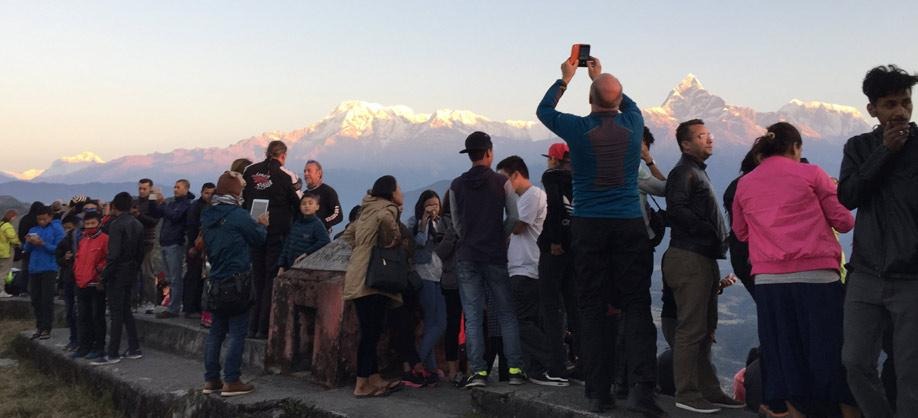
Arguably the most popular short trek in Nepal, Ghorepani Poon Hill is perfect for beginners or those easing into altitude. You’ll walk through lush forests, pass through charming villages like Tikhedhunga and Ghorepani, and finish with a jaw-dropping sunrise over Dhaulagiri, Annapurna South, and Machapuchare from the Poon Hill viewpoint (3,210m).
- Best For: Families, first-timers, photographers
- Views: Annapurna I, Dhaulagiri, Nilgiri, Machapuchare
- Elevation Max: 3,210 meters
- Start/End Point: Nayapul (1.5 hr from Pokhara)
Mardi Himal Trek (8-9 Days)
Highlights: Ridge hiking, alpine meadows, close-up views of Machapuchare
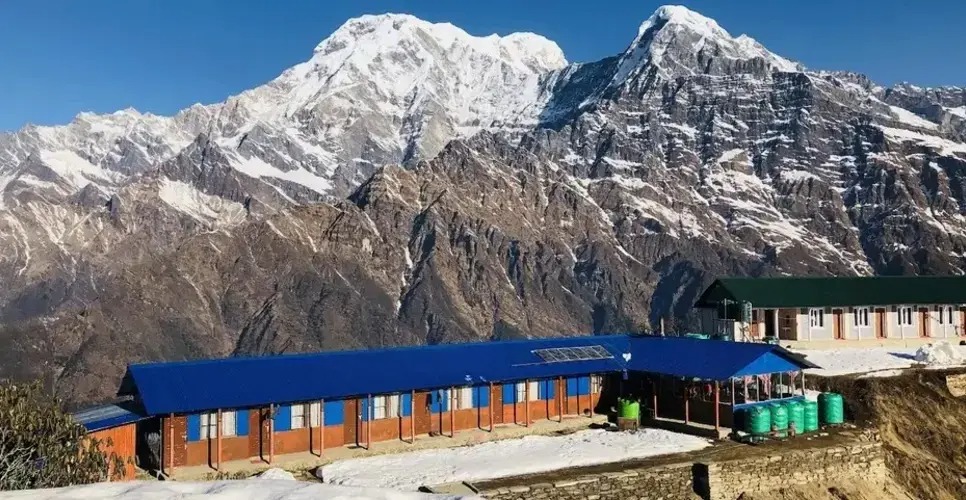
The Mardi Himal Trek is a rising favorite in the Nepal trekking Annapurna circuit. Less crowded and more adventurous, this trek follows a ridgeline trail with panoramic views from Low Camp to High Camp. The landscape quickly shifts from forested hills to wide alpine zones, culminating in an epic view of Machapuchare (Fishtail Peak) and the Annapurna Himalayas.
- Best For: Off-the-beaten-path adventurers, solo trekkers
- Elevation Max: 4,500 meters (Viewpoint)
- Style: Teahouse trek, quiet trails
- Start/End Point: Kande or Dhampus
Top 10 Best Treks in Annapurna Region
The Annapurna Himalayan range Nepal is home to some of the most diverse and rewarding trekking experiences in the world. Whether you want luxury and comfort, off-the-grid isolation, or an epic high-pass challenge, the Annapurna region delivers.
Here are the top 10 best treks in Annapurna region, curated for every type of traveler—from seasoned explorers to first-time trekkers.
1. Annapurna Base Camp Trek
Duration: 10–12 Days
Max Altitude: 4,130m
Difficulty: Moderate
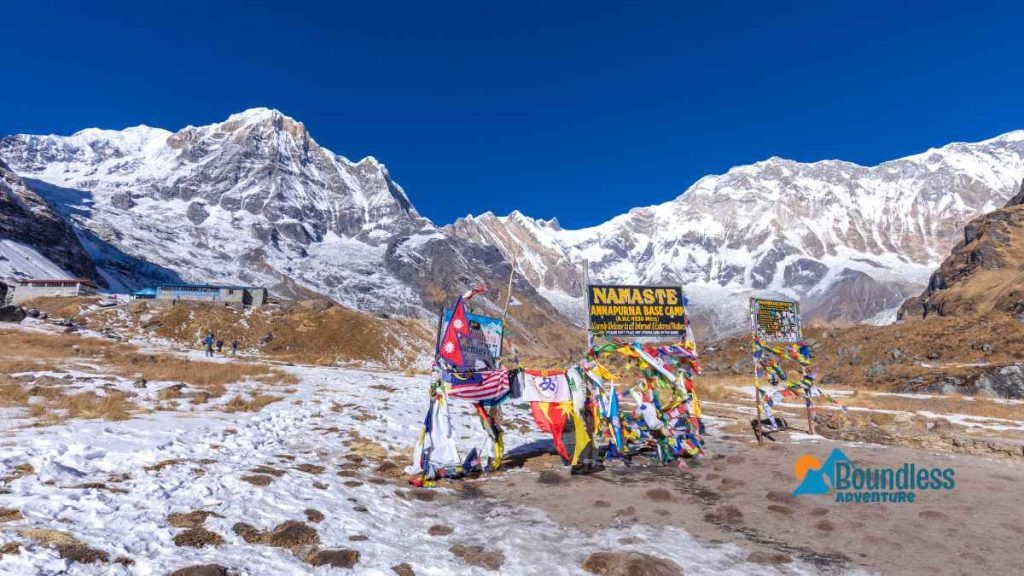
This iconic trek leads you deep into the heart of the Annapurna Himalayas, finishing in a natural amphitheater surrounded by giants like Annapurna I, Machapuchare, and Hiunchuli. The Annapurna Base Camp Trek (ABC) offers a full Himalayan experience—towering peaks, hot springs at Jhinu Danda, and rich Gurung culture—without the extreme altitude of other high passes.
Best for: Classic trekkers, solo travelers, cultural + scenic balance
2. Annapurna Circuit Trek
Duration: 10–12 Days
Max Altitude: 5,416m (Thorong La Pass)
Difficulty: Challenging
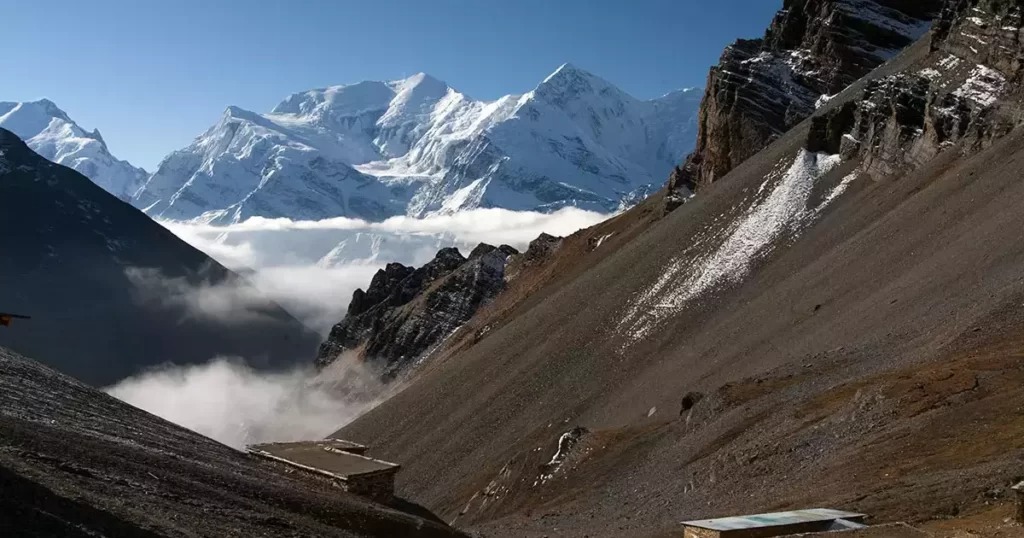
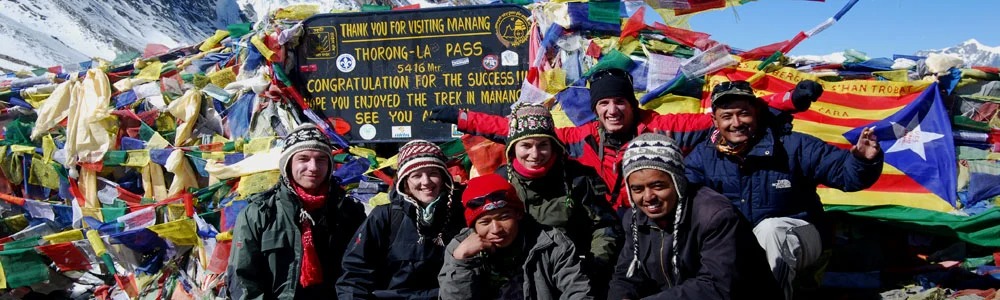
The Annapurna Circuit Trek is a world-famous route that circles the entire Annapurna mountain range in Nepal, passing through lowland villages, high-altitude deserts, Buddhist monasteries, and deep gorges. Crossing the Thorong La Pass is a rite of passage for serious trekkers.
Best for: Adventurous trekkers, diverse landscapes, long-haul challenge
3. Mardi Himal Trek
Duration: 8-9 Days
Max Altitude: 4,500m
Difficulty: Moderate
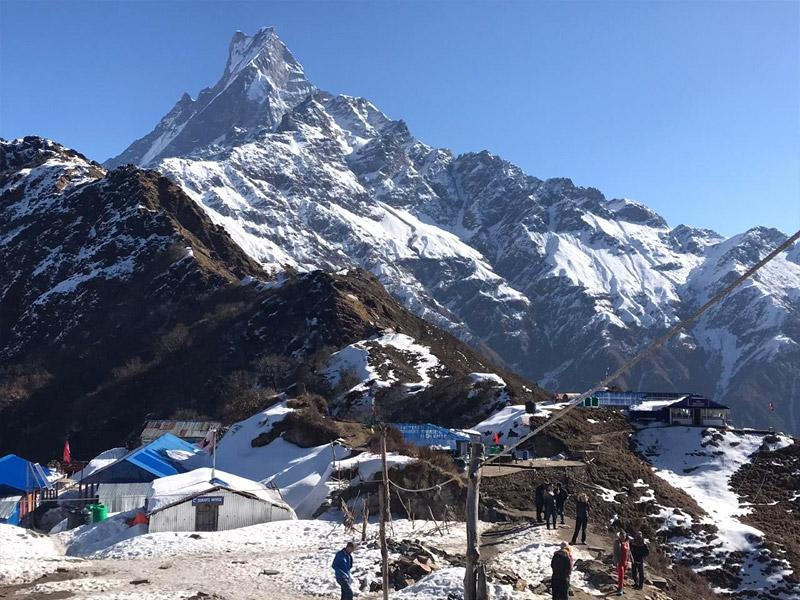
Quickly gaining popularity, the Mardi Himal Trek is a rugged, lesser-known route with ridge-line views of Machapuchare and the full Annapurna range Nepal. Expect quieter trails, dramatic sunrises, and cozy teahouses perched on hillsides.
Best for: Off-the-beaten-path trekkers, short window travelers
4. Mesokanto Pass Trekking
Duration: 18–20 Days
Max Altitude: 4,949m
Difficulty: Strenuous, Adventurous
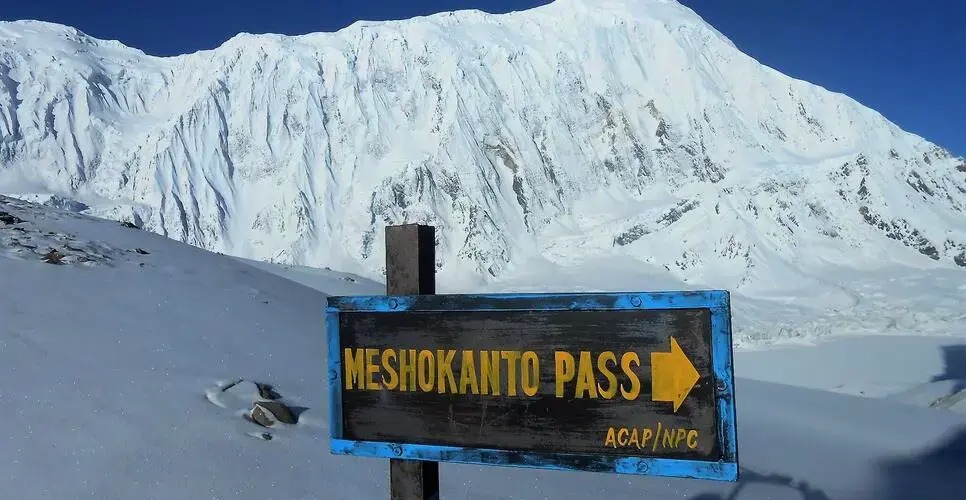
One of the most adventurous routes in the region, Mesokanto Pass Trekking takes you through Tilicho Lake—one of the highest lakes in the world—and crosses the remote Mesokanto La. It’s a wild and rarely traveled path that connects with the Jomsom region, ideal for trekkers seeking solitude and raw terrain.
Best for: Experienced hikers, alpine lovers, extreme adventure
5. Upper Mustang Trek
Duration: 17–20 Days
Max Altitude: 3,900m
Difficulty: Moderate
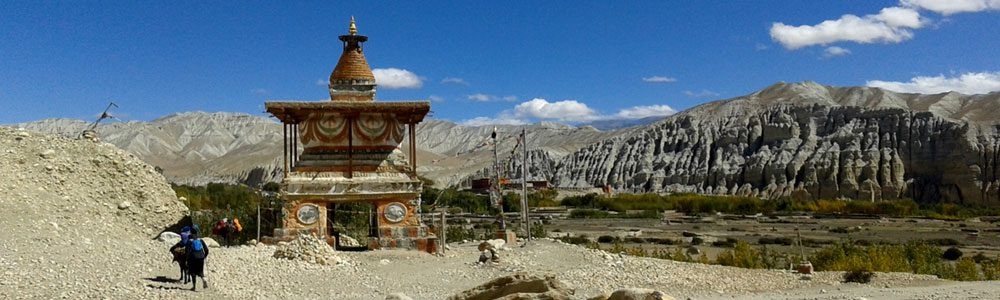
Step into another world with the Upper Mustang Trek, a restricted-area trek into Nepal’s “Forbidden Kingdom.” The dry, Tibetan-like landscapes contrast sharply with the lush Annapurna side, offering an unforgettable journey through ancient caves, walled cities, and wind-eroded cliffs.
Best for: Cultural trekkers, photographers, monsoon escape
6. Ghorepani Poon Hill Trekking
Duration: 9–10 Days
Max Altitude: 3,210m
Difficulty: Easy to Moderate
One of the most popular short Annapurna trekking trails, Ghorepani Poon Hill Trekking is famous for its sunrise views. You’ll hike through dense rhododendron forests, stone-paved villages, and climb to Poon Hill for panoramic shots of the Annapurna Himalaya Nepal, including Dhaulagiri and Machapuchare.
Best for: Beginners, family trekkers, short holidays
7. Annapurna Family Trekking
Duration: 7–8 Days
Max Altitude: Up to 2,500m
Difficulty: Easy
Annapurna Family Trekking is a tailored trekking experience designed for families with children or older travelers. These routes combine scenic walks, cultural exposure, and low-altitude comfort—often including Dhampus, Ghandruk, or Australian Camp.
Best for: Families, relaxed pace, cultural learning
8. Jomsom Muktinath Trekking
Duration: 12–15 Days
Max Altitude: 3,800m
Difficulty: Easy to Moderate
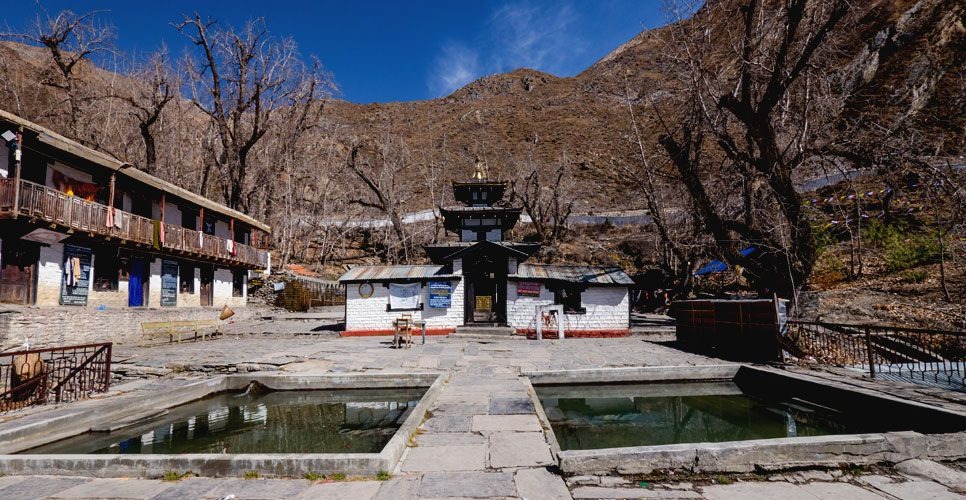
This spiritual and scenic trek follows the Kali Gandaki Gorge, passing through Thakali villages and the sacred Muktinath Temple, where Hindu and Buddhist pilgrims gather. With options to fly into or out of Jomsom, it’s a flexible trek that fits both tight and extended itineraries.
Best for: Spiritual seekers, cultural trekkers, flexible schedules
9. Annapurna Luxury Trekking
Duration: 9–10 Days
Max Altitude: 3,800m
Difficulty: Easy
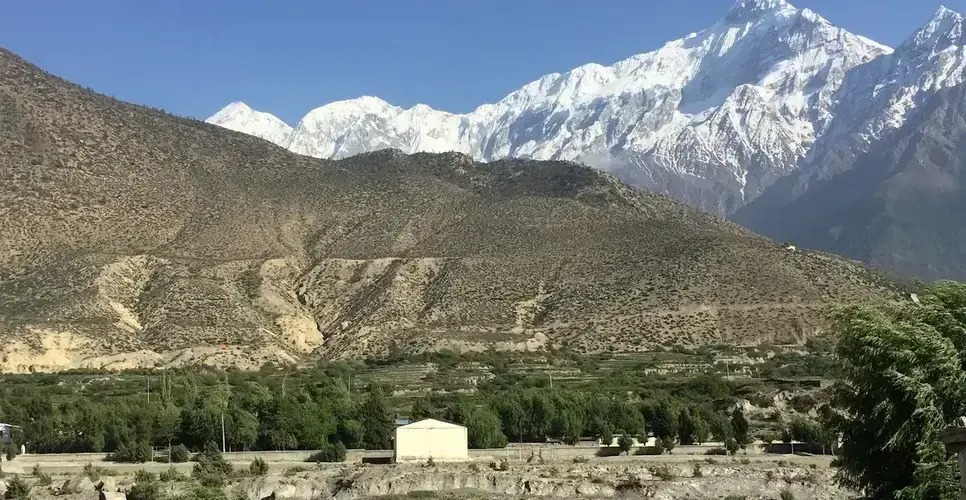
For those who want to trek in Annapurna region without sacrificing comfort, Annapurna Luxury Trekking is a perfect match. Stay in high-end lodges with hot showers, great meals, and mountain views—while still experiencing the trails, people, and charm of the region.
Best for: Couples, older trekkers, wellness-focused travelers
10. Short Annapurna Trekking Trails
Duration: 9–10 Days
Max Altitude: 3,200m Poon Hill
Difficulty: Easy to Moderate
Short Annapurna Trekking trails are accessible excursions in Nepal’s lower Annapurna Conservation Area. Hiking on Annapurna trails is also famous for family groups due to the outstanding Himalayan views, easy altitude, and excellent hospitality.
As the trek can be done in less than a week, trekkers can join the city tour and jungle safari trip, being comfortable with the itinerary. Poon Hill (3210 meters) is the trek’s highest altitude and best viewpoint.
Best for: Weekend travelers, family getaways, beginners
Annapurna Region Treks: Breathtaking Sight with Majestic Peaks & Rivers
Another giant peak neighbors it, Mt. Dhaulagiri (8167 meters, the sixth-highest mountain in the world), along with Mount Fishtail (also known as the Holy Mountain), Mt. Nilgiri, Mt. Himchuli, Thorong Peak, Tilicho Peak, and various other smaller, unnamed peaks.
So far, the Annapurna region’s trekking trails are surrounded by two large river valleys: the Marshyangdi River Valley and the Kali Gandaki River, which flow into the Annapurna Conservation Area.
However, Annapurna Circuit Trekkers will have the opportunity to explore the diverse nature, from lush greenery to the arid regions of the Manang district. Furthermore, the alpine meadows begin before climbing through the Thorong-La Pass channel (5416 Meters), which connects the Mustang region.
The high pass trek requires enough acclimatization to avoid mountain sickness.
In a way, the Annapurna region is globally prominent for legendary cross-sections, such as Thorong La Pass, the highest-located Lake of Tilicho, and the deepest gorge in the world —the Kali Gandaki Gorge.
Observe Nepal’s Highest Tilicho Lake
Tilicho Lake, situated at 4,900 meters above sea level, beside the Annapurna Circuit Trail, further enhances the charm of the trek.
It is one of the highest frozen Lakes in the world. It is an enormous turquoise Lake with a length of 4 km (2.5 mi) and a width of 1.2 km (0.75 mi). The surface area is 4.8 km2 (1.9 sq. mi), and the average depth is 85 m (279 ft).
Moreover, they promote the rich biological diversity of the Annapurna Conservation Area Project (ACAP), which encompasses the entire region, including five districts and fifteen rural municipalities.
A Home to Endangered Flora & Fauna
The geographical measurement ranges from 1000 to 8000 meters, and it is a treasure house for 1,226 flowering plants, 105 mammals, 518 birds, 40 reptiles, and 23 amphibians.
This area is home to various endangered species, such as snow leopards, musk deer, Tibetan argali, and Tibetan wolves. The Annapurna region treks are the only area in Nepal where all six Himalayan Pheasants are found.
Annapurna region Trekking Trails are rich in culture and ethnic lifestyle. Different ethnic groups in various destinations make the region diverse in terms of language, culture, festivals, and customs.
Engage with Various Ethnic Groups
The diversity rivals them in the lower to moderate zones and at alpine altitudes. In the lower hill terrain, there are mixed settlements of Brahmins, Chhetris, and other groups of people, along with the ethnic communities of Gurungs and Magars.
Likewise, some of the regions of Annapurna are dominated by the Thakali, Magar, and Loba communities. They have settled along the Annapurna Circuit Trail, embracing their unique and spiritual lifestyles.
They do have a significant influence on Tibetan Buddhist culture. Manang, Pisang, Marpha, Jomsom, and Muktinath are representative destinations where these groups are prevalent across the region, each with its dialect.
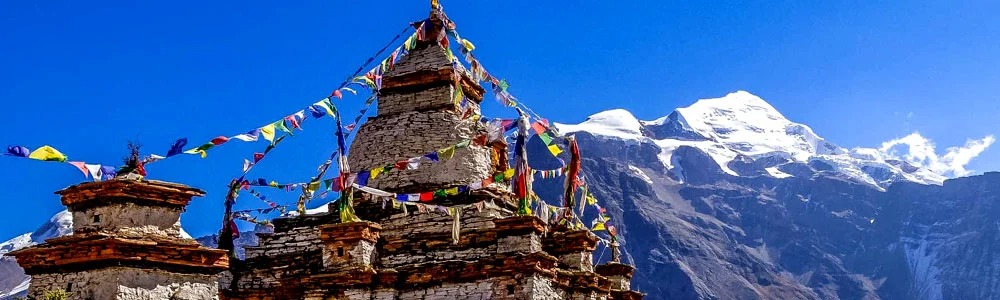
The Thakali people, beyond Annapurna, are widely renowned for the mouth-watering cuisine they prepare. You crest the brow of the Annapurna Base Camp (4130 meters) and Thorung-La Pass (5,416 meters) to be welcomed by an eye-catching vista of prayer flags and rugged mountain peaks long drawn out across the sphere.
Trek Through Hidden Tibetan Buddhist Settlement
Nar Phu Valley offers a glimpse into the ancient world of Tibetan Buddhism, traversed through dark gorges and characterized by isolated terrain. This off-the-beaten-trail escort trekker gives an impression of a remote paradise populated by yak herders.
Similarly, there are various gateways to the Annapurna region treks. Pokhara is the busiest gateway and the city of Lakes, situated in the shadow of Mount Annapurna and Machhapuchhre.
It is about a 5/6 hours drive west from Kathmandu by bus, and alternatively, the flight is also available for 20 minutes, and a car driver will take 4/5 hours.
Trekkers set out to trek in Annapurna from there, except for the Annapurna Circuit trek. Besishahar is a gateway to the Annapurna Circuit trek, located approximately an hour’s drive from Kathmandu by car.
For a quick observation of the Annapurna region and some famous pilgrimage sites, consider the Annapurna Base Camp Helicopter Tour and Muktinath Helicopter Tour, which save time and offer unique experiences. The chopper ride takes off from Pokhara airport and returns after taking you to your preferred destinations.
Adventure Annapurna Region Treks
For adventure trekking and travel in the Annapurna region, Boundless Adventure recommends booking during the best seasons: spring and autumn.
Traveling with our professional team, we are collecting delightful Himalayan experiences. Due to global warming, travelers enjoy the Annapurna region from June to July.
You may walk to Upper Mustang during June and July. Please do not hesitate to contact us with your queries, even if you are a solo female traveler. We are more than happy to guarantee safe service.
Get a Trekking Permit
Don’t you think about Trekking permits for Annapurna Region Treks? Trekking permits are required for all treks in the Annapurna region. The licenses cost US$30/ per person for Annapurna Conservation and US$20 for TIMS permits. Boundless Adventure provides trekking licenses in Kathmandu, Nepal.
If you are from India, the Annapurna Conservation permit costs INR 1600 per person, and the TIMS permit costs INR 1000 per person for a single entrance to Annapurna Region Treks.
Why Trekking in the Annapurna Region Feels Different
Trekking in the Annapurna Himalaya Nepal isn’t just about checking off a famous trail—it’s about being part of something bigger. You’re not just walking through landscapes; you’re moving through stories, traditions, and a rhythm of life that hasn’t changed much in generations.
You’ll share trails with yak herders and school kids, stay in family-run tea houses where the fire’s always going, and sip sweet tea while staring out at mountains that stop you in your tracks. Some days it’s the views that take your breath away, other days it’s the quiet moments—the prayer flags fluttering above a pass, the silence of a snowy ridge, or the laughter in a village kitchen.
Whether you’re booking one of the many Nepal trekking tours Annapurna offers or mapping your own path, the region is set up for every kind of traveler. There are trails for beginners and veterans alike, from relaxed village hikes to high-altitude challenges. And no matter which path you take, there’s always a warm meal and a mountain view waiting.
So if the mountains have been calling, this is your sign to answer. Pack your boots, grab your permit, and take the first step. The Nepal trail Annapurna is out there — and it’s nothing short of life-changing.