


The Langtang region Treks packages are home to the impressive Himalayas, picturesque valleys, frozen Lakes, spiritually motivated people, and dense woods. Hiking in the Langtang region is surrounded by the Langtang National Park, which spans 1,710 km² (from Rasuwa district to the Tibetan border) and covers three districts. It has nearly nine different trekking trails.
The name “Langtang” originates from a mythical story of an ancient Buddhist lama who followed his lost yak into the valley. “Lang” means “yak,” and “Tang” means “follow.”
For the pro-nature lovers, along with the cultural aura, Langtang region treks have become a god-gifted paradigm in the adventure. However, please email us for more information about the cost, itinerary, and ground transportation for 2025 and 2026. Langtang Region covers several different Trekking areas.
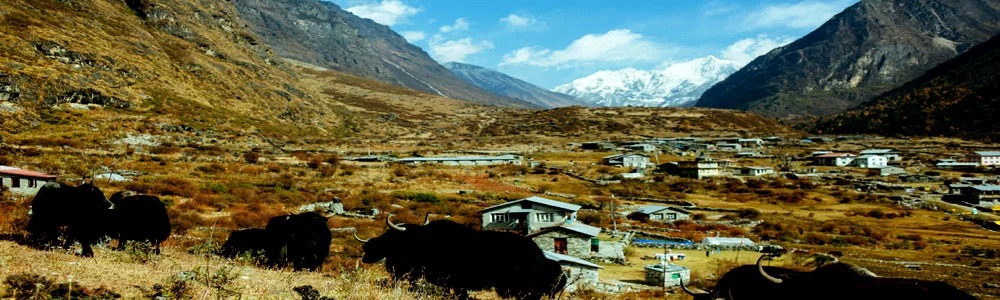
However, the Langtang Valley Trek, Ganjala Pass, Tamang Culture Heritage Trek, Gosaikunda Lake, and Langtang Valley Trek are all in the Langtang region.
The Langtang National Park area begins just 30 km north of Kathmandu. It extends to the borders in the north by the prominent crest of the Himalayan boulders of the significant peak of Langtang Lirung (7,234 meters), which is 23,734 feet high.
Established in 2007, Langtang National Park preserves biodiversity. The project’s primary objectives are to conserve biodiversity, boost income opportunities, and protect assorted cultures and ethnicities.
It becomes possible by incorporating the supervision of forest, wildlife, and cultural resources in Langtang National Park and its buffer zone. A Langtang National Park entry permit is mandatory for trekking activities in the Langtang region.
Due to the large area and numerous districts that the Langtang region treks cover, there are multiple trekking alternatives to explore around based on your preference for nature and culture.
Besides them, whatever you pick up for your bucket list in your adventure schedule, the delightful diversities are always there to welcome you from the core of the towering peaks to the turquoise Lakes with the continual hymns of Ohm Mani Padme Hum in Langtang Treks.
Managing the Itinerary of Langtang region Treks differs from the package you mentioned. Some popular Langtang region trekking trips include the Langtang Valley Trek, Gosaikunda Trek, Helambu Trek (also known as the Langtang Circuit Trek), Tamang Heritage, and Langtang helicopter tours.
All the treks are alluring, with the Himalayan and cultural impressions that transcend your imagination and far-fetched imageries in the remote countryside.
However, Langtang region treks are a moderate form of adventure and an opportunity to explore the marvelous Langtang Valley. Trekkers define the trek to Langtang Valley as one of the best in the Langtang region. Similarly, Manasalu Conservation is also the nearest National Park to the Trip.
In his biopic, Erik Valley, a famous British mountaineer, describes Langtang Valley as the most beautiful valley in the world. Exploring the snowy peaks from Tserku-Ri and Chhukung-Ri is a lifetime experience during the Langtang region Treks.
For the best trekking experience in the Langtang region, we recommend booking your treks with us in spring or autumn. These seasons offer magnificent views and warmer days, and we are more than happy to share our experience with you.
There are different gateways for the treks in the Langtang region. Syaphrubesi is the busiest, leading trekkers through the Langtang River to the Langtang Valley.
The trail also connects the Tamang Heritage Trail to the main route. Those who prefer only the Gosaikunda Lake or extend the trek to the Helambu Valley begin from Dhunche.
Sundarijal, located in Shivapuri Nagarjun National Park, is another gateway that connects the Helambu and Gosainkunda Trekking Trails.
In the Langtang region, treks and Explorations of the breathtaking Tibetan Buddhist culture offer trekkers a unique cultural experience. The artistic aspect of the Langtang region dates back to ancient times, spanning hundreds of years in history.
Tamang people, who belong to the ethnic group of Nepal, dominate this region. They have Tibetan origins, with fantastic craftsmanship, rich garments, traditions, and rituals, and their antique way of life standards display their unique heritage.
The frequent tingling of the bells hanging on the necks of the yaks gives an impression of Eric Valley’s world-renowned “Himalayan Caravan.” The colorful prayer flags flutter around the houses and monasteries in the air. While trekking in the Langtang region, you encounter stunning artistic overlooks, such as monasteries, stupas, and Mani walls.
Moreover, Langtang region treks offer an opportunity to be surrounded by natural resources and vegetation. The region boasts a diverse array, with eighteen different ecosystems to observe.
The landscape varies according to altitude, ranging from dense woods to rough and rocky terrain. The park comprises 1,043 species of vascular plants, of which 13 species, including Rhododendron, Laurel, Blue Pine, and Pine, are found in association with alpine meadows, gradually increasing in abundance from lower to higher altitudes.
In addition, the Langtang region Treks exhibit rich fauna in the national park. Forty-six mammals are in the park, including Red Pandas, Snow Leopards, Himalayan Thar, and Musk Deer. There are also seventy species of butterflies, 345 species of birds, and 30 species of fish.
However, Helicopter tours to Langtang Valley and the Gosaikunda Lake treks are other alternative options for travelers, pilgrims, and those with limited time.
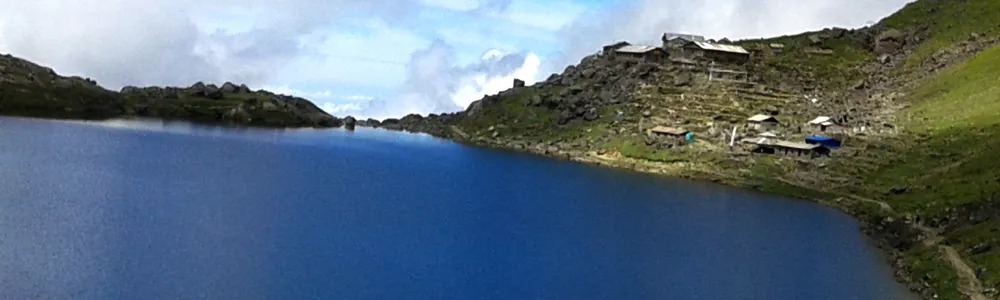
Treasures of Langtang: Natural and Cultural Highlights
This Tibetan Buddhist monastery is located in Kyanjin Village: it is a meditation retreat set against the background of superb landscapes. Here are some highlights not to miss:
- Kyanjin Gompa Monastery: This Tibetan Buddhist monastery is located in Kyanjin Village: it is a meditation retreat set against the background of superb landscapes.
- Langtang Glacier and Langtang Lirung Peak: Trekking choices include a visit to the glacier to “get up high” and enjoy the view of the tallest mountain in the area – Langtang Lirung. Highest Lakes in Nepal.
- Gosaikunda Lake: Known for its religious significance, the lake area is a serene spot surrounded by le ends and snow-capped peaks.
- Cheese Factory in Kyanjin: This factory produ es delicious yak cheese. It’s worth a stop to taste and buy some to enjoy along the trail.
Why Consider the Langtang Region Trekking?
For many, trekking in Nepal means Everest or Annapurna. However, the Langtang Region offers a quieter alternative with equally stunning views. Here’s why you should consider the Langtang trek:
- Rich Cultural Experience: The Langtang Region is home to Tamang and Tibetan communities, giving trekkers a chance to experience local culture and hospitality in an unfiltered setting. You’ll pass through traditional villages where ancient rituals and customs are very much alive.
- Diverse Landscapes: Ranging from dense forests and alpine meadows to glacial valleys and snow-covered peaks, Langtang offers a bit of everything. Trekkers get a glimpse of various terrains without traveling across vast distances.
- Less Crowded Trails: Unlike Everest and Annapurna, Langtang has fewer trekkers, making it perfect for those seeking solitude or a deeper connection with nature.
- Proximity to Kathmandu: Just a few hours’ drive from Kathmandu, the Langtang trek is relatively easy to access, making it a great option for trekkers on a tighter schedule or budget.
What to Expect while Trekking in Langtang Region
Before hitting the trail, it helps to know what kind of experience you’re stepping into. The Langtang Region treks offer more than just mountain views. You’ll walk through local villages, stay in teahouses, and enjoy the warm hospitality of the people. From food to lodging, and even connectivity, here’s what you can generally expect during your journey.
Accommodation (Teahouse/Lodges)
Most of the Langtang Region treks offer cozy teahouse accommodations along the route. These lodges are run by local families and provide basic but comfortable rooms, warm meals, and a chance to connect with fellow trekkers. It’s all part of the charm of trekking in places like Langtang Valley, Nepal.
Food Options and Availability
You’ll find a mix of local and international dishes at the teahouses — from dal bhat and Tibetan bread to pasta and soups. Meals are fresh, warm, and filling, helping you keep up your energy on the trail. Don’t forget to try the local yak cheese when you’re in Langtang, Nepal — it’s delicious!
Connectivity, Guide/Porter Services, and Safety Tips
Wi-Fi is available at some lodges. But it can be slow or costly. It’s a good idea to stay offline and soak in the experience instead. Hiring a local guide or porter not only makes the trek easier but also supports the local economy. Always keep a basic first-aid kit, stay hydrated, and acclimatize slowly. Especially if you’re planning a longer route like the Langtang circuit trek or heading toward higher viewpoints.
Best Times for trekking in Langtang Region
When planning Langtang Region treks, timing can make a big difference in your overall experience. While this region is open for trekking all year round, the best seasons are spring (March to May) and autumn (September to November) — and here’s why.
Spring (March to May)
Spring is one of the most popular times to explore the Langtang valley. The weather is mild and stable. With clear skies and warmer days. One of the highlights during this season is the blooming rhododendrons that light up the forests with red, pink, and white flowers. The snow-capped peaks like Langtang Himal stand out beautifully against the blue sky. That makes it a perfect time for photography and scenic hikes.
Autumn (September to November)
Autumn is equally ideal for trekking. The monsoon rains have cleared the dust. The air is fresh and clean. Visibility is excellent, offering beautiful views of the Langtang Himalaya. The trails are dry and comfortable to walk on. This season also brings festive vibes. As local communities celebrate major Hindu festivals like Dashain and Tihar. You get a taste of local culture during your adventure.
Winter (December to February)
Winter treks in the Langtang trek area are peaceful and less crowded. If you’re well-prepared for cold weather, this season offers serene landscapes with snowy trails and frozen rivers. However, some high-altitude areas may be inaccessible due to snow, and accommodations in certain villages, like Langtang village, might be limited.
Summer/Monsoon (June to August)
Summer overlaps with the monsoon season in Nepal. It brings frequent rain and slippery trails. While the valley looks lush and green, landslides and poor visibility can make trekking risky. Still, if you don’t mind the rain and want to experience fewer crowds. It’s possible — just be cautious and plan carefully.
Trekking should be avoided during early June to August because of heavy down pourage and frequent landslides As for cold during December t February the temperature at high altitude is severely low and need extra protective gear.
In short, the most recommended time for Nepal trekking in the Langtang Valley and nearby routes is either spring or autumn. These seasons offer the best mix of clear views, comfortable weather, and safe trekking conditions. Whether you’re heading to Kyanjin Gompa, exploring the Langtang circuit trek, or soaking in culture on the Tamang Heritage Trail, timing your trip right ensures an unforgettable journey.
4 Best Treks in Langtang Region
If you’re thinking about exploring the Himalayas without the crowds, the Langtang region might just be what you’re looking for. It’s close to Kathmandu but still feels wild and untouched. From peaceful villages to jaw-dropping mountain views, every trek here has its own story — whether you’re in it for the scenery, the culture, or just a quiet escape into nature. Here are some of the best trekking routes this region has to offer.
Langtang Valley Trek
Trip Duration: 11 Days
Maximum Altitude: 4,773m
Difficulty Grade: Easy
Best Seasons: Mar-June, Sep-Dec
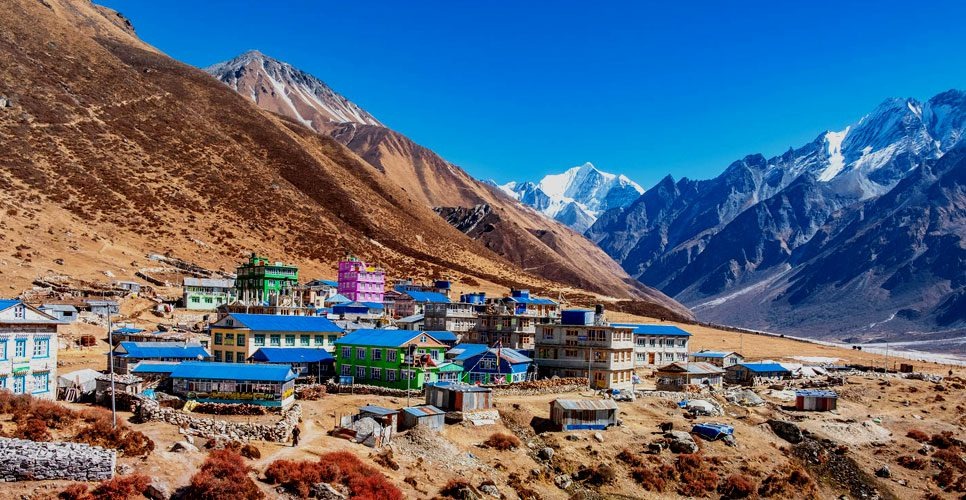
The Langtang Valley trek is the most popular route in this region. The Langtang Valley trek is loved for its short duration and rich scenery. You’ll walk through dense forests, peaceful villages, and open meadows before reaching the charming Langtang village, which was rebuilt after the 2015 earthquake. The highlight is Kyanjin Gompa, where you can explore the ancient monastery, try yak cheese from a local factory, and hike to viewpoints overlooking glaciers and peaks.
- Key Highlights: Explore Langtang Village and Kyanjin Gompa, visit the beautiful glacial lakes, and enjoy panoramic views of Langtang Lirung and the surrounding peaks.
- Cultural Stops: The village of Kyanjin is a cultural stop with a small monastery and traditional cheese factory where you can taste locally produced yak cheese. Also learn about Langtang valley trek cost.
Helambu Trekking
Trip Duration: 10 Days
Maximum Altitude: 3,690m
Difficulty Grade: Easy
Best Seasons: Mar-June, Sep-Dec
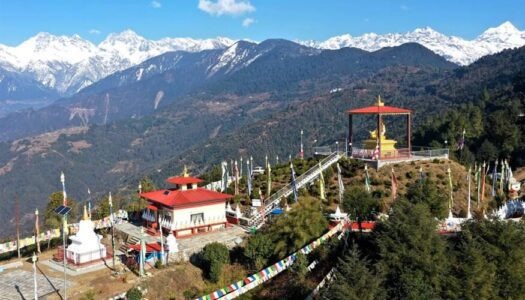
The Helambu trekking route is a short and peaceful trek near Kathmandu that blends natural beauty with cultural charm. It takes you through beautiful Sherpa and Tamang villages, where you’ll find ancient monasteries surrounded by green hills. On clear days, you’ll get stunning views of snow-covered peaks like Dorje Lakpa and others in the Langtang Himal range.
- Key Highlights: Stroll through splendid woods, visit historic monasteries, and, due to the moderate heights of this hike, you can afford to start this trek with a minimal level of preparation. This journey provides a bonus of two glances at the Langtang and Jugal Himal ranges.
This trek is great for those who want a slower, more relaxed journey without going too high. It usually lasts 10 days and offers the perfect mix of mountain scenery and cultural experience without straying far from the capital.
Tamang Heritage Trekking
Trip Duration: 11 Days
Maximum Altitude: 4,773m
Difficulty Grade: Easy
Best Seasons: Sep-Nov & Mar-May
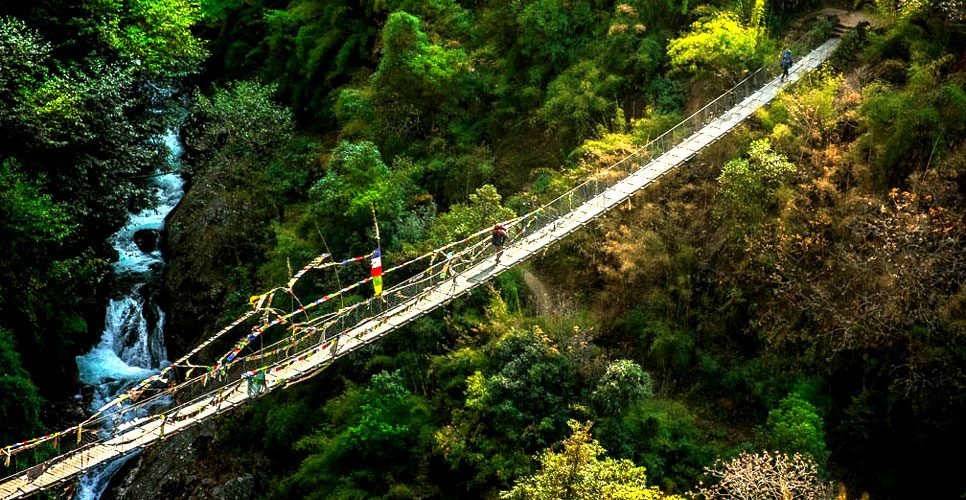
The Tamang Heritage trekking route is a unique cultural journey through traditional Tamang villages that lie close to the Tibetan border. This route is less commercial, offering an authentic experience of local life, including homestays, traditional meals, and community hospitality. Along the way, you’ll find natural hot springs and ancient monasteries that reflect the deep spiritual side of the region.
- Key Highlights: Visit the healing hot springs at Tatopani, enjoy homestays, and learn about the Tamang culture deeply rooted in Tibetan Buddhist traditions.
Gosaikunda Lake Trek
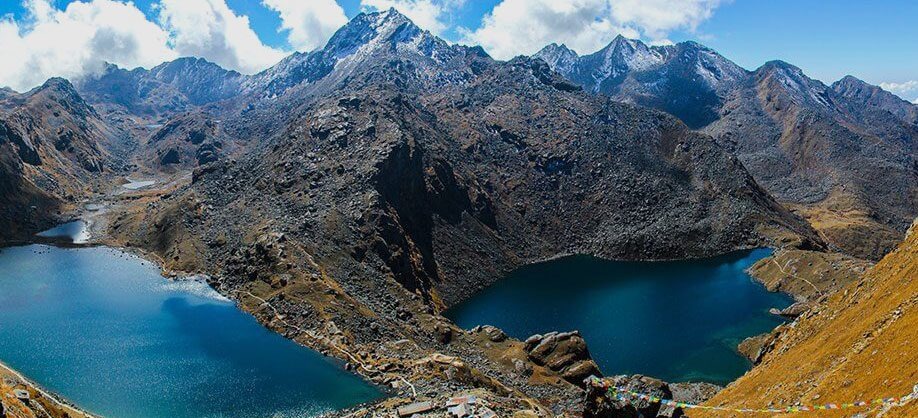
The Gosaikunda Lake trek is renowned for its religious and scenic significance:
- Overview: This middle to tough trek lasts from 5 to 7 days and can be connected with the Langtang Valley Trek. It takes trekkers to the most religious and important lakes to Hindus in Nepal known as Gosaikunda.
- Key Highlights: Stunning views of the lakes surrounded by rugged mountain terrain, with peaks like Ganesh Himal in the distance. It’s best to time this trek during the August festival of Janai Purnima to witness the vibrant pilgrim festivities.
Preparing for the Langtang Regions Trek
Proper preparation can make or break your Langtang trekking experience. Here’s what you need to know:
Physical Conditioning
Isolation, avalanches and landslides affect the trekking in Langtang region where most of the treks are mid-level though ardiovascular fitness is very important. It is also possible to strive to increase yo r stamina by hiking, running or cycling. Cardiovascular education and leg strengthening are among the particular useful activities.
Packing Essentials
It was reported that there are changes in weather in the Langtang Region. Here’s a quick checklist of essentials:
- Clothing: Quick-dry and layered clothing, a down jacket, and a rainproof jacket. Pack extra socks and gloves.
- Footwear: High quality, positively worn-in trekking boots and a pair of sandals for the evening.
- Accessories: Sunglasses, sunblock, a hat, and trekking poles.
- First Aid and Medications: High-altitude medicine (like Diamox), blister care, pain relievers, and water purification tablets.
Permits
For trekking in the Langtang Region, you’ll need:
- TIMS Card (Trekkers’ Information Management System): A trekking permit is necessary for most treks in Nepal.
- Langtang National Park Entry Permit: Required to access the Langtang National Park.
Permits and Regulations for Trekking in Langtang
Before you set out on any of the Langtang Region treks, there are two important permits you need to have with you — the TIMS card and the Langtang National Park entry permit. These aren’t just formalities. They help ensure your safety and support the people and environment that make this region so special.
TIMS Card (Trekkers’ Information Management System)
The TIMS card is there to keep track of trekkers and add an extra layer of safety while you’re out on the trail. It’s like a check-in system that helps officials know where you are in case of emergencies. You can get one pretty easily from the Nepal Tourism Board in Kathmandu or through your trekking agency — they’ll usually handle it for you.
Langtang National Park Entry Permit
Since most trails go through Langtang National Park, you’ll need a separate permit to enter. The money from this fee goes toward trail maintenance, local conservation, and preserving wildlife. You can get this permit in Kathmandu or at the park entry point. Just make sure to carry your passport and a couple of passport-sized photos when you apply.
Understanding Langtang Trek Costs
Budgeting is vital in organizing any rek, and when it comes to slicing your budget for Langtang, there is an option for every category. Here’s a breakdown of the main costs:
- Permits: Approximately $30 for the TIMS card and $20 for the Langtang National Park entry permit.
- Guide and Porter Services: For a guide the charges range from $25 to $30 per day and a porter would cost about $15-$20 per day.
- Accommodation: Shelter huts are found at These are very simple establishments that sell food and can offer bedding for $5-$15 per night. Food costs per plate are often $3—$7.
- Transportation: A public bus from Kathmandu to Syabrubesi costs around $10, while a private jeep can be about $150–$200.
Responsible Trekking: Supporting Local Communities
Sustainable tourism can be useful for the Langtang Region, which was badly affected by the earthquake in 2015. Here’s how you can contribute:
- Hire Local Guides and Porters: Supporting local guides and porters helps strengthen the economy.
- Shop and Stay Locally: Support local business by using local hotels, order from local teahouse and buy local and made products.
- Respect Cultural Norms: Always ask before taking photos of people, respect local customs, and follow guidelines in monasteries.
Essential Tips for an Unforgettable Langtang Region Trek Experience
Here are some insider tips to enhance your Langtang trek:
- Acclimatize Slowly: Although the Langtang trek isn’t the highest in altitude, acclimatization is still essential. Consider adding a day for rest at higher altitudes to prevent altitude sickness.
- Try Local Foods: Te houses serve traditional Nepali meals like dal bhat, which is both nutritious and budget-friendly. You can also try Tibetan dishes such as momo (dumplings) and thuppa (noodle soup).
- Stay in Tea houses: These community-run lodges are affordable and offer a great chance to connect with locals. In addition, they provide essentials like food, a warm bed, and often a chance to learn about the culture.
- Pack Out Trash: Waste management is limited in remote areas, so carry a small bag for trash and try to minimize single-use items.
- Stay Hydrated and Purify Water: Buy water purifying tablets or bring a portable filter to ensure a steady supply of safe drinking water.
The Langtang Region is truly one of the most magical places to explore in Nepal, offering a perfect blend of adventure, culture, and natural beauty. Langtang is definitely the sort of trek, that newcomers would not want to miss yet also would not pose a challenge for experienced trekkers and Himalayas first timers.
Ground Transportation in Langtang Region Treks
Ground transportation, via bus or jeep, takes trekkers to the trekking gateway of the Langtang region. It takes about 5/6 hours to reach Syaphrubesi/Dhunche. The road condition is initially blacktop, followed by gravel through the Himalayas, with green hill terraces, valleys, and Rivers.
Difficulty
There are two different types of trekking areas in the Langtang National Park. Some are easier, and the Gosainkunda Lake and Ganjala Pass trek is a high pass trek in the Langtang region. Similarly, the Tamang Heritage and Langtang Valley treks are easier. You may travel with your child and family.
Booking
Booking a trek in the Langtang region with Boundless Adventure confirms your amazing adventure trip with a professional trekking operator in Nepal. We provide you with uncompromising management in the field, led by highly experienced guides and porters.
However, let us share our experience with you now. You can contact us through our inquiry form or via WhatsApp at +977-9851033819. We’ll provide you with everything in detail.
Choose Boundless Adventure for expert guides, seamless planning, and an unforgettable journey through Nepal’s spectacular Langtang region. Your dream trek awaits – book now and create memories that last a lifetime!