


The Everest Base Camp trek difficulty is often described as moderate to challenging. It’s not a technical climb. It is the combination of high altitude, long daily walking hours, unpredictable weather, and basic living conditions that makes it a tough adventure for most people. Even those who are physically active can find the thin air and remote setting demanding. However, with proper training, determination, and the right mindset, this trek is achievable for anyone with average fitness.
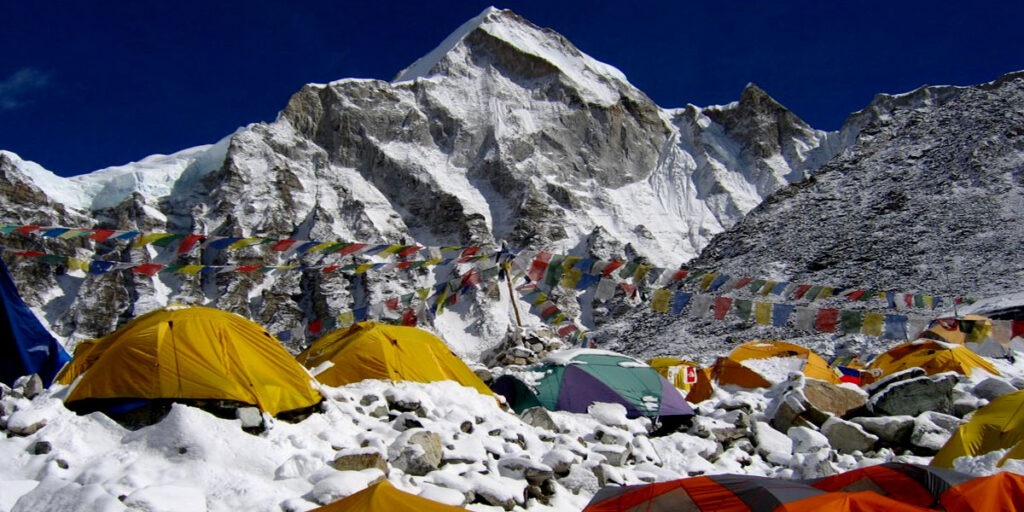
Every person intending to join such a journey must comprehend the Everest Base Camp trek’s difficulty level. The trek is usually 12 to 14 days long and takes you through stunning views, beautiful Sherpa hamlets, and the heart of the Khumbu region.
Several variables, such as altitude, terrain, and physical condition influenced by altitude, should be considered when evaluating the Everest Base Camp trek difficulty level. The individual’s fitness levels and past trekking experience are also essential.
As we begin to explore the problems faced during this trek, it is necessary to find out what makes the Mount Everest Base Camp trek difficulty different from the others and how to deal with it to make it an incredible adventure.
The Everest Base Camp trekking is generally considered more challenging than the Annapurna Base Camp Trek due to its higher altitude of 5,364 meters, which increases the risk of altitude sickness and involves more rugged terrain.
Overview of Everest Base Camp
Mount Everest is located in the Himalayas, specifically on the border between Nepal and China’s Tibet Autonomous Region. The mountain stands at a staggering 8,848.86 meters (29,031.7 feet) above sea level, making it the tallest peak in the world. The Everest Region Trek is one of the most iconic trekking routes in the world, offering breathtaking views and a chance to experience the unique culture of the Sherpa people. This trek typically takes about 12 to 14 days and covers approximately 130 kilometers (81 miles) round trip, starting from Lukla and leading to the base camp of the world’s highest peak, Mount Everest.
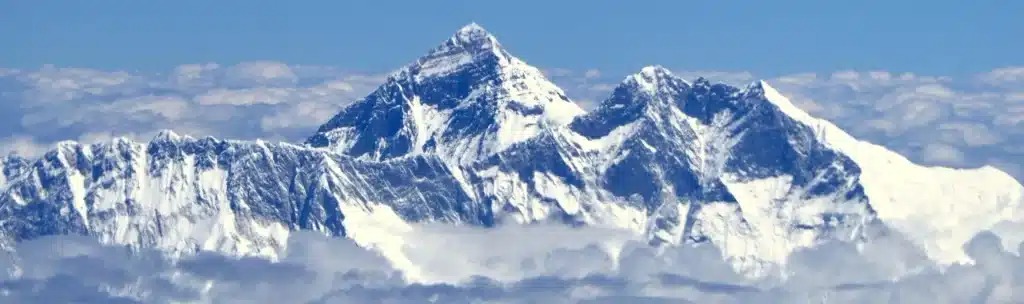
Recommended Read: Where is Mount Everest Located?
Altitude
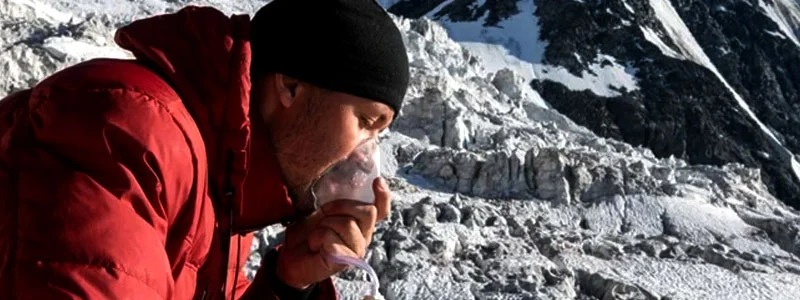
Everest Base Camp (EBC) is 5,364 meters (17,598 feet) above sea level. The trek to EBC involves ascending to this altitude rapidly, which can pose challenges for many trekkers. As you ascend, the air becomes thinner, resulting in less oxygen available for breathing. Without taking appropriate acclimatization steps, you may risk developing altitude sickness.
Elevation Gain
The Everest Base Camp trek elevation gain is 2,504 meters (8,215 feet). This measurement reflects the change in altitude from Lukla, the trek’s starting point at 2,860 meters (9,383 feet), to the EBC itself at 5,364 meters (17,598 feet). This substantial elevation change throughout the trek requires careful planning and acclimatization to ensure a safe journey.
Facing Problems In The Everest Base Camp Trek
Facing problems in the Everest Base Camp Trek: If you’re going to the base camp only because of the hype and not with enough information, you might face different difficulties during your trip. If you face problems during the Everest Base Camp Trek, you should contact your guide; he will immediately contact the Company.
The trail becomes steeper and will gradually gain altitude as we head towards Namche, which might leave one with altitude sickness. One should not panic but instead gain altitude slowly. You will be making a stop at Namche Bazaar for the night. Different shops, restaurants, hotels, banks, and internet services will help you stay in touch with your loved ones back home.
You’ll also understand the daily lifestyle of local people living in and around Namche. You will continue hiking along the old but used Everest expedition trail. There is little chance you will encounter some Himalayan wildlife (Mount Everest Wildlife) like deer, pheasants, and monkeys. This trail also offers beautiful views of the Ama Dablam Peak, with an altitude of 6,856m. It leads you to an incline through the thick forest, which gives off a lovely aroma of Juniper bush and is also where the Tengboche Monastery resides. We hope there are no problems with the Everest Base Camp Trek even though it is at the highest Base Camp in the world.
The Tengboche monastery is one of the most famous monasteries in the world. Here, many young monks live and receive an excellent education.
Along the Trek, you will pass by the village of Pangboche. We start our tour and follow the same old trekking trail to the Everest Base Camp. Straight inclined Trek from the Thukla to Memorial Park is the most challenging part of the Everest Base Camp trekking trail. This point also acts as the best vantage point along the whole route. You’ll encounter many prayer flags placed by many brave mountaineers on the way.
You can spend your night there once you reach Lobuche (the second-highest village on the EBC trail). Due to the weather conditions at that altitude, the trail which leads to Gorakshep is cranky. Along the way, the course will slowly be blanketed by snow. You will get jaw-dropping views of Mt. Everest and the neighboring range from this high vantage point. However, you will join Lobuche along the way to the Everest High Pass trail.
After arriving at Gorakshep, you can rest well; however, if you still feel energetic enough, you can also visit Kalapathar for a stunning sunset view over the Himalayas day.
Your next destination will be Kalapathar, standing at 5,550m where (Kala means black, and Patthar means rock). Then you’ll visit the Everest Base Camp from which you came. You’ll see the view of Mighty Mount Everest from the nearest point possible, i.e., The Everest Base Camp.
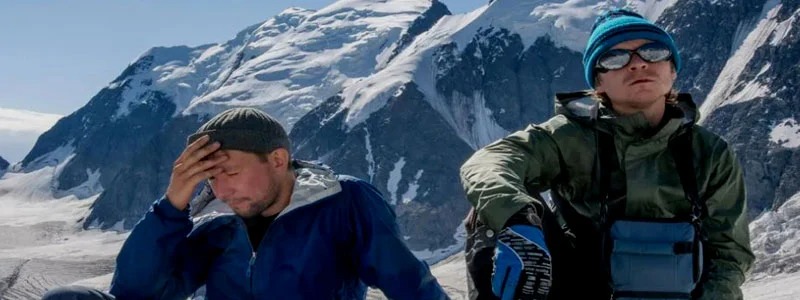
If you’re facing other emergencies during your Trek, you can always consult your guide, who will call the Company for the right solution. Choose the best seasons to trek the course because the weather conditions during monsoons are hazardous in Himalayan countries like Nepal. Enjoy the trail, but be smart with the choices you make.
Everest Base Camp Trek Difficulty Level
The Everest Base Camp trek difficulty level ranges from moderate to challenging, with daily hiking distances typically between 4 and 8 kilometers (2.5 to 5 miles). For those new to trekking, this journey can be particularly demanding. Nevertheless, with the proper physical conditioning and mental readiness level, you can approach this trek with confidence and excitement.
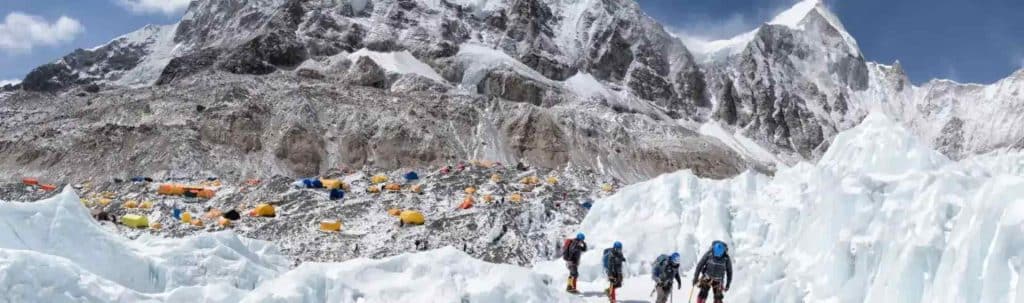
How Difficult is the Everest Base Camp Trek?
The Everest Base Camp Trek is often regarded as moderately complex. While it doesn’t involve technical climbing, it has enough challenges to test even seasoned hikers. Typically lasting 15 to 18 days, the trek requires an average of 4 to 6 hours of walking daily. Depending on the time of year, trekkers might face varying weather conditions, from hot sunshine to cold temperatures and potential snow. You can tackle the Everest Base Camp trek difficulty with the right equipment and proper fitness training.
What makes the Everest Base Camp trek difficult?
A combination of mental, physical, and environmental obstacles contributes to the Everest Base Camp trek difficulty. It’s more than just a stroll through the mountains. It’s a voyage that puts your forbearance, perseverance, and resolve to the test. You may improve your preparation and raise your chances of success by being aware of what to expect.
Length of the Trek
The walk to Everest Base Camp is about 130 kilometers long (round trip). Trekkers often walk 6 to 8 hours every day for 12 to 14 days. Your body is under a lot of stress from walking nonstop and not taking any breaks other than for acclimation. This extended period of trekking might be taxing for novices.
Start of your Everest Base Camp Trek
The trek begins with a short but thrilling flight to Lukla. Lukla is one of the most challenging airports in the world. Due to its short runway and unpredictable weather. The sudden shift from modern comforts to rugged mountain life can feel overwhelming. From Lukla, you immediately start walking through uneven trails, suspension bridges, and remote villages, which is physically demanding right from the start.
Starting the trek means stepping into a completely different world where the comfort of vehicles ends, and every step forward must be taken on foot, which can be both exciting and intimidating.
Getting Higher
As you gain elevation each day. The oxygen level in the air decreases. Your body has to work harder to perform simple tasks. Breathing becomes heavier, and trekking uphill gets tougher. The effects of high altitude start becoming noticeable around Namche Bazaar, the gateway to Everest.
Each step upward challenges your breathing and stamina. That makes the journey increasingly difficult as your body fights to adapt to thinner air.
Altitude
The altitude is one of the biggest contributors to the Everest Base Camp trek’s difficulty. Once you ascend above 3,000 meters. The air contains significantly less oxygen. Altitude sickness, also known as Acute Mountain Sickness (AMS). It can strike anyone regardless of fitness level. Symptoms include headaches, nausea, dizziness, and shortness of breath. Proper acclimatization and hydration are crucial to reduce the risk.
The reduced oxygen levels at high altitude mean your body receives less air with each breath, increasing fatigue and the risk of altitude sickness that can impact the trek.
Altitude Sickness
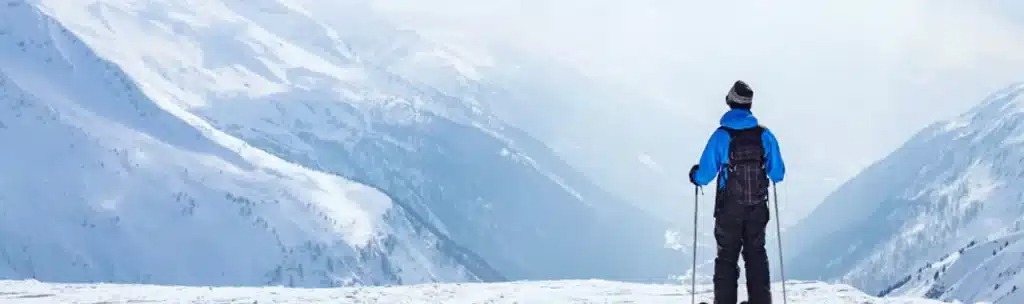
Acute mountain sickness (AMS) or altitude sickness occurs when hikers try to reach high-altitude locations too quickly, causing the body to lack oxygen. Because of the high elevation gain, this problem is standard on the trek to Everest Base Camp.
Signs and Symptoms:
- Headaches
- Nausea and vomiting
- Dizziness or feeling faint
- Tiredness or exhaustion
- Insomnia
- Breathlessness or difficulty catching one’s breath
Prevention:
To reduce the chances of developing altitude sickness, one can observe the following measures:
- Rest: Plan your itinerary so that you will have rest/acclimatization days at critical segments, such as spending an extra day or two in Namche Bazaar to allow your body to adapt.
- Hydrate: Also, make sure you drink at least 3-4 liters of water daily, as this dramatically reduces the chances of dehydration, where one may feel symptoms due to a lack of water.
- Stay Away From Alcohol and Smoking: These could slow down your body’s acclimatization process and, as a result, may put you at greater risk of suffering from AMS.
- Be attentive to your bodily sensations. If you feel any unbearable symptoms, do not be persistent. If necessary, go to a lower altitude and ask for help.
Remote Himalaya
The Everest region is isolated far from urban infrastructure. There are no roads, and everything—including food, supplies, and construction materials—has to be carried in by porters or flown by helicopter. This remoteness means that medical help is limited, and evacuation is expensive and weather-dependent. Carrying a basic first aid kit and travel insurance covering helicopter evacuation is compulsory.
Being far from civilization means limited access to emergency services. This adds an element of risk to the trek, demanding careful preparation and self-reliance.
Terrain
The Everest Base Camp path is rough and rocky, particularly around the base camp. You will traverse icy areas, ascend steep ascents, and cross rocky routes. The trail is not smooth, which increases the risk of slips, twisted ankles, and fatigue.
Challenging terrain with constant ups and downs makes every day different, requiring surefootedness and good physical conditioning.
Challenging Terrain
Some geographic contrast characterizes the route to Everest Base Camp. Rocky paths, steep slopes, and narrow ridges fuse in one convenient way. Most of the time, the trekkers enjoy the thrilling experience only to encounter rough edges, slippery areas, and demanding careful steps, making it more strenuous.
Signs and Symptoms:
- Frequent trips or stumbles
- Pain in the knees or ankles
- Fatigue from struggling to maintain balance
- Increased anxiety or fear while navigating tricky sections
Prevention:
When also avoiding cabin fever, extreme trekking with all its challenges does not only mean consumption of miles in speed; it may be helpful to address the issues below in advance:
- Buy the Right Shoes: Firm, well-supporting boots that cover the ankles and have good threads are recommended for maneuvering through rocks and other uneven surfaces.
- Poles: These assist in providing balance and take some pressure off the knees when climbing, especially descending hills.
- Train in Such Terrain: Go on hikes on such terrains in reality, where the Himalayas will have steep rocky surfaces, and practice confidence on steeper, uneven surfaces.
- Learn the Right Skills: Learn the relevant skills for walking through challenging places, such as climbing steep slopes in a zigzag manner and knowing where to place your feet.
Narrow Suspense Bridge
Along the route, you will encounter several high and narrow suspension bridges spanning across deep river gorges. These bridges can be intimidating. Especially for those with a fear of heights. They sway slightly with movement. It adds an extra mental challenge.
Crossing these high bridges can test your nerves and balance, especially when strong winds or passing yaks cause them to shake.
Accommodation
Teahouse accommodations are modest. Rooms often consist of two single beds with thin mattresses and shared toilets. Heating is rarely available. The temperatures at night can drop well below freezing. The lack of comfort can lead to poor sleep, making recovery harder.
Basic lodging means you often sleep in a cold room. The thin-walled rooms with minimal comforts can take a toll on your rest and recovery.
Limited Food Choices
As you move higher, food options become limited. When it comes to food on the Everest Base Camp trek, most teahouses keep the menu simple and hearty. You’ll mostly find local dishes like dal bhat (rice with lentils), noodles, potatoes, and basic soups. The higher you climb, the harder it is to get fresh vegetables or meat because everything has to be carried up the mountains.
This can make it tricky to keep your energy levels steady, and some trekkers may feel the effects after several days on the trail. Monotonous meals and limited variety make it hard to maintain energy levels, and trekkers must adapt to simple diets that may not meet all nutritional needs.
Cleanliness Can Be Challenging
Hygiene standards decrease the higher you go. Bathrooms are usually basic squat toilets and hot showers are available only occasionally for an extra fee. Limited water supply makes staying clean and germ-free difficult, increasing the chances of catching common colds or stomach bugs.
Staying clean is a daily challenge in the mountains, and the lack of proper sanitation can sometimes lead to discomfort or illness.
Lack of Training
One of the most overlooked challenges of the Everest Base Camp trek is the lack of proper physical training. Walking for hours every day at high altitude is no small task. It takes strong legs, good stamina, and plenty of determination. Many people assume that being generally active is enough, but the reality on the trail is very different.
Improper Diet/Food Poisoning
Food poisoning is common on the trail. It was caused by improper food handling or untreated water. It’s essential to eat freshly cooked meals, avoid meat at higher elevations, and use water purification tablets. A stomach bug can weaken you significantly or even force you to end your trek early.
Illness from contaminated food or water can quickly drain your strength and force trekkers to abandon their goals, so hygiene and food choices matter greatly.
Physical Endurance
The Everest Base Camp trek is physically demanding and requires appreciable endurance. Trekkers should prepare for lengthy hours of walking, most likely between five and eight hours, with a lot of elevation gain and different surfaces.
Signs and Symptoms:
- Overtraining or extreme tiredness
- Feeling out of breath during physical activity
- Painful muscles and spasms
- Increased heart rate and difficulty recovering
To make the trek more manageable, consider options like the Everest Base Camp Trek with Helicopter Return, which allows trekkers to enjoy the experience without the strenuous return journey.
Prevention:
To prepare for the long and tiring trek, consider the following ways of building the required endurance:
- Cardio Training: The dosage is running, cycling, or swimming performed at least 3-4 times a week to improve cardiovascular fitness, which is the aerobic aspect.
- Strength Training: This should mainly concern the lower legs (squats and lunges) and core to develop strength and stability, which will be essential during the trek.
- Hiking Practice: Undertake or go out for some hikes before the actual hike, especially on rough ground, to prepare your body for the strenuous conditions of the hike. The distance and elevation should be increased slowly to prepare for the actual conditions of the hike.
- Rest and Recovery: The training period should also include rest days to facilitate the training effects and the body’s adaptation to the workouts.
Weather Conditions
The climate in the Everest region is often characterized by high variability—it can completely alter in a matter of hours. Extreme drops in temperature, rain, snowfall, or fog can pose a challenge for trekkers, thus confining their visibility and trekking conditions.
Signs and Symptoms:
- Overheated or Significantly Cold
- Feeling tired as a result of the unfavorable weather challenges
- Keeping spirits high during days of rain or snow is difficult
- A very cold-free risk of frostbite or hypothermia
Preventions:
As the above description suggests, the weather along the trek would vary, requiring the following measures.
- Wearing Suitable Apparel: Buy high-quality waterproof jackets, such as snow jackets, and wear thermals and other insulated, custom-made designs to keep warm and dry.
- Understand and Pack in Layers: Pack moisture-absorbing base layers, heat-retaining intermediate layers, and water-repellent outer jackets and trousers.
- Monitor the Weather: Check the weather patterns for the region and adjust your daily activities accordingly. Where necessary, be ready to reroute or delay your timing.
- Be Flexible: Allow breathing space in the trekking schedule for possible weather disturbances. But if the situation deteriorates, finding shelter and waiting for improvement may be better.
Logistical Challenges
As trekkers move further into the Himalayas, logistics begin to take their toll. Accommodations range from basic tea houses to relatively comfortable lodges, and the services may not be sufficient. This, in turn, presents discomforts and difficulties associated with the trek.
Signs and Symptoms:
- Irritability due to lack of certain services (showers, power, Wi-Fi)
- Inconvenience stemming from poor living standards (common restrooms, no heating)
- Worry regarding access to/quality of meals
- Excessive strain resulting from unnecessary gear
Prevention:
All these overcome challenges have embedded strategies. The following are some of these strategies:
- Set Realistic Expectations: Accept that the hospitality standards will be different from those of the city. Accepting to live under less-than-comfortable conditions goes a long way toward bettering one’s overall experience.
- Research Accommodation Options: Learn about the types of lodges or tea houses along the route and plan your stops at them accordingly.
- Carry Essential Supplies: Pack personal comfort items like thermal-rated sleeping bags, food, and personal hygiene kits. A lightweight camping cooker may also be considered if cooking facilities are required.
- Stay Flexible: Expect to find new accommodation or food supplies and be ready to change your thinking, acting, and behavior during the trek regarding any logistical problems encountered.
Mental Challenges
The psychological component of the journey to Everest Base Camp can sometimes be as challenging as the physical component. Days filled with arduous trekking, tiredness, and high altitudes may sometimes cause self-doubt and anxiety, which could bar you from moving forward or enjoying the trip.
Signs and Symptoms:
- Increased anxiety or fear about the trek
- Feelings of isolation or homesickness
- Loss of motivation or enthusiasm
- Difficulty focusing on the trail or navigation
Prevention:
Regarding how to deal with mental distress during the trek, the following points are recommended:
- Set realistic expectations: Consider the trek like a small journey, with shorter and less tiring treks culminating in the main one; rewarding oneself after each journey enhances self-motivation and gives a sense of fulfillment.
- Learn to be mindful in times of distress. Use breathing exercises or other forms of visualization to remain calm and centered during difficult periods.
- Trek in a Team: Companions are essential because they provide emotional and psychological support, thus enhancing the experience rather than making it lonely. This bond is created as group members share their struggles and, in turn, motivate one another to complete difficult sections.
- Think Healthily: The mission and the fantastic views override the disgust during the trek. Remaining optimistic is essential, as this will eliminate negative thoughts and tiredness.
Limited Access to Medical Facilities
Comprehensive medical facilities need to be improved during the Everest Base Camp Trek. The closest hospitals are located in bigger cities, such as Namche Bazar, and transport is a more immediate problem due to the secluded nature. The safety net provided with the service is not available, and this can make trekkers more anxious.
Signs and Symptoms:
- Fear of injury or illness without nearby medical help
- Anxiety over managing pre-existing medical conditions
- Stress about the availability of essential medical supplies (band-aids, pain relievers)
- Feelings of helplessness in case of emergencies
Prevention:
- To reduce the dangers posed by restricted access to healthcare services, the following actions should be put into action:
- First Aid Kit Carrying: Bring a comprehensive first-aid kit containing bandages, iodine wipes, painkillers, medication for altitude problems, and any other medicines you may require.
- Basic First Aid Techniques: Learn basic first aid steps to apply to yourself or other trekkers in case of minor cuts and scrapes during the trip.
- Inform yourself about evacuation plans: Orient yourself with the medical facilities available along the route, especially the means of evacuation in an extreme medical situation.
- See A Doctor: Before the hike, discuss your medical background and any required vaccinations or medicine with a physician. Make sure you are in good health for the hike.
Awareness of potential challenges is essential when preparing for the Everest Base Camp trek. Altitude sickness, unpredictable weather, and physical fatigue can arise during the journey. Understanding how to tackle these problems effectively is essential to ensuring a successful trek.
For a deeper dive into overcoming these challenges, check out our article on Facing Problems in the Everest Base Camp Trek.
Training Tips to Endure Difficulty of Everest Base Camp Trek
Preparing well can significantly reduce the Everest Base Camp trek difficulty. A combination of physical, mental, and altitude training will set you up for success.
Practice Hiking
- Take long walks on a regular basis. hikes in a variety of environments. Both uphill and downhill are included.
- In order to replicate trekking conditions, carry a weighted backpack.
- To increase your stamina, hike for several days in a row.
Exercise and Workouts
- Focus on cardiovascular exercises such as jogging, cycling, swimming, or stair climbing.
- Strengthen your legs with exercises like lunges, squats, and step-ups.
- Work on your core strength for stability and balance.
- Yoga and stretching can help improve flexibility. It also helps to prevent injury.
Acclimation Practice
- If possible, go on shorter high-altitude treks before attempting Everest Base Camp.
- Practice spending time at elevations above 3,000 meters.
- Learn to recognize signs of altitude sickness and know how to respond.
Mental Preparation
Mental toughness is important. Long walks, chilly temperatures, inadequate amenities, and the effects of altitude can all be mentally taxing. Maintaining your composure, concentration, and resolve is essential to finishing the journey successfully.
Choose Boundless Adventure for the Best Services for Your Everest Base Camp Trek
When planning your Everest Base Camp trek, choose Boundless Adventure for the best services. Our expert guides, with extensive regional knowledge, ensure a safe and enriching experience. We offer customized itineraries tailored to your fitness level and preferences and comprehensive support from airport transfers to accommodation and meals.
With a strong focus on safety and well-being, we implement acclimatization strategies and emergency plans, allowing you to enjoy your adventure with peace of mind. Let Boundless Adventure help you make your trek to Everest Base Camp unforgettable!
To Sum Up
The Everest Base Camp trek is undoubtedly one of the greatest marvels of the Himalayas. Nevertheless, it has its fair share of challenges. Trekkers must prepare themselves for all these factors, including altitude sickness, physical fitness, weather changes, and the availability of medical help.
Given the Everest Base Camp trek difficulty, there are ways to improve your experience and make the journey safer. This trek involves high altitudes, long distances, and steep ascents, but you can better manage these challenges by taking specific measures. However, enjoy the views and the accompanying sense of achievement with Boundless Adventure, as the journey to the Everest base camp can be pretty fun. Welcome the challenge and take pleasure in one of the best treks of your life!
Explore our Everest Region Trekking Packages
FAQs
Is the Everest Base Camp trek difficult?
Everest Base Camp trek is considered moderately difficult. It involves high altitudes, long trekking days, and steep ascents, but no technical climbing skills are required. With proper acclimatization and preparation, most trekkers can complete it.
Is the Everest Base Camp trek worth it?
This is true! The trek provides breathtaking views of the Himalayas, different fascinating cultures, and, most importantly, the height that comes from being at the foot of the highest mountain on the planet.
Can a beginner trek to Everest Base Camp?
Yes, novice trekkers can practice trekking to Everest Base Camp, but they must be fit physically and mentally beforehand. Gradual acclimatization, proper trekking gear, and a well-planned itinerary will ensure a pleasant trip.
What is the most challenging part of the Everest Base Camp trek?
The steep ascent to Kalapathar, the highest elevation reached on the trek at 5,545 m (18,192 ft), is arguably the most physically demanding segment of the gravel roads. Due to the high altitude, this part of the trek can be difficult.
How fit do you need to trek to Everest Base Camp?
Preparing for the trek requires being reasonably fit, with attention to aerobic capacity and leg strength. To prepare for the trek’s challenges, you can do some hiking, add some running, or do any other type of cardiovascular exercise.
Which is harder, the Annapurna Circuit Trek or Everest Base Camp?
The Annapurna Circuit trek is generally considered harder due to its steeper terrain and physical demands. In contrast, the Everest Base Camp trek offers higher elevation and longer duration for acclimatization.
Is the Everest Base Camp trek risky?
Although it is mostly safe for trekkers, high altitude and changing weather patterns can cause possible health hazards. Proper acclimatization and preparation can alleviate these dangers.
How much money is needed for the Everest Base Camp trek?
The Everest Base Camp trek cost varies significantly depending on the choice of the trek package, duration of the trek, and personal expenses. On the lower side, the costs involved in Going For The Guided Trek with inclusive permits, accommodations, meals, and guides should be around $1000 to $2500.
What level of difficulty is Everest Base Camp?
The trek to Everest Base Camp is regarded as quite difficult. It calls for a high degree of preparation, mental tenacity, and athleticism. The trek’s length, high elevation, rudimentary lodging, and erratic weather are the primary challenges. But with the correct attitude and the right training. Most people with moderate levels of fitness can do it.