


Mount Everest is something magical, the highest mountain on Earth; it stands at 29,000 feet (8,848.46 meters) above sea level. For decades, it has fascinated explorers, trekkers, and dreamers from all over the world. Whether you want to learn about its towering peak, the people who live nearby, or what it takes to visit, this guide will take you on a journey through everything that makes Everest so special.
This blog is your complete guide to Mount Everest, the tallest mountain in the world. It covers everything from where it's located and how tall it really is, to the history behind its first ascent and the people who call the Everest region home.
However, learn what it takes to climb it, what the weather is like, and why it holds deep spiritual meaning for the Sherpa community. Whether you're planning a trek, curious about the climb, or just fascinated by the mountain itself, this guide gives you all the essential info in one place, clear, simple, and easy to follow.
From its unique geological history and extreme weather to the rich Sherpa culture and spiritual meaning, Mount Everest is more than just a mountain. It represents adventure, challenge, and deep respect for nature. In this guide, find simple, clear answers to all your questions without confusing words, just honest and helpful information.
Everest Located?
Mount Everest is located on the border of Nepal and China (Tibet). Most people access it from the Nepal Himalaya side, as it's more open to visitors and has a well-developed trekking trail. The southern face lies in Nepal's Khumbu region, home to the Sherpa community, while the northern face lies in Tibet, which is under Chinese administration.
How Tall Is Mount Everest?
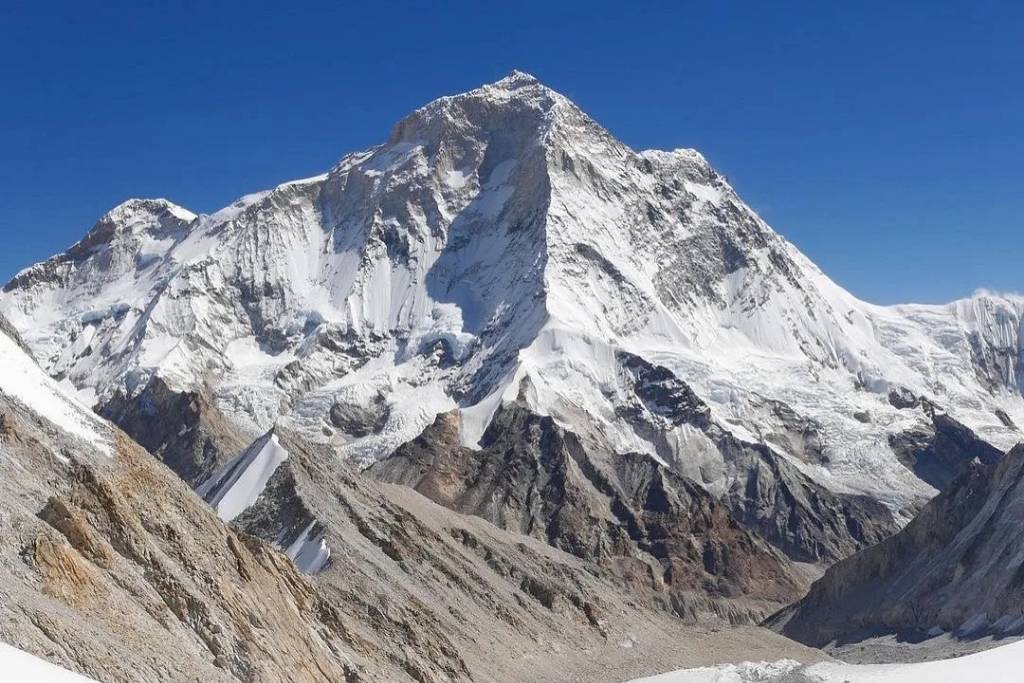
The current official height of Mount Everest is 29,031.7 feet (8,848.86 meters). That makes it the highest point on Earth. Its height was remeasured and confirmed in 2020 by a joint survey between Nepal and China. And here's something wild, due to tectonic activity, it continues to grow by about 4 mm each year.
How Old Is Mount Everest?
Believe it or not, Mount Everest is about 50 to 60 million years old. It formed when the Indian and Eurasian tectonic plates collided, pushing up the Himalayas from what was once an ancient sea. One of the most fascinating facts is that scientists have found marine fossils—proof that Everest’s rock once lay beneath an ocean.
How Cold is it at Mount Everest?
Mount Everest is cold year-round, but how cold it gets depends on the altitude and season. At Everest Base Camp (5,364 meters), daytime temperatures during peak trekking seasons (spring and autumn) usually range from -5°C to 10°C (23°F to 50°F). Nights are much colder and can drop well below freezing.
The higher you go, the colder it gets. Near the summit (8,848 meters), temperatures can plunge to -30°C (-22°F) or lower, especially in winter. Even in spring, summit temperatures rarely go above -15°C (5°F). Add in strong winds, and the wind chill can make it feel even colder.
So, while you’re trekking, proper layering and cold-weather gear are absolutely essential. The cold isn't just uncomfortable—it can be dangerous if you're not prepared.
Learn in depth about the coldness of Everest in our blog “How Cold is Mount Everest ".
What is the Average Temperature of Mount Everest?
The average temperature on Mount Everest varies by location and season. At Everest Base Camp, daytime temperatures in spring and autumn range from -5°C to 10°C, while nights often drop below -10°C.
The History of Mount Everest
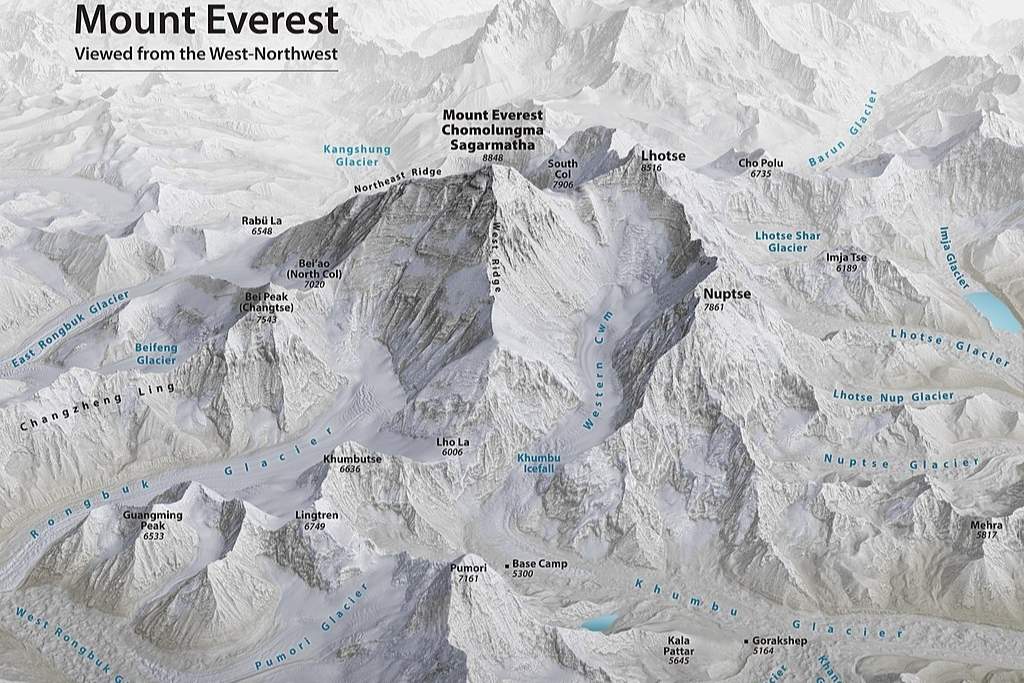
Mount Everest is locally also known as Sagarmatha in Nepal. In Tibet, Mount Everest is known as Qomolangma. The history of Mount Everest is filled with exploration, heroism, and tragedy. The mountain was first measured in 1856 and named after British surveyor Sir George Everest. But for centuries before that, locals called it Chomolungma (“Goddess Mother of the World”) and Sagarmatha (“Forehead in the Sky”).
First Ascent: A Historic Moment in 1953
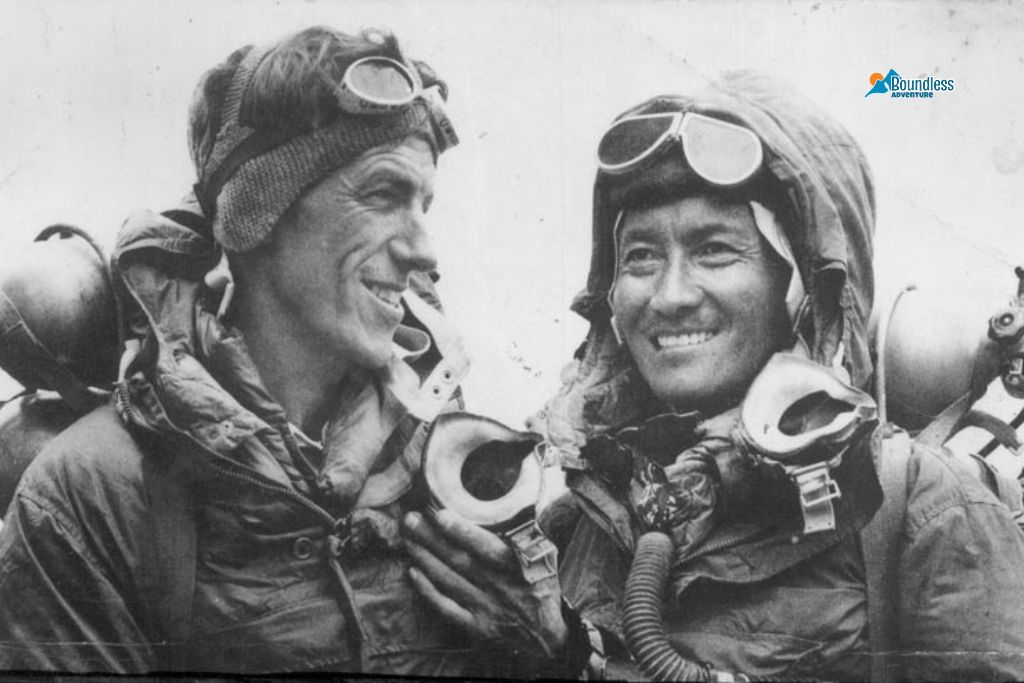
On May 29, 1953, Edmund Hillary and Tenzing Norgay stood on top of the world. It was a moment people thought was impossible. Their climb was the result of many attempts and hard work by teams before them. This achievement opened the door for many others to follow, making Everest the symbol of ultimate adventure.
Since then, thousands of climbers have attempted to summit Everest—some successfully, some not. Tragedies like the 1996 Everest disaster and the 2015 earthquake that struck Nepal have only deepened its legend. Still, it remains the ultimate challenge for climbers around the world.
5 Fascinating Facts About Mount Everest
- Mount Everest grows about 4 mm taller every year.
- It’s known as Sagarmatha in Nepal and Chomolungma in Tibet.
- Over 300 climbers have died trying to summit.
- Everest has a 4G mobile service—even near the summit!
- Its upper layers contain ancient marine fossils.
Everest’s Deadly Side: Death Toll & Dangers
Sadly, the dream of summiting Mount Everest comes with real danger. As of now, over 330 climbers have died on its slopes. Many deaths occur in the Death Zone (above 8,000 meters), where the oxygen level is only a third of that at sea level. If you’ve ever wondered how many climbers have died on Everest, It’s a sobering reminder of the risks involved.
Mount Everest Viewpoint
One of the most popular spots to get a stunning close-up of Mount Everest is Kalapatthar. It's not the highest peak around, but from this vantage point—about 5,545 meters (18,192 feet) you get some of the clearest and most breathtaking views of Everest's towering summit.
Trekkers often make the early morning hike to Kala Patthar to catch the sunrise lighting up the mountain. The panoramic scene includes not only Everest but also nearby giants like Lhotse and Nuptse. Unlike Everest Base Camp, which is nestled among hills and can have limited views of the summit itself, Kala Patthar offers an unobstructed, jaw-dropping panorama that many say is the highlight of the trek.
If you’re trekking in the region, reaching Kala Patthar is a must for that iconic Everest photo and an unforgettable mountain experience.
How many Camps are on Mount Everest?
Climbers heading to the summit of Mount Everest typically pass through four main camps above Base Camp. These camps are set up along the standard South Col route from Nepal and serve as rest and acclimatization points before the final push to the top.
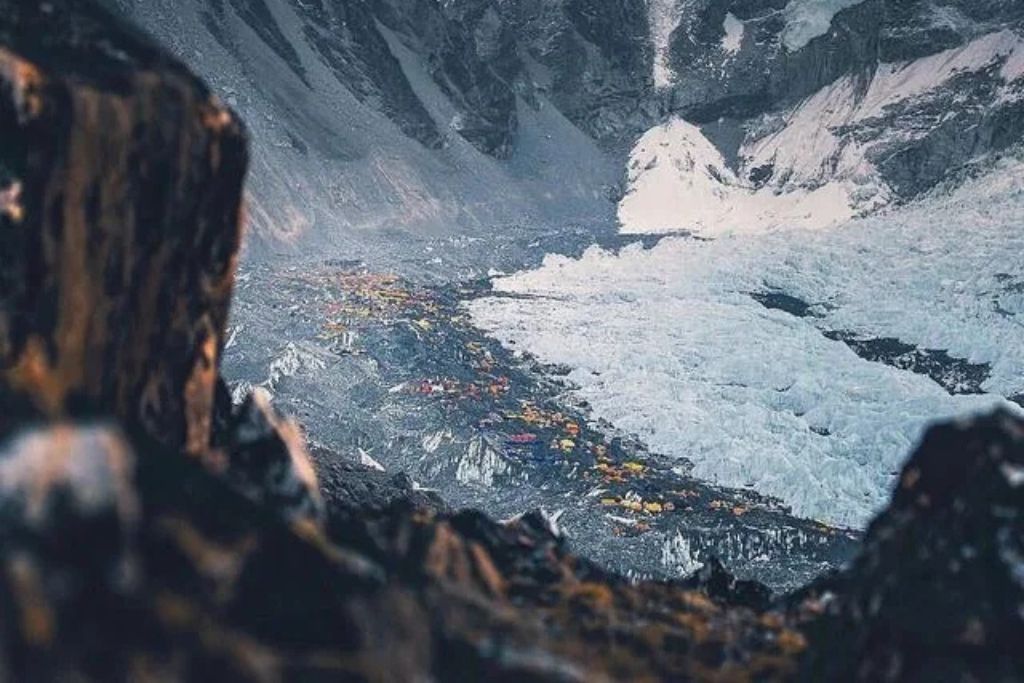
- Base Camp (5,364 meters): The starting point for most expeditions, where climbers spend days preparing and acclimatizing.
- Camp I (6,065 meters): Located at the top of the Khumbu Icefall, this camp marks the beginning of the technical climbing section.
- Camp II (6,400 meters): Also called Advanced Base Camp, it’s situated in the Western Cwm and offers a bit more shelter.
- Camp III (7,200 meters): Positioned on the Lhotse Face, this camp is higher up and colder, requiring careful acclimatization.
- Camp IV (7,950 meters): The final camp on the South Col, just below the “death zone,” where climbers rest before their summit attempt.
Some climbers might use additional temporary camps depending on their route or weather conditions, but these five spots are the core staging points for most Everest ascents.
How To Climb Mount Everest?
Climbing Mount Everest is a serious undertaking. Climbing Mount Everest isn't just about being physically fit. It is rather time-consuming. Getting your permits sorted out, ensuring you have the correct support crew, and truly learning how to cope with the physical challenges you will face trying to climb so high up into the mountains.
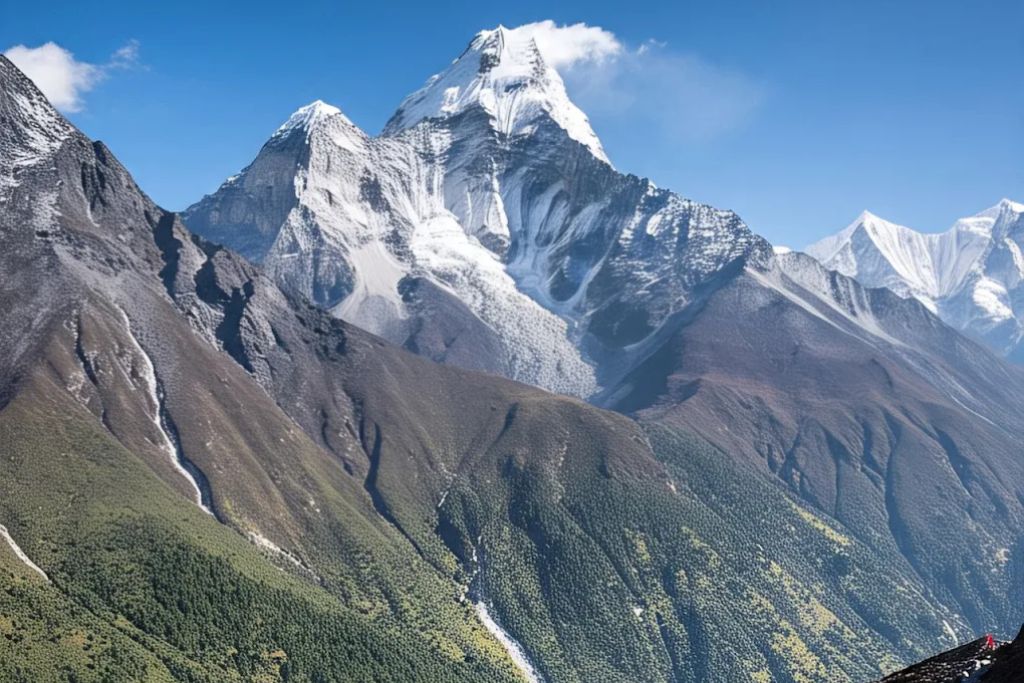
Here’s a complete breakdown of the steps involved:
Preparation
To climb Mount Everest, climbers are expected to have prior experience with high-altitude peaks, usually above 6,000 meters. The successful climbers are those who have already conquered such mountains as Island Peak, Mera Peak, or even Denali. The training focuses mainly on endurance and strength, as well as the ability to walk on snow and ice efficiently using technical equipment such as crampons, ropes, and ice axes.
Also important is cardiovascular conditioning. To prepare them, trekkers practice hiking with a loaded backpack, jogging, or being a biker. Physical training is nothing compared with mental preparation. To climb Everest, one needs patience, the ability to make sound decisions, tolerance for physical stress, and exposure to harsh conditions.
Permits and Logistics
In order to be able to ascend Mount Everest in Nepal. The official permits that climbers should obtain:
- Climbing Permit from the Department of Tourism (Government of Nepal)
- Sagarmatha National Park Entry Permit
- Khumbu Pasang Lhamu Rural Municipality Entry Permit
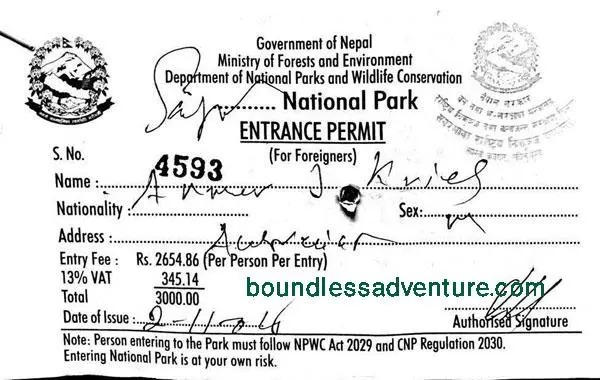
The main Everest Climbing Permit is only issued to climbers as part of an expedition, not to individuals. Most climbers go with a registered trekking or climbing agency in Nepal that organizes these permits and handles expedition logistics. These include arranging guides, porters, oxygen cylinders, food, tents, satellite communication, and medical support.
Without these documents, climbing is strictly prohibited and may result in fines or bans from future expeditions.
Note: If you are wondering about the cost to climb Mount Everest.
Base Camp Acclimatization
The climbers did not begin climbing; they took a flight to Everest Base Camp. Instead, they begin a process of acclimatization. It is a procedure whereby a number of weeks are used to ascend and descend the mountain with a view to acclimatizing to low oxygen.
Here’s how it works:
- Stay at Base Camp (5,364 m) for 3–7 days.
- Climb to Camp 1 (around 6,000 m), then return to Base Camp.
- After rest, climb to Camp 2 (6,400 m), sleep there, and descend.
- Repeat cycles before staying longer at higher camps.
This staged movement helps the body produce more red blood cells. They carry oxygen more efficiently. Skipping acclimatization increases the risk of Acute Mountain Sickness (AMS), High Altitude Pulmonary Edema (HAPE), or High Altitude Cerebral Edema (HACE)—all potentially fatal conditions.
Summit Push
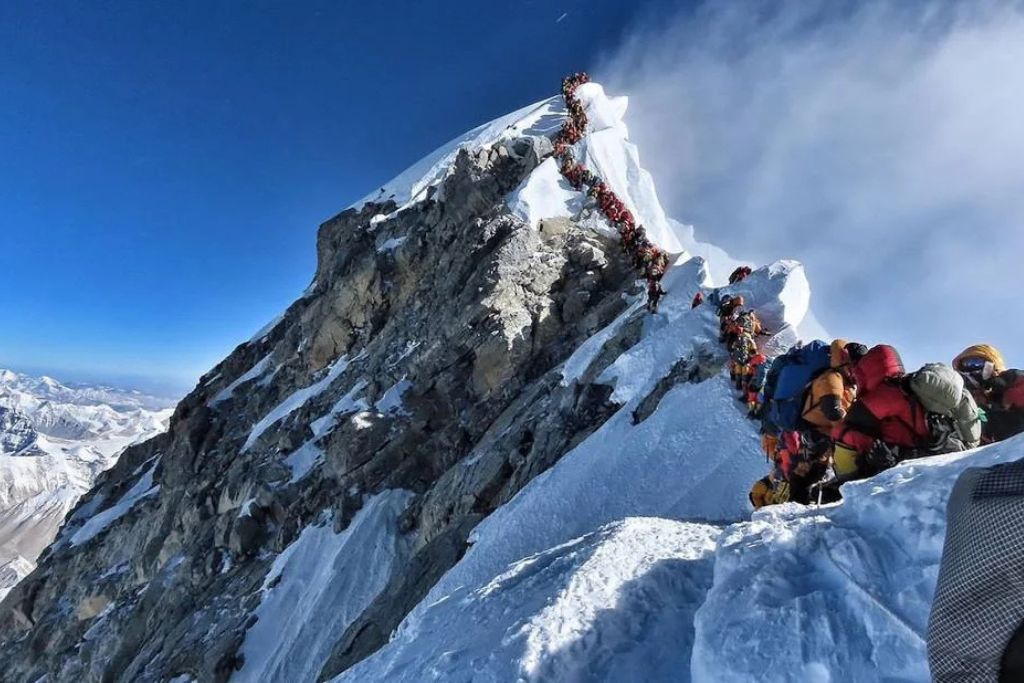
When the body has sufficiently acclimatized and the weather is good (generally between May and late September), the climbers begin the summit push. It contains four main camps in this passage:
- Camp 1 (6,000 m)
- Camp 2 (6,400 m)
- Camp 3 (7,200 m)
- Camp 4 (7,900–8,000 m)
From Camp 4, climbers attempt to reach the summit in one continuous push, usually starting late at night. This allows them to reach the summit by sunrise and return before afternoon weather changes.
Climbers use supplemental oxygen above 7,000–7,500 meters. Sherpas secure ropes along the route for safety, especially in steep or exposed sections such as the Balcony, South Summit, and Hillary Step.
The Summit
Reaching the summit of Mount Everest (8,848.86 m) is the final reward after weeks of climbing, cold, and mental strain. Climbers usually reach the top between 4 and 9 AM, where they spend only 10–20 minutes due to the thin air and freezing temperatures.
The summit offers sweeping views of the Himalayas and, on a clear day, parts of Tibet and even the curvature of the Earth. However, this is also where climbers must stay sharp. Most fatalities occur on the descent, when exhaustion and poor judgment take over.
Returning safely to Base Camp is just as important as reaching the top. Climbers take 2–3 days to descend from the summit to Base Camp, passing through all the camps in reverse order, often with support from Sherpas and oxygen.
Alternative Routes for Mount Everest
Although the common trekking routes begin in Lukla and require trekkers to fly there directly, there are other obscure trails that offer a calmer, more immersive experience. They are longer routes that showcase another side of Nepal that does not attract the usual crowd. The Jiri to Lukla route is one of the most classic routes.
Lukla (via Jiri)
Before there was an airport in Lukla, every trek to Everest started by road to Jiri. From there, it was days of walking through small villages, green hills, and forests before reaching Lukla. This route adds about 5 to 7 extra days of trekking, with plenty of ups and downs as you gradually climb toward the higher mountains. It is a route that presents an alternative, more traditional, and peaceful version of Nepal, away from the airfields and congested tracks.
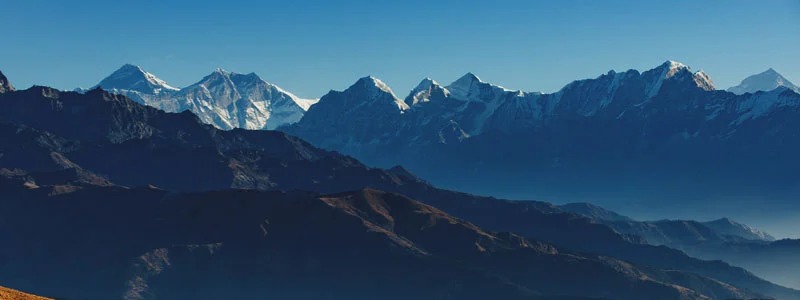
Along the way, you pass through charming villages like Bhandar, Sete, Junbesi, and Nunthala. These stops give you a chance to experience local life, with terraced farms, friendly faces, and simple teahouses. While most trekkers now fly straight to Lukla, this road-and-trek option is still used, especially when flights are delayed or canceled. It’s also a good way to let your body adjust to the altitude slowly, making the journey to Everest a little safer and more memorable.
It’s a great choice for those who want to avoid the Lukla flight or just experience a quieter, more traditional trail. Once you reach Phakding, you’ll merge with the standard Everest Base Camp route, refreshed and already well-acclimatized.
If you’re still confused about climbing routes, don't worry. Read our detailed guide on our blog, “Routes to climb Mount Everest.”
Climate And Weather on Mount Everest
The weather on Mount Everest is harsh and erratic. Snow, storms, and frigid cold, coupled with stiff winds, ensure that the mountain is respected by anyone who offers to visit or even climb it. Thus, the seasonal report, reduced to a plain report, is as follows:
Mount Everest Weather by Season
| Season | Average Temperature | Wind Conditions | Visibility | Notes |
| Winter (Dec-Feb) | -36°C to -60°C | Very strong winds | Poor | Dangerous, rarely climbed |
| Spring (Mar–May) | -15°C to -25°C | Manageable | Excellent | Best time to climb |
| Monsoon (Jun-Aug) | -10°C to -20°C | High winds + rain | Very poor | Not recommended |
| Autumn (Sep-Nov) | -20°C to -30°C | Mild to moderate | Clear | Best time for trekking |
Spring and autumn are the most favorable seasons for both trekkers and climbers.
Best Time to Visit Mount Everest
The best time to visit Mount Everest depends on what kind of experience you’re looking for. Each season has its own mood, beauty, and challenges. Here's how the year breaks down:
Spring (Late March to May)
One of the most preferred times to visit Everest is spring. The days will be warmer, and the skies will be mostly clear, and rhododendrons, which are so famous, bloom along the trail. The season is highly visible, and the weather is relatively settled, making this the best time for a trek or expedition. It is also the time when most climbers are expected to be on it to summit the mountain.
- Good for: Clear mountain views, comfortable temperatures, and colorful landscapes
- Things to keep in mind: Trails can get busy, especially in April and May
Summer/Monsoon (June to Mid-September)
The rains set in during the monsoon, causing cloudy skies. The paths may also be wet and treacherous, and the planes to Lukla are always delayed. This is not the most ideal time for most trekkers, as the region is calm and the hills become lush and green.
- Good for: Avoiding crowds, seeing Everest's surroundings in full bloom
- Things to keep in mind: Limited mountain views, weather disruptions
Autumn (Late September to Early November)
Autumn is considered the best overall time to visit Everest. After the monsoon ends, the air is fresh and clean, with crystal-clear views of the mountains. The temperatures are comfortable, and the trails are dry and safe. This season also overlaps with some major Nepali festivals, adding a cultural bonus.
- Good for: Best mountain visibility, dry trails, festive atmosphere
- Things to keep in mind: High demand for flights and accommodations
Winter (Late November to February)
Winter is characterized by cold temperatures and snow, particularly at high altitudes. Nevertheless, the trail is cold, but if you can deal with the cold, you will enjoy tranquility and silence. The sky is clear most of the time, and the view of the snow-capped mountains is magnificent.
- Good for: Quiet trails, dramatic snowy views
- Things to keep in mind: Harsh cold, some lodges may be closed, limited access to higher elevations
Average Monsoon in a Year in Mount Everest
The monsoon season usually hits the Everest region between June and mid-September every year. During this time, the area receives heavy rainfall from moist air from the Indian Ocean. On average, the Everest region receives 1,000 to 1,500 millimeters (40 to 60 inches) of rain during the monsoon months.
The rain turns the trails muddy and slippery, and clouds often hide the mountains, making views scarce. This season also raises the risk of landslides and delays in flights to and from Lukla. Because of these challenges, most trekkers avoid Everest during the monsoon, opting instead for the clearer, drier spring or autumn months.
Mount Everest: The Gateway to the Mountain
If you want to get close to Mount Everest without climbing to the top. The Everest Base Camp is where the adventure begins. Sitting at about 5,364 meters (17,598 feet), it’s a lively place buzzing with climbers getting ready for their journey. Even if you're not climbing, trekking here is an amazing experience. It is a trail that leads you through picturesque forests and lovely villages of the Sherpa people, and grants you the view of a lifetime on high mountains. It is like visiting an entirely new world where the mountain is so close you can touch it.
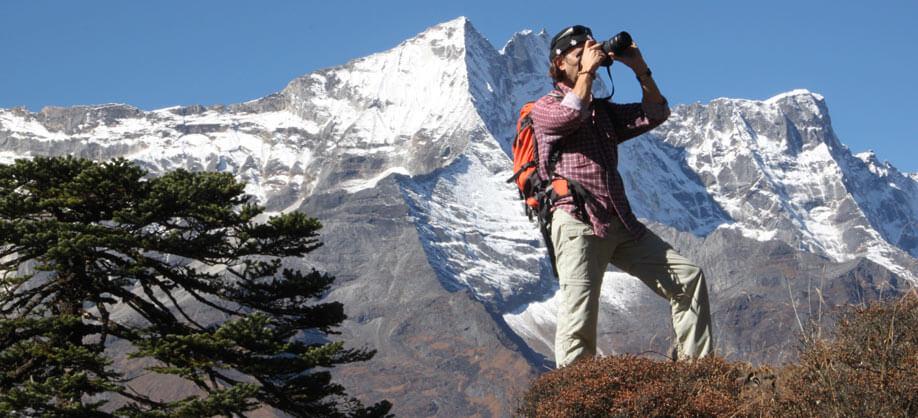
Khumbu Region: Home of the Sherpas and Everest
The Khumbu region is where most people start their trek to Mount Everest. It's a beautiful, rugged area in Nepal filled with steep hills, high passes, and the warm-hearted Sherpa community. Sherpas have inhabited the region for generations, and their culture is intertwined with the mountains.
As you walk through the Khumbu region, you'll see colorful prayer flags fluttering, small monasteries perched on hillsides, and hear stories of the mountains told around fires in cozy tea houses. Not only a trekking circuit, but this is also an adventure in living culture.
Edmund Hillary: The Man Who Conquered Everest
When you talk about climbing Mount Everest, you can’t forget Sir Edmund Hillary. This humble New Zealander made history in 1953 by becoming one of the first two people to reach Everest’s summit. But Hillary wasn’t just a climber—he was also a kind-hearted man who helped build schools and hospitals for the Sherpa communities. His story is about more than just reaching the top; it’s about respect, friendship, and giving back to the people who make climbing possible.
Tenzing Norgay: Sherpa Legend and Everest Pioneer
Tenzing Norgay was the Sherpa who teamed up with Edmund Hillary in 1953 to conquer Mount Everest. Tenzing was born in the Himalayas and knew these mountains like the back of his hand. His skill, courage, and calmness helped the expedition succeed. Today, Tenzing is a hero, especially to the Sherpa people. Who honor his legacy as someone who showed the world their strength and spirit.
Sagarmatha National Park: Protecting the Environment
The area around Mount Everest is protected by Sagarmatha National Park. An exclusive site recognized by UNESCO. The environment is kept safe by the park. The beautiful forests and glaciers to the snow leopards and the red pandas. It also defends villages and monasteries, which render the region so special. When you move around this park, it feels like entering a natural sanctuary where animals and humans coexist.
Flora and Fauna in Everest
A surprisingly rich flora and fauna population is also found in the Everest region. There is a drastic transformation in the landscape and ecosystem as you ascend from the lower hills to the higher altitudes.
Flora
In the lower areas like Lukla and Namche, you'll see dense forests of pine, fir, birch, and rhododendron. Spring is especially beautiful when the rhododendrons burst into bloom, painting the hills in pink, red, and white. As you go higher, trees thin out and give way to shrubs, mosses, and hardy alpine plants that can survive the cold and thin air. For more details, visit the blog “Mount Everest Wildlife“.
Fauna
Despite the harsh conditions, Everest is home to some remarkable wildlife. At lower elevations, you may see red panda or musk deer, and Himalayan tahr. Up in the sky, wild animals such as the snow leopard, Himalayan monal (the national bird of Nepal), and Tibetan snowcock have evolved to cope with the rocky surfaces. The majority of this wildlife is really elusive, but knowing that they actually exist makes the experience much more awe-inspiring.
The Everest region is part of the Sagarmatha National Park. A protected area that helps preserve this delicate mountain ecosystem. Every step you take isn’t just a trek—it’s a walk through a living, breathing world.
Sherpa Culture & Everest’s Spiritual Meaning
To the Sherpa people, Mount Everest isn’t just a mountain—it’s sacred. In the Sherpa language, Everest is Chomolungma, meaning “Mother Goddess of the World.” They believe the mountain is a deity and must be respected, not conquered.
Prior to every expedition, Sherpas institute a puja ceremony in base camp. They burn incense, fly prayer flags, offer rice, and chant prayers, praying the mountain spirits to bless them. The climbers should participate in this ceremony-it is a time of calm and reverence before the climb.
The Sherpa community is rich in hospitality, storytelling, and Buddhist practice. Their lives revolve around nature, family, and faith. Temples like Tengboche Monastery. Located at an elevation of 3,867 meters, it serves as a spiritual center for both locals and trekkers.
Most expeditions are also guided by Sherpas. They transport equipment, repair ropes, and lead climbers, and may expose themselves to a greater danger than the people they help. Many were once long overlooked in the history of mountaineering, though they are an essential part of it. This is no longer the case today, and Sherpas are increasingly receiving the recognition they deserve for their bravery and leadership.
Cost to Trek Mount Everest
Trekking to Mount Everest isn't cheap, but it doesn't have to break the bank either. The total cost really depends on your travel style, some opt for fully guided packages, while others prefer to trek independently. On average, a standard Everest Base Camp trek costs $1,200 /- per person. In fact, the flight tickets will be an additional cost.
This price usually covers flights to Lukla, permits, guide and porter fees, accommodation, and food supplies for the trek. Unless you book a luxury package that includes items such as helicopter returns, the price can easily exceed 5,000. Independent trekkers can spend less; however, they will have to organize everything themselves, including permits and logistics. In any case, gear, travel insurance, and emergency expenses should also be budgeted for.
Helicopter Tour To Mount Everest
If you want to see Mount Everest without the days of trekking, a helicopter tour is a fast and scenic way to do it. These tours typically take off from Kathmandu or Lukla and fly you straight into the heart of the Himalayas, often stopping at Kala Patthar or Everest Base Camp for a quick view and photo session.
You’ll get sweeping views of the mountains—Everest, Lhotse, Nuptse, and more—all from above. It’s perfect for those short on time or unable to trek but still dreaming of seeing Everest up close. Prices usually range from $900 to $1,500 per person, depending on the group size and flight duration. It’s not a budget option, but for many, it’s a once-in-a-lifetime experience that’s worth every penny.
Where does the helicopter land on Mount Everest?
Helicopters usually land at lower points, such as Everest Base Camp (5,364 meters) or Kalapatthar (5,545 meters). It is a popular viewpoint near Everest. These spots allow passengers to enjoy the scenery safely. Helicopters also land at places like Everest View Hotel and Lukla Airport, which are much lower in altitude. Landings at Everest Base Camp or Kalapatthar are often brief and mainly for sightseeing or emergency rescues.
Does the helicopter land on Mount Everest?
No, helicopters do not land on the summit of Mount Everest. The peak, at 8,848.86 meters (29,031.7 feet), is too high and too dangerous for helicopters to land safely. The thin air, strong winds, and technical limits make landing on the summit impossible for regular flights.
Final Thoughts
Looking at it from afar, whether in base camp or hiking up to the icy-topped peak of Mount Everest, makes a lifelong impression on every soul who meets it. Everest is more than just Earth’s tallest peak—it’s a sacred space, a symbol of courage, and a timeless teacher of humility.
Start Your Everest Journey Today!
Contact Boundless Adventure to find out about the best trekking routes, climbing tips, and exclusive packages. Your mountain adventure awaits!
FAQ’s
Is it possible to see Mount Everest without climbing it?
Yes, absolutely. You can take a scenic flight from Kathmandu or do the Everest Base Camp trek, which offers stunning views of Mount Everest without any technical climbing. Many people visit just for the experience of seeing the world’s tallest mountain up close.
How long does it take to climb Mount Everest?
Climbing Mount Everest usually takes around 6 to 9 weeks from arrival at Base Camp to the summit and return. This includes time for acclimatization, weather delays, and moving between camps. It’s not a quick adventure—it’s a slow, careful process.
What are the biggest risks while climbing Mount Everest?
The major dangers include extreme cold, avalanches, and high-altitude sickness. Once climbers enter the “Death Zone” above 8,000 meters, the lack of oxygen makes every step more difficult. That’s why many rely on supplemental oxygen and experienced Sherpa support.
Can beginners climb Mount Everest?
No, it is not suggested for complete beginners. The climbers are expected to possess experience with high-altitude peaks and the safe use of mountaineering equipment. Everest is a very strenuous expedition, and it is all about preparation.
What is the best time to climb Mount Everest?
It is at its best at pre (-monsoon) (spring) season, late April- May. It is the time that normally provides the most consistent weather and skies. Others even do it in the fall, although then conditions are less predictable.