


Have you at any one time dreamed of sitting in a place which appears to have preserved every bit of its past? Where a place can bring together natural beauty and old histories and legacies and culture so that one can have an unbelievably different experience? Welcome to Nepal Mustang Valley, Nepal’s Real Secret in Beauties.
It is an ancient place that is breathtakingly lovely but difficult to pin down which exists deep in the breathtaking Himalayas. Mustang, also known as the “Forbidden Kingdom,” has been secluded from the remainder of the globe for centuries. However, today it is gradually opening its arms to curious travelers eager to soak in its untapped beauty, wealth of history, and lavish Tibetan culture.
What is Mustang Valley in Nepal?
Mustang Valley is a remote Himalayan region in Nepal known for its unique mix of Tibetan culture, dramatic landscapes, and ancient history. It was once a separate kingdom and remained closed to foreigners until 1992.
Why is Mustang called the “Forbidden Kingdom”?
Mustang earned the nickname “Forbidden Kingdom” because it was off-limits to outsiders for centuries. Only a few travelers could enter, and even today, visiting Upper Mustang requires a special permit.
Where is Mustang Valley located?
Mustang lies in northern Nepal, close to the Tibetan border. It sits in the rain shadow of the Himalayas, which gives it a dry, desert-like look very different from the rest of Nepal.
What can you see in Mustang Valley?
In Mustang, you can visit:
- Lo Manthang, a walled city full of culture and history
- Muktinath Temple, a sacred site for Hindus and Buddhists
- Sky Caves, ancient cliffside caves carved into rock
- Tiji Festival, a colorful event full of dances and rituals
Here, we’ll guide you through Mustang Valley and introduce you to why this off-the-beaten-path location is so precious. Mustang has something for everyone, whether you’re an adventurer, a history enthusiast, or just want to get away.
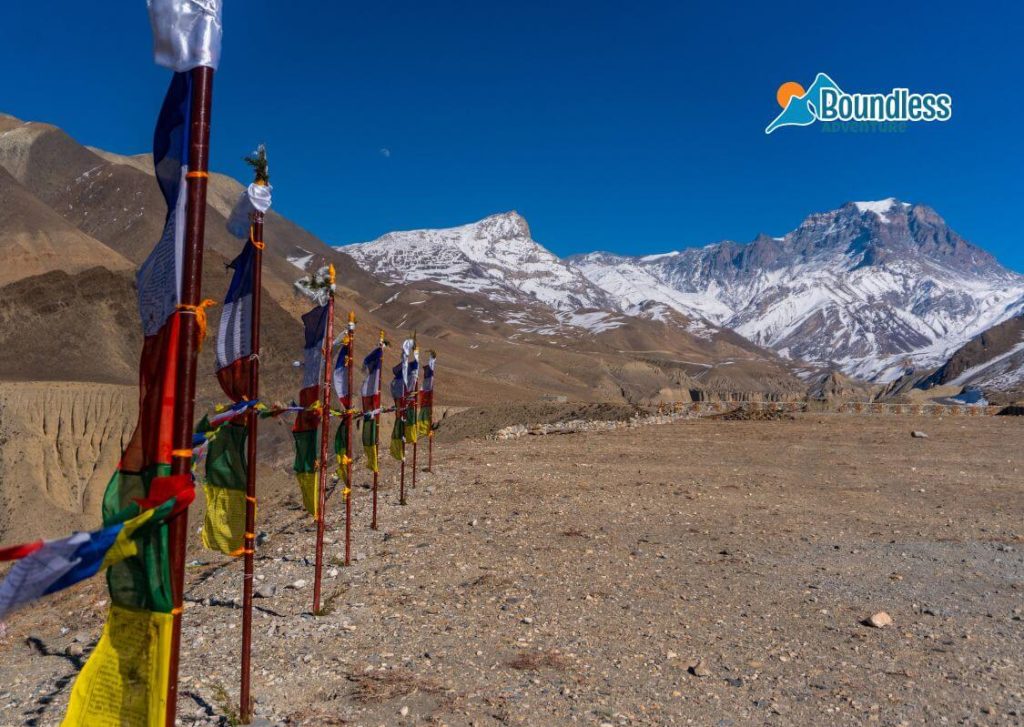
What Makes Mustang, Nepal So Special?
You may be thinking: why is it such a special place, Mustang Valley? Sure, the views are stunning, but there’s much more in Mustang than these superficial attractions. So, let’s get into the real treasure that makes this place so magical.
A Rich History and Culture That’s Just Waiting to Be Discovered
Mustang, for many centuries, remained an independent kingdom until it was constituted part of Nepal in the 18th century. During those times of being a kingdom, Mustang came to be a hub for trade and culture between Nepal and Tibet, and that makes up for the unique mixture of Tibetan and Nepali influences that surround it in current Mustang.
In Mustang, the streets are lined with ancient monasteries, centuries-old fortresses, and cave dwellings that date back over 2,000 years. If you love history and want to see what life was like hundreds of years ago, Mustang is the place to be.
The Forbidden Kingdom: A Glimpse into the Past
Why is Mustang called the “Forbidden Kingdom”? Well, up until 1992, it was completely off-limits to outsiders. This isolation helped preserve its culture, architecture, and way of life in a way that’s hard to find in many other parts of the world today.
The capital of the ancient kingdom, Lo Manthang, is a walled city that’s home to monasteries, palaces, and traditional Tibetan homes. When you walk through its small alleyways, it’s almost as if you’ve stepped back in time to when monarchs, warriors, and monks formed the landscape.
Read ➡️ Kingdom of Lo in Nepal
Stunning Landscapes and Adventurous Treks
You’ll find that Mustang Valley looks unlike any other place because of its beautiful surroundings. Mustang’s natural beauty appears in its green valleys and in the arid regions as well.
Not to be overlooked are the majestic Annapurna and Dhaulagiri mountain ranges, which offer an amazing backdrop for your travels. Mustang is a dreamer’s paradise for people with an adventurer’s soul. Hiking is the most typical way of viewing the valley, and Mustang is along the Annapurna Circuit Trek.
How to Travel to Nepal Mustang Valley?
Compared to other destinations, Mustang Valley requires a little more planning. You can travel to Nepal Mustang Valley via jeep, trekking, or helicopter! We have listed our package down below.
Which is The Best Time to Visit Mustang Valley?
When’s the best time to go to Mustang? It’s important to schedule your journey during the appropriate season because the valley’s weather might change suddenly.
Spring (March to May) and Autumn (September to November) are the best times to visit Mustang Valley. During these months, you’ll get clear skies, pleasant temperatures, and stunning views of the surrounding mountains.
How to Get to Mustang Valley?
Getting to Mustang is an adventure on its own! Most travelers start by flying into Pokhara — a lively city known as the gateway to the Annapurna region. From there, you’ll catch a short domestic flight to Jomsom, the main town in the Mustang Valley. Once you arrive in Jomsom, you can either hop in a jeep or lace up your boots and begin your trek through this stunning region.
If you’re planning a trip to Mustang, Boundless Adventure can help you make it happen!
What Are The Permits You’ll Need to Travel to Mustang Valley, Nepal?
Before you head off to explore the enchanting Mustang Valley, there are a few important Nepal travel permits you’ll need to sort out. Since Upper Mustang is a restricted area, all foreign travelers are required to have the following:
- Restricted Area Permit (RAP): This special permit is a must for anyone visiting Upper Mustang. You can only get this permit through a registered trekking agency in Kathmandu, and solo trekking isn’t allowed — you must be accompanied by a licensed guide.
- Annapurna Conservation Area Permit (ACAP): As Mustang falls within the Annapurna Conservation Area, you’ll also need an ACAP. It’s easily available through trekking agencies or at the Nepal Tourism Board office.
- TIMS Card (Trekkers’ Information Management System): While not always required for Upper Mustang if you have a RAP, it might still be needed if you pass through Lower Mustang. It helps ensure trekker safety and tracking.
If you’re a Nepali citizen, you don’t need these permits to travel to Mustang. Just carry a valid citizenship ID, as there may be checkpoints along the way.
If you’re only visiting Lower Mustang — areas like Jomsom or Muktinath — you won’t need the Restricted Area Permit. In that case, just the ACAP and possibly a TIMS card will be enough.
Sorting permits and hiring a guide may feel like a lot of work, but it’s all part of the experience where a good guide doesn’t just show you the way but brings you the rich culture and history along with the lay of the land.
Do you need help sorting out your permits and planning your trip? Reach out to Boundless Adventures.
Must-See Attractions in Mustang Valley
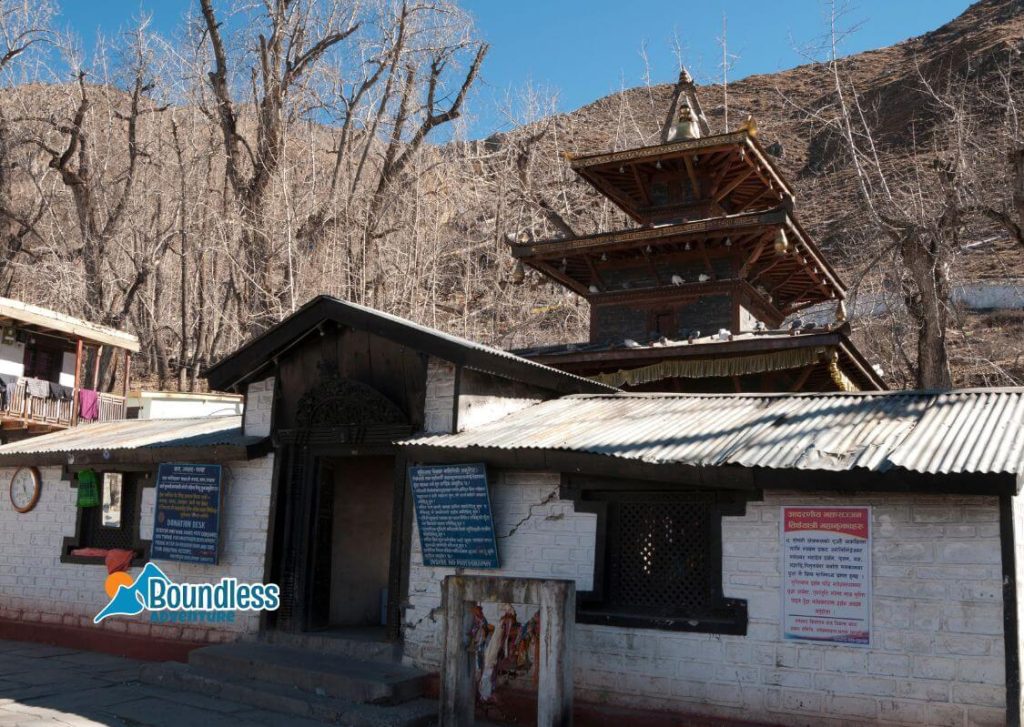
Mustang Valley, also referred to as the “Forbidden Kingdom of Nepal,” combines stunning scenery with a rich past. When you start your Mustang Valley travel trip, these must-see sights must definitely be on your list, whether you plan to trek across the valley or simply take in the environment.
Read ➡️ Places to Visit in Jomsom, Mustang
Lo Manthang
Lo Manthang is the headquarters of Upper Mustang which is walled town and well known due to its monasteries belonging to Tibetan Buddhists, historical buildings, and thriving cultural lifestyle. It features the King’s Palace and location best suited for familiarizing one with the unorthodox life of Mustang.
Muktinath Temple
Muktinath Temple, also located in Mustang, is a holy shrine for Hindus and Buddhists. It is situated beneath the foot of the Himalayas. It is one of the holiest pilgrims’ places, with heavenly landscapes and serene atmosphere that welcomes tourists around the globe.
Read ➡️ HOW TO REACH MUKTINATH FROM MUSTANG NEPAL (TRAVEL GUIDE)
Tiji Festival
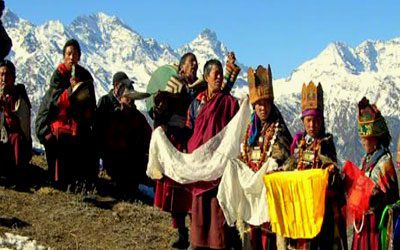
The Tiji Festival celebrated every year in Lo Manthang is a vibrant representation of Mustang’s culture. This three-day festival features traditional dances, music, and ceremonies that symbolize the victory of good over evil.
Chhoser Cave
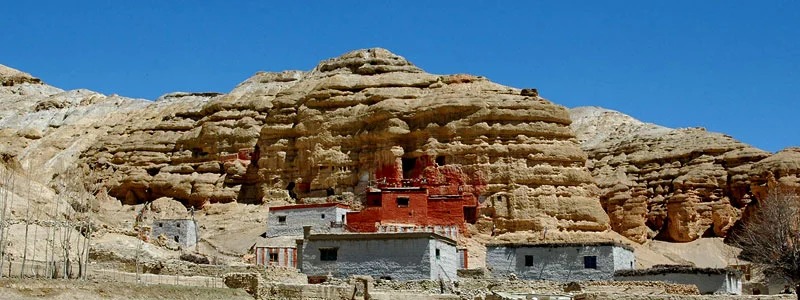
The Chhoser Cave complex in Upper Mustang features ancient Buddhist shrines and caves. The caves, which were hacked out of the rocks some nine centuries ago, give us a glimpse into the history and culture of the land that is unparalleled.
Kali Gandaki Gorge
Kali Gandaki Gorge, the world’s deepest gorge, offers breathtaking views of the surrounding Himalayan ranges. Walking along the gorge is an experience in itself, with landscapes around every turn.
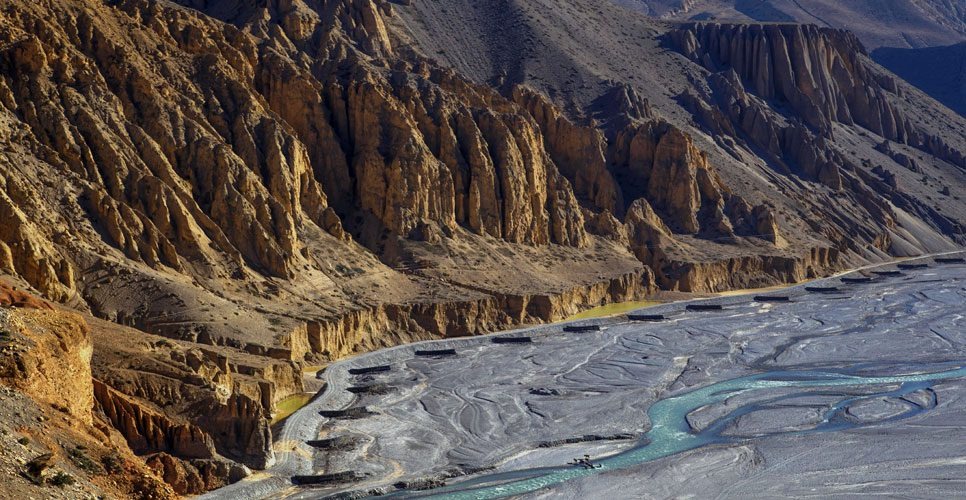
Ghar Gompa (Monastery)
Ghar Gompa is one of the oldest monasteries in Mustang and a treasure of history. It is renowned for its ancient murals, religious relics, and peaceful surroundings, thereby earning its place as a must-see for spiritual travelers and historians alike.
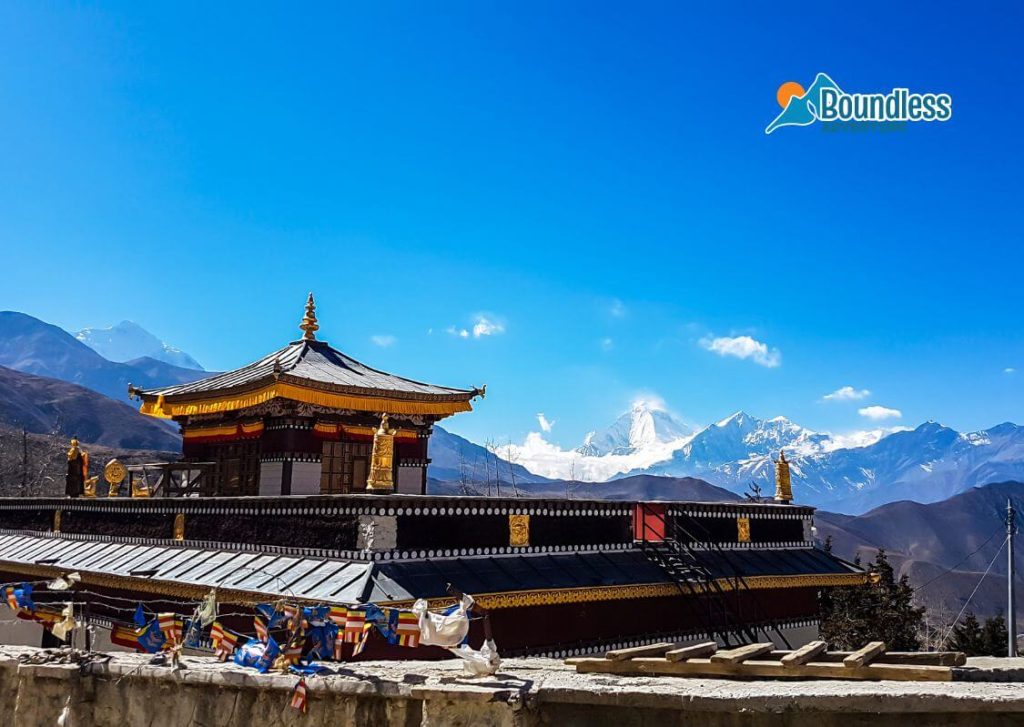
The Forbidden Kingdom Nepal: A Journey into the Past
When you visit Mustang, you’re not visiting a place – you’re stepping into a history book. Forbidden Kingdom is a moment stuck in time. Lo Manthang’s walled city takes you back to the earlier days in its ancient palaces, monasteries, and lovely Tibetan-style buildings.
One of the most fascinating aspects of Mustang’s history is that it was a trade route between Nepal and Tibet. This region has been full of merchants, monks, and kings for over three centuries. And even though Mustang was off-limits, it held onto much of its spiritual and cultural heritage.
Apart from its sacred monuments, the Tiji Festival provides travelers a chance to view the high levels of Mustang residents’ spirituality. The festival is annually performed in remembrance of the victory over evil by goodness through divine dances and spiritual ceremonies. Should you be in their area when it is happening, it is an experience you shall never forget.
Sustainable Travel in the Forbidden Kingdom: How to Respect Mustang’s Heritage
When you enter Mustang, you’re not just walking into a landscape — you’re stepping into a living, breathing museum of Tibetan culture and Himalayan nature. And because this land has been preserved for so long, it deserves our utmost respect as visitors. That’s why traveling sustainably in Mustang isn’t just a trendy buzzword — it’s a responsibility.
Choose Local, Stay Local
A great way to assist Mustang’s economy is to use local teahouses, guides, and porters. Being performers, these artists share traditions, look after customs, and are very important in their villages. Local accommodation options let you give money to the families who continue the culture.
Pack Light, But Pack Right
It’s tempting to pack everything “just in case,” but Mustang’s remote environment means every piece of waste matters. Stick to reusable water bottles, biodegradable toiletries, and a zero-waste mindset. Avoid single-use plastics — there’s no waste disposal infrastructure up here like in the cities.
Respect Sacred Spaces
You’ll pass countless monasteries, mani walls, and prayer flags along your journey. Always walk clockwise around religious monuments, ask before taking photos of monks or rituals, and remove your shoes before entering gompas (monasteries). A small act of respect here goes a long way in showing that you’re not just a tourist — you’re a guest.
Tread Lightly — Literally
Trails in Mustang are fragile, and some parts are prone to erosion. Stick to designated paths, especially in desert-like zones where footsteps can last for years. Don’t disturb the unique flora or stack rocks — what seems like harmless fun can damage centuries-old structures or disrupt prayer cairns.
Give, But Don’t Disrupt
It’s natural to want to give back. But handing out money or sweets to children can unintentionally cause more harm than good. Instead, donate to schools, community centers, or NGOs working directly in the area. Better yet, engage with the community — a shared story or smile can be the most meaningful exchange.
Traveling sustainably in Mustang isn’t about perfection — it’s about intention. When we walk slowly, ask questions, and leave no trace, we allow Mustang to remain the untouched wonder that it is. And as someone who’s seen its magic firsthand, trust me — the slower and more mindful your journey, the deeper it stays with you.
Mustang Travel in 2025-2026: What’s New, What’s Changing?
If you’re planning to explore Mustang in 2025, here’s what you should know — from permit tweaks to travel infrastructure and upcoming cultural events.
Updated Road Access & Flight Routes
Over the past few years, driving on roads has become a lot more comfortable. It is now much easier to drive on the Jeep track to Lo Manthang during the dry times of year. Though people who want an unfiltered experience say it isn’t genuine, people who need less challenge appreciate this method.
A lot more flights operate between the two destinations (when the weather is good), but remember that it’s best to book ahead during the busiest times.
Permit Monitoring Is Getting Stricter
Due to increasing footfall, authorities have upped their enforcement of the Restricted Area Permit (RAP) and guide regulations. Now, expect more checkpoints along the trail. Always carry your permits, and make sure your guide is licensed.
2025-2026 Tiji Festival Dates
If going to the Tiji Festival in Mustang is your dream, you should mark your calendar in advance. It is anticipated that in 2025, the festival will happen on from May 22nd to 24th. Still, you should remember that the dates are tied to the Tibetan calendar and sometimes differ. All in all, May is the special month. Remember to book an accommodation in Lo Manthang ahead of time as the hotel rooms are always full during this celebration.
Looking ahead to 2026, the Tiji Festival will likely be held around May 11th to 13th. Again, it depends on the lunar cycle, so final confirmation usually comes a bit closer to the event. If you’re planning your Mustang adventure around the festival, those mid-May dates are a good bet.
Whether you go in 2025 or 2026, witnessing Tiji is something else — the kind of journey that stays with you long after the trail ends. The colors, the chants, the rhythm of the dances echoing off ancient palace walls, it’s like stepping into a living legend.
Digital Detox & Wellness Treks in Mustang
In a world constantly buzzing with notifications and screens, Mustang Valley offers something rare — silence. No endless scrolling, no FOMO — just you, the wind, the cliffs, and the sacred chants echoing from distant monasteries.
Many travelers now seek wellness treks through Mustang — slow-paced, mindful journeys that combine light hiking, yoga, meditation, and time in nature. Local homestays and teahouses often double as peaceful retreats, where you can sip yak butter tea by candlelight and reflect beneath star-drenched skies.
Upper Mustang, in particular, is a haven for digital detox — mobile signal is patchy, and that’s actually the point. It’s the kind of place that invites deep rest, reconnection, and clarity. Whether you’re hiking to ancient caves or just watching prayer flags flutter in the wind, Mustang nourishes more than your bucket list — it feeds your soul.
Mustang Valley After the COVID Era: Tourism Recovery and Local Resilience
Mustang was hit hard during the pandemic. Closed borders meant entire communities dependent on trekking tourism were suddenly cut off. But in true Himalayan spirit, the locals adapted — planting more crops, restoring ancient structures, and leaning into their self-sufficient way of life.
Now, post-COVID, Mustang is reopening slowly and mindfully. Many guesthouses and trekking operators (like Boundless Adventure) are focusing on sustainable tourism, making sure travelers not only visit but support the valley’s culture, economy, and environment.
You’ll notice cleaner trails, better waste management, and a strong emphasis on community-based travel. Locals are more involved than ever — from running eco-lodges to sharing oral histories passed down through generations. Traveling here in 2025 means not just exploring a landscape, but becoming part of a shared recovery story — one rooted in resilience, heritage, and hope.
Summing Up
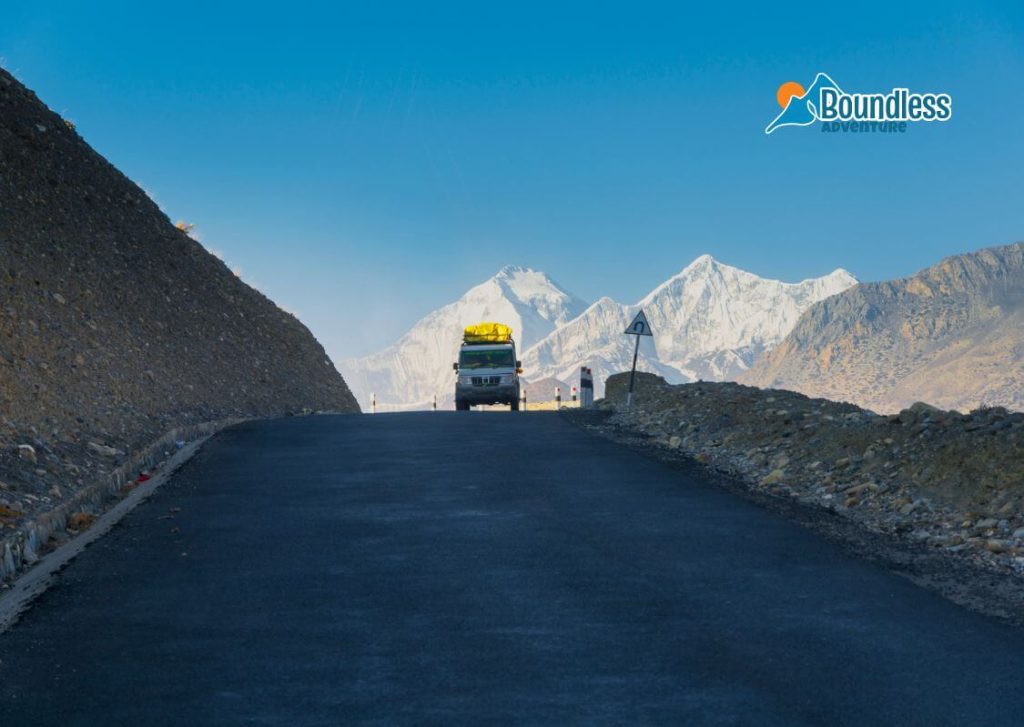
Whether a history buff, nature lover, or someone simply seeking a life-altering journey, Mustang Valley has it all. From the well-preserved walled city of Lo Manthang to stunning Himalayan vistas, there’s no end of amazing sights and activities to be had. If you’re prepared for a trip that will transport you back in time and into the center of Nepal’s cultural past, then Mustang Valley is calling your name.
Don’t wait! Start the first stage of your adventure in the enchanting Forbidden Kingdom of Mustang. Speak with us at Boundless Adventure to find out the tips and advice you need for your travel arrangement. We will ensure that your trekking adventure comes true in reality.
Most Asked Questions by Travellers
Is Mustang Valley safe for tourists?
Yes, Mustang Valley is considered very safe for travelers. It’s a restricted area, which means you can’t just wander in — you need a special permit and must be accompanied by a licensed guide. That regulation helps control tourism and protect local culture, but it also ensures safety. Locals are welcoming, the crime rate is extremely low, and most trekking routes are well-managed. As long as you’re prepared for high altitude and remote terrain, Mustang is one of Nepal’s most secure and peaceful travel experiences.
What is the duration of a hike through Mustang Valley?
Most treks through Mustang Valley last between 10 to 14 days, depending on your route and pace. If you’re heading all the way to Lo Manthang and back, plan for closer to two weeks. Some itineraries start from Jomsom and loop through key villages, while others include side trips to hidden caves or high passes. The days are long, the terrain is dry and rugged, but the scenery — barren cliffs, ancient monasteries, and windswept plateaus — makes every step worth it.
What’s the altitude of Mustang Valley?
Mustang Valley sits at an elevation of roughly 3,000 to 4,000 meters (9,800 to 13,100 feet). Some villages, like Lo Manthang, are perched at around 3,800 meters, and certain high passes can push you even higher. Altitude sickness can be a concern, especially if you’re coming from lower elevations too quickly, so it’s important to acclimatize properly and hydrate often during your trek.
Can I travel to Mustang by jeep?
Yes, you can reach Mustang by jeep — at least part of the way. The road to Jomsom is now accessible by four-wheel-drive vehicles, and from there, jeeps can take you to places like Kagbeni or even close to Lo Manthang, depending on road conditions. That said, Mustang is best experienced on foot. Trekking lets you connect with the land, stop in local teahouses, and really take in the raw beauty of the valley. A jeep gets you there faster, but you’ll miss the slow-burn magic of the trail.
What is the Tiji Festival in Mustang?
The Tiji Festival is a three-day Tibetan Buddhist celebration held in Lo Manthang, usually in May. It tells the story of a mythic hero who saves Mustang from destruction, performed through ancient mask dances, chants, and rituals. Monks in crimson robes spin through the square, drums echo off the stone walls, and the entire town gathers to celebrate renewal and protection. It’s one of the most spiritually charged and visually stunning events in the Himalayas — an unforgettable experience for travelers lucky enough to be there.
Is trekking in Mustang worth it?
Yes! Trekking in Mustang feels like stepping back in time. The quiet trails, untouched nature, and rich traditions make it one of the most special places to explore in Nepal.