


How much does a trek in Nepal cost? Are you planning your next trip to Nepal and wondering how much it costs? You have come to the right place if you want this answer. We have covered all the necessary information on trek cost, factors influencing it, permit cost, and more.
Introduction to How Much Does a Trek in Nepal Cost
Trekking sounds like an expensive endeavor, but in reality, it's not when you are traveling to Nepal. Trekking in Nepal is economical and budget-friendly while still being adventurous. Depending on your preference, you can customize various trekking options from easy to moderate to strenuous.
Blessed with dramatic landscapes and exotic views of the Himalayas, many options are available for every trekker. Nepal allows trekking throughout the year. Every season offers a different experience and has its benefits, always providing something fresh and fascinating.
One of the world's most reasonably priced vacation spots is Nepal. This tiny nation has much to offer without burning a hole in your wallet. Nepal is one of the "21 Cheap Places to Travel in 2024," according to Conde Nast Traveler.
We can help if you are wondering how much money to budget for your trek in Nepal. We have gathered the most recent data regarding permits and the approximate expenses of lodging, food, transportation, and other necessities for your expedition.
Factors Influencing Cost
Several factors can influence the cost of trekking in Nepal.
- Permits and fees: Certain trekking areas require permits, whose costs vary by region and trek duration.
- Guide and Porter Fees: Hiring a guide and porter can add to the overall cost, but can enhance safety and convenience during the trek.
- Accommodation: Lodging options range from basic teahouse to more luxurious accommodations. The cost varies accordingly.
- Transportation: The cost of getting to and from the trekking region, whether by bus, plane, or other means, impacts the overall expenses.
- Food and Drinks: Meals and snacks along the trekking route can add up, especially in more remote areas where prices are higher.
- Season: Peak trekking seasons, such as Spring and autumn, often see higher prices due to increased demand for services.
- Duration and Route: The trek's length and difficulty, as well as the route's popularity, can affect costs.
- Currency Exchange Rates: Fluctuations in exchange rates can impact the cost of goods and services, especially for travelers exchanging foreign currency.
Seasonal Variations
Nepal's trekking costs can vary significantly with the seasons. When you travel to Nepal for trekking during the peak season, prices are higher than in the off-season. However, these variations can impact the prices depending on the season. So, let's get into it.
Permits:
Trekking Permit prices do not change across seasons. However, during peak seasons, permit availability, especially in restricted areas, may be limited, so be sure to book in advance and reserve your spot accordingly. There are two types of permits: a TIMS card for Trekkers and a Conservation Area permit. The Sagarmatha National Park permit is easier to obtain than the Kanchenjunga Conservation Area permit.
TIMS card: For foreign nationals, NRS 2,000 per person
TIMS card: For Indian nationals, it is INR 1500/- per person
No TIMS for Nepali nationals
The CAP permit fees are NRS 100 for Nepali nationals, NRS 3000 for SAARC nationals, and NRS 3,000 for foreign nationals.
Accommodation:
The price of accommodation increases significantly during peak seasons like Spring and Autumn. Hotels, lodges, and teahouses are overbooked during these seasons. Hence, there is no room for negotiations, and since many trekkers are willing to pay for the best services, the prices can get very high.
The price decreases during the off-season because demand for accommodation is low. Some hotels and tea houses are even closed during the off-season, but tea houses and lodges are always open in the main trekking destinations, such as the Annapurna Base Camp Trek and the Everest Base Camp Trek.
Services:
Due to increased demand, prices for services such as guides, porters, and transportation may rise slightly during peak season. However, there is little price disparity during the off-season, as the only difference is lower demand for their services.
Trekking Route and Duration
Trekking route and duration can also affect the cost of your adventure.
If you are heading towards the Everest Base Camp Trek or the Annapurna Circuit Trek, which are pretty popular and commercialized, then the permit costs of these treks are comparatively lower.
You have to pay the permit fee for the conservation area they are in, which is lower. On the other hand, more trekkers visit the popular trekking destination, increasing demand and raising prices.
It's important to note that the food, accommodation, and service costs are calculated on a daily basis for Nepali treks. Therefore, it's safe to say that longer treks are more expensive while shorter treks are relatively cheaper.
Accommodation Expenses
In Nepal, tea house treks are the norm in remote, high-altitude areas. There might be a few hotels and lodges in the town area, such as Namche Bazaar, but most homestays and tea houses are common accommodations.
Trekkers must stay in these tea houses during their journey. The prices of these tea houses vary by region and season. During peak season, cheaper rooms are scarce and unlikely to be available, while in the off-season, the same rooms can be availed at half the price.
The price of luxury hotels in some base camp treks ranges from $100 to $300 per night, while accommodation in tea houses in remote locations costs only $7 to $10 per person per day.
Food Expenses
Like accommodation, food and drinks are equally important factors when it comes to spending money. Buying and consuming healthy and hygienic food during your trek is essential. Being careless with food can lead to serious health issues that can halt your trek or even endanger your life.
In the lower altitudes, with many hotels and lodges, you will find a wide variety of food items; however, as you start reaching remote areas, the options become limited. Most hotels and teahouses' main dishes are local Nepali cuisine, including Dal (Lentils), Bhat (Rice), and Vegetable Curry.
Some places offer continental items such as Pizzas, Burgers, Dumplings, Spaghetti, Steak, and Soups. You can also get a variety of drinks, such as tea, coffee, energy drinks, and liquor, but we strongly suggest you stay away from alcohol. Alcohol is the main reason for dehydration, and at high altitudes, if you are dehydrated, you can be in serious trouble from altitude sickness.
In higher altitudes, food costs around $20 to $30, whereas drinks range from $2 to $5.
Transportation Expenses
The trek's transportation expenses depend on your mode of transportation. There are a few modes of transportation that you will use during your Nepal trekking adventure. If heading towards the EBC trek, you will either board a plane to Lukla or take a bus to Nepalgunj.
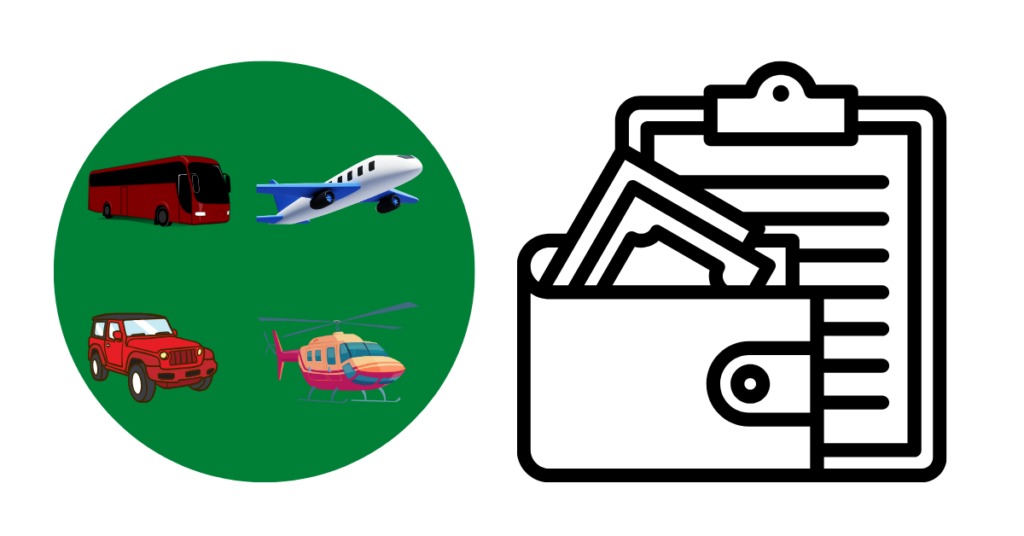
You can board a bus or private jeep to reach other trekking spots, such as the Annapurna or Manaslu Circuit Trek.
Bus Tickets:
Buses are one of the cheapest modes of transportation in Nepal. A bus ticket costs around $20 to $25 per person. However, bus transportation can be extremely long. If you want to reach the eastern side of Nepal, it can take more than 12 to 15 hours by bus, which can be uncomfortable.
Jeep Costs:
These Jeep rides are an upgrade from buses and take less time because they make fewer stops. The cost will depend on whether you choose a shared Jeep or a private Jeep. Remember that you can also share jeep rides with other groups, which will cost less overall. Private Jeep will cost significantly more than shared Jeep rides.
Hence, if you are in a group of only 2-3 people, it is wise to share a jeep ride, but if you are in a group of 5-6 or more people, hiring a private jeep and sharing the cost among everyone is a wise choice.
Domestic Flights:
Domestic Flights are the most expensive mode of transport in Nepal. If you don't mind spending money to make your travel comfortable and private, flights are the way to go. Boarding flights also saves time; you can choose from many excellent airports and planes.
Helicopter Cost:
In some Nepalese trekking cases, you can also board a helicopter. The helicopter tour usually comes with a luxury trek package, which naturally makes it more expensive than other modes of transport. You may travel to Everest Base Camp from Kathmandu by helicopter in 3 hours. The cost changes every year.
Equipment and Gear Costs
Gear and equipment are not needed for every kind of trek. For example, you don't need much gear and equipment on treks, where you will stay in lodges and tea houses. However, if you are traveling to a trek like the Kanchenjunga region, where you need to camp and set up tents, some gear is necessary.
You have two options for spending money on gear and equipment. The first one is buying them. You can buy an original product, which is much more expensive than the cheaper knock-off versions.
On the other hand, you can also rent gear and equipment during your trek. Renting gear is way cheaper than buying it. Since you only need these gears and equipment for a few weeks, we advise renting them.
You can buy or rent gear at shops like Kathmandu, Pokhara, Namche Bazaar, etc.
Unexpected Expenses and Continuous Planning
Beyond the most common trekking costs, there are a few unexpected or hidden costs you need to plan for. One of them is the cost of guides and porters. You can hire them from any trekking company in Nepal, and you will pay their day-to-day wages. However, to thank them for their services, you can also pay them an extra tip, which is entirely up to you.

Rewarding their services with extra tips is a way to show appreciation and will slightly boost their economic condition. Hence, it is essential to plan your trekking budget continuously, even before or during your trek.
Budgeting Tips and Strategies
Budgeting does not restrict your ability to have fun; it is a way to enjoy your trek fully without going overboard with expenses. If you budget your trek accordingly, you will save on unnecessary costs and enjoy it even more.
Here are a few ways of budgeting your trek
Setting a Realistic Budget
Before fully tracking numbers and putting them before your budget, it is wise to step back and think briefly. Is this your dream vacation, or do you want to save for an even bigger adventure? If this trek is what you have been looking forward to for a whole year, then you don't have to go overboard with saving; you can be flexible with your spending.
Set a realistic budget for the trek. Do not cheap out on everything that will ruin all the fun. On the flip side, do not spend on every item, gift, food, etc. It prioritizes wants and needs by setting a realistic budget beforehand.
Cost-cutting Measures
There are a few cost-cutting strategies that can help you avoid unnecessary expenses.
- Trekking during the shoulder or off-season is one way to save some extra bucks. The prices for food, accommodation, local guides, and porters are lower because demand is low and they are looking for business during the off-season.
- Budget Accommodation is the way to live during your trek. Spending unnecessary cash on fancy hotels and restaurants is not ideal if you are looking to complete your trek on a budget.
- Using public transportation can save you money considerably. You can travel by local buses, which might take longer to reach and are less comfortable than other modes of transport, but they are way cheaper. Sharing jeeps or cars is also a way to reduce costs during your trek.
Conclusion
Hence, understanding how much a trek in Nepal costs is a critical piece of information every trekking guide should know. If you are a beginner and don't know anything about the cost of accommodation, food, or transportation during your trek, there is a high chance you might overspend beyond your budget.
It is also essential to understand that costs vary according to region. Some items in the Everest region might be more expensive than in restricted areas such as the Manaslu Circuit or the Kanchenjunga Base Camp Trek. So, plan beforehand, differentiate between your wants and needs, and spend your budget accordingly.
We hope you will find our little list helpful. If you want to hike or trek in Nepal, Boundless Adventures is here to help. For booking or any inquiries, you can contact us anytime!