


As one of the most thrilling adventures ever, training for the Everest Base Camp trek is very important. Hundreds of climbers take up this challenging course every year, but many need to realize how physically demanding it is.
With proper training, exhaustion and discomfort can be part of the experience of reaching Everest Base Camp, with its breathtaking views and sense of accomplishment. Just imagine struggling to keep up with your group, feeling unwell, or even having to turn back when you're so close to the majestic peaks.
The Everest Region Trek is one of the most iconic trekking routes in the world. It offers breathtaking views and a chance to experience the unique culture of the Sherpa people. This trek typically takes about 12 to 14 days and covers approximately 130 kilometers (81 miles) round-trip, starting from Lukla and leading to the base camp of the world's highest peak, Mount Everest.
The Everest Base Camp Trek is generally considered the Annapurna Base Camp Trek due to its higher altitude of 5,364 meters, which increases the risk of altitude sickness and involves more rugged terrain.
This article will address these challenges by providing an Everest Base Camp training program tailored to the trek's activities. Regardless of your concerns about the cost of the trek or the safety of Everest Base Camp for beginners, this guide will explain the required fitness levels and training methods.
Understanding the Challenges of the EBC Trek
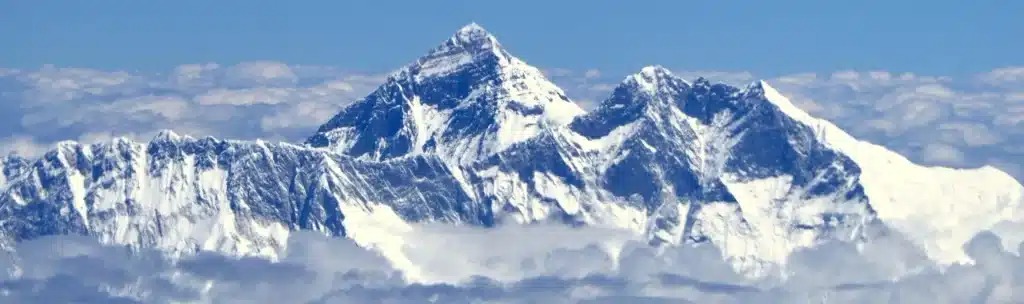
Even before exploring EBC-arranged procedures, it is essential to consider the specific challenges the outing will pose. Understanding the difficulty of the Everest Base Camp trek helps you tailor your preparation and plan for the trip's physical and mental challenges.
High Altitude
- The oxygen content of the surrounding air decreases with every further step, making breathing increasingly difficult.
- As one ascends higher, height-related affliction—including wooziness, nausea, and brain pains—becomes nearly inevitable, making it difficult to appreciate the journey's worth.
- Decreased atmospheric oxygen levels lead to psychomotor degradation over shorter periods, resulting in fatigue.
- In this case, the recovery time after training exercises increases, and one becomes more exhausted for a more extended period and hardly recovers within a single day.
Recommended Read: Where is Mount Everest Located?
Trek Duration
- A prolonged hike lasting more than two weeks, with walking durations of 6–8 hours daily, may exhaust you in the long run, as it requires great mental and physical endurance.
- Walking for a few hours daily on varied slopes consistently puts pressure on the muscles and joints, causing aches and exhaustion.
- This means that after several days of such efforts, a great deal of physical reversibility becomes impossible, causing muscle strain that makes it difficult to proceed further every other day.
- As the intervals between water activities shorten, the body doesn't have enough time to recover fully. Hence, exhaustion begins to build as you continue hiking.
Terrain
- The rough, irregular paths make it difficult to maintain balance, so the user must exert more effort at every step and concentrate more to avoid tripping.
- The action of climbing up an elevated plane extends leverage to the legs and knees. Consequently, the stretch of climbing slopes becomes a genuine physical and psychological challenge.
- Going down steep slopes can be equally intimidating, especially for the knees and the stairs, because each downward step shocks the joints.
- Traversing rugged terrain can be dangerous due to loose gravel and rocks, which may cause twisted ankles and other accidents.
Weather Conditions
- When temperatures drop, particularly at higher elevations, energy and warmth are lost more quickly, especially during long trekking periods.
- The cold air around us intensifies the chill, which can result in a loss of endurance and composure.
- The presence of snow and its accompanying ice makes the surface uneven and especially difficult for one's equilibrium, thus increasing the chances of slips and falls.
- The weather, especially in the mountains, changes very quickly, which is dangerous for trekkers because it may rain, snow, or blow in strong winds in no time, making the trek even harder.
Even though the journey doesn't call for mountaineering abilities, you must be fit. Let's discuss the vital aspects of fitness.
How Fit Do You Need to Be for Everest Base Camp?
Fitness levels are essential in determining the satisfaction one is likely to have while trekking to Everest Base Camp. The trek, however, does not require technical climbing but physical fitness.
Now, let us start with the critical components of fitness and look at how fit you ought to be to prepare for Everest Base Camp:
Cardiovascular Endurance
Your heart and lungs must work overtime to pump oxygen into your muscles, especially when going uphill. The fitter your cardiovascular system is, the less likely you are to get short of breath and tired. Running, swimming, and cycling can develop these types of endurance.
Strength and Stamina
Your legs, back, and core will be engaged on the trail while climbing and traversing rocky terrain and steep inclines. Carrying a backpack and walking for most of the day requires sustained effort, so the lower body will also need muscular strength and endurance, which can be enhanced by practicing squats, lunges, deadlifts, and other strength-training exercises.
Mental Resilience
Reaching Everest Base Camp on foot is not only a physical test of endurance but also a test of one's mental strength. Exhaustion will set in, there is a chance of altitude sickness, and the weather will change. Mental toughness helps motivate oneself even on hard, tough days. It is also basic endurance training—the mental kind.
Acclimatization Ability
Proper physical preparation can help you adapt to the thin air more effectively, yet rest days during the trek are equally essential to avoid altitude sickness. First, it is helpful to understand how one's body will react to altitude and to build endurance by practicing hikes at lower, moderate elevations.
By including these components of physical fitness in your Everest base camp training program, you will be better equipped to handle the psychological and physical challenges this expedition presents.
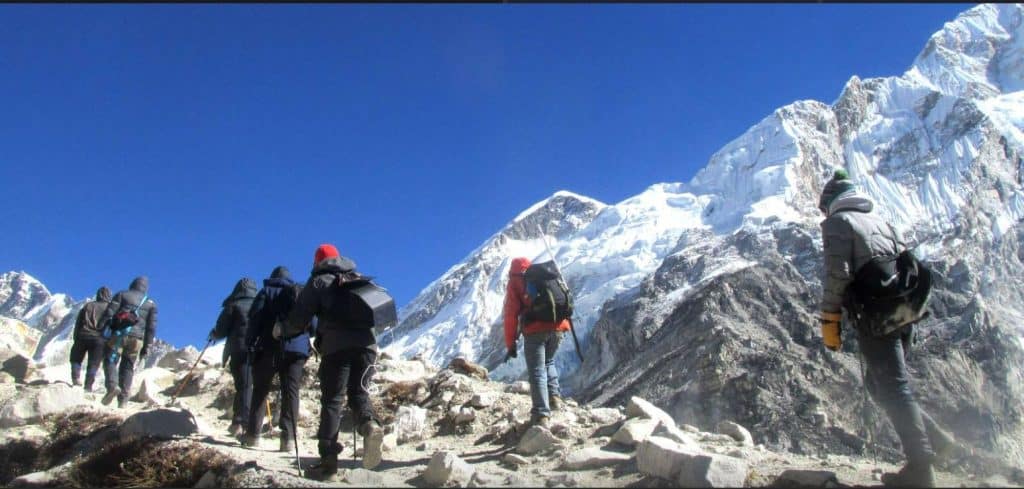
What is the Common Fitness Level that You Need For the EBC Trek?
The Everest Base Camp trek is not a walk in the park. But it is not reserved for extreme athletes either. If you are moderately active. You have decent stamina and are willing to put in some focused training; you're already halfway there. The key is consistency, not perfection.
That said, this is a trek where your cardiovascular endurance, leg strength, and mental resilience will be put to the test — especially at higher altitudes where your body has to work harder for every step.
Here's a realistic snapshot of the fitness level you'll need:
- You should be able to walk 10–15 km a day, preferably over uneven ground and inclines, without feeling completely exhausted.
- Climbing stairs without losing your breath is a great benchmark. If you can do several flights with a daypack, you're on track.
- Back-to-back activity matters. The trek involves hiking multiple days in a row, so your body needs to recover well overnight.
- Carrying a pack shouldn't feel like a burden. You'll need to manage 6–8kg comfortably, especially on long, steep sections.
- Mental readiness is important. You will face cold in the early mornings and occasional rough patches. A resilient mindset keeps you going when your legs want to quit.
The Ultimate Question: How to Train for the Everest Base Camp Trek?
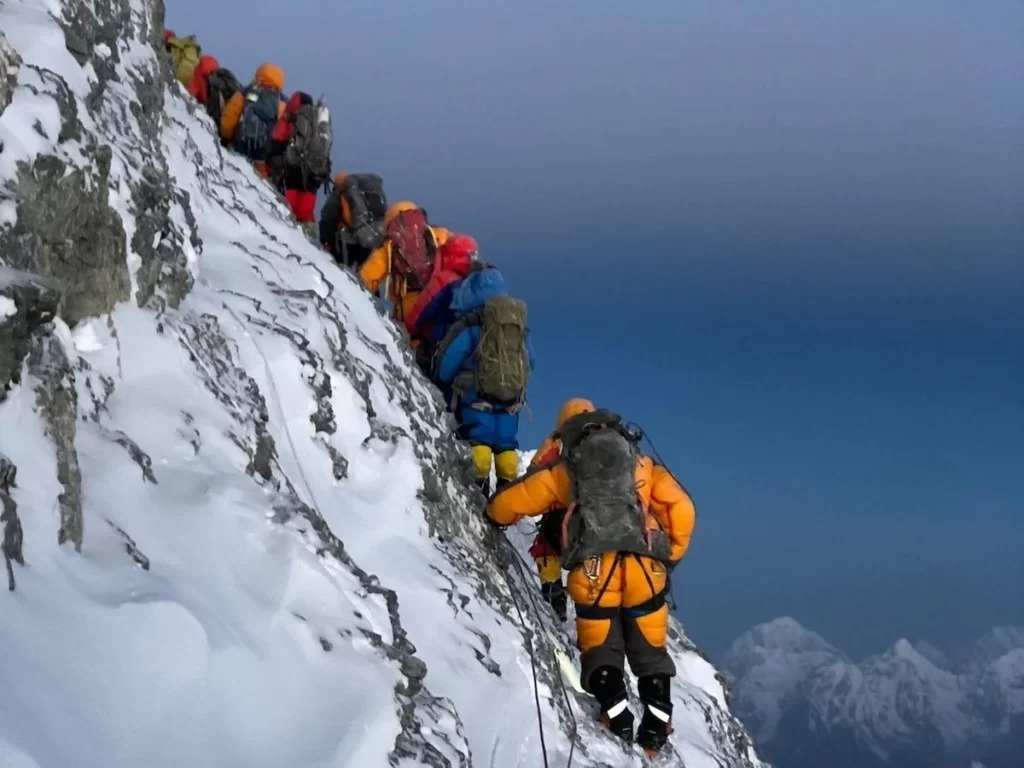
Assembling your backpack for the Everest Base Camp trek requires a lot of effort, as it demands both physical and psychological preparation. This plan focuses on cardiovascular endurance, strengthening, improving hiking skills, flexibility, and recovery.
Knowing how to train for the Everest Base Camp Trek is essential to ensuring you're fully equipped for this adventure.
Cardiovascular Training
Frequency:
Attempt to fit in cardio exercises 3 to 5 times each week. Staying aware of this routine is critical to building your endurance, which you'll need to sustain through those long, testing days on the Everest Base Camp journey.
Activities for Cardiovascular Training
- Running
- Cycling
- Swimming
- Hiking
- Jump Rope
Progression for Cardiovascular Training
Duration:
Begin with modest exercise meetings of 30 minutes and move toward an hour, then some. As perseverance grows, attempt to lengthen exercises to prepare the body for the long hours of travel experienced during the Everest Base Camp trek.
Intensity Variations:
First, participate in moderate exercise to establish a base, then move on to stretching preparation. This strategy involves replacing high-intensity exercises (like running or fast cycling) with low-intensity exercises, such as rest. For instance, you can run for 30 seconds, then run or stroll to cool off for 1 to 2 minutes.
Frequency Adjustments:
If you train three days a week at first, gradually increase it to five days a week in two or three weeks. Rest from training to help your body cope and adapt to the increased capacity. Such an approach will help avoid burnout and reduce the risk of injury.
Include other activities:
Incorporate different forms of cardiovascular exercises weekly to help you enjoy your workout plan and work out various muscle groups. For instance, instead of running all the time, you can do running, cycling, swimming, and hiking. This improves your physical condition and prepares you for the demands of the Everest Base Camp trek, which features varied terrain.
Do you want to receive customized training tips? We encourage you to register for our unique Everest Base Camp training program now! Contact Us to register!
Strength Training
Frequency:
Resistance preparation is suggested 2 or 3 times per week. This will help build muscle strength, which is essential when carrying a backpack and navigating rough terrain during the Everest Base Camp journey.
Focus Areas:
Include activities that target major muscle groups such as the legs, core, and arms. First, additional leg power is needed when climbing a steep path. Second, maintaining an upright wrist position due to core stability will be beneficial when hiking long distances. Third, how upper-body physical fitness affects the movement of the rucksack and body.
Key Exercises:
- Squats
- Lunges
- Planks
- Push-ups
- Deadlifts
Progression for Strength Training
Start Slow:
Try not to rush. Begin with a couple of loads and practice each method and structure accurately. This, nonetheless, reduces the risk of injury and helps engage the proper muscle groups.
Gradual Increases:
When one is already at ease performing the movements, increasing weight or resistance by 5-10% is prudent when performing the suggested repetitions' upper limits. This stepwise technique enables the muscles to adapt rather than strain them.
Periodization:
Use a periodization approach to training, with phases or periods and cyclical training of different orthogenetic features. For example, it will be a significant burden, low redundancies (4-8 reps) for specific weeks, light loads, high repetitions, and aerobic exercise for quite a long time.
Track Your Progress:
Use a training log, diary, or app to track your workouts, weights, and volumes. Checking your progress has benefits, as it makes you mindful of changes and accomplishments, which rouse you.
Listen to Your Body:
Be mindful of your body's reaction when you decide to increase the intensity of the workouts. When you feel excessive tiredness or pain, you should pull out and pause to recuperate. Muscle recovery does not occur during exercise but rather on rest days.
Professional Guidance:
If you aren't confident in your posture without implementing training aids or advancing your fitness goals safely, you may consider hiring a personal trainer. They can provide one-on-one coaching and help build a program.
Hiking Practice
Frequency
Add one or two long weekly hikes to gradually develop your endurance and prepare yourself for the real hike. Start with shorter, more accessible distances and gradually increase them over time.
Activities
Trail Selection:
Find local trails that replicate EBC conditions, featuring hill climbs, rocky paths, and diverse terrain. This exposure will help condition your body for the challenges you will face during the trek.
Backpack Training:
During your practice hikes, wear a backpack mimicking the weight you will carry while trekking (approximately 15–25% of your body weight). New backpack users should begin with lighter loads, or no pack, and add more weight to the less burdened hiker as they improve.
Progression of Hiking Practice
Increase Distance:
To begin with, take short walks of at least 5 to 8 kilometers (about 3 to 5 miles). For longer walks, however, the preferred distance increases to about 15 kilometers or more over time. This will constitute part of your training.
Weight Adjustment:
Carry a lighter rucksack, say 5-10 kg (11-22 lbs), and then increase the load to 10-15 kg (22-33 lbs) as you strengthen and get used to it. Include at least one loaded weekly hike to fully replicate the trekking experience.
Flexibility and Recovery
Frequency
Include 2-3 days a week when you practice stretching or yoga exercises. This further develops your range of movement or adaptability, balances the body uniformly, and forestalls wounds. When adjusted, such measures improve your overall actual groundwork for the journey.
Activities
If you can hike rolling hills for a few hours while carrying a backpack that weighs 15–25% of your body weight, you're likely ready for the trek. Start training a few months in advance to build endurance and strengthen the specific muscles needed for the journey.
Dynamic Stretching:
Firstly, dynamic stretches help you engage and prepare your muscles for the physical activity ahead. While doing so, pay close attention to leg swings, arm circles, and hip openers to promote circulation and flexibility.
Static Stretching:
Include static stretching programs for major muscles and muscle groups, such as the hamstrings, quadriceps, calves, and back. Each stretch should be held for 20 to 30 seconds.
Yoga Practice:
Participate in classes or follow videos oriented to yoga exercises such as downward dog, pigeon pose, or one of the warrior poses, which aim to increase flexibility and core stability.
Progression of Flexibility and Recovery
Increase Intensity:
As you get better at the activity, here are suggestions for extending your stretching from 30 minutes to 45 minutes or for adding other, more relaxing challenges to stretch your flexibility further
Explore New Techniques:
Explore more challenging yoga asanas or deeper stretches that suit your physique and improve your flexibility.
Active Recovery Days:
Implement days of active rest in which light exercises such as strolling, simple yoga poses, or swimming are practiced.
Acclimatization Training
Acclimatization is critical when trekking to Everest Base Camp, which sits at 5,364 meters. Proper training helps your body adjust to the high altitude.
Frequency
Make plans to participate in end-to-end 1-2 acclimatization hikes every month, preferably on Saturdays or Sundays, that mimic the high-altitude conditions you will encounter on the Everest Base Camp trek. This practice enables your body to acclimate to thin air.
Activities
Local Mountain Hikes:
Look for local hiking trails or mountains where you can reach an elevation of 3,000 m (9,843 ft) or higher. These hikes should take 4-6 hours and include an elevation change to stress your system.
Altitude Simulation:
If hiking at high altitudes is impossible, doing some exercises with altitude-training masks would be a good alternative. These masks help recreate low-oxygen conditions, allowing your body to adapt to high altitudes even when training at low elevations.
Stay Hydrated:
During your acclimatization hikes, you should also prepare for high-altitude trekking by drinking plenty of water and electrolyte drinks, with particular emphasis on hydration.
Progression of Acclimatization Training
Gradual Increase in Elevation:
Join the journey at lower elevations and progressively take on higher ones by pushing your limits on every hike, while giving your body time to adjust. So, for instance, in your training, try to incorporate at least one walk at an altitude on par with that of the EBC trek, approximately 5,364 meters above sea level.
Overnight Trips:
Plan overnight camping trips at higher altitudes to acclimate your body. These trips should include factors such as sleeping out and limited oxygen. Such an experience will get you ready for the trek ahead.
Monitor Symptoms:
Be observant of how your body responds during such hikes. Look for signs of altitude sickness, such as headaches or dizziness, and if they appear, address them, e.g., by moving to a lower altitude.
Why is EBC Trek Training so Important?
Training for the Everest Base Camp trek isn't just about getting in shape. It's about preparing your body and mind for one of the most physically demanding journeys you'll ever take. You will go through steep terrain and high altitudes. The oxygen is scarce, and fatigue sets in fast. If you're not prepared, you will not enjoy the trek to the fullest.
Here's the reason why you should take training seriously:
- You will Cope Better with Altitude: At 5,364 meters, the air has less oxygen. A strong cardiovascular system can help you adjust more smoothly and reduce the risk of altitude sickness.
- The terrain is no Joke: The EBC trail includes steep ascents, rocky paths, and uneven steps. Training improves your balance, stability, and leg strength — all essential for injury-free trekking.
- You'll be walking for Hours, Day After Day: Some days involve 6–8 hours of hiking, often uphill. Training builds the endurance you'll need to keep going without burning out.
- You still have to carry your Own Pack: Even if porters carry your main bag, your daypack (5–7kg) will be on you the whole time. Strength training prepares your shoulders, core, and back to handle the load comfortably.
- It reduces your Risk of Injury: Strong muscles and flexible joints help protect your knees and ankles on the trail, especially during long descents.
- It builds mental strength, too: The physical challenge is only half the battle. Training helps you develop the mindset to push through cold mornings, steep climbs, and off days on the trail.
Additional Tips for Training for the Everest Base Camp
Training for the Everest Base Camp trek is more than just logging miles and lifting weights. There are a few extra things you can do to get yourself truly ready — and these small details often make the biggest difference on the trail.
Here are some additional tips to help you train smarter and trek stronger:
Break in your Boots Early
Nothing ruins a trek faster than blisters. Start wearing your hiking boots around the house, on walks, and during training hikes weeks before you leave. Well-broken-in boots reduce discomfort and improve your stability on rough terrain.
Train with your Loaded Daypack
Practice hiking with your actual daypack loaded with the weight you'll carry on the trek (around 6–8 kg). These conditions support your back, shoulders, and core, so the pack feels like part of your body instead of a burden.
Do Back-to-Back Training Days
The EBC trek involves multiple days of consecutive hiking. Simulate yourself by training on consecutive days. This helps your body adapt to continuous exertion and improves recovery.
Focus on Hydration and Nutrition During Training
Drinking enough water and fueling your body properly while you train helps build good habits. On the trail, dehydration can quickly sap your energy and slow your progress. You must start your trek early with hydration routines.
Incorporate Rest and Recovery
It's tempting to push hard every day, but rest days are when your body rebuilds stronger. Include at least one or two rest or light activity days each week to avoid burnout and injury.
Use Trekking Poles During Training Hikes
If you plan to use poles on the trek (highly recommended), start training with them early. They reduce knee strain and improve balance, but require some getting used to.
Cross-Train with Activities Like Swimming or Cycling
These low-impact workouts improve cardiovascular fitness without overloading your joints. They also provide variety to keep your training enjoyable.
Mentally Rehearse the Trek
Visualize your daily hikes, the changing landscapes, and how you'll feel as you overcome challenges. Mental preparation can boost your confidence and reduce anxiety on the actual trek.
Final Checklist for your Everest Base Camp Training
- Can hike for 6+ hours with elevation
- The gear is broken in and tested
- The backpack is comfortable at 6–8kg
- Basic altitude knowledge (AMS signs)
- Ready to acclimatize, hydrate, and rest
- Mentally prepped for ups and downs
- Travel insurance & permits sorted
To Sum Up
In conclusion, training for the Everest Base Camp Trek is essential for a successful and enjoyable journey. By following a structured fitness plan that includes cardiovascular exercises, strength training, and hiking practice, you can build the endurance and strength needed for this incredible adventure.
For expert guidance and support on training for the Everest Base Camp Trek, consider joining a training program or seeking advice from experienced trekkers. Boundless Adventure offers tailored training resources and trekking packages to help you prepare for the breathtaking experience of reaching Everest Base Camp. Start your adventure today and take the first step toward conquering one of the world's most iconic treks!
Explore our Everest Region Trekking Packages
FAQs
What is the best Everest Base Camp training program?
The Everest Base Camp training program must focus on improving leg strength and, most importantly, mental toughness. Intake of at least 4 to 5 days of aerobics, for instance, running, cycling, or engaging in any other cardiovascular exercise, and the last 2 to 3 days concentrate on weight lifting, particularly on legs and spine core.
How fit do you need to be for the Everest Base Camp trek?
Although you do not have to be an elite athlete, a moderate fitness level is necessary for the Everest Base Camp trek. Ideally, you should be able to hike for 6–8 hours daily, including steep ascents and rough, uneven ground.
What is the typical cost of the Everest Base Camp trek?
On average, the cost of the Everest Base Camp trek ranges from $ 1,200 to $ 3,000; this usually includes permits from the authorities, guide fees, and food. A high-end camera to capture the beauty of nature or plane tickets to Kathmandu may be part of the overall expenses.
How to plan the Everest Base Camp trek?
Several vital preparations are involved, including planning for the Everest Base Camp Trek. To begin with, determine the best season for trekking, usually Spring (March to May) or autumn (September to November).
Is Everest Base Camp suitable for beginners?
Everest Base Camp is challenging for beginners but achievable with good fitness and preparation. It requires acclimatization and endurance for long hikes and high altitudes. Hiring a guide is recommended for safety.