


When people ask what do you mean by trekking, they basically mean a long-distance hike over a couple of days through beautiful or rough terrain. Trekking is about exploring places that roads don’t reach. Be it a mountain pass, a concealed valley, or a distant village.
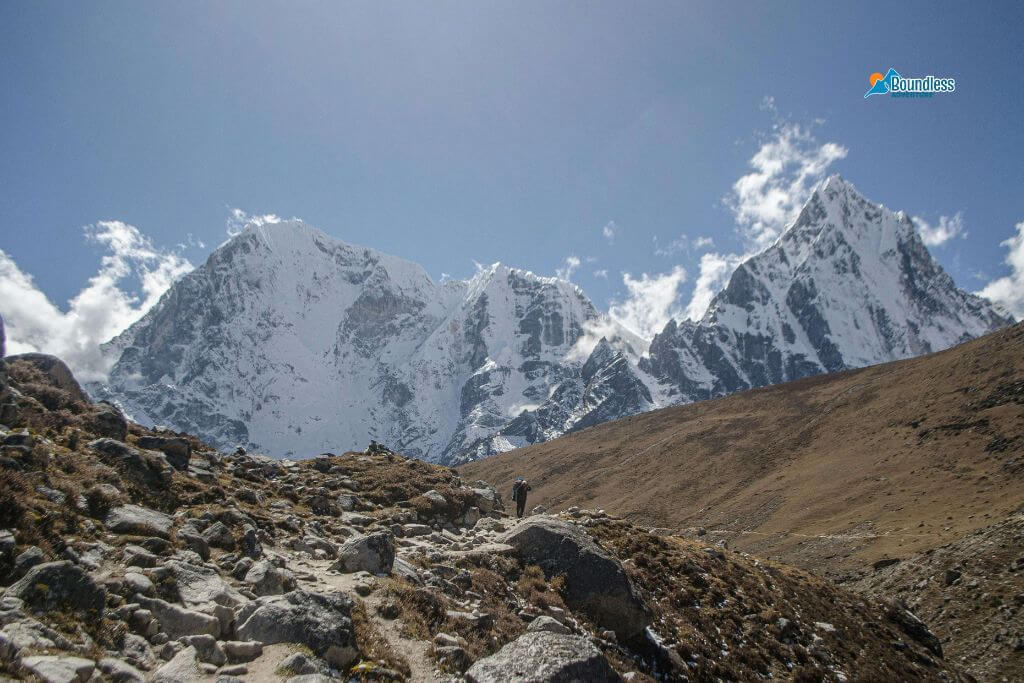
Unlike casual strolls or short hikes up to 3200 meters above sea level. Trekking often demands stamina, preparation, and a love for nature. It gives a mixture of adventure and physical, as well as mental, peace.
In this blog, we will break down everything you need to know about trekking in simple, practical language.
If you are looking for a great trekking experience, we at Boundless Adventure have been working for years to help people from around the world experience the magic of the Himalayas.
We offer risk-free, carefully designed trekking trips that take you through well-known trekking destinations, such as Everest Base Camp and Annapurna, as well as lesser-known scenic spots. Whether you are an amateur or an experienced trekker, Boundless Adventure will ensure your experience is memorable, safe, and customized to your preferences.
What is Trekking?
The term trekking comes from the Afrikaans word “trek,” meaning a long journey. So when people ask what do you mean by trekking, it means walking through remote areas for many days. The trek itself is a significant highlight. It is not the same as hiking, since it involves longer distances, different types of terrain, and may entail staying in tents or local accommodation at night.
Types of Trekking
If you ever wondered what do you mean by trekking? It basically means different ways of exploring the outdoors on foot, and these can vary a lot. There are several types of trekking based on terrain, duration, and style:
- Teahouse Trekking: It means walking from village to village and spending the nights in cozy local lodges where you can rest, eat warm meals, and meet friendly locals.
- Camping Trekking: Camping trekking involves carrying your own gear, setting up tents, and spending nights under the stars in remote, untouched places without guesthouses or lodges.
- High-altitude trekking: This takes you above 3,000 meters, where the air gets thinner, the landscapes turn dramatic, and every step feels like a true adventure.
- Jungle trekking: Explore lush forests and lowland areas, walking through wild landscapes, spotting wildlife, and experiencing nature up close.
- Cultural treks: It combines walking through scenic landscapes with immersive experiences of local traditions, lifestyles, and heritage along the way.
Benefits of Trekking
Trekking provides numerous physical and mental benefits, including:
- Boosts cardiovascular conditions and stamina.
- Enhances muscles, particularly legs and core.
- Makes one less stressed and clear-headed.
- Soothes humans and links people to nature.
Trekking vs Hiking
If you’re asking what you mean by trekking, it’s different from hiking. Although trekking and hiking sound similar, there’s a difference between the two. Hiking refers to short walks to nearby locations that usually take a day.
On the other hand, trekking involves longer journeys through rugged, remote areas and requires more preparation, endurance, and gear.
| Trekking | Hiking | |
| Duration | Multiple days, often with overnight stays | Usually, a few hours to a day |
| Terrain | Rugged, remote, and challenging | Generally easier, marked trails |
| Physical Demand | Higher endurance and fitness are required | Moderate fitness level |
| Gear Required | Specialized equipment like trekking poles, layered clothing, and camping gear | Basic gear like comfortable shoes and a light backpack |
| Purpose | Adventure, exploration, and cultural immersion | Leisure, exercise, and nature enjoyment |
| Accommodation | Camping or staying in lodges/teahouses | Usually returns to the starting point |
| Typical Locations | Mountains, jungles, and high-altitude regions | Parks, nature reserves, and local trails |
| Preparation | Detailed planning and safety precautions | Minimal planning needed |
Essential Trekking Equipment
When people ask what do you mean by trekking, it’s not just about walking—it’s about being ready for the path and the destination you are choosing. As a trekker, you have to carry appropriate equipment depending on the region you are trekking in. Even a single trekking pole can be a huge help. Here is a list of basic trekking equipment.
- Good and comfortable trekking shoes
- Backpack 40L
- Hot style (strata)
- Map, direction, or GPS
- First aid, trekking sticks, light
Trekking safety tips
So, what do you mean by trekking when it comes to safety? It’s about being thoughtful and cautious. To stay safe, start slow so your body can handle the altitude changes without getting sick. Following key trekking safety tips can prevent accidents and emergencies:
- Go gradually: Allow your body to adapt to the changes in altitude to prevent altitude sickness.
- Monitor the weather: Be sure to check forecasts so you are not caught off guard by poor weather.
- Keep yourself hydrated and well-fed: Make sure you have taken enough fluids throughout the process and have enough to sustain you throughout the hike.
- Tell someone of your plans: Inform relatives/friends or your guide where you are going and when you are due to get back.
- Do not disrespect local regulations or wildlife: Make sure you obey trail regulations and do not approach animals, as this may cause accidents.
Popular Trekking Destinations
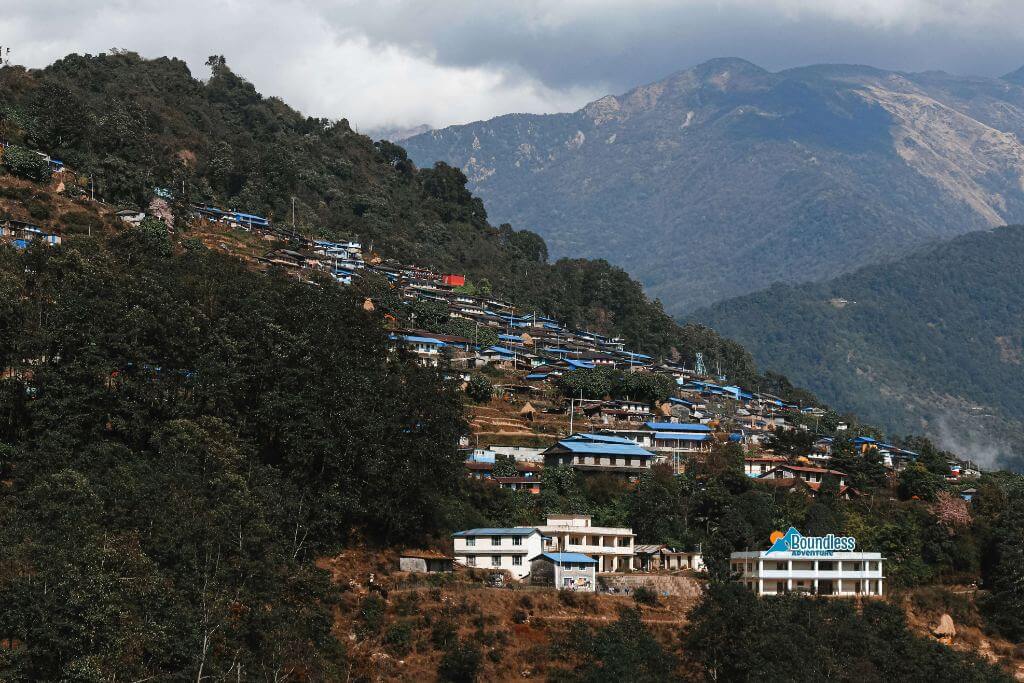
The world offers many iconic trekking destinations. The popular trekking destinations that Boundless Adventure offers are:
- Nepal: Everest Base Camp, Annapurna, Langtang, Restricted Area
- Tibet: Tibet Culture Tour, Lhasa Tour, and Mount Kailash
- Bhutan: Bhutan Trekking, Nepal Bhutan Tour, Bhutan Culture Tour
Trekking for Beginners
Curious about what do you mean by trekking? If you are a first-time trekker. And if you have an interest in trekking, then you can go to the following destinations:
- Langtang Valley Trek
- Ghorepani Poonhill Trek
- Khorpa Danda Trek
- Rara Lake Trek
- Tamang Heritage Trail
- Helambu Trek
- Pikey Peak Trek
Physical Fitness For Trekking
Before you set out, you might ask yourself, What do you mean by trekking? How to get ready for it. For trekking, you must be physically fit. You must do pre-trek preparation so you can enjoy your trek. These are the physical exercises you must do before your trek:
- Cardiovascular Training: running, swimming, cycling
- Strength Training: legs, core, back
- Flexibility: You must practice yoga and stretching regularly if you plan to trek.
- Altitude Preparation: You must be prepared for altitude so you can easily manage altitude sickness if you get it.
Final Thoughts
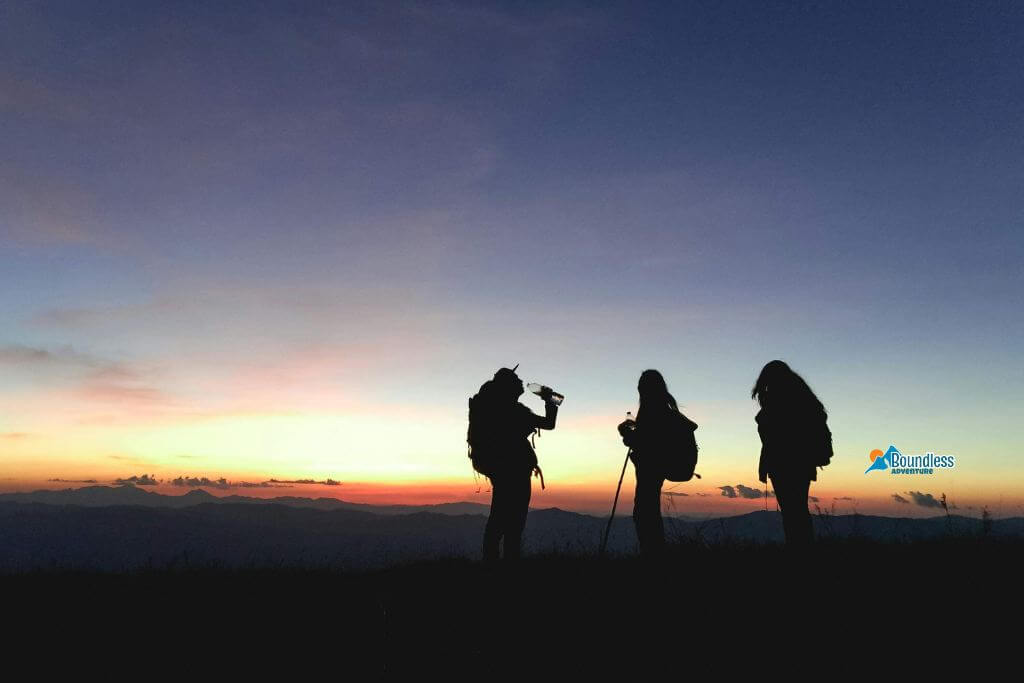
Trekking is not merely a walk in the park; it offers a life-changing experience that commits both the body and the mind to the test, as well as connecting you to nature. With adequate planning, the right equipment, and precautions, anyone can regain the fun and satisfaction of trekking.
Ready to start your unforgettable trekking journey? Book your adventure with Boundless Adventure today!
FAQ’s
What exactly is trekking?
Trekking means going on a long journey on foot. Usually through natural or rugged terrain, such as mountains or forests. It often takes several days and includes overnight stays along the way. Unlike casual walking or short hikes, trekking is more about the adventure and exploring off-the-beaten-path places.
How is trekking different from hiking?
Hiking is usually a shorter walk. Hiking refers to day hiking along well-advertised tracks. Trekking, on the other hand, involves longer distances —sometimes over multiple days —and often more challenging terrain. It is better prepared, takes more stamina, and, in some cases, requires overnight stays in camps or lodges.
What kind of gear do I need for trekking?
Good trekking boots are a must for protecting your feet and providing support on rough paths. You will also need layered clothing to cope with changing weather, a comfortable backpack, water, vitamins and snacks, and first-aid supplies. Depending on your route, trekking poles and a map or GPS can also be beneficial.
Is trekking safe for beginners?
Yes, trekking can be safe for beginners if you choose easier trails and prepare properly. The key is that you constantly develop your fitness and use appropriate equipment. Traveling with a guide or a group might also enhance your safety and fun.
Why is Nepal famous for trekking?
Nepal is famous for trekking because of its world-famous mountains. In Nepal lies Mount Everest. Mount Everest is the top destination for trekkers. The country offers diverse trails. The trails range from challenging high-altitude routes to easier scenic treks. Plus, you get to experience rich local cultures and beautiful Himalayan views along the way.