


The Annapurna Base Camp Trek is a thrilling adventure through the stunning Annapurna range. With beautiful views, changing weather, and the culture of Gurung and Magar people, it offers a unique experience despite its challenges.
The Annapurna Base Camp Trek is one of the most spectacular journeys. In this trek, you will hike through green valleys, attractive hamlets, and magnificent mountains. It is located in the Annapurna Region and the Annapurna Conservation Area. You will trek to the Base Camp at 4,130 meters (13,550 feet). The Annapurna I, Machapuchare, and Hiunchuli surround it. During this trek, you will experience beautiful landscapes. You will immerse yourself in the culture of the local communities.
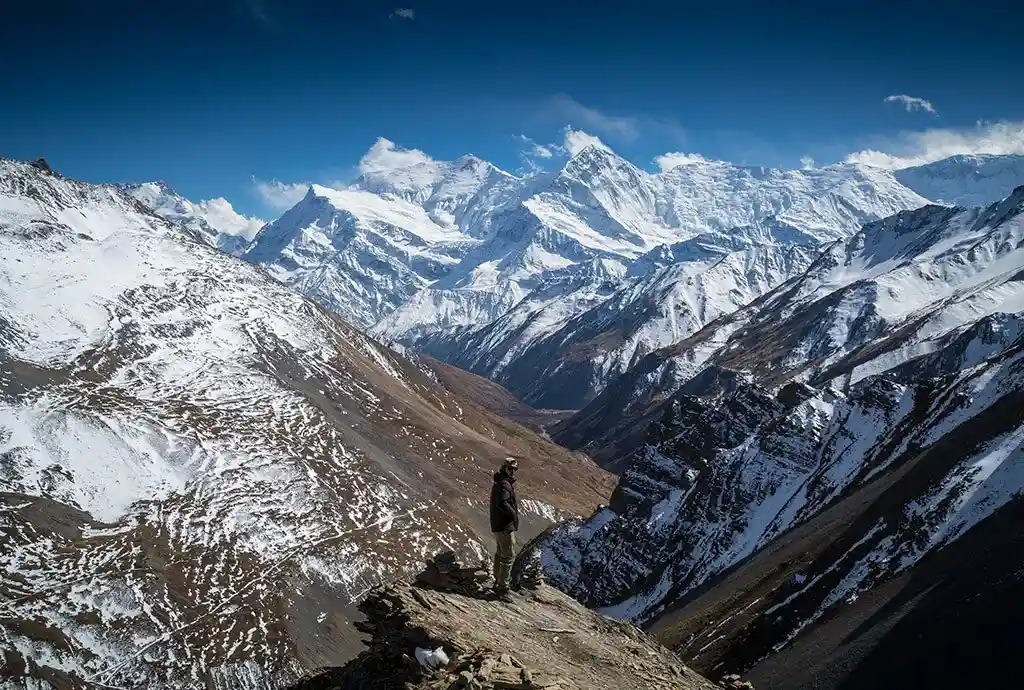
Some challenges will be encountered, from the difficulty level to the Annapurna Base Camp Trek's distance of about 70 kilometers (43 miles) at an elevation of 4,130 meters (13,550 feet) above sea level. Get ready for steep uphill climbs, experience the effects of high altitude, such as headaches, and have a great time doing it all.
Overview of Annapurna Base Camp Trek Difficulties
The Annapurna Base Camp (ABC) Trek is regarded as moderately challenging. It is accessible to a wide range of trekkers, from beginners to more experienced adventurers. You will trek upto 4,130 meters (13,550 feet). You must need proper acclimatization to avoid altitude sickness. You will trek for 11 Days. You will hike for 5 to 7 hours daily. It requires good stamina and physical fitness.
Wondering Why is Annapurna Base Camp Famous (Click here).
The terrain varies from steep ascents to rocky paths. It is challenging, particularly after rainfall. Weather conditions affect your trek. So choose the time wisely to face fewer challenges. You will experience the cold temperatures and possible rain, especially at higher altitudes. Good preparation and a reasonable level of fitness will ensure you enjoy the beautiful scenery, rich culture, and the feeling of incredible achievement.
Here are some factors that contribute to the difficulty level of this popular trekking route:
- Altitude: The hike reaches 4,130 meters (13,550 feet) at Annapurna Base Camp. Although trekkers can, in most cases, acclimatize, there is an imminent risk of altitude sickness, particularly when insufficient precautions are taken.
- Duration: The trek usually takes 8-11 days. You need great stamina to walk 5 to 7 hours per day.
- Terrain: The route is very hilly and rocky, with some downhill sections. The single track is strenuous, more so when wet. Roads get rough and slippery.
- Weather Conditions: Weather may interfere with this trek. There is cold weather and a chance of rain, especially at higher elevations; you have to be prepared for these conditions.
- Physical Fitness: Trekkers must possess a fair degree of physical fitness, such as good cardiovascular health and strong legs. Before you trek, training regularly by hiking, cycling, or running will go a long way.
Recommended Read: Adventure in Annapurna Base Camp Trek
Difficulties During the Annapurna Base Camp Trek
The Annapurna Base Camp (ABC) Trek offers breathtaking views and a rich cultural experience, but it also presents several challenges that trekkers should be prepared for:
1. The Infamous Stone Stairs
One of the most talked-about challenges of the trek is the endless stone staircases, especially in sections like Ulleri and Chhomrong. These stairs feel like they never end and can quickly sap your energy, especially if you're not used to long uphill climbs.
How to handle the stairs?
- You must train with stair workouts and cardio before your trek.
- You must use trekking poles to reduce strain on your knees.
- You should take short, frequent breaks to conserve energy.
- You must wear supportive footwear with a good grip.
2. Altitude Sickness
First, reaching the Annapurna Base Camp entails confronting one of the most significant and fearsome challenges of high-altitude walking: altitude sickness. As one makes one's way up to 4130 meters above sea level (13550 feet), one begins to feel the thinning of the atmosphere's oxygen, making it difficult for one's body to function optimally.

This is likely to cause various symptoms that can dull one's trekking experience and, in extreme cases, threaten one's well-being.
Signs of Altitude Sickness
- Headaches
- Nausea and vomiting
- Dizziness
- Shortness of breath
- Fatigue
- Insomnia
Tips to Prevent Altitude Sickness
- Ascend Slowly: When climbing mountains, it is best to do it gradually. After passing the mark of 3,000 meters, one should try to ascend at most 300 to 500 meters of elevation gain in a day.
- Incorporate Rest Days: Rest days should be included in your Annapurna Base Camp trek itinerary to allow proper acclimatization, particularly at high altitudes.
- Stay Hydrated: One must consume at least 3–4 liters of water daily to prevent dehydration, which may worsen the symptoms.
- Eat a balanced diet: Consuming plenty of carbs is helpful, as it provides the energy needed for the trek and aids acclimatization.
- Listen to Your Body: If you experience any symptoms of altitude illness, descend to a lower altitude immediately. Put your well-being first because ignoring these indicators may lead to significant complications.
3. Physical Strain
Annapurna Base Camp Trek is a physical and mental exercise journey and not for the weak-hearted. One will face steep uphills and downhills while winding through rough terrain, pushing one's limits. During this trek, you will face exhaustion and muscle pains. You must be physically prepared.
This may cause exhaustion and muscle pains; physical preparation is necessary for the journey.
Signs of Physical Strain:
- Soreness of the muscles
- Tiredness or fatigue
- Elevated heart rate
- A challenge in sustaining speed
- Breathlessness upon physical activity
Tips to Prevent Physical Strain:
- Train in Advance: If you plan to go on a long trek, exercise regularly, such as running and cycling, to build your fitness and stamina. Train more on your long hikes to get accustomed to walking for extended periods.
- Take Breaks: Plan and incorporate breaks in your hike to rest, recoup, and recharge. Take this opportunity to hydrate and drink in the beautiful landscape surrounding you.
- Pace Yourself: Besides maintaining an average level of physical activity, avoid the temptation to push your limits. Your body should be your guide; if you are feeling a certain way, go that fast.
- Stay Hydrated: Water should be consumed often and in enough quantities to replenish and sustain energy levels. Proper hydration prevents fatigue and helps maintain optimal performance at all times.
- Focus on Breathing: Especially at higher altitudes. You should breathe slowly and deeply. It helps our bodies adjust to low oxygen levels. Also prevents you from getting too tired too fast. When the path gets difficult, take a deep breath, allow yourself a time-out, and keep on going. It really keeps you sane and energized.
4. Weather Conditions
The weather is highly unpredictable and can significantly affect conditions during the trek to Annapurna Base Camp. During the rainy seasons, heavy rainfall is expected across the region; the intervening periods are particularly dry and characterized by snow and strong winds, which make the paths muddy.
Changes in weather patterns can have undesirable effects, such as colder temperatures, particularly in higher-altitude areas. Therefore, to enhance the pleasure of the journey, it is essential to grasp how the weather changes from one season to another.
We at Boundless Adventure advise you to schedule your vacation between September and November. This month period offers you a suitable environment for trekking and better visibility during the peak post-storm season.
Signs of Adverse Weather Conditions:
- Sudden drops in temperature
- Heavy rainfall/snow
- Strong winds
- Less visibility
- Accumulation of ice on trails
Season-specific challenges:
- Winter (Dec–Feb):
- You will see snow and ice on the trail.
- Due to the freezing temperature, fewer teahouses are open.
- Sub-zero temperatures at night.
- Monsoon (June–Sept):
- You will experience slippery, muddy paths.
- In the monsoon, the risk of landslides is a major challenge.
- During the rainy season, you will see leeches and experience poor visibility. (Read Blog: ABC trek in June)
- Spring (Mar–May):
- You will experience warm and humid weather at lower elevations. (Note: ABC trek in May)
- You will have to face sudden showers and melting snow at higher altitudes.
- Autumn (Oct–Nov):
- This season, the trails are dry, the weather is stable, but they're crowded.
Tips to Prevent Issues from Weather Conditions
- Check Weather Forecasts: Monitor the weather before and even during your hike. Organize your everyday activities using trusted information.
- Pack appropriate gear: Buy genuine waterproof jackets, trousers, and shoes. This will enable you to manage temperature changes easily by using different clothes.
- Start Early: When departing on travel days, get up early to make the most of the sunlight. This allows you to avoid being on the walkway in inclement weather.
- Be flexible with your itinerary: Allow room for adjustments to your journey to the Annapurna Base Camp Trek. Changes may be necessary due to worsening conditions or longer rest intervals.
- Know When to Turn Back: Safety should come first in every situation. However, if circumstances get out of hand, you may need to improvise, such as by seeking shelter. Don't put aside your gut feeling; it may just save your life!
What to pack for unpredictable weather?
- Layered clothing system
- Waterproof jacket and pants
- Extra socks and gloves
- Sunscreen and sunglasses
For more, visit the Packing list for Annapurna Base Camp Trek.
5. Trekking Duration
The duration of the trek is a significant obstacle, especially for someone who has not undertaken or is not accustomed to multi-day walking excursions. On most occasions, long trekking days lead to significant physical fatigue, especially when combined with high altitudes and changing weather.
Also, rest between hikes may be necessary for acclimatization, which may lead to a longer trek duration. Plans and preparations should be made to execute this trek firmly and successfully.
Signs of Fatigue from Long Trekking Duration:
- Increased exhaustion by midday
- Difficulty maintaining a consistent pace
- Lack of motivation to continue
- Frequent breaks needed
- Reduced appetite
Tips to Prevent Fatigue from Trekking Duration:
- Set realistic goals: Match the distance you trek every day to your fitness level. Taking short distances at a comfortable pace, slowly without straining, is far better than pacing and harming oneself.
- Schedule Rest Days: The Annapurna Base Camp trek requires rest days to be included in the itinerary for recovery and acclimatisation. It is a chance to visit the surrounding villages and enjoy the scenery.
- Stay Energized: A luggage pack should include high-energy snacks such as nuts, dried fruits, and energy bars to help with energy levels during the trek. Regular munchies can delay the onset of tiredness.
- Keep a Steady Pace: Maintain a steady, realistic pace throughout the hike. This will save energy for long hiking days.
- Stay Positive: If a positive attitude is upheld, there are many advantages, especially to an individual's trekking expeditions. One can enjoy the spectacular sights, exciting culture, and other trekkers when one feels down.
6. Navigation and Trail Conditions
Trekking the Annapurna Base Camp trails has its share of challenges. The trekking routes typically consist of many stairs, steep elevation gains, and narrow footpaths requiring a continuous outlook. Also, there may be sections of the routes where the signage is unclear, making it challenging to use wayfinding techniques, especially in inclement weather.
In addition, the shiny, inline surface of the concrete paths makes it easy to slide while walking. During the rainfall season, it is easy to climb all the peaks because the narrow trenches excavated to create the pathways are pretty straightforward.
Signs of Navigation Difficulties:
- Uncertainty regarding the directives of the path
- Difficulty in identifying the signs along the path
- Inability to interpret the map correctly
- Having no idea or being unable to find direction
- Taking longer to finish than what was set out to be done
Tips to prevent navigation issues:
- Familiarize Yourself with the Route: Study the route outline and specific itinerary for the trek to Annapurna Base Camp before embarking on the journey. Knowing key points may help one keep one's position on the Annapurna Base Camp trek map.
- Use technology wisely: You may use GPS apps or a GPS handheld device to locate yourself. Such an apparatus helps with navigation.
- Travel with a Guide: A local guide offers advantages. You will enjoy the trek without the risk of getting lost, and they can offer valuable tips about the place and its people.
- Stay Aware of Your Surroundings: Observe the trail markers and the environment around you. This can help you regain a sense of direction even when temporarily disoriented.
- Communicate with Fellow Trekkers: Interact with the other members of the group while trekking. In these situations, it is essential to check all party members' navigation statuses regularly.
7. Mental Challenge
Trekking the ABC route is a mental challenge. You will face long days of walking, tough climbs, basic accommodation, and unpredictable conditions. This can directly affect your morale. You must stay mentally strong to enjoy your journey.
Ways to stay motivated and mentally prepared:
- You must rest whenever you feel like it.
- You can listen to uplifting music or audiobooks.
- It is best to record your experience in a journal at the end of the day.
- You must trek with a guide or make new friends on the trail to ensure your safety.
- Always remind yourself why you started the journey.
Route Choices
The route you choose to Annapurna Base Camp can determine the overall trekking experience. Although they all end at the same base camp, the routes can vary greatly in difficulty, scenery, and overall feel. The most travelled are the two, either through Ghorepani and Poon Hill, or Jhinu Danda and Chhomrong. So we broke them down.
Via Ghorepani & Poon Hill
This path will add a few days to your travel plan; however, it is well worth taking if you need a gentler acclimatization process and beautiful views. It is a more scenic route, particularly for first-time trekkers or those who like to experience the popular sunrise over Poon Hill.
Why this route might be perfect for you?
- Adds 2–3 days, helping your body adjust to altitude gradually.
- Includes a detour to Poon Hill, famous for jaw-dropping panoramic sunrise views over the Annapurna and Dhaulagiri ranges.
- Passes charming villages such as Ghorepani and Tadapani, rich in culture and tradition.
- The trail's ups and downs make it slightly longer but easier on the lungs and legs than the direct route.
- Suitable for photographers, nature admirers, and individuals who like taking things at a slow pace.
Via Jhinu Danda & Chhomrong
This is the shorter and more direct route to Annapurna Base Camp. It's physically more demanding, especially with those infamous stone staircases, but perfect for trekkers on a tighter schedule.
How to Prevent Annapurna Base Camp Trek Difficulties
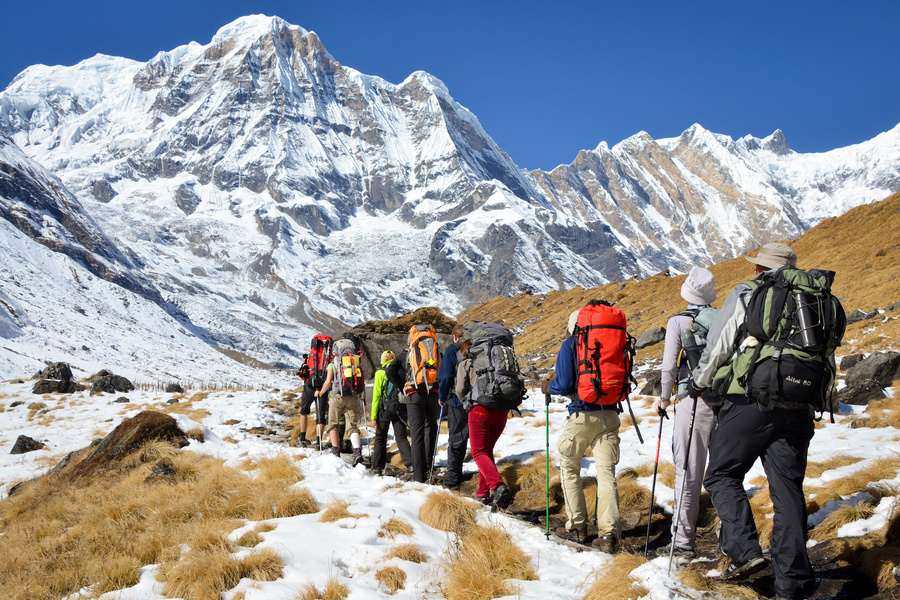
The ABC Trek is entertaining for the views it offers and culturally enriching, but as a trekking route, it also has cons that may spoil your trek. Here are some tips to prevent such problems:
1. Acclimatization:
- Gradual Ascent: You should design your itinerary to include acclimatization days. The gradual increase in altitude, especially beyond 3000 meters above sea level, will help your body adjust to the higher elevation.
- Listen to Your Body: If you experience altitude sickness, nausea, dizziness, or headaches, go lower immediately.
2. Physical Preparation:
- Train in Advance: Engage in a structured program of cardio workouts, strength training, and practice hikes. This will make you both more stamina-laden and robust, making the trek easier to handle.
- Weighted Hike: Take a hike with a heavy backpack to simulate trekking conditions and help your body get used to its weight.
Minimum fitness requirements
- You must be able to walk 5–6 hours a day.
- You must manage 500–1,000 meters of elevation gain.
- You must carry a daypack (6–10 kg).
Training tips for success
- Daily walking or hiking (5–10 km)
- Stair climbing or hill training
- Leg and core strengthening exercises
- Practice hikes with your gear and backpack
3. Correct Equipment Selection
- Shoes: Wear comfortable trekking boots that protect the ankle from sprains and provide traction. Break them in well to prevent any blisters.
- Clothing: Multiple-layered clothing will enable you to handle varying conditions. It consists of weather-thin base layers to keep you dry and cool, insulating mid-weight layers to provide warmth, and waterproof, windproof outer layers to protect you from the elements. Always be prepared for low temperatures at high altitudes.
Gear Can Make or Break Your Trek
Having the right gear can mean the difference between an enjoyable trek and a miserable one. You need to buy the quality essentials that protect you from the cold, rain, and terrain, which are non-negotiable.
Must-have Gear List
- Waterproof and well-fitted hiking boots
- Warm layers (base layer, fleece, down jacket)
- Waterproof outerwear (jacket and pants)
- Trekking poles
- -10°C sleeping bag
- Water purification tablets or a Steripen
- Headlamp with extra batteries
Avoid Overpacking
- Stick to essentials only
- Keep total weight under 12 kg
4. Hydration and Nutrition:
- Stay Hydrated: Stay well hydrated throughout the trek, and aim to drink at least 2-3 liters per day. Hydration prevents altitude sickness and helps your body maintain normal energy levels.
- Balanced Diet: Carbohydrates, protein, and fat are nutrients that energize the body for long days of trekking. Nuts, energy bars, and dried fruit can provide quick energy as snacking options.
Your body needs a proper diet, rest, and hydration to trek. At the same time, teahouses are available along the trail. You will get simple meals and basic beds. Knowing what to expect and how to prepare can make these essentials easier to handle.
Food Options on the Trail
- Dal Bhat (lentils, rice, vegetables)
- Fried rice, noodles, pancakes, eggs
- Instant coffee and tea
Staying hydrated and healthy
- You must drink 3–4 liters of water per day to stay hydrated.
- You must use purification tablets or filter bottles to purify water.
- Do not eat uncooked food or drink untreated water.
Sleeping tips:
- Carry your own sleeping bag
- Use earplugs for noisy teahouses
- Practice sleeping at higher elevations if possible before the trek
5. Weather Preparedness:
- Check Forecasts: Always stay informed about regional weather to plan accordingly. Be prepared for sudden changes in weather, particularly at higher altitudes.
- Smart Packing: Pack essentials wisely so you can handle any weather changes. Don't forget the main essentials.
6. Hiring a Guide:
- Local Expertise: Hiring a knowledgeable guide can enhance your trekking experience. Boundless adventure will guide you through the paths, share knowledge about the local culture, and tell you how to avoid the most common mistakes.
- Safety and Support: They are trained in first aid and in avoiding altitude sickness, so you have immediate backup if needed. They will also assist with logistics so that you enjoy the trek.
To further reduce the challenges of the Annapurna Base Camp Trek, consider alternatives like the Annapurna Base Camp Helicopter Tour offered by Boundless Adventure. This alternative tour offers a scenic way to experience the region's stunning landscapes without the physical strain of the full trek. It is a great alternative for individuals who experience altitude-related complications or have low fitness levels. You can get to see the spectacular scenery of the Annapurna massif without any hassle.
Also learn about How to prepare for Annapurna Base Camp Trek.
Conclusion
Apart from its spectacular scenery, the Annapurna Base Camp trek also offers trekkers the chance to experience the fascinating culture of the Himalayas. However, it is necessary for any trekkers joining the Annapurna Base Camp trek to appreciate its challenges. Some of these hurdles include altitude sickness, physical stress, and even transit problems. This can be expected and addressed to enhance one's enjoyment of the region's rich beauty and hospitality. Please wear your hiking shoes and grab a water bottle because it's time to go on a beautiful adventure! Whether you are arranging a complete trekking package or are interested in the best time for the Annapurna Base Camp trek, we are ready to help.
For expert guidance and support, Contact Boundless Adventure. We help you make the most of your trekking experience, Unforgettable!
Explore our Annapurna Region Trekking Packages:
FAQs
What are the major difficulties of ABC?
The Annapurna Base Camp trek poses challenges such as altitude sickness, physical exhaustion, and slippery trails due to rain or snow. However, proper preparation and acclimatization can help overcome these difficulties.
Is Annapurna Base Camp harder than Everest?
On the whole, the Annapurna Base Camp is less strenuous than the Everest Base Camp Trails. Also, it is worth noting that, in contrast to EBC, the ABC trek is comparatively shorter and also has a lower highest point; thus, it is easier for many trekkers. However, both treks carry risks related to altitude and terrain.
How fit must you be for Annapurna Base Camp?
A specific fitness level is required to trek to Annapurna Base Camp; being fit is not enough. Regular aerobic exercises like running or cycling enhance aerobic capacity, which is appropriate for walking. Preparing the body using a training regimen a few months before the trek is advisable.
Can a beginner climb Annapurna?
The Annapurna Base Camp trek may be challenging, but with proper training, many newcomers to trekking can complete it. To this end, it is recommended that all beginners undergo adequate training and also schedule days for acclimatization. One can also book a guided trek, which offers assistance with overcoming hurdles.
Is it safe to trek to Annapurna Base Camp?
Trekking to Annapurna Base Camp is generally safe with proper precautions, such as using experienced guides, maintaining physical fitness, and allowing time for acclimatization. Risks like weather changes can be managed with careful planning.
How difficult is the Annapurna Base Camp trek for beginners?
The ABC trek is moderate but doable for beginners with some fitness. It's important to prepare well and take your time, especially on steep sections and at higher altitudes. With patience and good pacing, most first-timers can enjoy it.
What is the biggest challenge on the Annapurna Base Camp trek?
The toughest parts are usually the altitude and the endless stone stairs. Altitude can make you feel fatigued or dizzy, and that staircase is enough to push your leg muscles to the edge. They can, however, be managed with breaks and good hydration.
Can I do the Annapurna Base Camp trek without a guide or porter?
There are still many people who trek solo or with friends. Hiring a guide or porter makes things easier and less stressful, especially if it's your first time. They help with carrying loads and navigating tricky parts, so it's a personal choice.
What's the best time of year to avoid difficult weather on the trek?
The best seasons are autumn and spring when the weather is clearer, and trails are safer. Monsoon brings heavy rain and slippery paths, while winter can be icy and cold. Planning your trek in the right season really makes a difference.
How should I prepare physically for the Annapurna Base Camp trek?
Start by walking regularly, adding stairs or hills to build endurance. Strengthen your legs and core with simple exercises, and try carrying a backpack on practice hikes. Even a few weeks of training will make your trek feel easier.
What should I do if I experience symptoms of altitude sickness?
If you feel dizzy or get a headache, slow down and rest immediately. Drink plenty of water and avoid alcohol, and don't push yourself too hard until you feel better. If symptoms worsen, it's best to descend and seek help right away.
How long does it take to complete the Annapurna Base Camp trek comfortably?
Most people take about 7 to 10 days to enjoy the trek without rushing. This gives your body enough time to adjust to the altitude and recover between long walking days. Trying to rush can make the trek harder and less enjoyable.
What kind of accommodation can I expect on the trail?
You will have room in simple teahouses that share bathrooms. It is not a luxury campsite with a way to heat your sleeping bag at night, so come with a warm sleeping bag. The friendly atmosphere and mountain views make up for the simplicity.