


Annapurna Base Camp Trek for Beginners? Imagine you are a first-time trekker, and your first trek is the world-renowned Annapurna Base Camp route. Isn't it exciting? Yes, the Annapurna Base Camp trek for beginners is a great choice for those new to trekking and looking to get into the sport.
Quick Facts: Annapurna Base Camp Trek Overview
- Location: Annapurna Conservation Area, Nepal
- Max Altitude: 4,130 meters (13,550 ft)
- Duration: 7 to 12 days (depending on Route & pace)
- Trek Difficulty: Moderate
- Best Time to Go: March–May (spring) & October–December (autumn)
- Accommodation Type: Teahouses/Lodges
- Permits Needed: TIMS Card + ACAP Permit
- Major Villages: Tikhedhunga, Ghorepani, Deurali, Himalaya Hotel, Bamboo
The Annapurna Base Camp Trek for beginners is a challenging but rewarding experience in the lap of the Himalayas. Even if you are a beginner, trekking in Annapurna Base Camp will be a remarkable memory. WhatsApp us at +977 9851033819 for more information about the trip.
Annapurna Base Camp is a dream destination for most trekkers and a paradise for adventure lovers. It is a point of pride to start a journey by trekking to Annapurna Base Camp. With a perfect combination of stunning landscapes, natural beauty, and cultural richness, the Annapurna Base Camp trek for beginners is a lifelong memory that will always stay in your heart and mind.
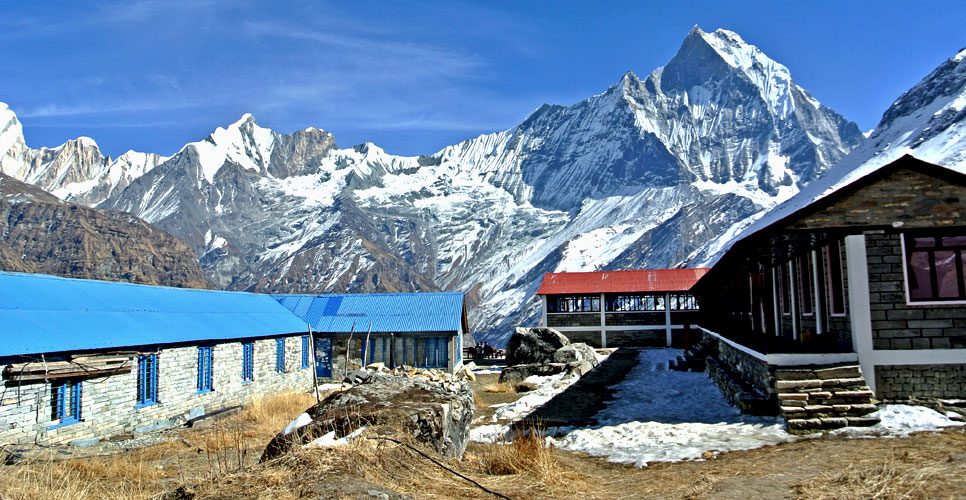
Indeed, the Annapurna Base Camp trek for beginners is not easy; each step closer to the camp presents challenges and stunning beauty. The journey to Annapurna Base Camp is a journey of discovery and resilience, taking you through different landscapes of the Annapurna region, from forest to terraced fields, meadows, and glacial areas.
As a beginner, you'll be amazed by the different types of ecosystems you'll see throughout the trek. Each step will showcase nature's unique beauty, and several parts of the adventure will feature a waterfall.
Overview of the Annapurna Base Camp Trek
The Annapurna Base Camp trek, also known as the ABC trek, is one of Nepal's most popular Himalayan routes and is well-suited for beginners. The trail takes you through a mix of lush forests, terraced farmland, ethnic Gurung and Magar villages, and dramatic alpine scenery, culminating at the Annapurna Base Camp at 4,130 meters.
Unlike some of Nepal's more demanding treks, the Annapurna Base Camp for beginners is very doable. It doesn't require technical climbing skills, and the gradual elevation gain allows your body time to adapt.
You'll also pass through Machhapuchhre Base Camp (MBC) en Route to ABC, offering panoramic views of Annapurna I, Annapurna South, Hiunchuli, and Machhapuchhre (Fishtail). They are some of the most stunning peaks in the Nepal Himalayas.
Why is the Annapurna Base Camp Trek Suitable For Beginners?
The Annapurna Base Camp trek is also recommended for beginners and is considered beginner-friendly due to its moderate difficulty. Anyone with a general fitness level who can walk 5-6 hours daily can complete the trek. The trail to Annapurna Base Camp features ascending and descending sections that help beginners acclimate to changing temperatures.
The Route follows well-established, well-marked paths, reducing the risk of getting lost for first-time trekkers. Because it's a popular trekking route, you'll encounter other trekkers, making it easier to reach your destination.
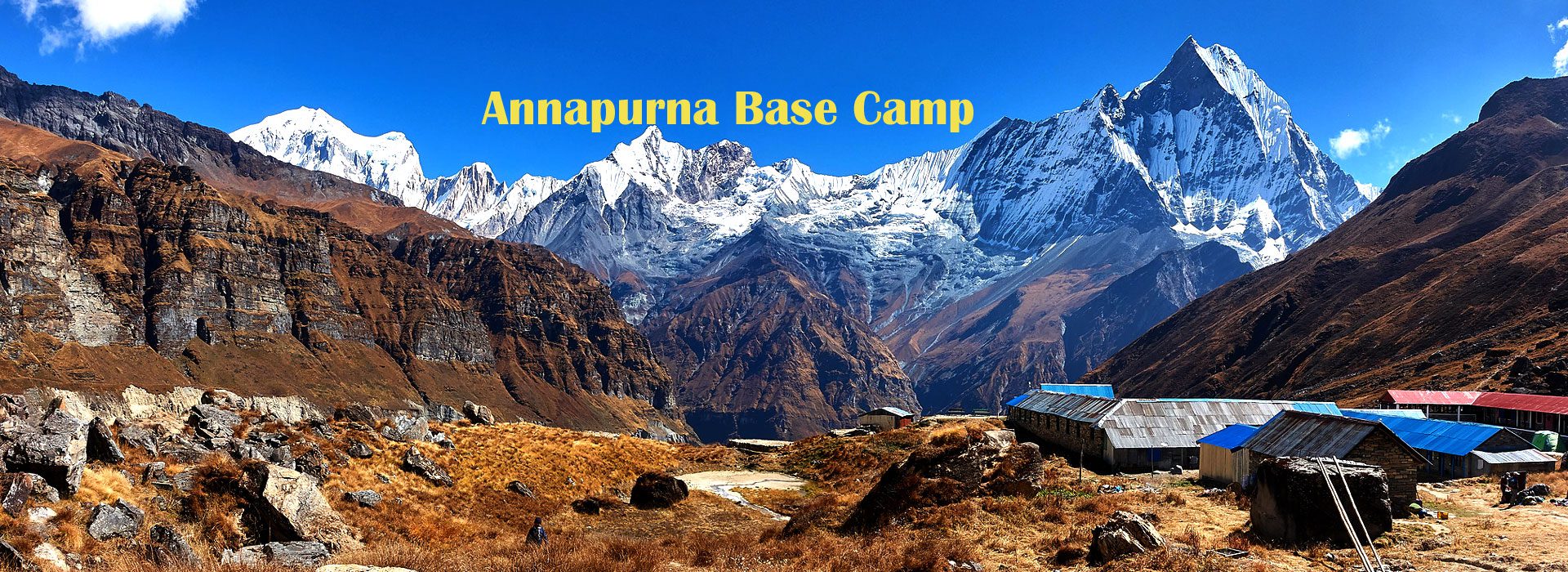
Throughout the Annapurna Base, you'll find many tea houses, so beginners don't need to worry about accommodation or camping gear, keeping their backpacks lighter. Trekking through traditional villages lets beginners experience the locals' unique culture, traditions, and lifestyle.
The Annapurna Base Camp trail features diverse landscapes, making the beginner's trek more enjoyable and allowing them to discover nature. Some might think the tour is unworthy because beginners can undertake the Annapurna Base Camp trek, but that's not the case. Despite its moderate difficulty and beginner-friendly nature, the Annapurna Base Camp trek offers breathtaking views of snow-capped mountains, stunning sunrises, and a variety of other highlights along the trail.
The Annapurna Base Camp trek is suitable for beginners, as the itinerary is flexible. Beginners can choose an itinerary that suits their preferences; even Boundless Adventure offers a facility to customize it. You can quickly get to the starting point of the trek at Nayapul from the city of Pokhara. Its proximity to Pokhara, a popular tourist destination, makes it easy for beginners to start their journey to Annapurna Base Camp.
In Short, the Annapurna Base Camp trek is suitable for beginners due to its moderate difficulty, accommodation options, flexible itinerary, cultural immersion opportunities, stunning views, and the support beginners receive from Locals.
Annapurna Base Camp Trek for Beginners: Difficulty
The Annapurna Base Camp trek is suitable for beginners and offers an exciting adventure, but it does come with some challenges. Knowing potential challenges helps you make your journey safe and enjoyable. Here are some problems you may face as a beginner during the Annapurna Base Camp trek.
Altitude Sickness:
Altitude sickness/Acute Mountain Sickness (AMS) affects even experienced trekkers when they reach the high point. Generally, altitude sickness symptoms start to be seen as you go up more than 2400m. On the Annapurna Base Camp trek, you'll trek up to more than 4000m each day to gain some altitude, so altitude sickness is a significant concern and difficulty among beginner trekkers in Annapurna Base Camp.
One of the best ways to avoid altitude-related issues is to trek slowly at higher elevations to allow your body to adapt to changing temperatures, rather than ascend rapidly. Staying hydrated is another way to reduce the risk of altitude sickness, and avoiding caffeine and coffee can help, as they can dehydrate you. Listening to your body and recognizing the symptoms of altitude sickness is also essential to staying safe.
Unpredictable weather:
Unpredictable temperatures are a significant difficulty for beginners at Annapurna Base Camp. The weather changes drastically, especially at higher points. The temperature remains below the freezing point overnight. A beginner can't tolerate sudden temperature changes, so you should be ready for unpredictable weather conditions while trekking at Annapurna Base Camp.
Weather can change the trail's condition, making it slippery, muddy, or dangerous. Beginners will have difficulty walking on that trail and may be more likely to slip and fall. It's essential to wear solid and suitable shoes to stay steady. Wearing appropriate layers is also necessary, as the weather can change at any time. Also, consider carrying a sleeping bag for freezing nights.
Physical challenge:
Due to the high-altitude passes and demanding terrain, beginners with limited physical fitness may struggle to trek to Annapurna Base Camp. The altitude at Annapurna Base Camp is high, and the lower oxygen levels can cause trekkers to tire more quickly. Beginners tire more quickly and find the trek more difficult, requiring greater physical effort. The trek involves walking 5-6 hours per day over rough terrain, with frequent ascents and descents; beginners may experience difficulty and muscle soreness.
Beginners who have not yet engaged in Physical training before starting the Annapurna Base Camp journey may find the trek more challenging. Cardiovascular and strength training can significantly help during the trek.
Remote Terrain
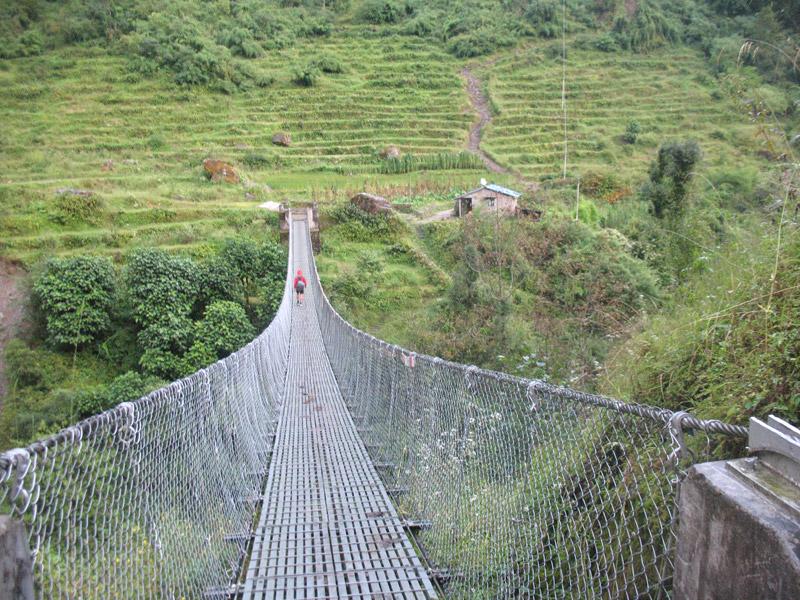
The Annapurna region is in a remote location in Nepal; the trails are not as good as the roads in the city area, so as a beginner, you might feel uncomfortable trekking in the remote terrain. The ABC trekking route is rocky, steep, and narrow with cliff edges, making it difficult for beginners to walk and increasing the chance of slips and falls.
To avoid the difficulty of walking in remote areas, beginners are advised to receive proper training, wear comfortable boots, and use ankle support for a safe trek. Hiring an experienced guide for the Annapurna Base Camp trek will also help you through the challenging sections of the Route.
Limited Medical facilities:
There is no medical or health post in the Annapurna region, and only a limited area has medical and pharmacy facilities. In the event of injuries, illness, or altitude sickness, trekkers may not receive immediate medical attention, which is a significant challenge when trekking in the Annapurna Base Camp area.
Carry first aid, whether you are experienced or a beginner in trekking, to ensure your safety. Also, carry essential medications, bandages, and other crucial things for treating minor injuries and illnesses. Also, consider traveling with a guide who has basic medical training and a pre-planned emergency plan.
Essential Gear for Beginners During the Annapurna Base Camp Trek
Packing smart is critical; aim to be lightweight yet well-prepared for changing weather, cold nights, and long trekking hours. A packing list for the Annapurna Base Camp Trek is essential for beginner trekkers. Here's a breakdown by category:
Clothing and Footwear
Layering is key. Here's what you need:
- Base Layers (top & bottom) – moisture-wicking (2–3 sets)
- Insulating Layers – fleece jacket or down jacket
- Outer Shell – waterproof & windproof jacket and pants
- Trekking Pants – 2–3 quick-dry pairs
- Thermal Underwear – for high altitudes/nights
- Wool Socks – 4–5 pairs
- Hat & Gloves – for sun and cold
- Neck Gaiter/Buff – wind and dust protection
- Trekking Boots – waterproof, broken-in, ankle support
- Camp Shoes/Sandals – for use at teahouses
Trekking Equipment
- Trekking poles (great for knees and balance)
- Sleeping bag (-10°C rated minimum)
- Daypack (30–40L with rain cover)
- Duffle bag (if using a porter)
- Headlamp (plus extra batteries)
- Water bottles or hydration bladder (2–3 liters)
- Water purification tablets or a filter
- Rain poncho or pack cover
Personal Items
- Toiletries & wet wipes
- Sunscreen (SPF 50+), lip balm with SPF
- Sunglasses with UV protection
- Quick-dry towel
- Basic first-aid kit (painkillers, blister care, Diamox)
- Snacks (trail mix, granola bars, chocolate)
- Power bank (solar charger optional)
- Passport copies, permits, insurance, and cash (no ATMs beyond Pokhara)
For more equipment details, visit our Page, "Nepal Trekking Equipment."
Five Tips for Beginners Going to Annapurna Base Camp:
Acclimatization:
Annapurna Base Camp is 4130m above sea level. To complete the trek successfully, one must acclimatize adequately. Acclimatization is essential for beginners to give their bodies proper rest and adapt to the changing temperatures.
Choose the itinerary plan, which includes an acclimatization day. Once near base camp, spend a few days acclimatizing to allow your body to adjust to the changing temperatures. Trekking to a higher elevation and then descending to a lower elevation for overnight acclimatization helps your body adapt to altitude.
Physical preparation:
The Annapurna Base Camp trek involves gradual ascending and descending, so you must be physically fit. It doesn't matter if you are a beginner, but what matters is whether you are physically fit to trek in the Annapurna Base Camp. Physical fitness is essential throughout the trek, so consider engaging in regular exercise before you start.
Regular cardiovascular exercise and strength training help build stamina, and, most importantly, focusing on leg strength is essential, as trekkers walk 5-6 hours each day. Physical preparation is recommended for beginners planning to trek to Annapurna Base Camp.
Proper gear and equipment:
Most beginners need to know what to pack and what to buy for trekking to Annapurna Base Camp. Investing in good-quality gear and equipment helps through the journey. A pair of boots is required for each step, so having comfortable, durable, ankle-supporting boots is essential. Layered dresses for cold temperatures are also recommended. A waterproof and windproof jacket is also essential.
Hydration and Nutrition:
Staying hydrated and consuming nutritious food throughout the trek to Annapurna Base Camp is essential. Hydrated trekkers are less likely to get altitude-related issues than dehydrated trekkers. Carry a refillable water bottle to stay hydrated and a water purification tablet to ensure safe drinking water, even when trekking in the Annapurna Conservation Area.
Consuming nutritious food and a balanced diet is also necessary throughout the journey. To stay fit during trekking, consume food rich in carbohydrates, protein, and vitamins. Local tea houses offer a balanced diet, so consider dining there.
Travel with Guide and Porter:
Independent trekking is impossible at the Annapurna Base Camp, especially if you are a beginner. Trekking with an experienced guide is recommended for your enjoyment and safety. Also, consider hiring a porter. The porter will carry all your belongings, and you will be free to walk with stunning scenery in view.
Hiring a guide and porter will reduce the difficulty of your trek to Annapurna Base Camp by 50%. Guides are familiar with the trails and can help you in emergency conditions. They also provide valuable insight into local culture and tradition. The porters are the unsung heroes who will carry all your belongings and ensure your safety as you walk freely.
Read More: Can you complete the Annapurna Base Camp Trek without a guide?
How to Reach Annapurna Base Camp
Getting to the starting point is straightforward:
1. Kathmandu to Pokhara
- By air: 25-minute flight ($100+ USD, subject to weather)
- By road: Tourist bus (6–8 hours, $10–25 USD)
2. Pokhara to Trailhead
- Most start from Nayapul (1.5 hours by jeep/car)
- Alternate start points: Ghandruk, Siwai, Kimche
- The classic trek route moves through:
Ghandruk → Chhomrong → Bamboo → Deurali → MBC → ABC
3. Return Route
You can descend the same way or via Jhinu Danda, which offers natural hot springs (a worthy stop for sore legs). From there, jeeps can be arranged back to Pokhara.
Annapurna Base Camp Trek Itinerary For Beginners:
- Day 1: Tourist Bus drive to Pokhara
- Day 2: Drive to Nayapul, trek to Tikhedhunga
- Day 3: Trek to Ghorepani
- Day 4: Trek to Tadapani
- Day 5: Trek to Chhomrong
- Day 6: Trek tothe Himalaya Hotel
- Day 7: Trek to Annapurna Base Camp
- Day 8: Trek to Bamboo
- Day 9: Trek to Jhinu (Hot Spring)
- Day 10: Trek to Nayapul and drive to Pokhara
- Day 11: Drive to Kathmandu
Things to Know Before Going to Annapurna Base Camp
Permits:
As a beginner, you must learn about the necessary permits for trekking in Annapurna Base Camp. The licenses may differ from the Route you have planned to hike, but you need two permits, especially for the Annapurna Base Camp trek. To get to Annapurna Base Camp, you have to pass through the Annapurna Conservation Area; the first permit required to trek on the Annapurna Base Camp is the Annapurna Conservation Area permit (ACAP).
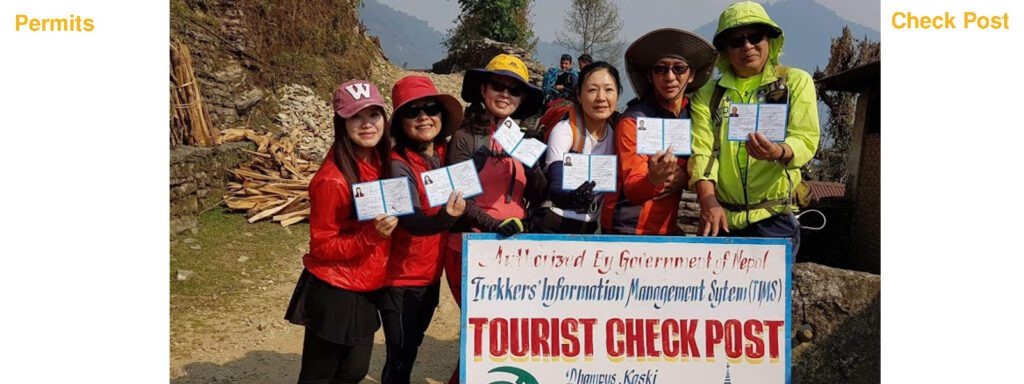
The Trekkers Information Management System (TIMS) is another essential component of Nepal's commitment to trekking across its various routes, including Annapurna Base Camp. The cost of ACAP and TIMS varies by country; if you are from a SAARC member state, you receive a specific discount.
Two permits are mandatory:
- ACAP Permit (Annapurna Conservation Area Project) – ~$30 USD
- TIMS Card (Trekkers' Information Management System) – ~$20 USD
You can get them at the Nepal Tourism Board in Kathmandu or Pokhara, or your guide/agency can arrange them.
Acclimatization:
Acclimatization is the foremost consideration at any trekking site. A beginner may need to learn the value of acclimatization. Still, it is crucial to allow your body to adjust to the temperature change and minimize the risk of altitude-related illness. Choosing the itinerary plan with a separate acclimatization day would be best.
Accommodation:
Throughout the trek to Annapurna Base Camp, you'll be staying in a local tea house where the local people of the region operate. The tea houses along the trail provide essential foods. Generally, you'll have access to a shared bathroom and amenities, including a hot bath, at no charge. The food you'll find along the trek to Annapurna Base Camp is local Nepali dishes; however, some tea houses also offer international options. Remember that you'll need to stay in a basic tea house with limited facilities.
Trekking Season:
The best trekking season significantly impacts your journey. As a beginner, you may not know the ideal time, but understanding the optimal trekking season is crucial. Trekking in spring and autumn is highly recommended. You'll face fewer difficulties and enjoy pleasant weather, which will significantly help a beginner trekker. Similarly, beginner and experienced trekkers are not recommended to trek during the summer and winter seasons, as those seasons pose greater challenges.
Accommodation and Facilities During the ABC Trek
Tea Houses and Lodges
Along the Annapurna trail, you'll stay in local tea houses — simple guesthouses offering basic accommodation:
- Twin rooms with shared bathrooms
- Thin mattresses, pillow, and one blanket (bring your own sleeping bag)
- Cost: $3–6 USD/night, but more expensive at higher altitudes
- Some lodges charge extra for hot showers, charging devices, and Wi-Fi
Food and Water
Food is carb-heavy and designed to fuel trekkers:
- Common Dishes: Dal Bhat, momos, chow mein, fried rice, soups, pasta
- Breakfast Options: Porridge, pancakes, eggs, toast, tea/coffee
- Water: Bottled water is available but expensive. Safer: bring a SteriPen or iodine tablets to treat tap or stream water.
Communication and Internet
- Wi-Fi: Often available but slow and unreliable above Chhomrong. Some lodges charge $2–5 per hour.
- SIM Cards: Ncell and NTC work in parts of Chhomrong. Beyond that, don't expect connectivity.
Estimated Budget for the ABC Trek (Mid-range Trip)
| Expense | Cost (USD) |
| Permits | $50 |
| Guide (10 days) | $250–300 |
| Porter (10 days) | $150–200 |
| Food & Lodging | $25–40/day |
| Transport (Kathmandu–Pokhara–trail) | $50–100 |
| Misc. (gear rental, Wi-Fi, hot showers) | $30–50 |
Total Estimate: $600–$900 USD, depending on choices
Final Tips for First-Time Trekkers
- Start early each day – The weather is clearer, and the trails are less crowded.
- Stay hydrated – Bring purification tabs or a filter
- Carry small cash – No ATMs beyond Pokhara
- Be respectful – Dress modestly and follow lodge etiquette
- Plan buffer days – Weather delays are common
- Leave no trace – Carry out what you carry in
Is Annapurna Base Camp Worth It for Beginners?
Absolutely. The beginner's guide to the Annapurna Base Camp trek exists because this journey is made for first-time trekkers. It challenges you without breaking you. It rewards you constantly, not just at the end but every step of the way.
Whether you're doing it for the mountains, the mental reset, or to prove to yourself you can — this trek delivers.
Conclusion:
The Annapurna Base Camp trek is achievable, even if this is your first time on a Himalayan trail. With preparation, the right gear, and the right mindset, you'll not only reach base camp — you'll remember every step for life.
With proper planning, physical preparedness, a positive mind, and the appropriate guidelines, beginners can complete the Annapurna Base Camp trek. The Annapurna Base Camp trek for beginners offers an unforgettable, lifelong experience of the region's cultural richness and natural beauty within the Annapurna Conservation Area.
FAQs
Is the Annapurna Base Camp trek suitable for beginners?
Yes, the Annapurna Base Camp (ABC) trek is considered beginner-friendly. The trail is well established, the elevation gain is gradual, and the Route offers ample accommodation and dining options. With basic fitness and proper preparation, most beginners can complete the trek safely.
How many days are required for the Annapurna Base Camp trek?
The Annapurna Base Camp trek typically takes 7 to 12 days, depending on your Route, pace, and acclimatization needs. A common itinerary includes stops at Ghorepani, Chhomrong, Deurali, Machhapuchhre Base Camp, and Annapurna Base Camp.
What is the best time to do the Annapurna Base Camp trek?
The best time for the Annapurna Base Camp trek is during spring (March to May) and autumn (October to December). These seasons offer clear skies, moderate temperatures, and stunning views of the Himalayas. Avoid the monsoon (June–August) and winter (January–February) due to safety and trail conditions.
What permits are required for the Annapurna Base Camp trek?
You need two permits:
- TIMS Card (Trekkers' Information Management System)
- ACAP Permit (Annapurna Conservation Area Project)
Both are available in Kathmandu or Pokhara and are required for all trekkers entering the Annapurna region.
How difficult is the Annapurna Base Camp trek?
The ABC trek is rated as moderate. You don't need technical climbing skills, but you'll be trekking 5–7 hours a day over varied terrain. Altitude, cold, and long climbs can be challenging, but with steady pacing, it's manageable for most first-timers.
Do I need a guide or porter for the ABC trek?
No, but it's recommended especially for beginners. A guide offers navigation help, local knowledge, and added safety. A porter can carry your heavy gear, allowing you to hike comfortably with a daypack.
What kind of food is available on the trek?
Food options on the ABC trek include dal bhat (rice and lentils), noodles, pasta, potatoes, eggs, pancakes, and soups. Meals are high in carbohydrates and designed to provide energy for trekking. Vegetarian options are widely available.
Is altitude sickness a concern on the ABC trek?
Yes, altitude sickness can occur at elevations above 4,000 meters. To prevent it, ascend slowly, stay hydrated, avoid alcohol, and recognize symptoms like headaches, nausea, and dizziness. Rest and descend if symptoms worsen.
Can I charge my phone or access the internet on the trek?
Yes, but access is limited. Some tea houses offer Wi-Fi and charging, often for an extra fee. Expect slow speeds and intermittent connectivity, especially above Chhomrong. A power bank is recommended.
Where does the Annapurna Base Camp trek start and end?
The trek commonly starts from Nayapul, Ghandruk, or Kimche, accessible from Pokhara. It ends at Annapurna Base Camp (4,130m) and returns via the same Route or an alternate route, such as Jhinu Danda (hot springs).