


Everest Base Camp Trek in November has advantages, as the weather is excellent for trekking. Trekking to Everest Base Camp in November offers a rare combination with clear blue skies, breathtaking Himalayan panoramas, and quieter trails than other months. The post-monsoon air is fresh, the scenery is sharp and vibrant, and the weather is dry and ideal for walking.
But it's not without challenges—the altitude and cold temperatures, especially at night, demand preparation and respect for the environment. Packing warm layers, knowing how to stay safe at high elevations, and understanding what to expect weather-wise will make all the difference.
November doesn't just give you a trek—it gives you an experience of the Himalayas in their most raw and magical form.
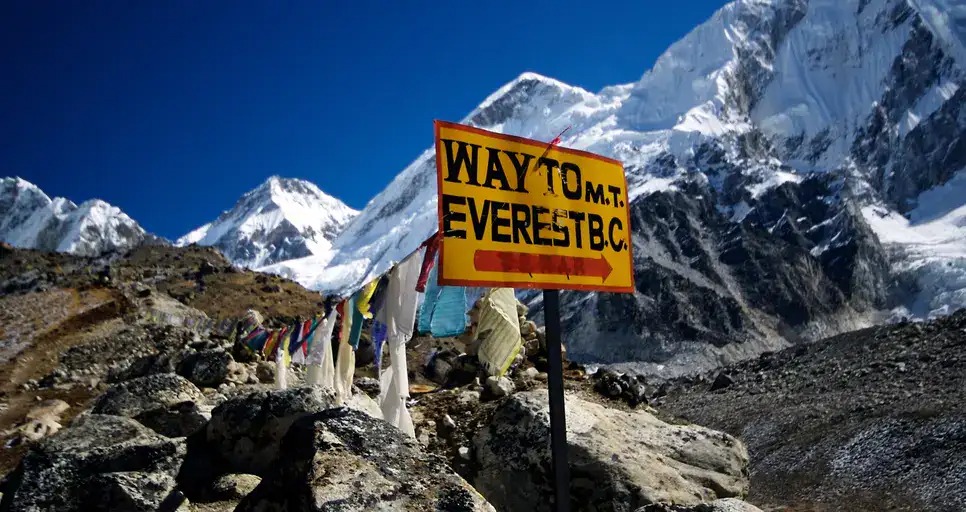
As a result, Everest Base Camp's temperature in the month has a series of freezing nights and the threat of mountain sickness. This is probably why there has been a lot of interest in the Everest base camp packing list or kits these days.
The serenity and fresh mountain air of November will ensure that when you are ready, you will have a breathtaking experience of a trek at a top altitude like the Everest Region. It is therefore an optimal time to scale Everest Base Camp. The perfect skies, clean air, and quiet surroundings offer heavenly opportunities to view the mighty Himalayas, making it the ideal place for a trekking trip.
Overview of the Everest Base Camp Trek Route
The duration of the Everest Base Camp trek is generally around two weeks. The starting point and the closest airport are Lukla, a small town situated up in the mountains. From there, the trek begins. The route leaves Lukla and heads into the verdant highlands and, more intriguingly, into charming Sherpa settlements, where you can taste the local way of life.
Along the route, stops at Namche Bazaar, Tengboche, and Dingboche will be made; each offers unique experiences and helps with acclimatization to the altitude at Everest Base Camp.
The Everest Base Camp Trek is generally considered the Annapurna Base Camp Trek due to its higher altitude of 5,364 meters, which increases the risk of altitude sickness and involves more rugged terrain.
Approaching the base camp, the best sights, such as Nuptse and Lhotse, will stand out in vivid allure come November. The last destination of the trek is Everest Base Camp, where one finds oneself right at the bottom of the highest mountain on earth.
Why November is a Great Time for the Trek
November is considered one of the most popular months to do the Everest Base Camp (EBC) Trek because it features the best weather, beautiful scenery, and amazing cultures. For a first-timer or an experienced trekker, these are the main reasons why November can be the best month to do the EBC trek.
Weather and Climate in November: What to Expect
1. Stable Weather Conditions
November lies amid some of the most consistent weather in the Everest Region. It is post-monsoon, and the cold has not yet taken full hold, making the trekking conditions mild and comfortable. The clear skies give a trekker an excellent view of the majestic Himalayan ranges, including Mount Everest. It is cool, with daytime temperatures averaging 12-16 °C; nights can get cold, and, most importantly, in high-altitude areas, the weather is not favorable. So adequate preparations have to be made.
2. Stunning Autumn Scenery
The autumn season in Nepal, which peaks in November, offers breathtaking views of the landscape. The trail is surrounded by lush greenery, vibrant forests, and a crystal-clear atmosphere, making the trek even more scenic. You'll be rewarded with panoramic views of snow-capped mountains, including Ama Dablam, Lhotse, and Nuptse, all standing tall against the blue skies.
3. Fewer Crowds
The Everest Base Camp trek is an all-time favorite, but November is not as grand as October, when the number of trekkers is higher. This can provide a friendlier, more personal experience along the trail. You will have the benefit of the peaceful calm of the mountains spread out in front of you without the burden of having to share space therein, and in this manner, you will be able to really soak in the stunning beauty and the calmness of the Everest Region.
4. Best Time for Photography
With clear skies and pristine landscapes, November is a dream for photographers. The cool weather guarantees clear sights of mountains, and this is the best time to see the majestic Himalayas in all their splendor. Whether you're taking photos of the dramatic Lukla Airport, the iconic Tengboche Monastery, or the stunning view of Everest from Kala Patthar, November has the best time of day for shots in town.
5. Comfortable Trekking Conditions
November is a comfortable time for trekking, with moderate daytime temperatures and little rainfall. They are easy to ascend because the trails are dry, so one need not worry about muddy trails or slippery routes. The nights are apparently cold in higher altitudes, but the sun is warm during the day to make the long hours of trekking more bearable, and it's worth it.
6. Cultural Encounters
In November, you'll also have the chance to experience the rich Sherpa culture. The base camp trail passes through traditional villages, such as Namche Bazaar, where you can communicate with the local people. And visit the monasteries and learn about the unique traditions of the Himalayan communities. Many trekkers consider this cultural aspect one of the highlights of their journey, as it offers an immersive experience into the daily life of the people living in the Everest Region.
7. Health and Safety
Altitude does affect trekkers, but November offers a moderate climate that supports acclimatization. It is not a trek that takes place during the monsoon season, which is a bad time to trek, as there is a higher chance of developing altitude-related sickness due to the lack of precipitation. Nonetheless, it is crucial to be on the safe side and take necessary precautions, such as carrying a properly packed Everest Base Camp packing list and getting a travel insurance policy that would protect during high-altitude trekking.
Wondering about Everest's location, read the blog "Where is Mount Everest Located?"
Preparing for the Everest Base Camp Trek in November
When trekking to the Everest Base Camp, some things take time to organize. We are packing to ensure it is ready for the cold peak season in November. These are what you should know:
Essential Gear and Packing Tips for Cold Weather
Layering System:
Take advantage of the layering system: base layers that draw the moisture off, mid layers that trap heat, and waterproof layers. This lets you wear your clothes or shed them according to the weather and the amount of physical activity that you are undertaking.
Quality Sleeping Bag:
Buy a more resistant sleeping bag to protect against the cold, particularly at night at high elevations (preferably -15 degrees or cooler).
Sturdy trekking boots:
Protective, waterproof trekking boots with sufficient ankle support are preferred. Make sure to put them on before the expedition so that you will not get sores.
Warm Accessories:
Remember warm caps, mittens, and neck wraps. Hand warmers can also be an additional supplement for warmth when the journey gets chilly.
Hydration System:
Carry a water bottle or hydration bladder to ensure a sufficient water intake during the activity. Insulated bottles can prevent water from freezing inside the container.
Sun Protection:
Put on sunglasses, apply sunscreen to your lips, and use an SPF lip balm. Due to the region's altitude, the sun's rays are very intense, even in the cold season.
First Aid Kit:
Pack a first-aid kit that includes altitude sickness pills, pain medication, and a few options for foot care.
Physical Fitness and Training for High-Altitude Trekking
Cardiovascular Fitness:
Outdoor activities like climbing, running, or even cycling boost cardiovascular health. It is recommended to engage in moderate aerobic exercise for about 30 minutes, three to four days per week. This will also help keep you occupied without causing fatigue.
Strength Training:
Add resistance training that targets the lower body, abdomen, and upper limbs. Enormous muscles will help you carry your backpack and traverse rugged terrain.
Hiking Practice:
Go for practice hikes with a weight on your back. This will help you get accustomed to the weight and increase your endurance.
Altitude Acclimatization:
Rest at a higher altitude and acclimatize your system to anticipate a possible low-oxygen level before you begin your trekking mission. The level of acclimatization is important during the trek around Everest Base Camp, where the elevation is 5,364 meters.
Also, if you are wondering about the right equipment for high-altitude trekking, don’t worry—we’ve got your back.
Planning Your Trek: Itineraries and Permits
Choose your itinerary:
In November, consider various routes for the Everest Base Camp trek and decide which one to take. Also, compare the details, such as the trek length, acclimatization days, and additional routes, such as those to Gokyo Lakes and Kalapatthar, which will depend on one's fitness and preferences.
Book your permits:
You need to obtain relevant permits, including the TIMS (Trekkers' Information Management System) card and the entry permit for Sagarmatha National Park. It would be helpful to ensure that all these items are organized in advance to avoid any inconvenience or delays.
Local Guides and Porters:
Using Porter or Guides can help when hiking. They are conversant with the land and can demonstrate direction and carry the load.
Travel Insurance:
Make sure you are covered in case you are unable to make the November Everest base camp trek, with any refunds of payment to cover the altitude sickness and other emergencies. This is necessary to de-stress on the way.
Taking the proper measures before undertaking an Everest Base Camp Trek ensures one achieves the journey's intended goal: to traverse the beautiful highlands of the Himalayas.
Experiencing the Everest Base Camp Trek in November
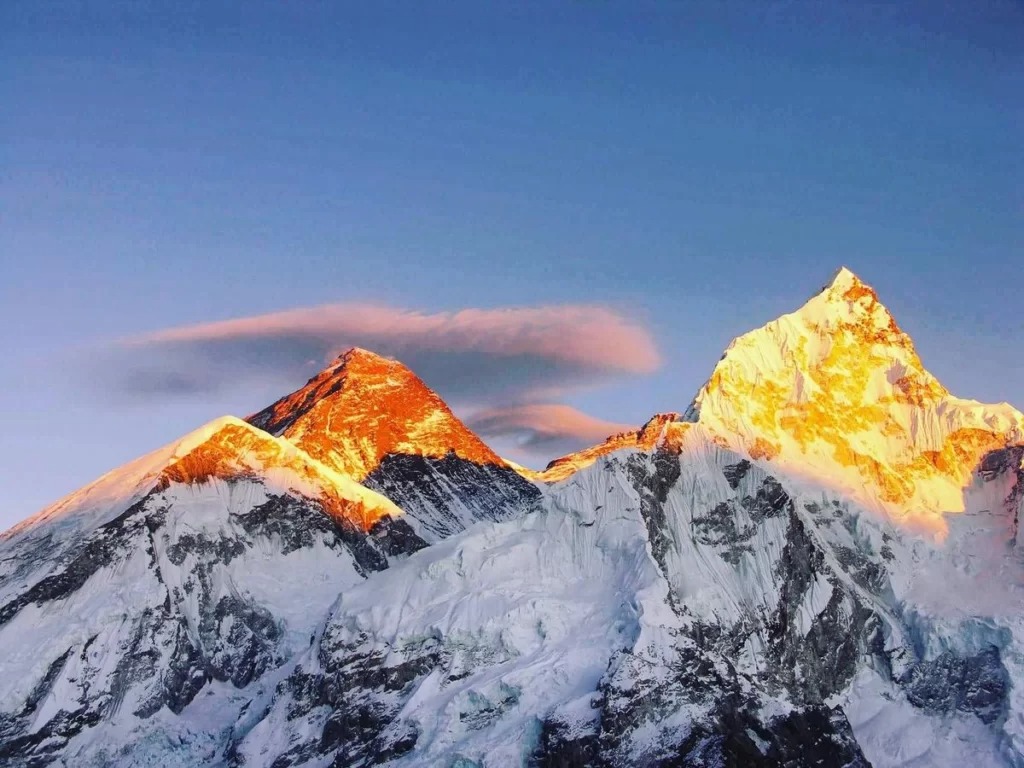
The Everest Base Camp Trek in November is a once-in-a-lifetime opportunity to experience the magnificent views and scenery of the Himalayas. Here are the expectations you should have during the trek:
Autumn Scenery: Vibrant Colors and Clear Mountain Views
Stunning Landscapes:
It is all about the stunning autumnal sights in November, beautiful, luscious valleys turning into exquisite shades of ochre and brown. The sights of the cold, snow-covered mountains, such as Mount Everest, the tallest, are even more brilliant against the clear blue sky.
Photography Opportunities:
With less humidity and clear visibility, it is incredible how good the visibility is, even the best for photography. With that, all-mountain ridges and flowers come alive.
Golden Rhododendrons:
During this time, the rhododendrons bloom, making the scenery more exciting and colorful when you go on a trek.
Unique Wildlife and Flora Found Along the Trail
Biodiversity:
The area has abundant wildlife, and if one goes trekking in November, one may chance upon the elusive Himalayan tahr, musk deer, and various birds.
Flora Diversity:
The entire trek comprises distinct ecological belts that support a variety of plant life. There are brightly colored alpine flowers and thick stands of conifers, including pine, fir, and other trees.
Cultural Interactions:
Interacting with the people living in the regions surrounding the trek helps one understand their customs and lifestyles, making the trekking experience more enjoyable.
Crowd Levels and the Benefits of the Everest Base Camp Trek in November
Fewer Tourists:
Compared with peak months, the number of adventurers decreases significantly in November, allowing for a more peaceful experience. One can relax and enjoy nature in its purest form without too many people around.
Enhanced Experience:
Fewer people on the paths enhance one's enjoyment of the scenery and the peace in the mountains, allowing one to enjoy nature without disruptions from other travelers fully.
Accommodations:
Fewer trekkers also means one is more likely to get beds in lodges, etc. For instance, you will probably get rooms at some tea houses, which are often overcrowded during peak season.
The Everest Base Camp Trek in November is satisfying, offering breathtaking views, thrilling wildlife encounters, and fewer trekkers overall. Seize the chance to travel along one of the world's most famous pathways at a time of year when the Peak of the Himalayas is at its most magnificent.
Challenges and Tips for the Everest Base Camp Trek in November
The Everest Base Camp Trek in November offers incredible views and great weather. But it is essential to be aware of the difficulties you may face at Everest Base Camp during the trek. Very cold temperatures, high altitudes, mountainous terrain, and limited facilities may make the trek quite grueling. But all of this can be addressed through adequate planning, fitness, and the best equipment.
Dealing with Lower Temperatures and Cold Nights
Understanding the temperature changes at Everest Base Camp throughout the year helps you prepare better, especially for the cold conditions in November.
| Month | Day Temperature | Night Temperature | Weather Notes |
| January | -10°C to 4°C | -20°C to -10°C | Extremely cold, few trekkers |
| March | -5°C to 10°C | -15°C to -5°C | Dry with clearer skies. |
| May | 5°C to 15°C | -5°C to 0°C | Warmest pre-monsoon month |
| July | 8°C to 17°C | 0°C to 5°C | Rainy, poor visibility |
| November | -5°C to 12°C | -10°C to -15°C | Dry, crystal-clear skies—ideal for trekking |
November strikes the perfect balance: the monsoon is long gone, and the brutal winter cold hasn't fully arrived. Days are sunny and crisp, while nights can be icy—so pack well and layer smartly.
This is why being well-prepared before the trek is crucial to ensuring a safe and enjoyable trek.
Tips for Staying Safe and Comfortable on the Trail
Stay Hydrated:
Thirst is normally suppressed in cold surroundings. It is best to remember to keep hydrated. Later plays a role in preventing altitude sickness, which may occur at the low altitude of Everest Base Camp.
Listen to Your Body:
In the trek, pay attention to your body. When you start experiencing the symptoms of altitude sickness, such as headache, nausea, or dizziness, do not hesitate to go down to a lower altitude and, if necessary, consult a doctor.
Plan for Variable Weather:
The weather on the Everest Base Camp trek in November can be unpredictable, so be prepared. You should also carry a raincoat and windproof layers.
Warm Sleeping Arrangements:
One can also experience freezing nights at elevations near Everest Base Camp. Make sure your room is well-heated and, better still, bring your own sleeping bag that retains heat and a portable liner.
Dress in Layers:
To cope effectively with reducing temperatures, wear many layers of blankets. This will enable you to adjust your body temperature appropriately and remain comfortable during the day and even at night.
Weather & Temperature at Everest Base Camp in November
November brings cold days, freezing nights, and dry, stable weather with clear skies. It's one of the driest months in the Everest region, offering excellent visibility and fewer clouds. The temperature at Everest drops significantly with altitude, and while daytime trekking can be manageable with layers, nights are extremely cold above 4,000 meters. Now is rare but possible at higher elevations, and wind chill can make it feel colder than actual readings. If you're wondering about the temperature on Mount Everest in November, expect extreme cold as you ascend, particularly in the early morning and after sunset.
| Location | Elevation (m) | Avg. Day Temp (°C) | Avg. Night Temp (°C) |
| Lukla | 2,860 | 10 to 12 | 2 to -2 |
| Namche Bazaar | 3,440 | 5 to 7 | -5 to -8 |
| Dingboche | 4,410 | 0 to 2 | -10 to -12 |
| Lobuche | 4,940 | -2 to 1 | -12 to -15 |
| Everest Base Camp | 5,364 | -5 to 0 | -15 to -20 |
Is the Everest Base Camp Trek Difficult in November?
Trekking to Everest Base Camp in November is no walk in the park — but it's not reserved for extreme adventurers either. The route itself isn't overly technical, yet the cold temperatures, thinning air, and long days on foot raise the challenge. As you ascend beyond 4,000 meters, the combination of winds and reduced oxygen becomes more challenging with each step.
Trail Conditions in Late Autumn
The trail is generally stable with no monsoon mud or ice buildup. However, icy patches can form in the mornings, especially near Gorak Shep and Base Camp.
Impact of Cold on Trekking Difficulty
Cold can be mentally and physically challenging. You must properly layer and carry sleeping bags and quality gear. cclimatization becomes more challenging as your body works harder in the cold.
Physical Fitness & Mental Preparation
You must be in good physical condition. You must be able to walk 5-7 hours a day. Mental resilience is key when facing cold temperatures and altitude-related stress.
Dealing with Altitude Sickness and Acclimatization During the Everest Base Camp Trek in November
Altitude sickness is something every trekker needs to watch out for once you climb above 2,500 meters. The best way to stay safe is to take it slow, give your body time to adjust with rest days, and really pay attention to how you're feeling. Drinking plenty of water and skipping alcohol can make a big difference in keeping those nasty symptoms at bay.
Symptoms of AMS, HAPE, and HACE
Acute Mountain Sickness (AMS) symptoms include headaches, nausea, and fatigue. Severe forms like HAPE (fluid in lungs) and HACE (brain swelling) are life-threatening and require immediate descent.
Acclimatization Strategy for November Trekkers
Take two acclimatization days: usually in Namche Bazaar and Dingboche. scend slowly and follow the "climb high, sleep low" rule.
Altitude Profile (Lukla to Base Camp)
- Lukla (2,860m)
- Namche (3,440m)
- Tengboche (3,860m)
- Dingboche (4,410m)
- Lobuche (4,940m)
- Gorak Shep (5,164m)
- EBC (5,364m)
Travel Insurance:
Given the potential health complications, having appropriate travel insurance for the Everest Base Camp trek in November is essential. Remember to take insurance that covers altitude sickness treatment and medical rescue, which may be required during the trek and in other situations.
Learning to expect the conditions encountered on the Everest Base Camp Trek in November will enhance the overall safety and enjoyment of the journey. Knowing the temperature variations, drinking plenty of fluids, and taking appropriate health measures will allow you to enjoy the dazzling trekking in the Himalayas fully!
For those seeking a more convenient return journey, the Everest Base Camp Trek with Helicopter Return offers a quicker, more scenic way back from the adventure. By planning carefully and trekking with experienced guides or agencies, you can ensure a safe and memorable journey.
Permits You Need for EBC Trek in November You'll need three permits: TIMS Card, Sagarmatha National Park Permit, and the Khumbu Pasang Lhamu Rural Municipality Permit.
To legally trek to Everest Base Camp, permits are compulsory. These permits ensure your safety. These help manage the environmental impacts of trekking and support local communities.
TIMS Card (Trekkers' Information Management System)
The TIMS Card is mandatory for your official registration as a trekker in Nepal. It helps the government track who is trekking in remote areas. provides important support in emergencies. It's like a safety net that keeps you connected to rescue services if something goes wrong on the trail.
Sagarmatha National Park Entry Permit
This permit grants you access to Sagarmatha National Park, which encompasses the Everest region. The park is a protected UNESCO World Heritage Site. I have some different wildlife and ecosystems. The fees charged here go towards protecting and preserving this beautiful environment. I guarantee that trekking tourism is viable for future generations.
Khumbu Pasang Lhamu Rural Municipality Permit
This local permit supports the community administration in the Khumbu region. The funds collected are used for local infrastructure, trail maintenance, and community services. O tained at Lukla or Monjo. I am an important part of giving back to the villages and people who make your Everest adventure possible.
Cultural Highlights of the EBC Trek in November
Everest Base Camp Trek in November. The November trek will offer magical views and physical activity; it is a delightful experience with an opportunity to connect with locals and their traditions in the Khumbu region. Here are the cultural expectations that you will encounter along the way:
Exploring Sherpa Villages and Local Hospitality
Sherpa Culture:
The walk itself is mesmerizing, as you will be immersed in and engaged with the Sherpa lifestyle. The people are characterized by bravery, great mountain climbing skills, and rich customs, which you will enjoy when touring places like Namche Bazaar and Tengboche.
Warm Hospitality:
Sherpas are hospitable. Most of the tea houses along the way are owned by local families, allowing you to share a meal with them, talk with them, and learn about their way of life.
Traditional Cuisine:
Ensure you also order local food items like "dal bhat," since it is impossible for an average trekker to skip such meals when visiting agencies. Di is unique to the region, and its people are essential to healing the trekkers.
Visiting Tengboche Monastery and Other Spiritual Sites
Tengboche Monastery:
The most striking feature of this monastery, situated at an altitude of 3867 m, is that it has one of the largest collections of wall paintings in the area. Tracking to Tengboche Monastery affords views of snow-capped Mount Everest Base Camp and many other mountains.
Spiritual Significance:
The edifice's importance extends beyond its physical structure—it is an active focal point and hub for local cultural activities where people congregate. If you are fortunate enough to be there, then you will better understand how they live by listening to their daily prayers or even taking part in the special prayer festival.
Other Cultural Sites:
Besides the main pathway, monasteries and chortens, among other monuments, form part of the Sherpa way of life. Each such site enhances understanding of the region's Buddhist traditions and the bond between nature and religion.
The trek to base camp at Mt. Everest in November is filled with amazing sights, but it is also considered more of a cultural tourism experience. Observing Sherpa villages, visiting religious sites, and participating in local dances and festivals enrich the trek and make it more meaningful for travelers. If you think about the adventure itself, all of these experiences enhance its cultural aspect.
Conclusion: Why November is the Perfect Month for the Everest Base Camp Trek
November is undoubtedly the best month for the Everest Base Camp Trek. The weather conditions are best for trekking at the Everest Base Camp Trek in November, and the beautiful autumn scenery is accessible to hungry summertime trekkers. In addition, make sure to include the Everest Base Camp trek in your November travel insurance for extra cover.
On your way to Everest Base Camp, you will be greeted by some of the best sights and culture, and your journey will be an experience you will never forget. To take a very nice and well-organized trekking company, you can book with Boundless Adventure. Boundless Adventure is a group of experienced travelers who guarantee you a safe trip and many unforgettable memories. Their trained guides and tailor-made programs ensure you maximize your November trip to reach Everest Base Camp.
Explore our Everest Region Trekking Packages
FAQs
Can you trek to Everest Base Camp in November?
Yes, November is one of the best times to trek to Everest Base Camp. During this month, the weather is dry and stable. So this month offers clear mountain views and moderate daytime temperatures. However, nights can get cold, so proper gear and warm clothing are essential.
What is the weather like at Everest Base Camp in November?
November at Everest Base Camp brings dry, sunny days and freezing nights. Expect daytime highs around 10°C and nighttime lows of -10°C to -15°C. It's ideal for mountain views but requires cold-weather gear and layering.
What is the overview of the Everest Base Camp Trek?
The Everest Base Camp trek is estimated to last about 12–14 days, commencing at Lukla. It includes splendid other village walks far from the base camp, 5364 (17598) ft. The culture and geography of the trek are equally enjoyable in their magnificence.
Which month is best for the Everest Base Camp Trek?
The best months for the Everest Base Camp Trek are between late September and early November, with October being the busiest. In November, excellent weather conditions will be experienced, minus the crowds and the sights, but you can expect cold weather.
Do I need travel insurance for the Everest Base Camp trek in November?
Yes, travel insurance is highly recommended for trekking to Everest Base Camp in November. Choose a policy that covers high-altitude trekking (up to 6,000 meters), altitude sickness, helicopter evacuation, and trip delays due to weather.
How long is the Everest Base Camp Trek?
The classic Everest Base Camp trek takes about 12–14 days. It starts with a flight to Lukla and follows a route through Namche Bazaar, Tengboche, Dingboche, and Gorak Shep before reaching base camp at 5,364 meters.
Is November better than October for the Everest Base Camp trek?
November offers views similar to October's, with fewer crowds and colder nights. While October is busier and slightly warmer, November gives you a quieter, more peaceful experience—perfect for trekkers who enjoy solitude and crisp autumn weather.
What should I pack for Everest Base Camp in November?
In November, pack warm layers, a down jacket, thermal base layers, gloves, and a -15°C rated sleeping bag. Waterproof boots, trekking poles, sunscreen, lip balm with SPF, and a hydration system are must-haves. Don't forget high-altitude medicine and travel insurance documents.
➡ Related: [Everest Base Camp Packing List]
How cold does it get at Everest Base Camp in November?
At Everest Base Camp in November, temperatures can drop to -15°C at night. During the daytime, the temperature can range from 8–12°C, especially at lower elevations such as Namche Bazaar. The wind can make it feel colder, so windproof gear is recommended.
Is altitude sickness common during the Everest Base Camp trek in November?
Yes, altitude sickness is a common risk year-round, including in November. The base camp sits at 5,364 meters, and symptoms can begin as early as Namche Bazaar. Include acclimatization days, ascend slowly, and stay hydrated to reduce the risk.
➡ Related: [Everest Base Camp Altitude]
Are the teahouses open along the Everest Base Camp route in November?
Yes, almost all teahouses remain open in November. It's the tail end of the autumn trekking season, so accommodations are available and less crowded. Still, nights are cold, so make sure the teahouse provides extra blankets or bring a liner.
Do I need a guide for the Everest Base Camp trek in November?
While solo trekking is allowed, hiring a guide in November is highly recommended. Trails can be icy, and the weather can change rapidly. A licensed local guide improves safety, handles logistics, and enhances cultural experiences along the route.
How difficult is the Everest Base Camp trek in November?
The EBC trek in November is moderately difficult due to high altitude, cold nights, and rugged terrain. It s non-technical, but a good level of fitness, mental preparation, and proper gear are essential for completing the 12–14 day journey comfortably.
➡ Related: [Everest Base Camp Trek Difficulty]
Are there any festivals in the Everest Region during November?
Yes, Mani Rimdu is a major Sherpa festival celebrated at Tengboche Monastery in November. If your trek falls on those dates, you can witness the colorful masked dances, rituals, and prayers of the Sherpa people. It is an unforgettable cultural highlight of the journey.
Can I get a helicopter return after the Everest Base Camp trek?
Yes, helicopter returns from Everest Base Camp or Gorak Shep are available in November. This is a popular option for those who are short on time or wish to avoid retracing the route. It's scenic, fast, and often used in emergencies.
➡ Related: [Everest Base Camp Trek with Helicopter Return]
Is the Lukla flight reliable in November?
Yes, November offers some of the most reliable flight conditions for Lukla. Clear skies and dry weather reduce cancellations and delays compared to the monsoon months. Always schedule buffer days, just in case.