


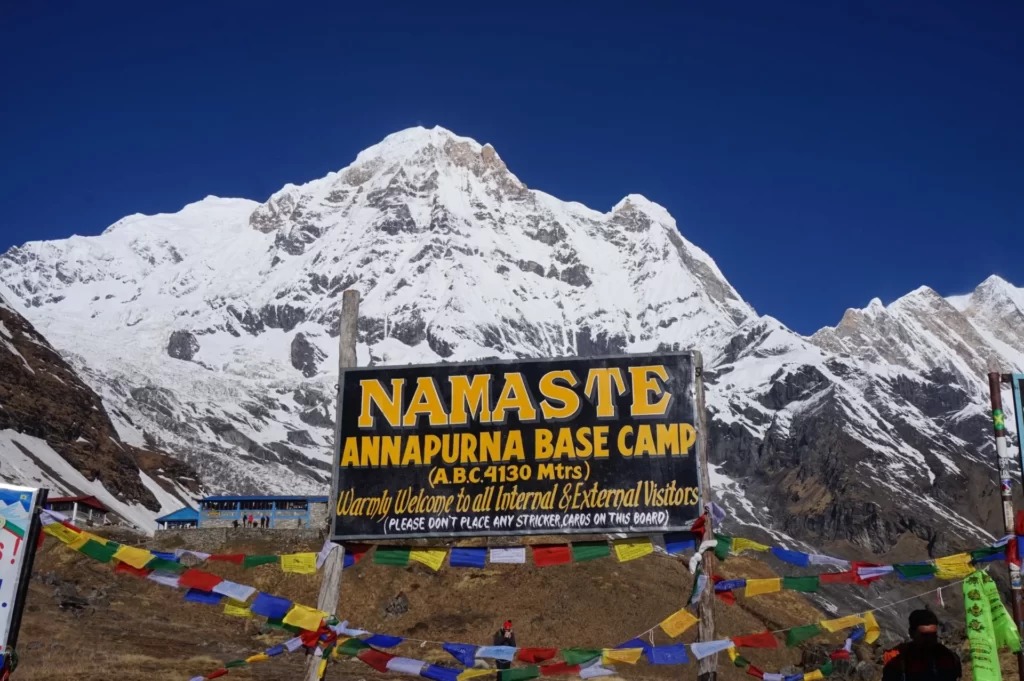
Many travelers often call the Annapurna Base Camp Trek an epic adventure. But before you dream about the stunning Himalayan hills, ask yourself: Are you ready? Any trek has a purpose – to reach some high mountains, to meet some local communities, or something personal. Nevertheless, the steep paths, elevation, and physical demands can easily turn this incredible adventure into a tough one unless you are well prepared.
The Annapurna Base Camp (ABC) trek is one of the most visited treks in the Annapurna Region, offering amazing views of the Himalayas. It takes you through diverse landscapes, from lush forests to alpine meadows to the base of the majestic Annapurna massif. Planning is critical if you're wondering how to prepare for the Annapurna Base Camp Trek. We are involved in the physical preparation, the collection of appropriate trekking equipment, and the knowledge of the required permits for the Annapurna Conservation Area. After thorough preparation, you will be ready to experience this amazing ride.
Quick Preparation Checklist for Annapurna Base Camp Trek
Physical Preparation
- Start cardio & strength training 6–8 weeks before the trek
- Focus on endurance hikes, stairs, and leg workouts
- Aim to comfortably walk 10–15 km per day with a loaded pack
Acclimatization
- Choose an itinerary with gradual altitude gain
- Plan 1–2 rest days
- Stay hydrated and ascend slowly to avoid AMS
Packing Essentials
- Layered clothing (base, insulation, waterproof)
- Sturdy trekking boots, UV sunglasses, and a down jacket
- Sleeping bag (good for -10°C), water purifier, headlamp
Best Time to Go
- Spring (March–May) and Autumn (Sept–Nov)
Avoid monsoon (June–Aug) and deep winter (Dec–Feb)
Understanding the Annapurna Base Camp Trek
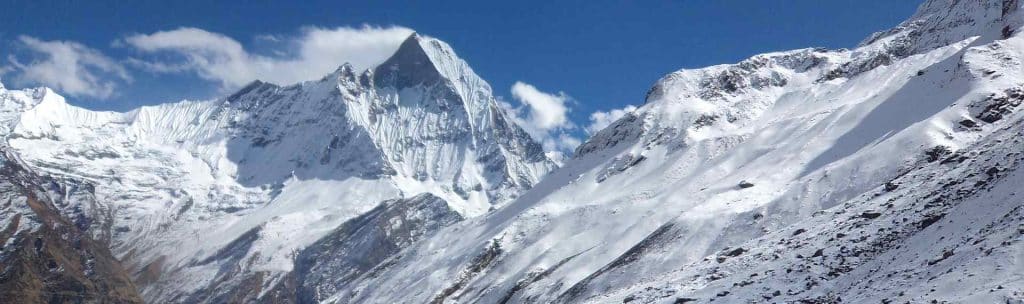
The Annapurna Base Camp Trek offers a fascinating experience for trekkers as it traverses diverse scenery, from exotic rhododendron forests to harsh high altitudes, culminating at the highest point, 4,130 meters, at Annapurna Base Camp. This trek offers excellent views of the Annapurna Massif and Machapuchare; however, the most spectacular view is in the morning, when the peaks are bathed in golden sunrise light.
In addition, you will interact with locals in the Gurung and Magar villages and learn about their cultures and ways of life. As the journey unfolds, the towering Himalayas capture everyone's attention, especially for trekkers who love to see nature's beauty.
The Annapurna Base Camp Trek offers unique experiences, whether walking on a suspension bridge or seeing a glacier. Every one of them is full of extraordinary moments.
Why Choose Annapurna Base Camp Over Other Treks?
- Moderate Difficulty Level: The Annapurna Base Camp Trek is relatively easy compared to the challenging Everest Base Camp trek. Therefore, it can be undertaken by trekkers of any experience level. That means there is more room to enjoy the process rather than to be stressed by simply undertaking it.
- Cultural Immersion: On the way, you can also enjoy the hospitality of the Gurung and Magar ethnic groups that inhabit this area. Their dynamic culture and way of life integrate well with this remarkable trekking expedition.
- Stunning Scenery: Take delight in the splendid views of the Annapurna Massif and Machapuchare, especially during sunrise, when the peaks are breathtakingly visible. This trek provides one of the best mountain scenery on earth.
- Flexible Itineraries: You can make your way to the Annapurna with a ladder trek, as the available itinerary for this trek is flexible. Depending on your timetable and physical fitness, you can make it more or less strenuous. Therefore, it accommodates both beginners and advanced trekkers.
- Diverse Landscapes: Trekking through varied aspects of the environment, including lush vegetation and extreme high-altitude terrain, the scenery is always new, making the expedition enjoyable. Every game changer in the journey represents a different beauty of nature in Nepal.
- Community Support: Supporting the Annapurna trek makes one a responsible traveler. It assists the local communities and boosts eco-friendly tourism. Your journey adds value to your life and the economic activities of those you meet on that trip.
Recommended Read: Adventure in Annapurna Base Camp Trek
Key Facts You Should Know Before You Go
- Trek Duration: The Annapurna Base Camp Trek generally takes 10 to 14 days, depending on the chosen itinerary and pace. This duration allows you to properly acclimatize and take in the beautiful sights without hurrying.
- Trek Difficulty: The trek is challenging, but "moderate" is subjective, so you should know your fitness level for Annapurna Base Camp. Some physical training and endurance workouts will be beneficial in overcoming the challenges bound to be encountered along the way.
- Best Time to Trek: The best times to trek to Annapurna Base Camp are spring, between March and May, and autumn, from September to November. The weather is relatively stable in those months, with good views and moderate temperatures.
- Permits Required: The Annapurna Conservation Area Permit (ACAP) and the Trekkers' Information Management System (TIMS) card permission are compulsory. These permits are necessary to maintain safety and manage the trekking regions.
- Accommodation Options: Plenty of lodges and teahouses offer basic yet decent accommodation. The lodges are also suitable for immersing oneself in the region's culture and hospitality.
- Altitude Considerations: The trek ascends to the base camp at 4130 meters, which carries a risk of altitude sickness. To complete the trek successfully, one must be aware of the symptoms and take necessary precautions regarding acclimatization.
After reviewing some critical details about the trek, let's focus on the necessary physical training to complete it successfully.
Physical Fitness and Training for the Annapurna Base Camp Trek
Now that you've familiarized yourself with the critical elements of the trek, it's time to focus on how to prepare for the Annapurna Base Camp Trek. Understanding the difficulties of the Annapurna Base Camp Trek is essential for a successful journey. The steep trails, high altitudes, and long hours of walking can be demanding, so building your endurance, strength, and stamina is crucial. Proper preparation will help you handle the challenges and fully enjoy the adventure.
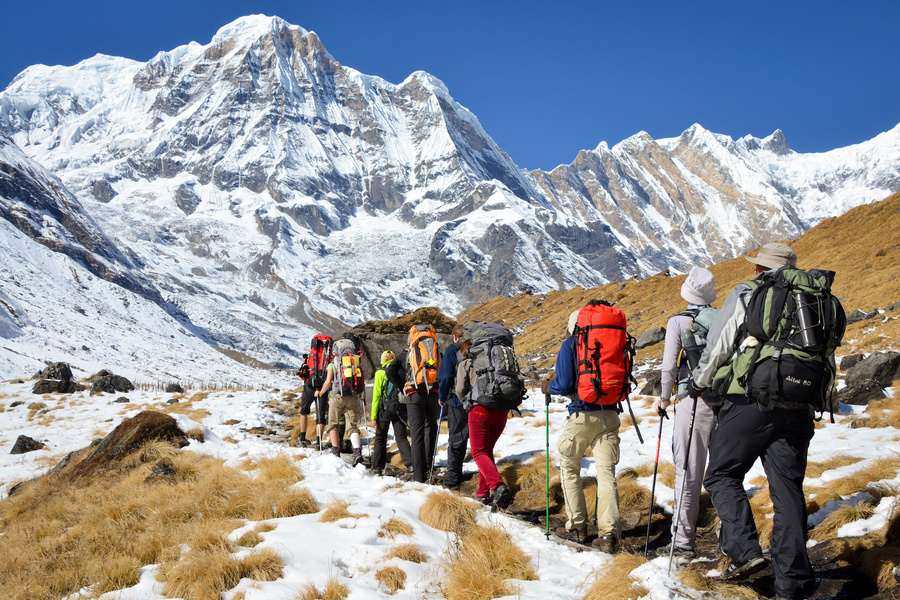
Building Stamina: How Fit Do You Need to Be?
Daily Trekking Hours: This trek requires about 5-7 hours of walking per day, so a certain level of endurance is necessary to sustain even long-distance walking. If such activities are to be pleasant, you must be assured that you can endure them for several days in a row.
Elevation Gains: Some steep climbs are expected to strain; therefore, one has to be sufficiently fit to do these climbs without excess exhaustion. There are hills and valleys where a certain level of preparedness helps trekkers maintain a steady pace, which is necessary for any good trek.
Endurance for Consecutive Days: The trek spans multiple days, exerting physical and mental strength towards an active, easy endurance level. The relatively long crispness of a day must have spelled the ease-weight and allowed for ways of clashing with such lengths, enabling the weather to be enjoyed.
Altitude Adaptability: The challenge at Annapurna base camp, 4,130 meters above sea level, is the low oxygen concentration. Being physically fit will allow one to adjust to higher altitudes with a lower likelihood of contracting altitude illness, making the trek more pleasurable.
Moderate Fitness Level: You do not need to be a super athlete. Since it is still there, there is a range of mentally and physically challenged people. With enough preparation, one can enjoy the beautiful sights and diverse cultures without tiring or exhausting oneself during the trek.
If you still need to prepare for the physical demands of trekking but still want to experience the beauty of the Annapurna region, consider the Annapurna Base Camp Helicopter Tour, a great alternative.
Exercises to Strengthen Your Legs and Endurance
- Squats
- Lunges
- Step-Ups
- Calf Raises
- Hill or Stair Climbing
- Leg Press
- Walking or Hiking with Weights
Acclimatization: Why It's Crucial and How to Do It Right?
Acclimatization is one of the most critical factors when gearing up for the Annapurna Base Camp Trek. This will help you undertake the trek safely and comfortably. Therefore, let's examine its benefits and how you can prepare your body effectively for the altitude.
- Physical Adaptation to Altitude: Your body's ability to adjust to changes in oxygen levels helps ensure you have energy and good health during the trek. This physiological process encompasses all aspects of high altitude.
- Being Symptomatic: Understanding and, if necessary, acting on signs of altitude sickness, such as headache, dizziness, or nausea, is helpful. It is essential to notice and recognize this for trekking purposes.
- Take your time. A trekking program that highlights the progressive increase in altitude is useful. This encourages a healthy gradient of body adaptation to altitude.
- Stay Hydrated: Drink plenty of fluids to aid high-altitude acclimatization and prevent dehydration. Proper fluid intake helps sustain trekking without overstraining the body.
- Plan Rest Days: Rest days are just as important for healing and acclimatization, especially at high altitudes. Such periods give your body time to prepare itself for the next climb.
- Listen to Your Body: While it is essential to proceed with the trek, it is also important to pay attention to how your body feels and to watch for early signs of altitude sickness. If you feel discomfort, please inform your trekking group.
- Eat Well: A well-balanced diet of carbohydrates, proteins, and fats will provide energy during the trek. Satisfactory nutrition is also essential for your well-being and acclimatization.
- Gradual Climb: Climbing at a relaxed pace allows proper acclimatization and appreciation of the trail's fantastic views. Such an approach contributes to the body's adaptation and enhances the trekking experience.
Why Physical Preparation Matters for the ABC Trek
Annapurna Base Camp sits at 4,130 meters. As you gain elevation, the oxygen level drops, and your body has to work harder. Good physical fitness helps reduce fatigue and the risk of altitude sickness. Plus, it simply makes the experience way more enjoyable.
- High Altitude Means Less Oxygen: The higher you go, the thinner the air gets, making even small efforts feel tiring. A fit body helps you handle this change better.
- Long Walking Hours Every Day: You'll be trekking 5 to 7 hours daily, often uphill and downhill. Physical preparation builds the stamina needed to keep going comfortably.
- Carrying Your Backpack Adds Weight: Whether it's just a daypack or a full backpack, carrying weight over long distances is easier with strong core and shoulder muscles.
- Reduces the Risk of Fatigue and Injury: Strong muscles and joints help protect you from sprains, sore knees, and backaches, common issues on multi-day treks.
- Makes the Experience More Enjoyable: If you are fit, you will enjoy your trek to the fullest, chatting with locals and soaking up every moment.
- Helps Prevent Altitude Sickness: A healthier, well-conditioned body can adapt to altitude changes more efficiently, reducing the risk of altitude sickness.
6–8 Week Simple Training Plan
You must start training about 6 to 8 weeks before your trek to build up your stamina. Focus on cardio exercises like walking or jogging. Do not forget to include some strength training for your legs and core. If possible, try hiking with a backpack to get your body used to the real trail conditions; it makes a big difference.
- Cardio (3–4 times a week): Brisk walking, hiking, jogging, stair climbing, or cycling for 30–60 minutes. Gradually increase the intensity.
- Strength Training (2 times a week): Focus on legs (squats, lunges), core (planks), and back (deadlifts or resistance rows).
- Hike with a Backpack (Once a week): Carry a 6–10kg pack and hike on uneven terrain. It helps you simulate real trail conditions.
- Stretch and Rest: Always include rest days and gentle stretching to prevent injuries.
Sample Training Schedule (8 Weeks Out)
| Week | Focus | Details |
| 1–2 | Cardio Base | 3x/week: 30–45 mins brisk walking or jogging |
| 3–4 | Strength + Endurance | Add stair climbs, squats, lunges 2x/week |
| 5–6 | Load-Bearing Hikes | Hike with a 5–10 kg pack, increase distance (10–15 km/day) |
| 7–8 | Simulation & Taper | Back-to-back hikes on weekends, then taper 1 week pre-trip |
Packing Essentials for Annapurna Base Camp
Packing is one of the main things that you should consider to make your trek a success. The preparation for the Annapurna Base Camp trek should focus on physical training, camp equipment, and acclimatization strategies. Get yourself good trekking gear, such as proper trekking boots, warm clothing, and a good pack.
Below is a packing checklist for the Annapurna Base Camp Trek:
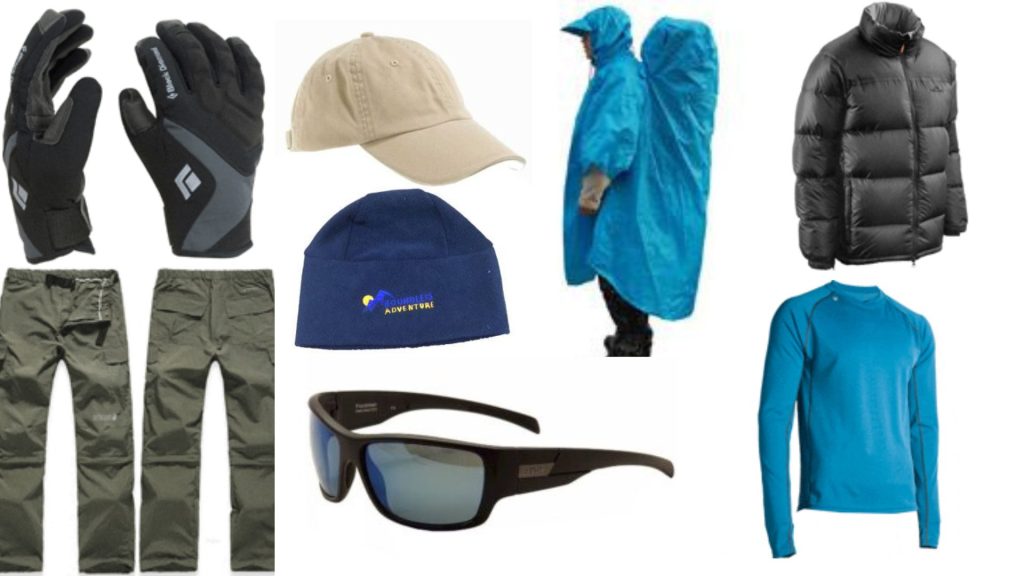
- Base Layers
- Fleece Jacket
- Down Jacket
- Trekking pants
- Waterproof jacket and pants
- Hat and gloves
- Trekkers' Boots
- Trekking socks
- Camp Shoes
- Trekking Poles
- Backpack
- Sleeping Bag
- Headlamp
- Water Bottles/Purification
- First Aid Kit
- Snacks
- Cleaning Agents
Essential Packing Checklist for Annapurna Base Camp Trek
While you're packing for Annapurna Base Camp, it's all about bringing the right stuff without overloading yourself. Thick layers of clothes for changing weather, sturdy boots, and some basic gear like trekking poles and a good sleeping bag. Don't forget important things like your permits and a small first-aid kit — those little details can make your trek way smoother.
Clothes (Layering System)
- Base layers (thermal tops and bottoms)
- Warm fleece or down jacket
- Waterproof and windproof outer shell
- Trekking pants (convertible ones are handy)
- T-shirts (quick-dry)
- Gloves, hat, and buff/scarf
- Woolen socks (4–5 pairs)
- Sports bra (for women), underwear
Footwear
- Trekking boots (well broken-in)
- Lightweight camp shoes or sandals
Equipment
- Trekking poles (help reduce knee strain)
- Sleeping bag (rated -10°C or rent in Pokhara)
- Backpack (40–50L)
- Headlamp with extra batteries
- Water bottles or a hydration bladder
Toiletries & Health
- Toilet paper, wipes
- Sunscreen & lip balm
- Toothbrush, paste, biodegradable soap
- Small towel
- Personal medications & first aid kit
Electronics & Misc
- Power bank (solar recommended)
- Universal adapter
- A camera or a phone with storage
- Extra memory card
Documents
- Passport copy
- TIMS Card & ACAP Permit
- Travel insurance papers
Best Time to Travel Annapurna Base Camp Trek
The best times for trekking to Annapurna Base Camp are spring (March to May) and autumn (September to November). These periods offer the most favorable weather and the most stunning scenery.
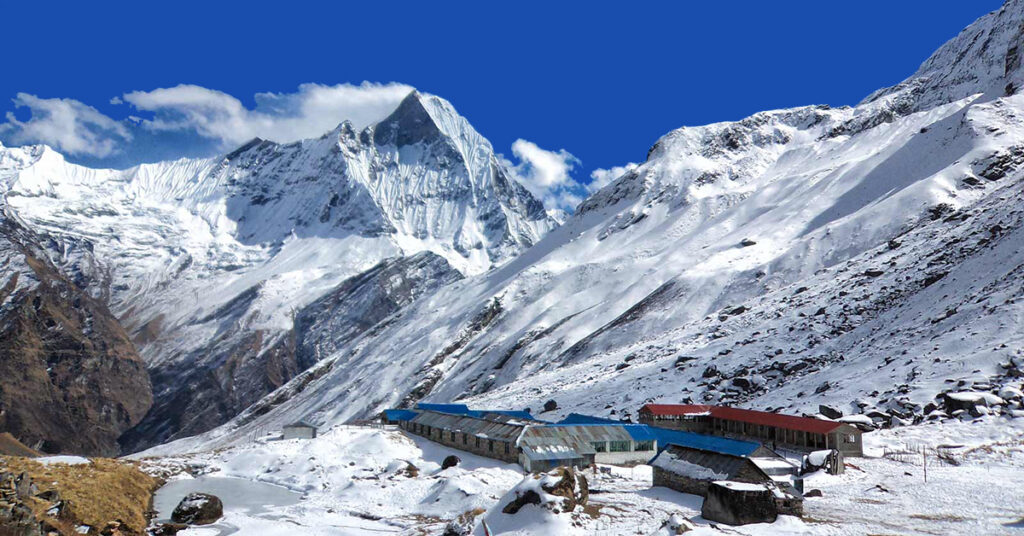
For detailed information, visit our blog "Best Time for Annapurna Base Camp Trek ".
How to Adjust Your Itinerary for a More Relaxed Trek
When planning a more relaxed Annapurna Base Camp (ABC) trek, it's essential to adjust your itinerary to include extra rest days and shorter hiking segments. Instead of rushing to cover long distances daily, consider breaking up the trek into smaller sections, allowing time to enjoy the stunning scenery and local culture.
Adding leisurely activities, like exploring villages or taking short detours to nearby viewpoints, can enhance your experience. Prioritizing acclimatization days will help your body adjust to the altitude, reducing the risk of altitude sickness. Overall, a more leisurely pace will make the trek more enjoyable and provide a deeper connection to the beautiful surroundings of the Annapurna region.
For a detailed day-by-day breakdown of the trek, including elevation gains and points of interest, check out our Annapurna Base Camp Trek Itinerary.
Tips for Handling Altitude Sickness and Dealing With Fatigue
One of the primary aspects that we shall discuss in detail is handling altitude sickness and fatigue. However, trekking to Annapurna Base Camp will likely put unnecessary strain on your body in ways you may not wish trip preparation would.
When trekking to high altitudes like Annapurna Base Camp, your body needs time to adjust to the thinner air, and that's where acclimatization comes in. Altitude sickness, also known as Acute Mountain Sickness (AMS), can affect anyone, no matter how fit or experienced they are. It often starts with mild symptoms like headaches or nausea, but if ignored, it can become serious. That's why it's so important to understand how acclimatization works, how to recognize the early warning signs, and what you can do to prevent altitude-related issues. A little awareness and smart pacing can keep you healthy and safe throughout the journey.
Some strategies for dealing with altitude changes and physical exertion will help you enjoy the trek even more.
Know the Symptoms:
It is essential to know the signs of altitude sickness, such as headaches, dizziness, or nausea. If these are identified early enough, measures like going back down can be taken. Knowing the dangers of altitude sickness will help one be alert during the entire trek.
Stay Hydrated:
A lot of water needs to be consumed for acclimatization and to avoid tiredness. Also, high-altitude illnesses can be aggravated by dehydration, so drink at least 3-4 liters of water each day. Drinking water from time to time while sitting out helps replenish the body's fluids in preparation for the next activity, keeping one in good shape on the trail.
Take it Slow:
While ascending, you must maintain a slow, consistent speed. Take things easy, and do not strain yourself, particularly at the beginning of the hike. Giving your body enough time to adapt to the new altitude is one way to prevent altitude-related problems.
Rest and Recover:
Ensure you also take the necessary breaks during your trekking period when you must stop. Climbs can be interspersed with brief halts to rest, enhancing performance and avoiding unnecessary fatigue. Take care of your body, and if it asks for a stop, be prepared to stop, as it might benefit your entire trek.
Consult with Guides:
Bringing in trained local guides will significantly help you cope with high-altitude illness or fatigue. They will follow up on your progress and recommend a schedule change if necessary. With the assistance of experts, you can ensure your safety and enjoy the trekking session conveniently.
Know When to Descend:
If protective measures are not applied to alleviate the effects of altitude sickness, the person should continue to a lower elevation. This should not be taken for granted, as neglecting these symptoms can lead to more complex issues. Always put your health first, irrespective of any other concerns. Listen to your inner voice and place safety concerns regarding the trip above getting there.
What Is AMS?
Acute Mountain Sickness (AMS) happens when you gain altitude too quickly. Symptoms include headache, nausea, dizziness, fatigue, and loss of appetite.
How to Prevent AMS?
- Hike slowly – no rush!
- Stay hydrated – drink 3–4 liters daily.
- Avoid alcohol and smoking.
- Take rest days for acclimatization.
- Listen to your body – don't push through symptoms
Should I Take Diamox?
Diamox is a medication that some trekkers use to help prevent altitude sickness by easing their body's adjustment to high elevation. However, it's not a magic cure and doesn't replace good acclimatization practices like climbing slowly and resting. Before taking Diamox, it's really important to talk to your doctor to make sure it's safe and right for you.
Tip: If symptoms get worse at altitude, descend immediately. Don't risk it.
Budgeting for Your Annapurna Base Camp Adventure
In our ongoing discussion regarding your trek to Annapurna Base Camp, it is important to consider financial perspectives for effective budgeting. The more you are acquainted with the different costs that consumers incur, the more realistic and easier your planning will be, and the more you will prevent yourself from incurring unnecessary expenses.
Cost Breakdown: Permits, Accommodation, Food, and Guides
- Permits: An Annapurna Conservation Area Permit (ACAP) costs around $30 USD, while the Trekkers' Information Management System (TIMS) costs about $20 USD. Therefore, the total permit cost is $50 USD.
- Accommodation: It is anticipated that a budget of around $5–$15 USD per night for basic teahouses and about $30–$50 USD for better-quality lodges at higher altitudes will suffice—the average total for ten nights is $100–$300.
- Food: Meals range between $3-7 USD for simple local meals in a teahouse and $10-15 for more complex meals. The total for ten days is $100-$200.
- Guides and Porters: The fees for hiring a guide are about $25–$30 per day, and for a porter, $15–$20 per day. The total for ten days (with a guide) is $250-$300.
How To Cut Extra Costs Without Skipping On Comfort
Locate budget teahouses (approximately $5–$15 USD per night) and eat at local restaurants (around $3–$7 per meal). You can bring food from lower elevations in advance, which can save you about $1–$2 per snack.
Is Hiring a Guide or Porter Worth It?
A guide will charge approximately $25 to $30 per day, while porters will cost about $15 to $20 per day. It will increase your costs, but it can greatly make a difference in your quest, especially with the first-timers.
Budgeting for souvenirs and tips:
Set some $50–$100 aside for souvenirs like crafts and other local items. Regarding tips, approximately 10% of the total cost of the Annapurna base camp trek should be budgeted for guides, porters, and other hospitality personnel.
- Setting up an Emergency Fund for Unexpected Expenses: An emergency fund of about $100-$200 should always provide insurance against potential costs, such as buying new gear or medical treatment.
- Foreign Currency and ATM Cards: Monitor your cash requirements and last-minute currency exchanges, as the rates for these services will change. If you will be going to far-off places, just be ready to walk around with cash, since ATMs are not guaranteed to be available. Also, bring around two hundred to three hundred dollars out for the trek and try to spend that on permits, lodging, food, and other surprises.
Top 10 Tips for Trekking to Annapurna Base Camp
Assess Your Fitness Level: Are You Ready for ABC?
First things first: how fit do you need to be? The Annapurna Base Camp trek isn't Everest-level intense, but it's not a Sunday Afternoon Stroll either. You'll cover roughly 70-80 kilometers (43-50 miles) over 7 to 12 days, climbing steep trails and navigating uneven terrain and descents just as much as going up.
How to train:
- Cardio Workout: running, cycling, or swimming will build endurance 3-4 times per week.
- STRENGTH TRAINING: Emphasize leg and core strength through squats, lunges, and planks.
- HIKING PRACTICE: Hit the local trails with a weighted backpack to simulate trek conditions. You want to enjoy the trek rather than huffing and puffing every few minutes.
With some training, you'll feel like you're gliding through those mountain paths; okay, maybe not gliding, but you get the idea.
Understand the Challenge: How Hard Is the Annapurna Base Camp Trek?
Let's address the big question: how hard is the Annapurna Base Camp trek?
Well, it's moderately challenging, yes, but very achievable with the right mindset and preparation. Here's what you're up against:
- Altitude: The trek tops out at 4,130 meters (13,550 feet). While it's not an extreme altitude, symptoms of altitude sickness can start around 2,500 meters.
- Daily Hours: Expect to trek 5-7 hours a day.
- Trail Conditions: Rocky paths, steep staircases, and, at times, slippery sections, especially in the monsoon.
Don't let this alarm you. Take it slow, hydrate, and listen to your body. The secret is to pace yourself while enjoying the journey, one step at a time.
Budget Wisely: How Much Does Annapurna Base Camp Trek Cost?
How much does this adventure cost? Here do nominal expenses stand:
- Permits: $40-$50 for TIMS and ACAP.
- Guide and Porter: A guide costs about $25-$30 a day, while a porter costs $15-$20 a day.
- Accommodation: Teahouses charge $5-$15 per night, depending on the season.
- Food: Meals average $3-$8 each, and prices increase with altitude.
- Miscellaneous: Transportation to/from the trailhead, snacks, gear rentals, and tips can add another $100-$200.
Total: Depending on your choices, you're looking at $600-$1,200. Always have some extra cash on you for those 'just-in-case' moments-it's always better to overestimate than be stuck somewhere in the mountains, unable to buy anything.
Get Familiar with the Annapurna Base Camp Trek Distance
The trek to ABC spans around 70-80 kilometers (43-50 miles), depending on your chosen route. That might sound daunting, but broken into daily segments, it's manageable. Most days, you'll walk 10-12 kilometers (6-8 miles), about 5-7 hours of trekking.
Tip: Celebrate small wins. Reaching milestones like Ghorepani, Chhomrong, or Machhapuchhre Base Camp can boost your morale.
The Best Seasons for ABC Trekking
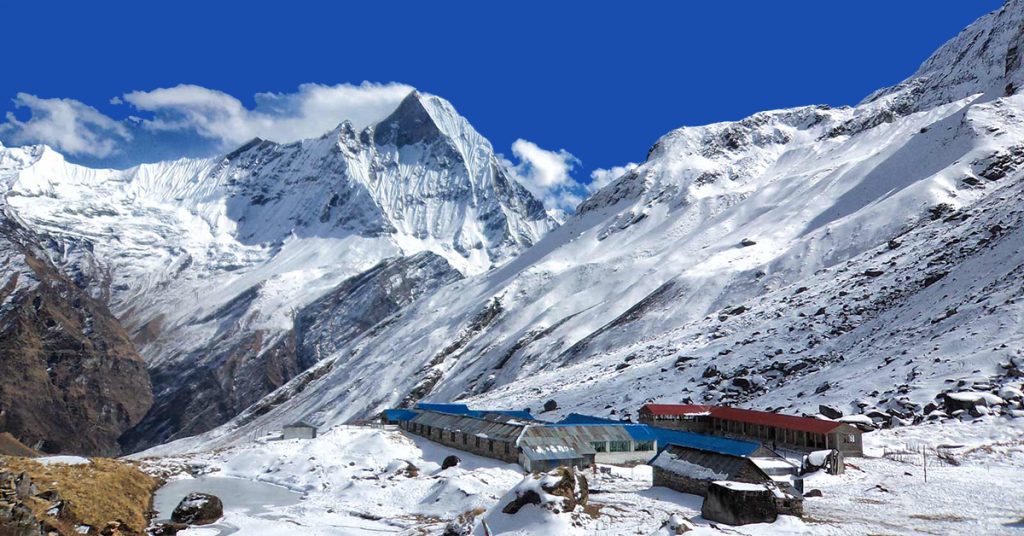
Timing your trek can make or break the experience. Here's a quick seasonal guide:
- Spring (March-May): Rhododendrons are in bloom, and the temperature is pleasant.
- Autumn (September-November): The air is crisp, the skies are clear, and the trekking is good.
- Winter (December-February): Solitude on the trails and stunning snowy landscapes, but it gets cold.
- Monsoon (June-August): Lush greenery, but with heavy rains, leeches, and muddy paths.
If it's your first time, stick to autumn or spring for the best weather and views. Click here for more info on the best time to trek to Annapurna Base Camp.
Pack Like a Pro: Essentials for ABC
Your packing list can make or break your comfort level on the trek. Keep it light, but don't skimp on essentials:
- Clothing:
- Moisture-wicking base layers
- Insulated jacket for cold nights
- Waterproof jacket and pants
- Trekking pants and comfortable layers
- Footwear: Well-broken-in hiking boots and wool socks are non-negotiable.
- Gear:
- Backpack (30-40L capacity)
- Trekking poles
- Headlamp
- Sleeping bag: Though teahouses provide blankets, it gets cold at night.
- Sundries: sunscreen, water purifier, snacks, first-aid kit, and cash- at no point in the trail will you find an ATM.
Pack smart, so that you are prepared but not burdened.
Stay Healthy: Acclimatization and Hydration Are Key
Altitude sickness is no joke; it can hit anyone, regardless of fitness level. Follow these tips:
- Hydrate: Drink at least 3-4 liters of water daily.
- Go Slow: Rest on days when your body needs to, as it will be shocked by the strenuous routine.
- Eat Well: Heavy meals, such as dal bhat, give sustained energy.
- Carry Medication: Diamox will help prevent altitude sickness. Consult with your doctor about this.
The golden rule? Listen to your body. If you feel unwell, turning back or resting longer is okay.
Recommendation Read: Annapurna Base Camp Trek Difficulties.
Hire a Guide or Porter
You may think, "I can do this alone," but the advantage of hiring a guide or porter is that:
- Guides: Guides handle all the logistics, explain local culture, and know the terrain inside and out.
- Porters: Porters lighten your load, carrying up to 15-20 kg so that you can enjoy the trek.
Beyond convenience, hiring locals supports Nepal's economy. It's a win-win!
Respect Local Culture and Environment
The Annapurna region is a land of breathtaking views that teems with life and fragile ecosystems.
- Cultural Etiquette: Greet with "Namaste," dress modestly, and ask permission before taking photos of locals.
- Eco-Friendly Practices:
- Avoid single-use plastics—carry a reusable bottle.
- Pack out all trash.
- Stick to marked trails to prevent erosion.
A little mindfulness goes a long way in preserving the beauty of this region.
Savor the Journey, Not Just the Destination
The trek to Annapurna Base Camp is far from merely attaining 4,130 meters. Take time to:
- Absorb breathtaking views of Annapurna South, Machhapuchhre, and Hiunchuli;
- Enjoy teahouse hospitality;
- And reflect on the sheer magic of walking in the Himalayas.
Never rush; the beauty of ABC is in the journey, comprising unplanned meetings, a calm nature, and satisfaction after every walk.
Trek Safety, Insurance & Emergency Tips During ABC Trek
You must stay safe during the ABC trek to enjoy your journey. While the journey is incredibly rewarding, you will also experience high altitudes, unpredictable weather, and remote paths. That's why it's essential to prepare for emergencies in advance. You must carry a basic first-aid kit to have the right travel insurance that covers high-altitude trekking and emergency evacuation.
You must know how to handle common risks that you will experience during the trek. The challenges include altitude sickness, minor injuries, or getting lost. It will make your trek much safer and more enjoyable. With a little preparation and the right precautions, you will explore the Himalayas with confidence and peace of mind.
Travel Insurance is a Must
Make sure it covers:
- High-altitude trekking
- Emergency evacuation by helicopter
- Medical care abroad
- Trip delays or cancellations
First Aid Essentials
- Paracetamol, ibuprofen
- Antiseptic cream, band-aids
- Blister patches
- Diamox (for altitude, with prescription)
- ORS (oral rehydration salts)
Emergency Info
- Keep a list of local emergency contacts
- Inform your guide or lodge owner if you feel unwell
- Stay on the main route; don't trek off-trail alone
Tip: Boundless Adventure can arrange emergency help or evacuation if needed. Always stay connected.
Final Thought
As you prepare for your Annapurna Base Camp Trek, remember that good planning can make all the difference. Knowing the trek's highlights, physical demands, budget, and route will help ensure a successful adventure.
You'll tackle the trek's challenges with the right mindset, proper training, and well-packed gear. Whether you're drawn by the stunning mountain views, the local culture, or the thrill of reaching new heights, Annapurna Base Camp offers something for every adventurer.
This only means wearing your trekking boots, appreciating the beauty around you, and thinking of nothing else but having great fun until the last minute of this amazing trek. Have a great trekking experience!
For expert guidance and support, visit Boundless Adventure to help you make the most of your trekking experience! Contact us today to plan your private Annapurna Base Camp trek. Let’s make your Himalayan adventure really boundless!
Explore our Annapurna Region Trekking Packages:
FAQs
Can beginners do Annapurna Base Camp?
Yes! While the trek is challenging, beginners with proper preparation, fitness training, and determination can complete it. Hiring a guide and taking sufficient time for acclimatization will make the experience more manageable.
How fit must you be for Annapurna Base Camp?
If you can walk and tackle a day's ascent of up to six to seven hours, you don't need extraordinary fitness to trek to Annapurna Base Camp. Simple cardio regimens such as walking, jogging, or hiking will gear you up for the endurance required for the trek.
How hard is the Annapurna Base Camp trek?
Due to the steep climbs and different landscapes, the hike is usually classified as moderate to difficult. As with all treks, altitude can affect the level of challenge. No technical climb is involved, but good physical fitness and mental stamina are required. Altitude sickness may also be challenging; hence, acclimatization is the key.
What should I wear to Annapurna Base Camp?
Dress in layers to cope with the varying weather conditions. The main things include moisture-wicking inner layers, insulation jackets, waterproof shells, good trekking trousers, high-ankle trekking shoes, and soft, warm wear such as gloves and caps.
Is Annapurna Base Camp harder than Everest?
Though both routes have their adventure challenges, the trek to Annapurna Base Camp is more accessible than the trek to Everest Base Camp. This is because the altitude of Annapurna Base Camp is lower and the trek covers less distance, making it more accessible to many trekkers.
What is the total distance of the Annapurna Base Camp trek?
The trek covers approximately 70-80 kilometers (43-50 miles) round trip, depending on your starting point and route. On average, trekkers walk 10-12 kilometers (6-8 miles) daily.
What fitness level is required for the Annapurna Base Camp trek?
Moderate fitness is required. Regular cardio, strength training, and practice hikes will prepare your body for the physical demands of trekking. Targeted attention to leg strength and endurance will also be beneficial, as steep ascents and descents will be part of this trek.
Do I need a guide or porter for the ABC trek?
While the trail is well-marked, hiring a guide or porter is highly recommended. A guide enhances your experience with cultural insights and route management, while a porter can carry heavy loads, making the trek more enjoyable. Plus, it's a way to support the local economy.
What are the risks of altitude sickness on the ABC trek?
Altitude sickness can occur above 2,500 meters and manifests as headaches, nausea, and dizziness. Hydrating, trekking slowly, and taking acclimatization days can prevent it. If symptoms worsen, descend immediately.
Do I need to be super fit for the ABC trek?
Not at all, you don't need to be an athlete to do the Annapurna Base Camp trek. However, a decent level of fitness will make your journey smoother and more enjoyable. It's best to start training 6 to 8 weeks in advance with regular walking, cardio, and, if possible, a few hikes.
Can I rent trekking gear in Nepal?
Yes, it is possible to rent the gear in Nepal. It is quite cheap and simple. In Kathmandu and Pokhara, some shops rent boots, jackets, poles, and sleeping bags. Make sure that you just put on well and see the condition before you get to the trail.
How much money should I carry?
You'll want to budget around $20 to $30 per day for food and accommodation during the trek. On top of that, it's smart to carry a bit extra for snacks, hot showers, charging devices, and tipping your guide or porter. Cash is king on the trail because ATMs are rare once you start hiking.
What's the best time to prepare for the ABC trek?
Start preparing your body about 2-3 weeks before your trek dates. It gives you enough time to prepare, build your stamina, plan your route, and gather all the equipment. The sooner you prepare, the more confident you will be on the trail.
Do I really need insurance?
Yes, having travel insurance is necessary for a trek like this. It should cover high-altitude trekking and emergency helicopter evacuation, just in case. It's one of those things you hope you never need, but it gives you peace of mind knowing you're covered.