


The Manaslu Circuit Trek is considered a tough but manageable adventure. It covers about 177 kilometers (110 miles) over 14 to 18 days. You’ll be walking 6 to 8 hours a day and climbing up to 5,160 meters (16,930 feet) at the Larkya La Pass. The altitude, long days, and remote setting make it challenging but with good fitness, proper planning, and a slow pace to adjust to the elevation, it’s absolutely doable for most determined hikers.
Nepal, known as the land of the Himalayas, offers some of the world’s most spectacular trekking experiences. Among its many famous trails, the Manaslu Circuit Trek is a less crowded yet equally mesmerizing route that attracts adventure seekers globally. Lying around the eighth-highest mountain of the world, Mt Manaslu (8153m), this trek offers stunning scenic views along with grand culture exploration and untouched natural beauty. But still, many trekkers pose the question “how difficult is Manaslu Circuit Trek?”
This guide should help to answer the question by describing the difficulties of the trek, its physical requirements, and the preparation required. The level of challenge required on the trek is important whether you are a professional trekker or a beginner to this sort of adventure in the Himalayas.
Understanding the Manaslu Circuit Trek
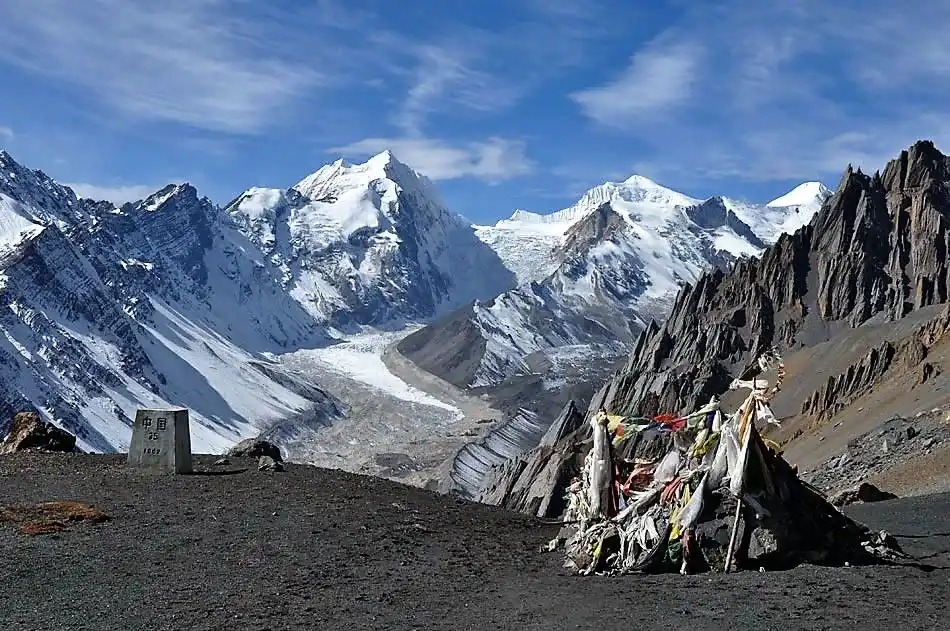
The trek, known as the Manaslu Circuit Trek, is an offbeat trek around the Manaslu massif via idyllic villages, jungles of forests, and the tough passes of high altitude trekking. The hike is about 177 km (110 miles) and normally takes 1418 days of hiking, depending on the selection of the route and acclimatization needs (Samagaon acclimatization day).
What Does “Difficulty” Really Mean on This Trek?
Let’s get one thing clear: when we talk about difficulty here, we’re not talking about climbing with ropes or doing something that needs technical mountaineering skills. This is a trek, not a climb. But it’s a long, high-altitude, off-the-grid journey through raw mountain terrain — and that makes it demanding in its own right. The “difficulty” comes from the daily grind, the thin air, and the physical and mental resilience needed to keep going day after day.
What makes the Manaslu Circuit Trek difficult:
- Long daily walks – You should trek 6–8 hours daily.
- Altitude – You’ll reach 5,106 meters at Larkya La Pass.
- Basic accommodations – Don’t expect hot showers or comfy beds.
- Remote terrain – No quick access to towns or facilities.
- Unpredictable trails – Steep ascents, descents, snow, and narrow paths.
Key Highlights of the Trek
- Larkya La Pass (5,160m/16,930ft): The trek’s highest point is known for its challenging ascent and panoramic mountain views.
- Remote and Off-the-Beaten-Path: Unlike the more tourist-trampled Everest or Annapurna regions, the Manaslu Circuit still has relatively few trekkers, making it a much better choice for a more classical trek.
- Cultural Diversity: This trek takes through Hindu and tuddist-influenced Buddhist monasteries, so trekkers can have many influences from different cultures and traditions.
Best Seasons to Trek
- Autumn (September to November): This season offers clear skies and moderate temperatures, making it the most popular season.
- Spring (March to May): Known for blooming rhododendrons and warmer weather.
- Winter and Monsoon Seasons: These periods are less ideal due to heavy snowfall and landslides, increasing the trek’s difficult
For detailed information on the best seasons, Click Here.
How Difficult is Manaslu Circuit Trek?
1. Distance and Duration
The path is about 177 kilometers (110 miles) and it should normally take 14-18 days to hike, but this depends on exact itinerary and acclimatization requirements. The daily trekking includes 6-8 hours of walking in which there are some days when 10 hours have to be walked particularly when passing high passes such as Larkya La. Very much has to do with long distances and many hours spent on the road during the travel.
2. Altitude and Acclimatization Challenges
However, one of the biggest obstacles to the Manaslu Circuit Trek is the altitude. When the trek reaches an average height of 5160 meters at Larkya La Pass, trekkers need to be careful of high altitude sickness. Possible signs are headaches, nausea, dizziness, and an ability to get easily tired. Trekkers must have proper time to acclimatize, with rest days in places such as Samagaon and Samdo.
3. Terrain and Trail Conditions
The terrain of the Manaslu Circuit is rugged and varied. Be prepared to go uphill sharply, to do rocky mountains, and small rock trails, and cross rivers in some places. Trails are also especially difficult in winter time when it snows and ices up or when it rains in the monsoons when the landslides and the muddy and slippery paths become impassable.
4. Remoteness and Infrastructure
The Manaslu region is more remote than other popular trekking areas in Nepal. Limited accommodation and challenging emergency services due to isolation make it essential to plan thoroughly and hire experienced guides and porters.
5. Daily Trekking Hours and Endurance Required
The trekkers usually trek up to 6-8 hours a day, and the distance could range from 10 – 20 kilometres. Some days are longer, as when passing through the Larkya La Pass, all day is spent on the move. Due to long walking, the number of climbing hours, and the roughest terrains, cardiovascular fitness and mental endurance are required.
Recommendation Read: How to Prepare For Manaslu Circuit Trek?
Larkya La Pass: The Trek’s Most Difficult Day
This is the monster day that defines the whole trek. You’ll start before dawn, bundled up in layers, and climb slowly toward the high pass, often in snow or wind. The thin air and steep ascent make it a real test of endurance. But once you’re up there, standing among the peaks with the whole trail behind you? It’s absolutely unforgettable.
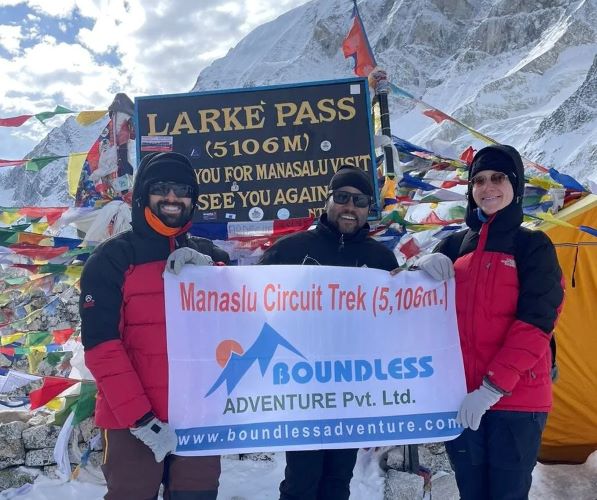
Why is it the toughest section?
- Early start (3–4 AM) – To beat the wind and reach the top in daylight.
- Cold temperatures – Freezing or below, especially in autumn or spring.
- Long distance – 8–12 hours of trekking, including a steep descent.
- Incredible views – Surrounding peaks like Himlung and Cheo Himal.
Is It Too Difficult for First-Time Trekkers?
If you’ve never trekked before and hate being away from comfort, then it will be difficult. But if you’re relatively fit, adventurous, and open to roughing it, you can absolutely do this as a first trek. As a first-time trekker, you must not go alone. Boundless Adventure helps you pace properly, manage logistics, and stay safe.
First-timer tips:
- Train in advance – Start walking with a backpack weeks before.
- Hire a guide and porter – They lighten the load and add safety.
- Don’t expect luxury – Embrace the basics and unplug.
- Start slow – Choose a longer itinerary with more rest days.
- Talk to others – Trail conversations can be motivating and fun!
Factors Contributing to Manaslu Trek Difficulty
1. Altitude Sickness Risks
Acute Mountain Sickness (AMS) can be developed due to the steep increase in altitude. Slow ascents and good acclimatization are so important in order to reduce this risk. Maintaining fluids, abstaining on alcohol, and identifying early symptoms can protect people against serious medical problems.
The fittest of trekkers can have troubles with the altitude. The higher you go the thinner the air is. It renders each step more burdened. You will have breathlessness and slowness. The possible signs that you will face will be such as headaches or nausea.
Altitude challenges explained:
- Highest point – The highest point is Larkya La Pass. It’s altitude is 5,106 m.
- Common AMS symptoms – You will get common altitude sickness symptoms. They are: headache, dizziness, and poor appetite.
- Hydration is critical – Drink more water than you think you need. Keep yourself hydrated.
Go slow, stay safe – Do not rush. Take a rest in the middle of the trek.
2. Remote and Rugged Terrain
The trek is done through remote areas that have poor infrastructure. It may not be very easy to evacuate because of its inaccessible nature and one should preferably trek with a guide and proper safety equipments.
3. Weather Conditions and Seasonal Challenges
The weather in the Himalayas can be unpredictable. Sudden snowstorms or heavy rainfall can make trails treacherous. Cold temperatures at higher altitudes can also be harsh, particularly in the early morning or at night.
4. Physical Fitness and Mental Toughness
Manaslu Circuit Trek is physically demanding. Key aspects are cardiovascular endurance, leg strength and endurance. Mental endurance to endure fatigue, discomfort and psychological exhaustion of trekking in distant locations is also very essential.
Comparison with Other Popular Treks in Nepal
Compared to the Everest Base Camp (EBC) and Annapurna Circuit treks, the Manaslu Circuit is more remote and less commercialized. While EBC and Annapurna have well-established infrastructures, the Manaslu region offers fewer teahouses and more rugged trails. Its challenges lie in its isolation, higher altitudes, and less predictable weather conditions.
How Seasons Change the Difficulty of the Manaslu Circuit Trek
The season you choose to trek Manaslu can make a huge difference in how hard or enjoyable the journey feels. The best time to trek Manaslu circuit are spring (March to May) and autumn (September to November). In these seasons, the weather is generally stable, the skies are clear, and the temperatures are moderate.
In spring, the whole valley bursts with blooming rhododendrons, which makes the trek feel magical, though some higher passes might still have snow leftover from winter, adding a mild challenge. In autumn you will experience crisp, clear air and spectacular views of the mountains. It the most popular and arguably the easiest time to trek.
Monsoon (June to August): The Challenging Wet Season
The region has heavy rains during monsoon season. That makes the trails muddy and slippery and one must be extra careful. This is the most difficult season to hike to Manaslu since chances of landslides are high. The rivers are brought to a head and in the low woody regions the leeches are troublesome. The weather is slowing down the flights.
Monsoon trekking challenges:
- You will experience frequent heavy rain and thunderstorms.
- In the Monsoon, the leeches and mosquitoes thrive in wet forests.
- Due to the rainy season, there is a high risk of landslides and trail blockages.
- Flight delays and travel disruptions are common.
Winter (December to February): The Cold and Quiet Season
Winter on the Manaslu Circuit is for those who don’t mind cold temperatures and want to avoid crowds. In winter the trails are quiet, and the landscape can be breathtakingly beautiful with snow-capped peaks and frosty mornings.
However, the Larkya La Pass and some higher sections may be snow-covered or icy, making the crossing more difficult and potentially dangerous without proper gear and experience. Accommodation and food options might be more limited as some teahouses close during the off-season. Warm clothing and careful planning are essential for a winter trek.
Winter trekking considerations:
- Very cold temperatures, especially at night (-10°C or lower)
- Snow and ice on high passes, increasing technical difficulty
- Fewer trekkers and some closed lodges
- Need for high-quality warm gear and sleeping bags
- Clear skies often give stunning starry nights
How to Prepare for the Manaslu Circuit Trek
1. Physical Fitness Training Tips
- Cardio Training: Engage in running, cycling, or swimming to improve cardiovascular health.
- Strength Training: Focus on leg and core strength through squats, lunges, and planks.
- Endurance Building: Go for long hikes with a loaded backpack to simulate trekking conditions.
Physical Challenge
You don’t need to be an athlete, but if your idea of a workout is walking to the fridge, then yes — it’ll feel brutal. The trek demands a steady fitness level. What really gets people isn’t the difficulty of any one day, but the repetition: day after day, uphill and downhill, often with a backpack on your shoulders. If you train in advance with regular cardio and leg workouts, your body will thank you.
Physical challenges include:
- Endurance over strength – Cardio stamina matters more than muscle.
- Fatigue builds up – Especially after day 6 or 7.
- Heavy backpack? Extra burden – Pack light to ease pressure on joints.
- Steep climbs and descents – You’ll gain and lose altitude constantly.
- Flexibility and balance – Useful for rocky trails and uneven steps.
Mental Challenges
If your mind gives up, your legs will follow. The Manaslu trek is mentally demanding because you’re stripped of comforts — no phone service, freezing mornings, basic food, and unfamiliar beds. Some days, you’ll question why you signed up. But then the mountains open up in front of you, the sun hits the prayer flags just right, and you remember: this is why. A resilient mindset makes all the difference.
Mental challenges you will face:
- Fatigue without rest – Sleep can be disrupted at altitude.
- Comfort is limited – Cold rooms, shared toilets, hard beds.
- Solitude or silence – Fewer people = more time with your thoughts.
- Digital detox – Wi-Fi is rare; expect to disconnect completely.
- Willpower – Pushing through discomfort becomes your daily habit.
2. Essential Gear and Packing Advice
- Clothing: Layered clothing for varying temperatures, including thermal wear, down jackets, and waterproof gear.
- Footwear: High-quality trekking boots with good ankle support.
- Accessories: Trekking poles, headlamps, water purification tablets, and a first-aid kit.
For more details, read the blog: Packing List For Manaslu Circuit Trek & Must Have Gear For Manaslu Circuit Trek.
3. Acclimatization and Pacing Strategies
- Include acclimatization days in Samagaon and Samdo.
- Ascend gradually and avoid rushing.
- Stay hydrated and consume a high-calorie diet.
Tips to Overcome Manaslu Circuit Trek Difficulty
1. Hire Experienced Guides and Porters:
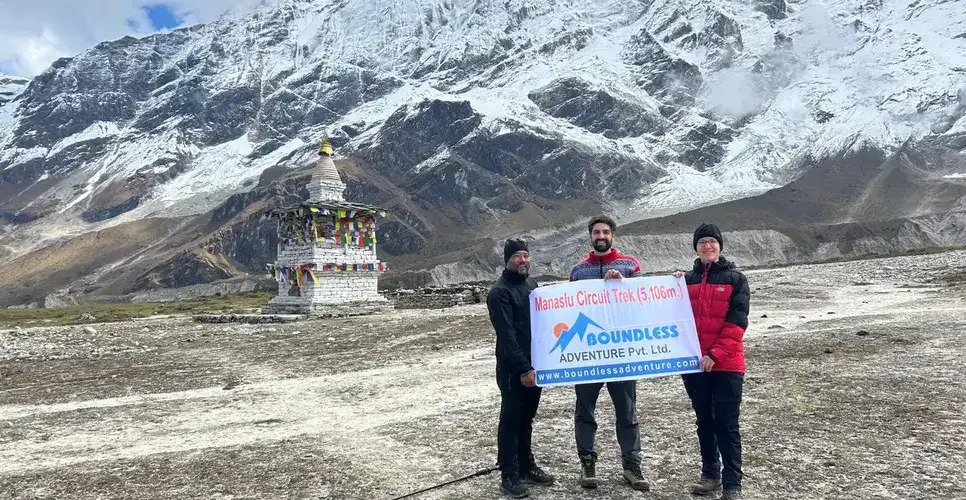
Experience of the local guides is essential to plan the trek on the difficult and sometimes very isolated Manaslu Circuit trails. Porters can deliver cultural information, adapt, and are able to resolve issues within organizations in order to have a safe and interesting adventure of trekking. They can help to carry cumbersome items; as such, the trekkers will be stronger to pull through the rugged shoes.
2. Acclimatize Properly:
Acclimatization is the key to prevent altitude sickness gradually. Trekkers ought to rest their days at higher altitudes especially in villages such as Samagaon and Samdo to enable the body to settle down to the thin air. Ascending slowly and having a tried and tested approach, which involves climbing high, and sleeping low, can lower the chance of altitude related diseases to a considerable extent.
3. Stay Hydrated and Eat Well:
Adequate water and diet play a crucial role in boosting energy levels and in the physical energy capacity of a person. It is possible to deal with the effects of high altitude and physical effort by drinking as much purified water as possible and ensuring that the food consumed is balanced and of high-calorie content.
Is the Manaslu Circuit Trek Right for You?
For individuals who love a physical challenge, are in good to good health, and enjoy extended exploring of new terrains, the Manaslu Circuit Trek offers a great opportunity. However, amateurs should ensure that they prepare for the activity and can hire professional tour guides to make the whole experience safer and more enjoyable.
Conclusion
The Manaslu Circuit Trek is recommended for a person with average to good physical health; the trek requires physical fitness, well-planned acclimatization, and strong-willed individuals. Because of its isolation, it retains spectacular isolation, natural beauty, and historical and archeological interest; however, one has to be willing to accept a certain amount of effort and discomfort to experience it. When adhered to, Several strategies involve prior preparation, understanding of the trek’s challenges, and previous information regarding the present circumstances to accomplish the Manaslu Circuit Trek efficiently.
Despite the fact that it can be strenuous at some specific areas, the Manaslu Circuit Trek is one of the most rewarding treks of Nepal if well prepared for. This trek covers all the geographical terrains, ranging from mountain ranges to beautiful villages and incredible views. If challenged, what you are willing to do has been a great experience learning about the Manaslu Circuit Trek. It is one of the most excellent adventurous treks in Nepal that offers the most unique and real adventure you have ever sought, and it provides these moments and feelings of achievement. I’m sure it will remain imprinted in your mind.
Also if you are wondering about cost of Manaslu Circuit, Read our blog “Manaslu Circuit Trek Cost Breakdown“
FAQs
How difficult is the Manaslu Circuit Trek?
The Manaslu Circuit trek is moderately to highly challenging mainly because of its length, altitude, and remote terrain. You don’t need technical climbing skills, but you will need good fitness and mental stamina. With proper training and acclimatization, most trekkers with average fitness can complete it successfully.
Do I need prior trekking experience for the Manaslu Circuit Trek?
Previous trekking experience can be helpful, but is not mandatory. Beginners can undertake this trek with proper preparation, including physical fitness training and mental conditioning. However, being familiar with multi-day hikes and managing physical exertion in mountainous terrains will make the experience more enjoyable and safer.
What is the best time to undertake the Manaslu Circuit Trek?
The most recommended time for Manaslu Circuit is during the Pre-monsoon (March to May) and Post-monsoon (September to November) seasons. These seasons provide the best of clear blue skies, dry weather, and stable weather. Monsoon season does not favor trekkers because of heavy rains or winter season, when it is too cold and there is heavy snowfall that makes the trails slippery and mucky.
How long does the Manaslu Circuit Trek take to complete?
The hike itself usually takes 14 to 18 days, as long as the itinerary requires acclimatization. Other phenomena, like the weather and bodily conditions, come into play, and trekking pace can also influence the duration. Adequate rest days for acclimatization are crucial to prevent altitude sickness.
Is altitude sickness a concern on the Manaslu Circuit Trek?
Because of the altitude the trek is subject to altitude sickness and this becomes very serious going through the Larkya La Pass at 5,106 meters. Trekkers will have to go slowly, drink enough water, and also take their rest days to get acclimatized. Headache, nausea, and Dizziness are the early symptoms that have to be detected. The trekker is advised to go down straight away in case symptoms worsen.
What kind of accommodation can I expect on the trek?
Accommodation along the Manaslu Circuit primarily consists of basic teahouses and lodges. Facilities are modest, with simple rooms and shared bathrooms. In remote areas, amenities like hot showers and charging stations may be limited, so trekkers should be prepared for basic living conditions.
Do I need a special permit for the Manaslu Circuit Trek?
Yes, several permits are required to trek in the Manaslu region. These include the Manaslu Restricted Area Permit (RAP), the Manaslu Conservation Area Permit (MCAP), and the Annapurna Conservation Area Permit (ACAP). Additionally, trekkers must be part of a group of at least two people and hire a registered guide, as solo trekking is prohibited in this region.
Is it necessary to hire a guide for the Manaslu Circuit Trek?
The use of a guide is obligatory because the area is currently restricted. A registered guide is safe, has invaluable local knowledge, and assists in maneuvering through the intricate, relatively less-mapped trails. Other recommendations include hiring the services of porters who will make the journey much easier and less tiring.
How does the Manaslu Circuit Trek compare to other treks in Nepal, like the Annapurna Circuit or Everest Base Camp?
Manaslu Circuit Trek is less commercialized and more remote than the Annapurna Circuit or the Base Camp of Everest trek. It is a serene and more real experience where disadvantages, fewer amenities, and facilities to stay go along with it. The physical demands are comparable, but the isolation and ruggedness add to its difficulty.
What should I pack for the Manaslu Circuit Trek?
Essential items for the trek include layered clothing for varying temperatures, sturdy waterproof boots, a high-quality sleeping bag, trekking poles, a headlamp, water purification tablets, and a first-aid kit. Packing high-energy snacks and hydration supplies is also recommended. Weather conditions can change rapidly, so having versatile and reliable gear is crucial.
What is the difficulty level of the Manaslu Circuit trek?
The level of difficulty is in between moderate and challenging based on your level of experience of trekking and the level of fitness. It is not as easy as popular treks like Annapurna Circuit due to its long days, rugged trails along with high Larkya La Pass of over 5000 meters. The most important aspect is proper preparation and pacing so that the challenge is comfortable to handle.
How hard is the Manaslu Circuit trek compared to other treks?
It is certainly more strenuous than most of the well-known walks as it is less developed, more isolated and entails longer and steeper ascents. It has a great elevation and the path may be rugged. However, in case you are there to have good experience worth the buck, it is worth all the difficult steps.
What kind of preparation and training do I need for the Manaslu trek?
Building endurance through cardio exercises like running, cycling, or stair climbing is essential before the trek. Strengthening your legs with squats and lunges and practicing hiking with a loaded backpack will help your body adjust. Also, mental preparation for long days and basic teahouse living makes a big difference.
Is the Manaslu trek suitable for beginners?
The Manaslu Circuit can be challenging; nevertheless, it is not an impossible task to trek even with zero experience. You need a good level of fitness and it is better that you have done some other treks of a lower scale or have gone through a good fitness level before you attempt this. It is recommended to go with a guide and have additional acclimatization days, this will ensure that your body is able to adjust to the environment and you have fun in the process.
Does altitude make the Manaslu Circuit trek difficult?
Absolutely, altitude is one of the biggest factors that increase the trek’s difficulty. The high Larkya La Pass at 5,160 meters means your body has to adjust to less oxygen, which slows you down and causes fatigue. Proper acclimatization days and hydration are crucial to avoid altitude sickness.
How long are the daily trekking hours on the Manaslu Circuit?
You can expect to walk 6 to 8 hours per day, and occassionally more on harder sections. The days have steady ascents and descents that build up your stamina little by little. Using regular breaks and taking it slower can make the long days a lot more bearable.
What makes the Manaslu trek more difficult than the Annapurna or Everest Base Camp treks?
Manaslu is less developed with fewer lodges and less infrastructure, making logistics trickier. The trail is rougher, and the altitude gain is more aggressive, especially on pass crossing days. Also, being more remote means less immediate support if you run into issues.
Can I complete the Manaslu trek without prior trekking experience?
While it’s possible, having some prior trekking or hiking experience definitely helps. The terrain, altitude, and length make it a challenging adventure for total beginners. If you’re new, hiring a guide and porter and giving yourself plenty of time to acclimatize will improve your chances.
What should I focus on in my training for the Manaslu Circuit trek?
Prioritize cardiovascular endurance and lower limb strength through one exercise, for example, running, cycling, and hiking with a weighted pack. Also, practice walking uphill and downhill to simulate trail conditions. Don’t forget mental training too, prepare yourself for days of walking in basic conditions.