


How many days should you spend in Nepal? Nepal captures the imagination like few places on Earth. From the towering peaks of the Himalayas to ancient temples nestled in bustling valleys, this small landlocked country offers experiences that span centuries and elevations. But when planning your adventure, one question inevitably arises: exactly how much time should you allocate for your trip to Nepal? The answer depends on your interests. Adventurers need weeks for Everest Base Camp, while culture seekers can explore Kathmandu in a few days. Most travelers find a balance between must-see attractions and meaningful experiences.
Trip duration depends on your travel style, fitness, timing, and interests. Some visit for trekking, others for spiritual experiences, and many seek a mix of what Nepal offers.
This comprehensive guide breaks down realistic timeframes for different types of Nepal adventures, helping you determine the best Nepal trip duration for your goals and constraints.
How Many Days Should You Spend in Nepal, Short Stays: 3-5 Days for Cultural Highlights
Let’s begin with short visits—ideal for cultural explorers.
A short Nepal trek itinerary in the Kathmandu Valley offers rich cultural experiences in just 3 to 4 days, ideal for those with limited time or who are visiting other destinations.
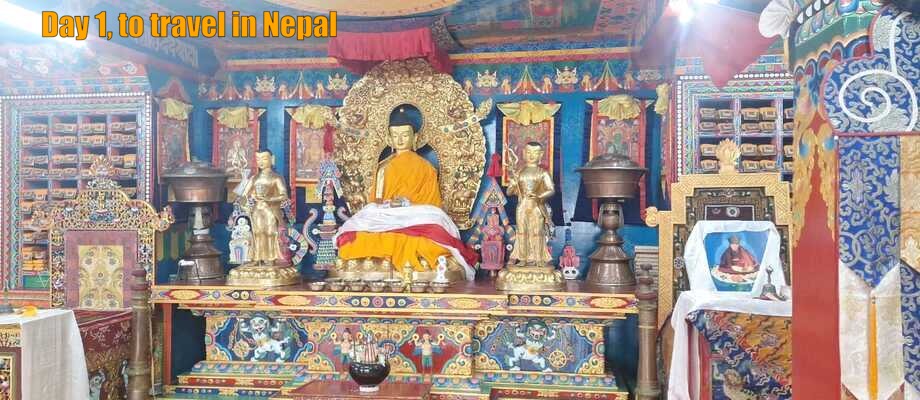
Your short-stay itinerary should prioritize UNESCO World Heritage sites within the valley. Kathmandu Durbar Square showcases centuries of royal architecture, while Pashupatinath Temple offers insights into Hindu religious practices. Boudhanath Stupa, one of the most significant Buddhist monuments in the world, provides a peaceful contrast to the city’s energy.
Day trips to Bhaktapur and Patan add medieval charm to your experience. Bhaktapur’s preserved architecture and traditional pottery workshops feel like stepping back in time. Patan’s artistic heritage, particularly its metalwork and woodcarving traditions, demonstrates Nepal’s master craftsmanship.
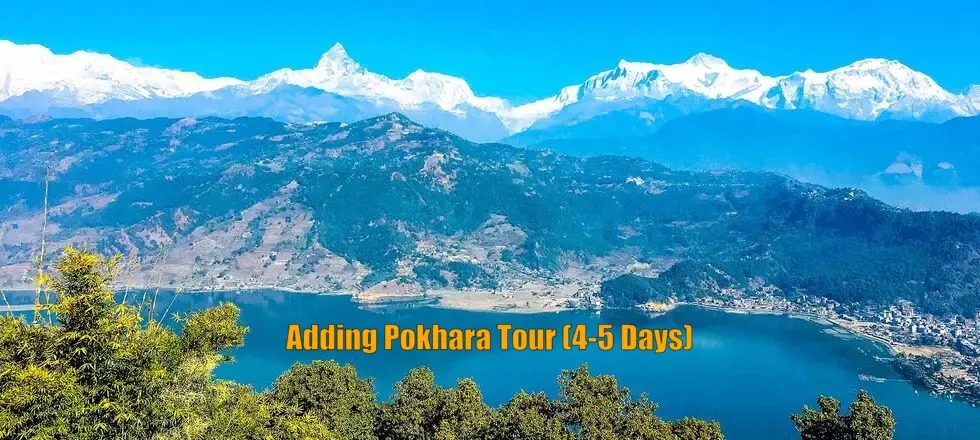
Adding Pokhara (4-5 Days)
Extending your trip to five days allows for a quick visit to Pokhara, Nepal’s adventure capital. The scenic flight or drive from Kathmandu takes you to a completely different landscape of lakes and mountains.
Pokhara provides easy outdoor activities for short stays. Sunrise at Sarangkot, boating on Phewa Lake, and visiting the International Mountain Museum are relaxing alternatives to intense adventures.
Medium-Length Adventures: 7-10 Days for Balanced Experiences
For those seeking more than just a week, Nepal offers a well-rounded experience that combines culture, nature, and light adventure. This time allows for proper acclimatization and avoids rushed travel, and reduces the rushed feeling that shorter trips often create.
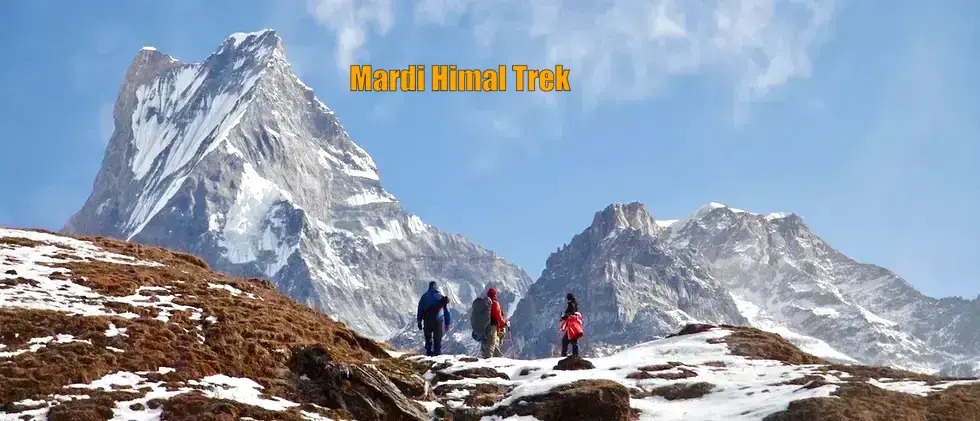
Your first three days in Kathmandu offer a thorough exploration of key cultural sites without feeling rushed. Include time for wandering through Thamel’s shops and experiencing. Spend days four to six in Pokhara choosing activities such as paragliding over the Annapurna range, rafting on the Trishuli River, or shorter treks like Mardi Himal or Poon Hill. The Poon Hill trek is an excellent introduction to Himalayan trekking that requires little preparation.
Your final day back in Kathmandu allows you to do last-minute souvenir shopping and catch any missed attractions.
Adding Wildlife Experiences (9-10 Days)
Chitwan National Park deserves at least two full days to fully experience Nepal’s wildlife diversity. Jungle safaris, elephant encounters, and Tharu cultural programs require more time than day trips allow.
The overland journey from Kathmandu to Chitwan takes 5 to 6 hours, making it impractical for short stays. However, the experience of seeing rhinos, tigers, and hundreds of bird species in their natural habitat makes the travel time worthwhile.
Your extended Nepal itinerary might follow this pattern: three days in Kathmandu, three days in Chitwan, three days in Pokhara, and one final day for travel and departure preparations.
Extended Stays: 2-3 Weeks for Trekking Adventures
If your priorities include iconic treks, extended trips open up Nepal’s legendary routes.
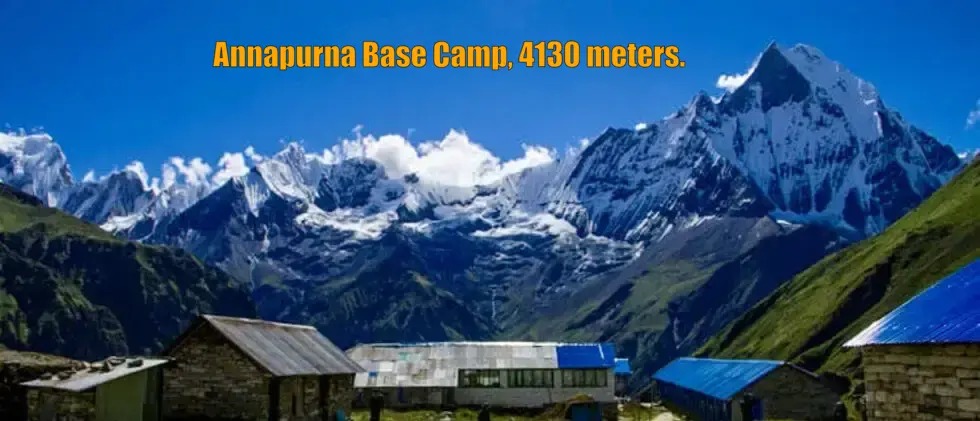
Serious trekking requires significantly more time, with most classic routes requiring at least two to three weeks. The Annapurna Circuit, one of the world’s most excellent treks, typically requires 16–18 days for acclimatization, including rest days for altitude and weather. This is essential for altitude acclimatization and weather contingencies.
The Langtang Valley trek offers a shorter, 7-10-day alternative, perfect for travelers seeking an authentic mountain experience. The Nepal trip duration should be adjusted for the seasons. Spring (March-May) and autumn (September-November) offer reliable weather and attract crowds. Monsoon (June-August) limits high-altitude trekking but is suitable for cultural or lower-elevation activities. Winter (December-February) is more brutal for high-altitude treks, yet offers clear views and fewer tourists. Latitude treks offer clear mountain views and fewer tourists.
Extended stays provide flexibility to adapt to weather changes and take advantage of clear mountain days when they occur.
Specialized Itineraries: 1-4 Weeks for Specific Interests
Beyond trekking and culture, Nepal caters to unique interests with flexible durations.
Nepal’s Buddhist and Hindu heritage attracts visitors seeking spiritual experiences. Meditation retreats in mountain monasteries or intensive yoga programs often require one to four weeks for meaningful progress.
Lumbini, Buddha’s birthplace, deserves several days for pilgrimage activities. Combined with meditation centers in Kathmandu or mountain locations, spiritual journeys can easily fill two to three weeks.
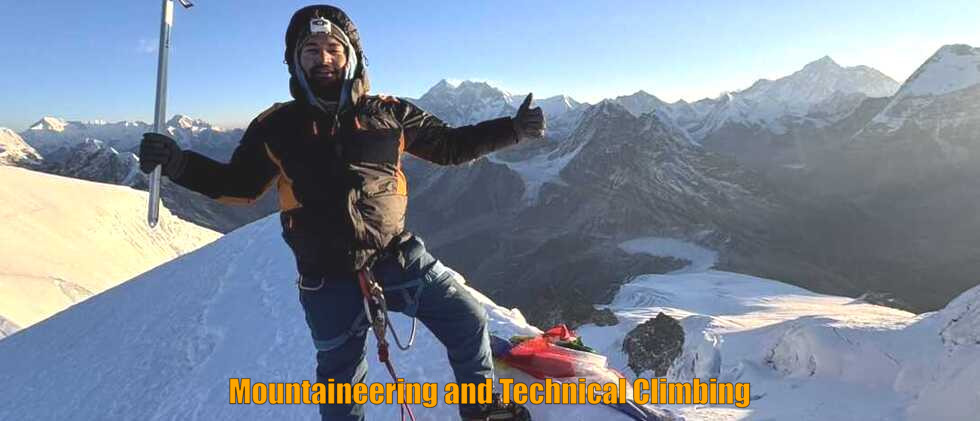
Mountaineering and Technical Climbing
Serious mountaineering attempts require extensive time commitments. Island Peak expeditions take 20-25 days, while major peaks like Ama Dablam require 30-40 days for proper preparation and weather windows.
These specialized adventures demand significant physical preparation and mountaineering experience beyond typical trekking requirements.
Photography and Research Projects
Photographers and researchers often benefit from extended stays, which allow multiple visits to the exact locations under different conditions. Cultural documentation, wildlife photography, or academic research might require several weeks or repeated visits across different seasons.
Maximizing Your Time: Practical Planning Tips
Transportation Considerations
Internal flights save considerable time compared to overland travel but depend on weather conditions. Budget extra days for potential flight delays, especially during the monsoon season
Overland travel, while slower, provides cultural insights and scenic experiences that flights miss. Factor travel time into your Nepal itinerary planning. Book in advance for peak season in popular areas like Everest Base Camp, Manaslu Circuit trek, or Annapurna Circuit trek. Longer stays offer flexibility for spontaneity and local tips.
Budget accommodations become more comfortable with longer stays as you develop relationships with local operators and discover hidden gems that guidebooks miss.
Health and Safety Planning
tays require more comprehensive health preparations, including potential prevention and treatment options for altitude sickness. Travel insurance becomes increasingly crucial for extended trekking adventures.
Finding Your Perfect Nepal Trip Duration
The best Nepal trip duration balances your available time, interests, physical capabilities, and budget constraints. Cultural enthusiasts can have meaningful experiences in 5-7 days, while serious trekkers need at least 2-3 weeks for the major Annapurna Conservation routes.
Consider your travel style carefully. Rushed itineraries often leave visitors feeling like they missed meaningful experiences, while overly extended stays might exceed budget or time constraints.
Most first-time visitors find 10-14 days provides an excellent introduction to Nepal’s diversity without feeling overwhelming or superficial. This timeframe allows cultural exploration, moderate trekking or adventure activities, and sufficient rest time.
Let your itinerary prioritize quality experiences and leave space for spontaneous discoveries.
Nepal often inspires return visits, so your first trip will help clarify your future interests. However, it is the best way to find out how many days you should spend in Nepal.