


Kala Patthar, which means "Black Rock" in Nepali, is one of the most iconic trekking destinations in Nepal's Everest region. It is located on the southern ridge of Mount Pumori. This rocky outcrop offers trekkers one of the best close-up views of Mount Everest without needing any technical climbing skills. Nestled above the small settlement of Gorakshep, Kala Patthar stands at an approximate elevation of 5555 meters (18,514 feet), making it one of the highest points that trekkers can reach in the Khumbu region without a climbing permit.
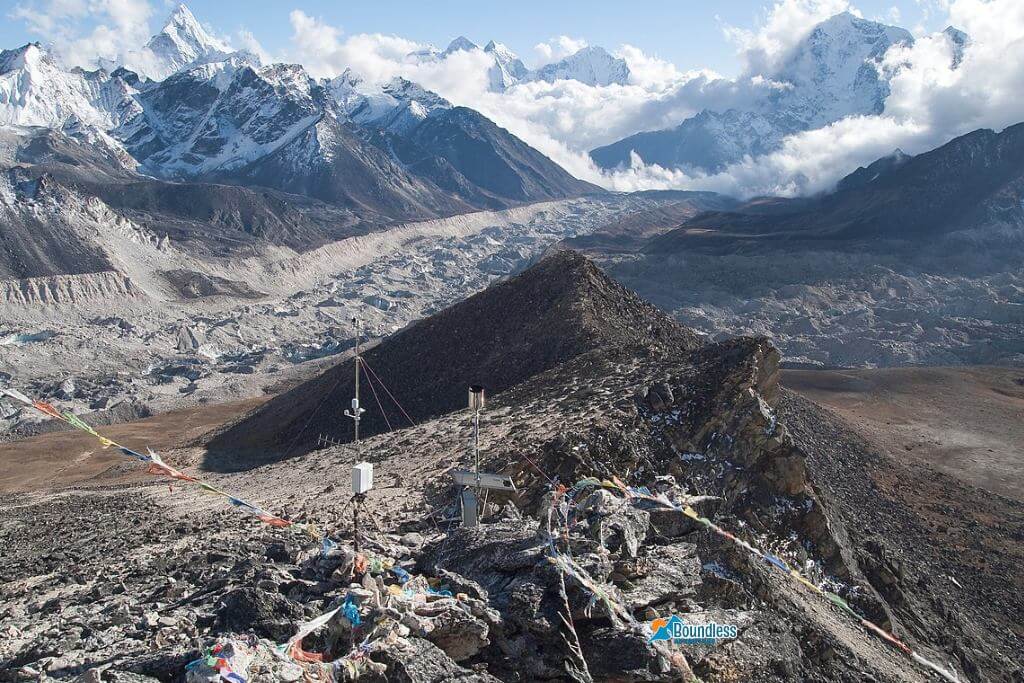
Kalapatthar is a renowned viewpoint in the Khumbu region of Nepal. There, you will experience the beautiful views of Mount Everest. Kalapatthar allows trekkers to witness Everest's iconic south face along with the surrounding Himalayas.
This blog describes everything you need to know about Kala Patthar. Such issues as altitude and weather, the best time to visit, what problems you may encounter, and how to deal with them.
Trekking at high altitude can be tough. But with proper or right preparation and mindset, it’s an experience you’ll never forget. Boundless Adventure makes your Himalayan journey safe, enjoyable, and truly unforgettable, offering you the right guidance every step of the way.
Where is Kala Patthar Located?
Kala Patthar is located in the Khumbu region of northeastern Nepal. It is above the small village of Gorakshep, which lies on the way to the EBC camp. It sits on the southern ridge of Mount Pumori, just a short trek from Everest Base Camp. Although it rises only about 10 meters above the surrounding terrain, its strategic location offers an unparalleled vantage point on the south face of Everest.
Its position makes it a popular side hike for trekkers following the classic Everest Base Camp route. From Kalapatthar, trekkers can witness an unobstructed view of Everest, Lhotse, Nuptse, and several other towering peaks.
How High is Kalapatthar?
The ascent to Kalapatthar begins at Gorakshep, situated at 5,164 meters (16,942 feet). The elevation is often listed at 5,555 meters. Though summit GPS readings during Everest region climbs vary, Kala Patthar has been recorded at approximately 5,643 meters (18,514 feet) above sea level.
At this height, Kalapatthar provides a superior panoramic view of the Himalayas, including:
- Mount Everest (8,848.86 m)
- Lhotse (8,516 m)
- Nuptse (7,861 m)
- Changtse (7,543 m)
- Pumori (7,161 m)
- Khumbu Glacier and Icefall
Unique Facts About Kala Patthar
- The name "Kala Patthar" means "Black Rock" in Nepali.
- It is a secondary ridge of Mount Pumori.
- The Cabinet meeting was held at an elevation of 5,242 meters to highlight the impacts of global warming in Kalapathar.
- The location once hosted the world's highest webcam, providing real-time images of the Everest region.
Why is Kala Patthar Famous?
Kala Patthar is famous for the best close-up view of Mount Everest. It is also famous because, from the top, you can see Everest, Nuptse, and other peaks right in front of you.
These are the factors that make Kala Patthar famous:
- Kala Patthar is renowned for its close-up views of Mount Everest.
- It is considered one of the best places to photograph Everest up close.
- Trekkers can also see other notable peaks like Pumori, Nuptse, and Ama Dablam.
- The Khumbu Glacier and Icefall are visible from Kala Patthar.
- Sunrise and sunset views are especially stunning, with golden light illuminating the icy mountain summits.
What is the Trekking Route to Kala Patthar?
The standard trekking route to Kala Patthar follows the classic Everest Base Camp trail. It is common to start the trip to Kala Patthar in Lukla, where the trail passes through several pleasant villages, including Phakding, Namche Bazaar, Tengboche, Dingboche, and Lobuche, before arriving at Gorakshep. The route to Kala Patthar is quite steep and rocky, beginning at Gorakshep, and takes around 1.5–2 hours.
Alternative Routes to Kala Patthar
For those short on time or unable to trek, helicopter tours to Kala Patthar offer a thrilling alternative. Most of the helicopter's trip is spent landing near the summit for 5 to 10 minutes, allowing passengers to step out, take photographs, and experience the grandeur of the Himalayas. You can get Helicopter tour packages starting from Lukla Airport, too.
However, due to the high altitude (5,643 m), more extended stays are not recommended without proper acclimatization.
Helicopter Stops at Kala Pathhar
A helicopter stop at Kala Patthar is all about one thing: witnessing the beautiful view of the world's tallest mountain from one of the best points. The landing here is brief, usually around 5 to 10 minutes. But that's all you need to step out, take in the incredible, amazing, and snap a few unforgettable photos.
Because Kala Patthar is at 5,555 meters above sea level, staying longer is not safe without proper acclimatization. The air is thin, and the wind is often chilly. For many trekkers, this short helicopter stop becomes one of the most potent and personal moments of their Himalayan journey.
How to Climb Kala Patthar?
To climb Kalapatthar, you should start from Gorak Shep and follow a well-marked uphill trail. It usually takes around 2 to 3 hours. It depends on your pace and how you're feeling at high altitude. The climb is steady but not technical; take it slow, breathe deeply, and keep going one step at a time.
Preparation Before the Climb
- Make sure you are well acclimatized by spending time at high altitudes (such as Dingboche or Lobuche).
- You must get proper rest the night before in Gorakshep.
- Always check weather conditions before starting your trek.
Start Early in the Morning
- Begin your ascent around 4:00 AM to catch the magical sunrise over Everest.
- Carry a headlamp since the first part of the climb will be in the dark.
Dress in Layers
- Base Layer: Wear a moisture-wicking shirt to keep sweat off your skin.
- Middle Layer: Add an insulating fleece or down jacket to stay warm.
- Outer Layer: You must carry a windproof and waterproof jacket to protect yourself against cold winds and sudden weather changes.
- Lower Body: Lightweight trekking pants with thermal leggings underneath work well.
- Accessories: Don't forget a warm hat, gloves, neck gaiter, and good-quality trekking socks
For more essentials to make the Kalapatthar climb easier, learn about the right equipment for high-altitude trekking.
Follow the Trail Steadily
- The trail is rocky and moderately steep.
- You must walk slowly and steadily. This is key at high altitudes where oxygen levels are low.
- You must use trekking poles to improve balance and reduce strain on your knees.
Take Regular Short Breaks
- Pause every 10-15 minutes to catch your breath and for hydration.
- Listen to your body and don't rush, especially as you reach the higher sections.
Reach the Summit
- Prayer flags and a rocky mount mark the top of Kalapatthar.
- When you reach the Kala Patthar, take your time to enjoy the beautiful 360-degree views of Mount Everest, Lhotse, Nuptse, Pumori, and the Khumbu Glacier.
Descent Safely
- Descend carefully, especially if the path is icy or loose underfoot.
- Return to Gorakshep for a well-deserved rest or to continue towards Everest Base Camp.
The Challenges of Reaching Kala Patthar
Reaching Kalapatthar isn't easy. The main challenges include:
- High altitude: Oxygen levels are lower, making breathing difficult
- Cold temperatures: Especially at dawn or dusk
- Steep trail: Physically taxing, particularly after long trekking days
- Weather changes: Conditions can shift rapidly
At over 5,500 meters, many trekkers experience shortness of breath, fatigue, and sometimes symptoms of altitude sickness. The cold, especially during early-morning or late-evening climbs, can make the trek even more challenging.
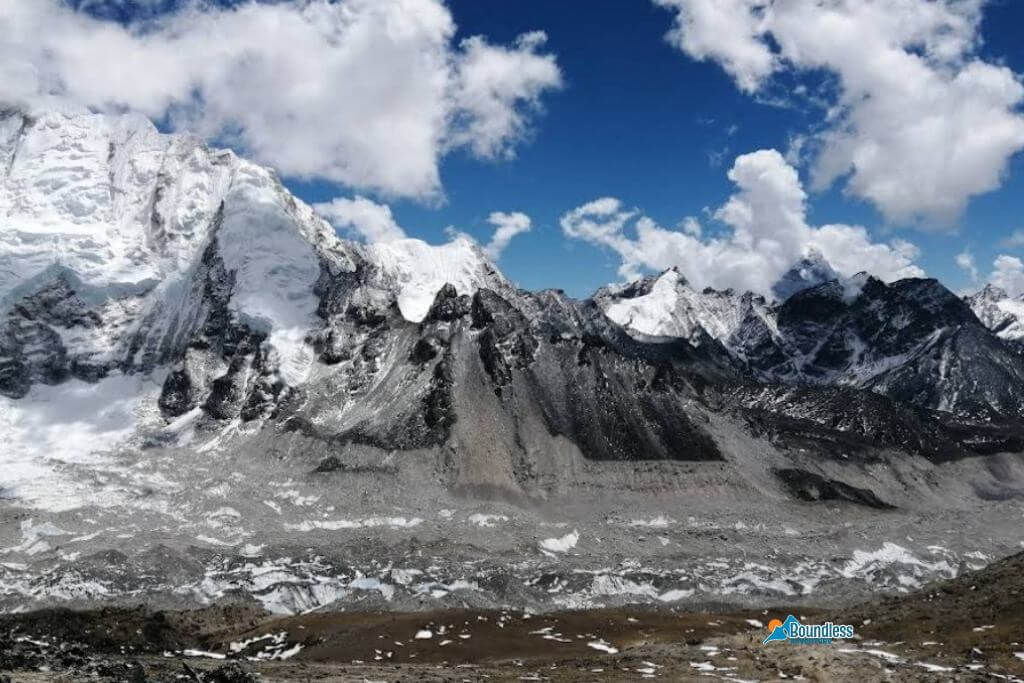
What is the Best Time to Visit Kala Patthar?
The best time to visit Kala Patthar is Spring (March to May) and autumn (September to November). These months usually bring clear skies, stable weather, and the best mountain views.
Spring (March to May)
Spring is one of the most popular times to trek to Kalapatthar. The weather during this season is generally stable, with clear skies and mild daytime temperatures. The rhododendron forests along the lower trails are in bloom, adding color to the landscape. Mornings are often crisp and perfect for clear views of Everest.
Why Choose Spring?
- Clear mountain views
- Comfortable trekking temperatures
- Blooming flora along the trail
Autumn (September to November)
Autumn is considered the best season for trekking in the Everest region. Post-monsoon, the air is fresh, and the skies are clear. Temperatures are slightly cooler than in Spring. But the conditions are ideal for photography and scenic views.
Why choose autumn?
- Beautiful views of the Himalayan peaks
- Less chance of rain or snow
- Vibrant trekking atmosphere with many fellow adventurers
Winter (December to February)
Winter could be an option if you're looking for solitude and don't mind the extreme cold. The trails are quieter. At the same time, temperatures can drop well below freezing. The skies are often beautifully clear.
Why choose winter?
- If you are a peace lover, you can choose winter, as fewer trekkers are on the trails in this season.
- In winter, you will experience the beautiful views of the mountains.
- Potential for stunning snowy landscapes
Things to consider: Extreme cold, possible snow-covered trails, and closed teahouses at higher elevations.
For detailed on winter coldness at patthar, read our blog “How Cold is Mount Everest“.
Monsoon (June to August)
Monsoon is the least favorable time to trek to Kalapatthar. Heavy rainfall makes trails slippery, clouds obscure mountain views, and the risk of landslides increases.
Why avoid the monsoon?
- Poor visibility
- Leech-infested lower trails
- Increased flight cancellations to and from Lukla
While some adventurous trekkers still venture out during this time, it's generally not recommended for first-timers.
What is the Difficulty Level of the Kala Patthar Trek?
The trek to Kalapatthar is considered moderately complex. The physical challenge lies more in the altitude than the terrain. Steep ascents and rocky paths require good fitness, but no technical climbing skills are necessary.
Kala Patthar Altitude Sickness Risks
Trekking to Kala Patthar means reaching an altitude of 5555 meters (18,514 feet). There, the air gets thin, and oxygen levels drop. Because of this, altitude sickness is something every trekker needs to take seriously. It doesn't matter how fit you are; altitude affects people differently, and symptoms can appear without warning.
What Causes Altitude Sickness on the Way to Kala Patthar?
The leading cause is ascending too quickly without giving your body enough time to adjust to the thinner air. When you climb higher, your body needs time to produce more red blood cells to carry oxygen. Without proper acclimatization, symptoms such as headaches, nausea, dizziness, and shortness of breath may occur.
How to Lower the Risks of Altitude Sickness
- Stroll: Take your time and don't rush. Strolling helps your body adjust naturally to the altitude.
- Plan Acclimatization Days: Add extra rest days into your trek so your body has time to adapt before climbing higher.
- Stay Hydrated: Drink plenty of water throughout the day, as dehydration can worsen altitude sickness.
- Eat Well: You must have a proper diet. It helps keep your energy up.
- Avoid Alcohol and Smoking: These can mess with your breathing and make it harder for your body to adjust.
- Know the Symptoms: Pay attention to signs such as headaches, dizziness, and nausea. These are the signs of altitude sickness.
- Consider Medication: You must carry medications with you. The doctor must prescribe the medicines.
Weather of Kala Patthar: What to Expect?
The weather at Kala Patthar can change quite a bit depending on the season. But you can generally expect cold temperatures, especially at night and in the early morning. During Spring and autumn, the skies are usually clear and striking. In the monsoon season, rain and clouds often hide the mountains. And in winter, the temperature is freezing, and sometimes it snows too.
The weather details for each season are explained below:
| Season | Months | Weather | What to Expect |
| Spring | March to May | Mild days, cold nights, mostly clear skies | Great views, comfortable trekking, and blooming nature |
| Summer | June to August | Rainy, cloudy, slippery trails | Wet conditions, limited visibility, fewer trekkers |
| Autumn | September to November | Cool days, chilly nights, clear skies | Ideal trekking weather, stunning mountain views |
| Winter | December to February | Very cold, possible snowfall, clear skies | Harsh but peaceful, requires warm gear |
Final Thoughts
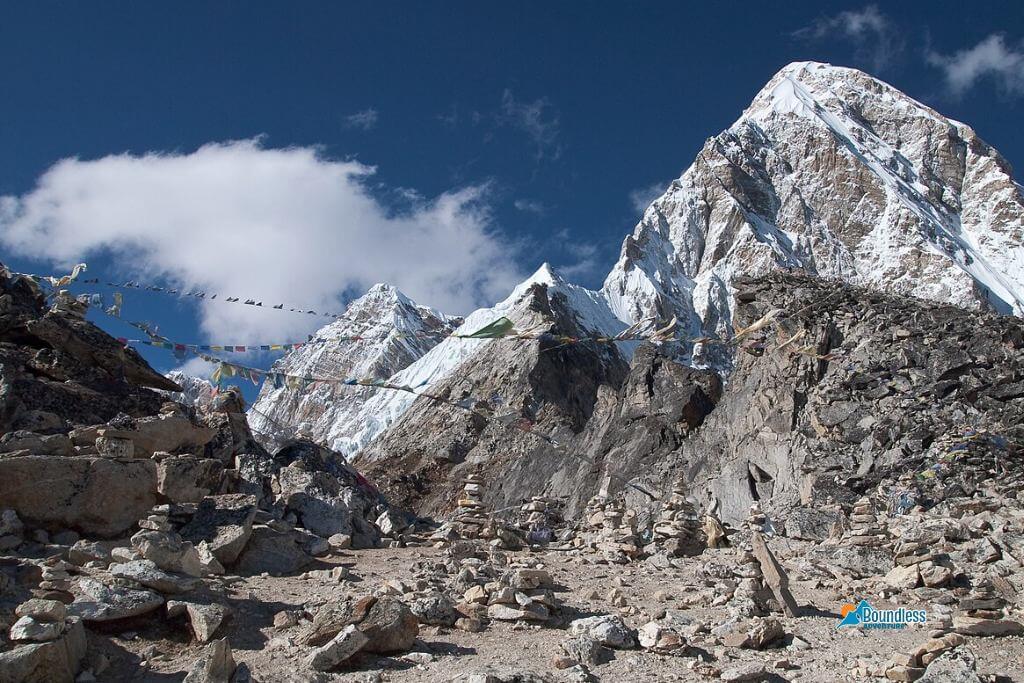
Kala Patthar isn't just a viewpoint—it's an emotional high point of the Everest region. Standing at 5,643 meters, it offers perhaps the best ground-level view of Mount Everest, far better than what you see from Everest Base Camp itself. But beyond the views, it is the journey that leaves a print on your lifetime memory: the cold wind brushing your face, prayer flags fluttering in the silence, and the surreal feeling of standing so close to the world's highest peaks.
For seasoned trekkers, it's a reward. For first-timers, it's a powerful initiation into high-altitude trekking. No matter your experience, Kalapatthar is one of those rare places where nature's majesty makes you pause, reflect, and feel something profound. It's not just about reaching the top–it's about the perspective it gives you on everything else.
Ready to conquer Kala Patthar? Contact us now to book your trek with Boundless Adventure today!
FAQ's
What is Kala Patthar famous for?
Kala Patthar is best known for offering the most stunning close-up views of Mount Everest without requiring technical climbing. It's one of the highest points trekkers can reach in the Everest region without needing a climbing permit. Many people consider the sunrise or sunset views from Kalapatthar to be the highlight of their entire trek.
Is it worth visiting Kala Patthar?
Yes, Kala Patthar is a place to visit if you want to take the best close-up picture of Mount Everest without climbing it. This is because there is nothing more rewarding than reaching the top, especially at sunrise or sunset, that can ever be described. It is one of those things that you have in mind long after you are back in the world.
How difficult is the Kala Patthar trek?
The trek to Kala Patthar is moderately challenging, mainly due to the high altitude rather than the terrain. Trekkers need a good level of fitness and proper acclimatization to handle the thin air and long hiking days. Taking it slow and steady makes a big difference in how much you enjoy the journey.
What is the best time to trek to Kala Patthar?
The best time to trek to Kalapatthar is Spring (March to May) and autumn (September to November). These months offer clear skies, breathtaking views, and stable weather conditions that lead to visibility of Mount Everest. Trekking during these times also means you'll meet fellow adventurers along the way, adding to the experience.
How high is Kalapatthar?
Kalapatthar has an altitude of about 5555 meters (18,514 ft). It is where trekkers tend to reach the peak of the Everest region. This feat is more rewarding, as the thin air at this altitude makes it more satisfying.
Do I need previous trekking experience for Kala Patthar?
You do not need any prior trekking experience; however, you should be physically fit. Numerous novice trekkers have succeeded by walking, drinking plenty of fluids, and mentally acclimating to higher altitudes. It is a huge difference to have a skilled guide with you.
What permits are required for the Kala Patthar trek?
To trek to Kala Patthar, you'll need the Sagarmatha National Park Entry Permit and the Khumbu Pasang Lhamu Rural Municipality Permit. Both permits are easily arranged either in Kathmandu or upon reaching the trekking starting point. Your trekking agency often takes care of this for you.
Can I experience altitude sickness at Kala Patthar?
Yes, altitude sickness is a problem on Kala Patthar due to its high elevation. This is why acclimatization, step-by-step climb, and your physical condition are the key factors. With due planning and rest days in the schedule, most trekkers do fine.