


Can you imagine entering Nepal, a location of rocky cliffs, historic monasteries, and rich Tibetan culture where time appears to have stopped? Greetings from Mustang of Nepal, a magical area with a rich cultural heritage.
Many tourists overlook this undiscovered treasure because they are unaware of its attractiveness. With its unique landscapes and Mustang cultural heritage, it feels like an entirely different world compared to other parts of Nepal.
In this guide, we explore the history of the Mustang of Nepal, its breathtaking Mustang trekking routes, and why it remains one of the most culturally significant destinations in the world.
Mustang’s Unique Identity: Upper Mustang and Lower Mustang
Mustang of Nepal is divided into Upper Mustang and Lower Mustang, each offering a different experience.
- Upper Mustang was once an independent kingdom, often called the Ancient Mustang Kingdom, before it became part of Nepal.
- The region is home to Tibetan culture in Nepal, with traditions that have remained untouched for centuries.
- Mustang is a living museum of Tibetan influence, thanks to its hidden location, which has helped to maintain its cultural legacy.
- Its dry, desert-like landscape compares with the beautiful surroundings of other trekking areas in Nepal.
Mustang, Nepal’s history is deeply rooted in Tibetan Buddhism, trade, and ancient traditions. It is also the location of the underground city of Chhoser and the walled city of Lo Manthang.
The Spiritual Importance of The Historic Monasteries
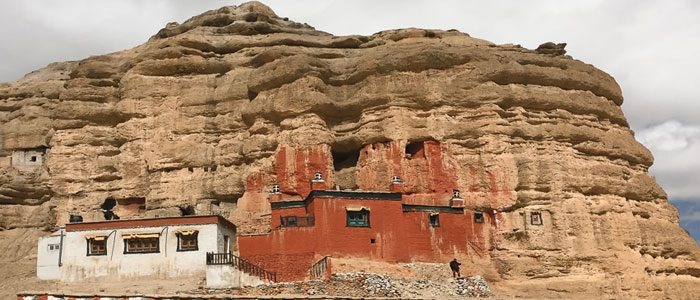
Some of Nepal’s oldest and most significant monasteries are located in Mustang. They are closely connected to Tibetan culture and represent Mustang’s cultural past.
Monasteries You Must Visit:
- Lo Gekar Monastery is one of the oldest Buddhist sites, older than Tibet’s famous Samye Monastery.
- Thubchen Monastery is known for its stunning murals and deep spiritual significance.
- Tsarang Monastery, a place of worship and learning that has stood for centuries
Why They Matter:
In addition to serving as spiritual centers where monks carry out centuries-old rites, the monasteries have preserved Tibetan culture in Nepal for more than a millennium.
The Mystical Landscape of Mustang
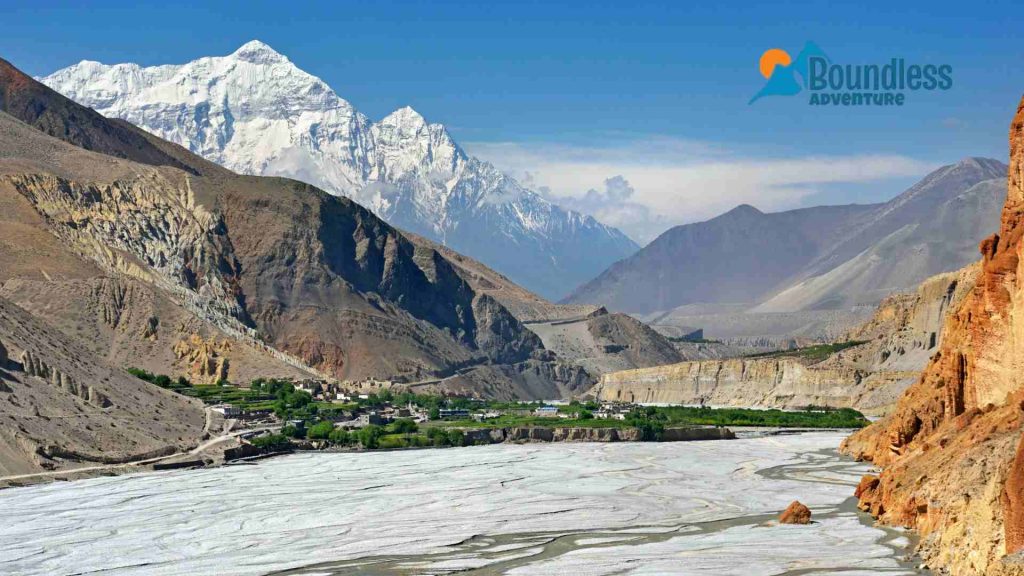
Mustang offers a landscape that appears to be from another planet compared to Nepal’s typical green mountains.
- Barren valleys, deep gorges, and towering cliffs dominate the terrain, creating a dramatic setting.
- The Kali Gandaki River runs through the region, offering breathtaking views.
- Mysterious caves with ancient paintings and hidden scriptures tell stories of Mustang’s history and its past inhabitants.
- The landscapes, mixed with red and ochre-colored cliffs, create an otherworldly beauty unlike anywhere else.
- You won’t find dense forests here—just stunning rock formations, open skies, and rugged trails.
- The region’s dry climate makes it an excellent trekking destination, even during the monsoon season.
- The high-altitude desert terrain makes every step feel like an adventure into an ancient world.
Trekking along the Mustang Trekking trails means following paths that Tibetan traders once used for trade. Most of these routes remain the same, and the Ancient Mustang Kingdom was a major stop on the salt trade route.
Nepal’s Mustang region is a magnificent destination for adventurers and history admirers. At every turn of your journey, you can see traces of the past engraved into the landscapes.
To gain more knowledge on Mustang Trekking, also read our blog How Much Does The Upper Mustang Trekking Permit Cost?
Tibetan Culture’s Impact on Everyday Life
Tibetan culture is most noticeable in Mustang, Nepal. The amazing parallels between the people, structures, and customs preserve a centuries-old way of life.
Culture of Mustang:
- Traditional homes: Houses with flat roofs and few windows, ideal for keeping warm, are made of stone and mud to withstand the powerful Mustang winds.
- Festivals such as Tiji: One of the most essential occasions in the area is the Tiji Festival, which is celebrated by music, dances in masks, and ceremonies meant to fend off evil spirits.
- Religious customs: Buddhist prayer flags, spinning prayer wheels, and monasteries filled with ancient scriptures keep spiritual traditions alive.
- Local attire: Residents wear Tibetan-style robes, often lined with fur for warmth, and colorful jewelry that symbolizes their spiritual beliefs.
- Language and customs: The language and culture of the Mustang people are similar to those of Tibet, and they speak a dialect similar to Tibetan.
- Traditional Food: Momo dumplings, yak butter tea, and tsampa (roasted barley flour) are specialties that provide a flavor of authentic Tibetan dining.
- Nomadic Lifestyle: Many people in Mustang still practice herding, moving their yaks and sheep across the rugged landscape.
Living in the Mustang of Nepal feels like stepping into an untouched version of Tibet. The region has managed to preserve its deep-rooted Mustang cultural heritage, allowing visitors to experience the ancient traditions of the Ancient Mustang Kingdom firsthand.
The Mustang region of Nepal is a unique and beautiful cultural treasure, with each town, monastery, and ceremony presenting a tale of a civilization that has faced.
Mustang’s Main Attractions to Visit During Trip
There are a ton of amazing spots to explore in Nepal’s Mustang.
- Lo Manthang: The Ancient Mustang Kingdom was a town surrounded by beautiful palaces, monasteries dating back hundreds of years, and a complex system of passageways. Experiencing Lo Manthang is like going back in time. The people practice Tibetan Buddhist customs, which powerfully represent Mustang’s cultural history. The Royal Palace, once home to Mustang’s king, still stands as an architectural marvel.
- Muktinath Temple: A sacred pilgrimage site for Hindus and Buddhists, Muktinath Temple is believed to grant salvation. The temple is known for its eternal flame and 108 holy water spouts. It sits at an altitude of 3,800 meters, offering stunning mountain views.
- Marpha: Known for its apple orchards, Marpha is a quiet little village with whitewashed homes. Locals offer traditional Tibetan-style homes, dried apples, and apple cider manufactured locally.
- Chhoser Caves: These ancient caves, carved out of rocks, are thought to have been the homes of monks and early settlers. Some underground spaces even have prayer and meditation rooms, confirming Mustang Nepal’s past.
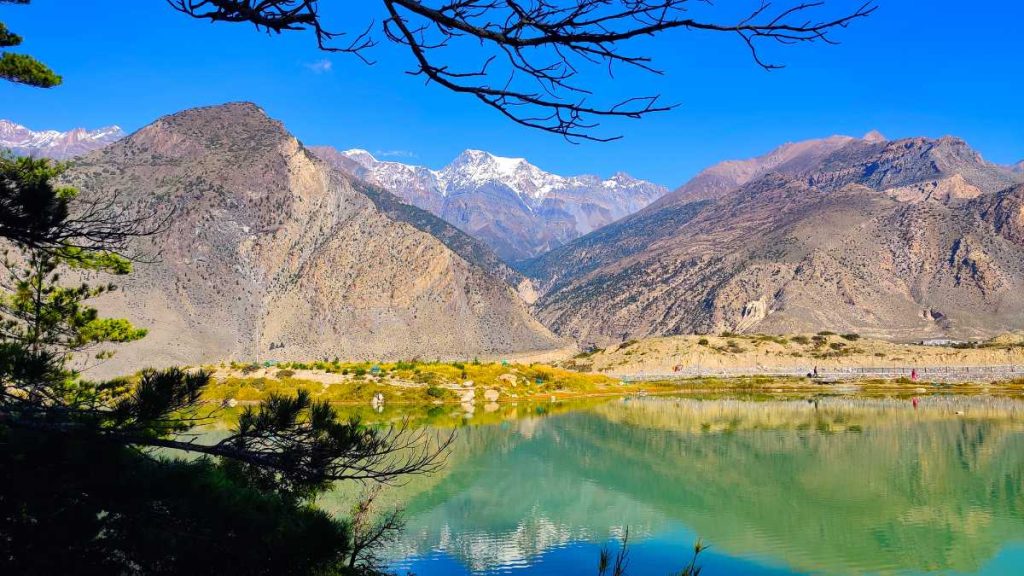
- Dhumba Lake: Dhumba Lake is a beautiful and peaceful spot near Jomsom. Breathtaking mountains surround it. The lake is clear, and the stunning scenery makes it a perfect place to enjoy and relax in nature.
All treks begin at Jomsom, where the trekking trails to Mustang begin. The town offers breathtaking views of the Nilgiri and Dhaulagiri mountain ranges.
Recommended Read: Best Places to Visit in Jomsom Mustang, Nepal
Mustang Travel and Trekking Advice
Best Time to Visit: Mustang of Nepal
- Spring (March-May) and Autumn (September—November) are best for trekking, with clear skies and pleasant temperatures.
- Unlike other regions in Nepal, the Mustang trekking routes remain dry during monsoon, making it an excellent choice even in summer.
Permits Required:
- Because of its cultural and historical value, Upper Mustang requires a Restricted Area Permit (approximately $500 for 10 days).
- Every trekker must also have a TIMS (Trekker’s Information Management System) card.
How to Get There:
- Drive or hike to Lo Manthang after taking a plane from Pokhara to Jomsom.
- From Pokhara, there are jeep choices for overland travel, which offers a beautiful but challenging trip.
- A guide is recommended as it helps navigate the region and provides cultural insights.
The Mustang trekking routes offer a mix of adventure, culture, and history, making it an unforgettable journey.
Conclusion
Nepal’s Mustang is a unique treasure where culture, history, and scenic beauty all coexist. It is a location unlike any other because of its stunning landscapes, historic monasteries, and rich Tibetan culture. Travelers can experience the kindness of the Loba people while traveling back in time by exploring the Ancient Mustang Kingdom.
Mustang leaves an impression whether you’re hiking its rough paths, admiring its architectural wonders, or taking in its serene atmosphere. By caring for the environment while you are here, you give future people a chance to learn about this special history. So let yourself discover why Mustang is famous, where stories from the past are still remembered.
So, plan with Boundless Adventure to avoid missing out on this trip.
FAQ’s
What makes Nepal’s Mustang special?
Mustang feels like stepping into a forgotten world. Tucked between the Himalayas and Tibet, it’s a rare blend of stark desert beauty, ancient Tibetan Buddhist culture, and centuries-old monasteries. The wind-carved cliffs, hidden cave dwellings, and untouched villages make it unlike anywhere else in Nepal. It’s not just scenery—it’s spiritual.
What is the best time to visit Mustang?
The best times to visit Mustang are spring (March–May) and autumn (September–November). These months offer stable weather, clear skies, and the perfect temperature for trekking. Monsoon rains barely reach Mustang due to its location in the rain shadow of the Annapurna range, making it ideal even in late summer.
Do I need a special permit to visit Upper Mustang?
Yes, visiting Upper Mustang requires a Restricted Area Permit issued by the Government of Nepal. It costs approximately USD 500 per person for 10 days. Only registered trekking agencies can apply for it on your behalf, and you must travel with a licensed guide. This rule helps protect Mustang’s fragile environment and culture.
What are the famous festivals in Mustang?
The Tiji Festival is Mustang’s most iconic celebration. Held in Lo Manthang, this three-day ritual dance festival symbolizes the victory of good over evil. Monks in elaborate costumes reenact ancient myths through masked dances. It’s both a spiritual ceremony and a social gathering for locals from across the region.
How do I reach Mustang?
The easiest way to reach Mustang is by flying from Kathmandu to Pokhara, then taking a short flight to Jomsom. From there, the adventure continues on foot or by jeep. Alternatively, an overland journey by jeep from Pokhara to Jomsom offers dramatic mountain landscapes along the way, though it’s rougher.
What are the top trekking routes in Mustang?
The two main trekking options are:
Upper Mustang Trek: Takes you to the walled city of Lo Manthang and deep into the restricted region. It’s culturally rich and moderately challenging.
Lower Mustang Trek: Shorter and more accessible, this route passes through Kagbeni, Muktinath, and Marpha. Ideal for first-timers or those short on time.
What sort of cuisine is available in Mustang?
Expect simple but hearty Tibetan and Nepali dishes. Local favorites include Thukpa (noodle soup), Tsampa (barley flour porridge), and Yak Butter Tea—an acquired taste but a staple in the highlands. Many teahouses also serve dal bhat and momo dumplings, keeping you fueled for the trek.
Is it possible to find lodging in Mustang?
Yes, you’ll find teahouses, guesthouses, and homestays along the trekking routes. In Lower Mustang, accommodations are more comfortable, often with hot showers and Wi-Fi. Upper Mustang is more remote, so facilities are basic, but warm beds, home-cooked meals, and the hospitality of locals make it special.
Is Mustang appropriate for beginning hikers?
Lower Mustang is absolutely beginner-friendly. The trails aren’t too steep, and altitudes are manageable, usually under 3,800 meters. For Upper Mustang, prior trekking experience helps, as the terrain is more remote and elevations are higher, but it’s doable with preparation and a guide.
Which Mustang ethnic customs should I honor?
Mustang is deeply spiritual. Always walk clockwise around monasteries and mani walls, dress modestly (especially around temples), and ask before taking photos of people or ceremonies. Remove your shoes before entering homes or religious buildings, and never point your feet at shrines.