


Wondering what to wear for the Manaslu trek? The key is smart layering. You’ll need a moisture-wicking base layer, a warm insulating mid-layer, and a windproof, waterproof outer shell. For colder months, add thermal leggings, fleece-lined pants, and a down jacket rated for sub-zero temperatures. Weather on the trail can shift fast — from sunny valleys to snow-covered passes — so your clothing needs to be versatile, breathable, and built for altitude.
But don’t worry! This blog will help you choose the best clothes for the Manaslu trek. We’ll break down layering for the Manaslu trek, Manaslu trek essentials, and how to pack smart. Even if you’re new to trekking, this blog will simplify it.
Understanding the Manaslu Trek Climate
Understanding the unique and ever-changing climate of the Manaslu region is crucial when deciding what to wear for the Manaslu trek. This trail starts in humid, subtropical lowlands and climbs all the way to icy alpine zones above 5,000 meters. That’s a huge shift in both temperature and weather conditions—all in one journey.
Spring (March to May):
The days are relatively warm and the skies are clear. Temperatures in lower altitudes range from 10°C to 20°C, but nights can drop below freezing above 3,000 meters. Expect blooming rhododendrons and pleasant trekking conditions. Layers are still needed, especially for chilly mornings and evenings.
Monsoon (June to August):
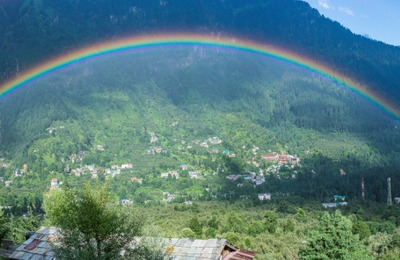
Monsoon is the hardest time to trek because of rain, leeches and slippery trails. The lower altitudes are humid and hot whereas high altitudes at the mountain are cold and rainy. Rain clothing is needed and everything, including jackets and boots must be waterproofed.
Autumn (September to November):
This is peak trekking season. The skies are clear, the air is crisp, and temperatures are just right. But as you ascend, it gets cold fast, especially at night. Still thinking what to wear for the Manaslu trek in autumn? A complete layering system — moisture-wicking base layers, insulating mid-layers, and windproof outer shells — is essential.
Winter (December to February):
Heavy snowfall makes it extremely cold. At higher elevations, temperatures can remain below freezing even during the day. A high-quality down jacket, insulated gloves, and thermal layers are non-negotiable.
Pro Tip:
Regardless of the season, when packing, one should be ready that the weather can change quite fast in a Manaslu circuit. As you go to Manaslu, your treking outfit must be flexible enough to deal with the sunshine, wind chill, unexpected rain, and snow. Sometimes all in one day. Thus, keep it layered when deciding what to wear to Manaslu trek.
Also to learn about best season/time for your trek, read our blog “Best time to trek the Manaslu Circuit“.
The Layering System Explained
Layering is the golden rule regarding what to wear for the Manaslu trek. The trail takes you from warm valleys to freezing mountain passes, and your clothing must adjust to those dramatic climate shifts. That’s where the layering system comes in—three smart layers that work together to keep you warm, dry, and comfortable.
Base Layer (Inner Layer)
This is the layer worn right against your skin. Its job is to wick sweat away so you stay dry, not wet and freezing.
- Best materials: Merino wool (natural, soft, odour-resistant) or synthetics like polyester or nylon.
- Avoid cotton: It traps moisture and dries slowly. That’s a big no for the mountains.
- What to pack: 2–3 sets of long-sleeve thermals, leggings, and moisture-wicking underwear.
Base layers are essential for the Manaslu trek because staying dry means staying warm. When deciding what to wear for the Manaslu trek, always start with this layer.
Mid Layer (Insulation Layer)
Next comes warmth. This layer traps body heat and creates a cozy blanket under your shell.
- Best options: Fleece jackets, lightweight down jackets, or synthetic insulated layers.
- Pack smart: Choose something compressible and easy to stow in your pack.
- Popular picks: Patagonia Nano Puff, Uniqlo ultralight down, or a basic Polartec fleece.
Mid layers are essential Manaslu clothing because temperatures drop fast above 3,000 meters.
Outer Layer (Shell Layer)
This is your shield. It guards you against wind, rain, and even snow, especially during storms or when crossing high passes like Larkya La.
- Top materials: Gore-Tex, eVent, or any ripstop waterproof fabric.
- Must-have features: Fully taped seams, waterproof zippers, underarm vents, and an adjustable hood.
- Examples: Arc’teryx Beta LT, The North Face Summit Series, or well-rated budget waterproof jackets.
When choosing what to wear for the Manaslu trek, a shell is your lifesaver when nature turns wild.
Why Layering Works
The layering system is like climate control for your body. Too hot? Remove a layer. Too cold? Add one. This flexibility keeps your temperature balanced and energy high. That’s why layering for the Manaslu trek is not optional — it’s essential for your comfort and safety.
Essential Clothing Items to Pack
You have understood the principle of layer, so now we can get down to details. Manaslu trek clothing has been divided into clear categories with a full checklist of each and every clothing item with its description in below:
Headwear:
- Sun Hat or Cap: At lower elevations, a sunhat or cap protects your face from sunburn. Opt for a wide-brimmed hat with ventilation.
- Wool Beanie or Fleece Hat: Keeps your head warm in the early mornings and nights, especially above 3,500 meters.
- Buff/Neck Gaiter: This multipurpose item can protect your face from dust, wind, or freezing air. It can also double as a headband or scarf.
Gloves:
- Liner Gloves: These gloves are light in nature where conditions are mild. The ones that support touchscreen do not require you to expose your hands in order to take pictures.
- Insulated Gloves: Use them at higher altitudes or in the morning. Look for windproof and waterproof features.
Footwear:
- Trekking Boots: High-ankle, waterproof boots with good grip are essential. Break them in before your trip to avoid blisters.
- Camp Shoes: Lightweight flip-flops or Crocs for wearing around the teahouse after a long day.
- Wool or Synthetic Socks: Moisture-wicking, warm, and thick. Pack at least 3–4 pairs.
Clothing:
- 2–3 moisture-wicking trekking shirts (short or long sleeve)
- 2 trekking pants (convertible ones are handy)
- 1–2 thermal base layers for sleeping or cold days
- 1 fleece jacket for mid-layer warmth
- 1 heavy down jacket for high altitudes
- 1 waterproof shell jacket & pants
Pro Tip: All clothes should be fast-drying and packable. Choose synthetic or merino wool over cotton.
Recommended Read: Best Hotels in Manaslu for Trekking Enthusiasts
Winter vs. Summer Trekking Gear for Manaslu
The gear you pack depends heavily on the season. Here’s how to adapt your Manaslu trek essentials for winter vs. summer:
Winter (December–February):
- Heavy Down Jacket: Rated for -10°C to -20°C. Essential above 4,000m.
- Insulated Pants: Down or synthetic. Necessary for cold evenings.
- Balaclava/Face Mask: Keeps your nose and cheeks from freezing.
- Gaiters: Protect your legs from deep snow and slush.
- Crampons or Microspikes: Trails can be icy. Don’t take chances.
Summer (June–August):
- Breathable, quick-dry shirts: Lightweight to manage heat and sweat.
- Waterproof Jacket & Pants: Sudden rains are common.
- Leech Socks: Useful in jungly, wet trails at lower altitudes.
- Insect Repellent: Keeps mosquitoes and leeches away.
- Rain Cover: For your bag and body.
Adjust your Manaslu trek clothing based on whether you’re braving snow or dodging monsoon rain. Always prioritise comfort and protection.
Recommended Read: Geography and Significance of the Manaslu Himalayas
Additional Gear & Accessories
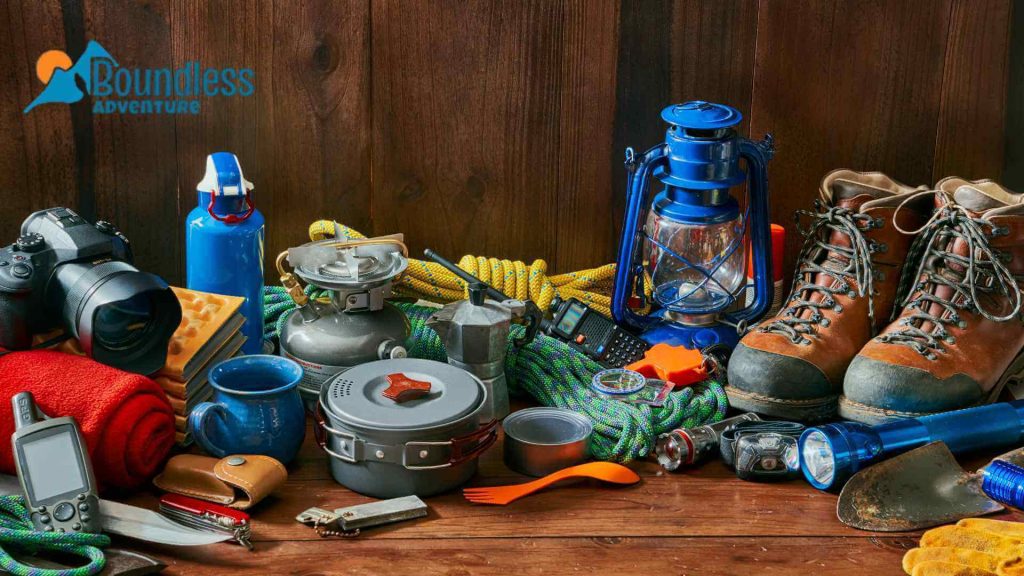
Your clothing will take you far, but these accessories will complete your Manaslu trekking outfit and make life on the trail easier. Here are some must-have items for the Manaslu Circuit Trek.
Backpack:
- Main Backpack (60–70l): This is the one where all your gear will be put. It ought to be powerful at hip belt and flexible shoulder straps.
- Daypack (20–30l): This pack is for daily use. It can hold water, snacks, a rain jacket, and valuables.
Trekking Poles:
- Save your knees on descents and help with balance.
- Essential in snow or on steep trails.
Sleeping Gear:
- Sleeping Bag: It has got a rating of at least -10 deg C (or -15 C during winter). They are available on hire in Kathmandu.
- Sleeping Bag Liner: Adds 5°C of warmth and keeps your bag clean.
Other Must-Haves:
- Headlamp with extra batteries
- High-SPF sunscreen and lip balm
- Sunglasses with UV protection
- Hand sanitiser, wet wipes, and toilet paper
- Water bottles or hydration system (2–3l)
These Manaslu trek essentials fill the gaps where clothing alone isn’t enough.
Renting vs. Buying Gear in Kathmandu
Buying everything is tempting if you’re trekking Manaslu for the first time. But renting saves money and weight.
Renting:
- Ideal for expensive or bulky items (sleeping bags, down jackets)
- Available all over Thamel in Kathmandu
- Costs USD 1– USD 2/day for most items
Buying:
- Better for base layers, socks, and underwear
- Ensures a perfect fit and long-term use
- Try the gear at home before flying out
Tip: Inspect rental gear before leaving the shop. Check zippers, insulation, and cleanliness.
Packing for the Manaslu Circuit becomes less stressful when you know what’s worth renting and buying.
Recommended Read: Manaslu Circuit Trek Cost Breakdown: Permits, Guides & Expenses
Packing Tips and Best Practices
To pack in the Manaslu trek stress free and effectively, here is a packing list for Manaslu Circuit trek and other Manaslu treks:
Smart Packing:
- Use packing cubes to stay organized.
- Roll clothes instead of folding to save space.
- Keep heavy gear at the center/back of your backpack.
- Place waterproof items at the top or in an accessible side pouch.
Common Mistakes:
- Overpacking “just in case” — stick to your checklist.
- Ignoring the quality of socks and underwear, comfort starts inside.
- Bringing tech gadgets that you’ll never use — power is limited.
Keep it light, layer bright, and test your gear before you leave. You don’t want surprises at 4,000 meters.
Are you wondering about essential gear for Manaslu circuit trek, Don’t worry. Visit our blog “Must Have Gear For Manaslu Circuit Trek” for complete gear and equipments list needed during your trek.
Conclusion
Choosing what to wear for the Manaslu trek is not just about looking the part — it’s about safety, comfort, and being ready for every shift in the Himalayan climate. From the hot, humid trails of the lower regions to the snow-covered passes at higher altitudes, every layer you wear matters.
Knowing how to use a proper layering system during the Manaslu trek is a lot different. Carry along moisture-wicking under layers, insulation in the middle, and waterproof upper layers and good trekking equipments.
Whether you’re trekking in winter or summer, smart packing ensures you won’t be caught off guard by weather or elevation. Keep your Manaslu clothing light, versatile, and practical. And remember, your Manaslu trekking outfit should support your body’s needs, not add unnecessary weight.
As long as you follow this guide and choose the best clothes for the Manaslu trek, you’ll be prepared for any condition, and your journey will be both bearable, enjoyable, and rewarding. So pack wisely, stay warm, and prepare for one of the most unforgettable adventures in the Himalayas with Boundless Adventure.
Related Manaslu Blogs/Articles:
- Manaslu Circuit Trek Distance
- How to Prepare For Manaslu Circuit Trek
- Manaslu Circuit Trek Itinerary: Machha Khola to Jagat
FAQ’s
What should I wear for the Manaslu trek in winter?
For winter on the Manaslu Circuit, layer up with thermal base layers, fleece-lined pants, an insulated down jacket, windproof outerwear, and warm gloves. Proper layering keeps you warm and protected in sub-zero temperatures.
Is rain gear necessary for the Manaslu Circuit trek?
Yes — always pack rain gear. Weather in the Himalayas is unpredictable, and sudden rain or snow can hit even outside monsoon season. A waterproof jacket and pants are non-negotiable essentials.
How many layers do I need for the Manaslu trek?
You’ll need three layers: a breathable base layer to wick sweat, a warm mid-layer like fleece, and a waterproof outer layer to block wind and rain. This system keeps you comfortable in shifting mountain conditions.
Can I rent clothes for the Manaslu trek in Kathmandu?
Yes, you can rent trekking gear in Kathmandu, including down jackets, sleeping bags, and trekking poles. It’s a great way to save money if you’re not ready to buy new equipment.
What kind of footwear is best for the Manaslu trek?
Go with waterproof trekking boots that have strong ankle support and good grip. Break them in before the trek to avoid blisters — comfort and stability are key on rugged terrain.
Should I carry extra clothes during the trek?
Bring extra base layers, socks, and underwear to change into if you get wet or sweaty. But keep your backpack light — only pack the essentials.
Is a down jacket necessary?
Yes. Once you’re above 3,000 meters, temperatures drop fast — especially at night. A quality down jacket is one of the most important items you’ll need for warmth.
What’s the difference between summer and winter Manaslu trek clothing?
Winter trekking clothes are warmer and bulkier — think thick thermals, insulated pants, and heavy-duty jackets. In summer, focus on breathable fabrics and rain protection.
Can I wear cotton while trekking?
Avoid cotton. It holds onto sweat and dries slowly, which can make you cold and uncomfortable. Go with moisture-wicking synthetics or merino wool instead.
Do I need gloves and hats even in summer?
Yes. Even in summer, mornings and high-altitude sections get cold. A warm hat and gloves should always be part of your gear list.