


Muktinath is one of Nepal's most sacred and spiritually rich destinations, and thousands of pilgrims and trekkers trek there annually. Where is Muktinath located? It is situated in the Mustang district of Nepal's far west, at an elevation of 3,710 meters (12,170 feet) above sea level.
This sacred temple is located at the foot of the Thorong La Pass in the Himalayas, some 22 kilometers (14 miles) north of Jomsom town. Its position between the Annapurna and Dhaulagiri ranges provides a great view and a spiritual atmosphere that draws visitors from all over the world.
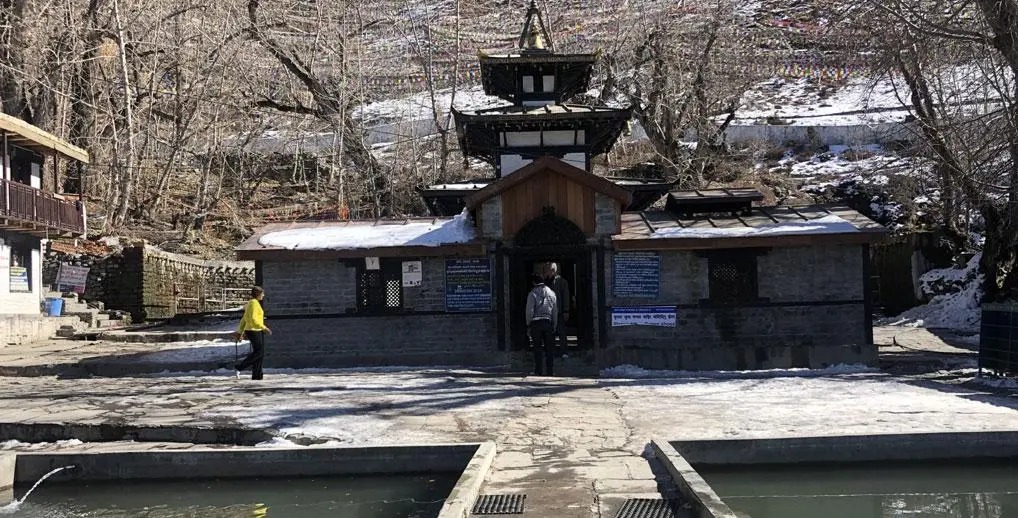
In this blog, we will cover the exact location of Muktinath Temple, its significance, how to get there, and other vital details to make your visit worthwhile.
Where is Muktinath Located? Location & Geographic Details
Located in Nepal's Mustang district at an elevation of 3,710 meters (12,170 feet) in the Himalayas, the Muktinath Temple stands on the northern side of the Annapurna Range, with a bird's-eye view of Jomsom town, the gateway to Muktinath.
It is set amid harsh terrain, with the temple offering a panoramic view of snow-capped peaks and expansive open spaces that evoke spirituality and tranquility. The temple is owned by Lord Vishnu, one of the most worshipped deities in Hinduism, and holds particular significance for Hindus.
How to Reach Muktinath Temple
You can reach the Muktinath Temple in several ways. Here are three ways you can travel:
- By Air: You can fly from Kathmandu to Jomsom. Jomsom is a town near the temple and is also an easy place to travel. From Jomson to the temple, you can take a trek or a jeep, depending on your choice. The Jomsom flight will also give you a good perspective of the Himalayas.
- By Road: You can also drive or take a jeep from Pokhara to Lomson. Despite the length of a road trip, you get to observe Nepal's amazing surroundings. At Jomson, you decide for yourself whether to hike or ride a jeep to Muktinath.
- Trekking: For those who crave adventure, trekking is the most thrilling way to reach Muktinath. The Jomsom to Muktinath trek is a picturesque 3-4 day walk through forests, villages, and rocky cliffs. This trekking route is part of the larger Annapurna Circuit, one of Nepal's most well-known trekking routes.
Muktinath Temple Altitude: A High-altitude Spiritual Experience
Muktinath Temple is located in a high-altitude region of Nepal, at an elevation of 3,710 meters (12,170 ft) above sea level. For those who want a challenge, this is one destination for you, as it requires visitors to be prepared for altitude-related conditions, such as thin air.
Visitors must be aware of altitude sickness and take necessary precautions, such as drinking plenty of water, ascending gradually, and acclimatizing, to avoid health issues. While the scenery is simply out of this world and the environment is serene, the high altitude wreaks havoc on the health of people who are used to sea level.
Muktinath Temple History: A Sacred and Ancient Site
The history of Muktinath Temple dates back to ancient times, and it is considered one of the most sacred places for both Hindus and Buddhists. It is a temple of Vishnu, and its history dates back to when the great sage Guru Rinpoche visited the site and declared it sacred.
The Hindu faith holds that Muktinath is a salvation (Mukti)- an attainable place. It is said to possess holy water that can cleanse an individual's sins. There are 108 water spouts around the temple, and pilgrims generally take a ritual bath under the spouts for spiritual purification.
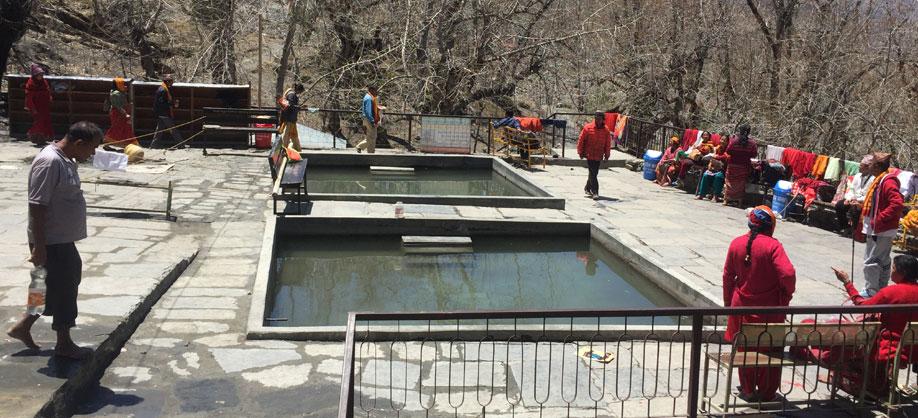
Muktinath is also sacred to Buddhists, who equate Guru Rinpoche with it, who would have meditated there. Hindu and Buddhist shrines within the temple complex signify the peaceful coexistence of the two faiths in Nepal.
What is Muktinath Famous For
Muktinath Temple is well known for its religious significance and the way its natural beauty is intertwined with spirituality. It is also called the "Place of Liberation" as it is associated with the Hindu belief in liberation. Pilgrims from all over the world trek to this place in the hope of cleansing their souls and attaining moksha, or freedom from the cycle of birth and death.
Muktinath is also famous for the 108 water spouts in the temple and the perpetual flame burning at the temple entrance. It's said to be fueled by natural gas that seeps from the earth, and no one knows how the flame manages to burn steadily without ever being extinguished by wind or rain.
In addition to its religious role, Muktinath is well-loved by tourists because it sits tucked away in the heart of Nepal's Mustang district. Because of its striking snow-covered mountains, beautiful views, and relaxing atmosphere, many adventurers and trekkers consider Tibet a paradise.
Accommodation Around Muktinath
While visiting Muktinath, accommodations are available within the temple compound and in the nearby town of Jomsom. Although in a remote location, the accommodations are basic but acceptable for pilgrims and trekkers.
- Jomsom: The nearest town to Muktinath, Jomsom has a range of guesthouses, hotels, and tea houses for tourists. Local Tea Houses on the trek to Muktinath and in Jomsom, tea houses are the favorite accommodations for trekkers, offering basic food and a comfortable bed.
- Muktinath: Stay here comprises guesthouses and small lodges. The accommodation is relatively simple, with shared toilets and simple bedding. Pre-booking during the high season is advisable, as rooms may be limited.
Best Time to Visit Muktinath
-
Spring (March to May):
Spring brings pleasant weather, mild temperatures, and sunny days; it is one of the best seasons to visit Muktinath. Along the trekking routes, flowers bloom, creating a lush and lovely landscape.
-
Fall (September to November):
After the monsoon, the weather is cool and crisp, making it a good season as well. There is no chance of rain or snow, and the weather is perfect for trekking, giving you expansive views of the mountains.
-
Summer (June to August):
Even though Nepal's monsoon season is considered unsuitable for trekking, some people still trek during this time. But the risk is high this season due to more rain, and the trails are slippery and challenging.
-
Winter (December to February):
Due to cold weather and the high risk of potential snow, it becomes a less crowded time. So, if you prefer less-crowded places and cold weather, this season is the best time to travel.
Local Culture and Traditions
The region around Muktinath, particularly in Mustang, is imbued with a rich combination of Nepali and Tibetan cultures. The Mustang District was once a kingdom, and people residing here follow both Hinduism and Buddhism in perfect union.
- Tibetan Influence: Tibetan culture is prevalent in the area. Locals use Tibetan words and follow the Buddhist way of life. Prayer flags, prayer wheels, and monasteries can be found around.
- Festivals: Muktinath holds special significance during Tihar (the festival of lights in Nepal) and Dashain (the most significant Hindu festival in Nepal), when pilgrims and locals visit to offer their respects. Buddhist festivals, such as Lhosar (the Tibetan New Year), involve intricate prayers and dances.
- Travelers and Rituals: Bathing under the 108 water spouts is believed to purify the soul, and both Hindus and Buddhists visit Muktinath to perform rituals.
Packing Tips for Muktinath Trek
Given the high altitude and challenging terrain of the Muktinath trek, it would be wise to pack accordingly. Here is a list of things you should carry :
- Warm Clothing: The weather can be cold, especially in the evenings, so make sure to pack thermal wear, a down jacket, and a waterproof outer layer.
- Trekking Shoes: Choose comfortable, sturdy, and waterproof trekking shoes that are essential for walking on rocky paths and in snow.
- Water Bottle: Use a reusable water bottle to stay hydrated during the trek. Drinking plenty of water at high altitudes can help avoid altitude sickness.
- Sun Protection: To protect against the intense sun at high altitudes, bring sunscreen, goggles, and a hat.
- Medications: Pack a light first-aid kit containing medicines for mountain sickness (e.g., Diamox), painkillers, and anti-nausea pills.
- Snacks: Since you will need energy to trek, taking energy bars, dried fruits, and nuts will help you on your trip.
- Camera: Don't forget to bring a camera to capture the stunning vistas of the Himalayas, which offer spectacular photo opportunities, but leave it behind at your own risk.
Safety Tips for Trekking to Muktinath
Some of the safety tips for trekking to Muktinath are below:
- Altitude Sickness: Watch for symptoms, including headaches, nausea, dizziness, and lethargy. To avoid this, move slowly, drink lots of water, and rest regularly.
- Slow and Steady: Allow your body to acclimatize by climbing step by step and observing rest days. If you feel ill, descend to a lower altitude immediately.
- Local Guide: You should hire a local guide or a trekking agency, as they understand the terrain, can provide first aid, and ensure your safety throughout the trek.
Local Cuisine
The Mustang region has an interesting combination of Tibetan and Nepali cuisine, so there is plenty of variety. Here are some foods you must try:
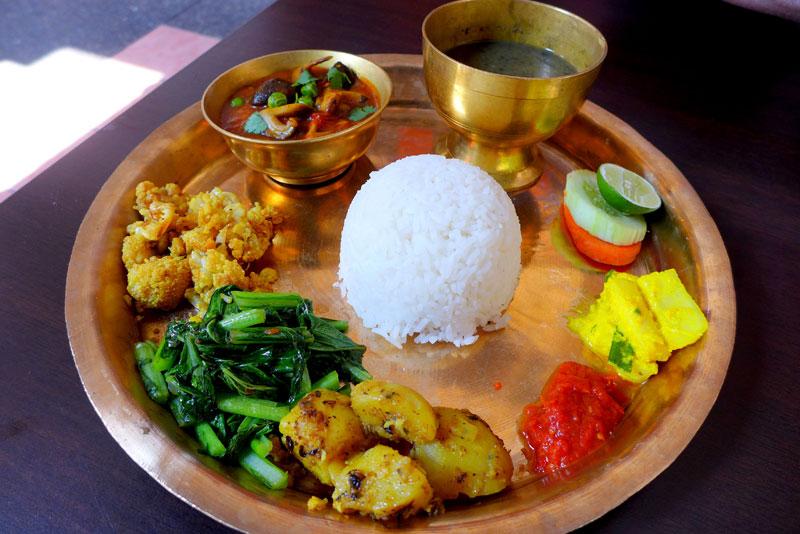
- Dal Bhat is a traditional Nepali dish made of lentil soup (dal) and rice (Bhat), sometimes served with vegetables and pickles.
- Thukpa: A hearty Tibetan noodle soup perfect for the winter season.
- Momo: Steamed or fried dumplings containing vegetables, meat, or cheese, which are usually found in local eateries.
- Tibetan Butter Tea: Tibetan bitter tea is a traditional tea with a unique taste and warmth. It is made from butter, tea, and salt. You may have a test while you are at camp.
Guided Tours and Services
If you want a trip to Muktinath to be easier and less stressful, then organized guided tours are available. Some trekking agencies in Pokhara and Kathmandu sometimes offer packages with transportation, food, guides, and accommodation. Facilities they provide include:
- Guided Trekking: Trained experts will lead your group along a safe route and share insights into local culture.
- Private/Group Tours: Are you traveling alone or with a group? The choice is up to you, with private or group tours. Guided sightseeing tours are a good deal, but you have fewer choices in what you see.
- Complete Packages: Agencies competing with Boundless Adventure offer packages that include trekking, sightseeing, and accommodation to ensure your trip is uncomplicated.
Conclusion
Muktinath Temple is home to many traditions, strong religious practices, centuries of history, and towering mountains in the Annapurna Conservation Area. Meditation is for anyone who seeks something new. No matter your motivation—to appreciate its spiritual or historical value or to admire the views—Muktinath has something for you.
If you are planning to visit but are worried about getting confused about traveling, then don't worry, Boundless Adventure will prepare everything for you so that you can travel stress-free.
Contact with Boundless Adventure today now and start planing your trip to Muktinath.
FAQ's
When is the best time to visit Muktinath Temple?
The best time to visit Muktinath Temple is during the spring (March to May) and autumn (September to November). These months offer the most reliable weather—clear skies, dry trails, and pleasant temperatures. It's perfect for trekking and sightseeing without having to deal with snow or rain. You'll also get the best views of the mountains and a more comfortable journey overall.
How do I get to Muktinath from Kathmandu?
There are a couple of ways to reach Muktinath from Kathmandu:
- By Air: Take a flight from Kathmandu to Pokhara, then catch another short flight from Pokhara to Jomsom. From Jomsom, you can take a jeep ride or trek for a few hours to reach the temple.
- By Road: If you prefer an overland adventure, drive from Kathmandu to Pokhara (about 6–8 hours), then continue by jeep to Muktinath via Jomsom. The road trip is longer but offers a closer look at the changing landscapes and local life along the way.
Is it safe to trek to Muktinath?
Yes, trekking to Muktinath is generally safe. It's a well-traveled route, popular with both pilgrims and trekkers, and the trails are pretty straightforward. That said, you're still in the Himalayas, so it's essential to take the usual precautions.
The biggest challenge is the altitude—Muktinath sits at over 3,700 meters, and going up too fast can lead to altitude sickness. Take it slow, stay hydrated, and don't push yourself if you're feeling off.
Are there any permits required to visit Muktinath?
To trek in the region, you need an Annapurna Conservation Area Permit (ACAP) and a Trekkers' Information Management System (TIMS) card.
What altitude is Muktinath Temple situated at?
Muktinath Temple is located at an altitude of 3,710 meters (12,170 feet) above sea level. Because it's a high-altitude destination, it's essential to go slow, stay hydrated, and give yourself time to adjust. The elevation can affect anyone, even fit and experienced travelers.
How many water spouts are there at Muktinath Temple?
There are 108 sacred water spouts around the Muktinath Temple. Each one is shaped like a bull's head and fed by ice-cold mountain springs. Pilgrims walk under all 108 in a ritual cleansing believed to purify the body and soul. It's a profoundly spiritual and memorable part of visiting the temple.
Can I travel to Muktinath with children or older adults?
Yes, you can—but be prepared. The altitude and rugged terrain can be tough on young children and older adults, especially if they're not used to mountain conditions. That said, with proper planning, gradual acclimatization, and medical checks, many families do make the trip safely. Consider traveling by jeep instead of trekking, and take it slow.
What should I pack for my trek to Muktinath?
You should pack warm clothing, a good pair of trekking shoes, a sleeping bag, water bottles, a first aid kit, sunscreen, and snacks. Since the region is at a high altitude, you should also carry the necessary medicines to prevent altitude sickness.