


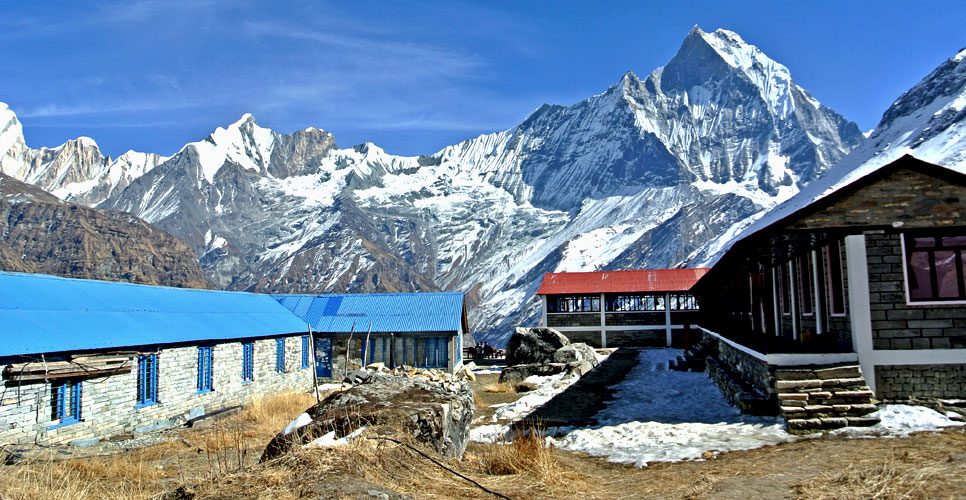
Annapurna Base Camp, located high in the Himalayas, is one of the world’s most popular trekking spots. Its fame comes from the stunning landscapes, adventure, culture, and nature. The base camp sits at 4,130 meters, bringing trekkers closer to the heart of the Annapurna range. People from all over the world are eager to explore and climb this beautiful mountain range.
Annapurna Base Camp is more than just a place, it is an experience of Mother Nature’s best offers. Why not discover why this trek is considered one of the best in the world? So, why is Annapurna Base Camp famous? It’s renowned for its stunning natural beauty, diverse wildlife, rich cultural encounters, and the sense of adventure it brings. Why not discover for yourself why this trek is considered one of the best in the world? It’s a journey that promises both challenge and reward, making it a favorite for trekkers globally.
The Annapurna Region Trekking is here, begging you to come and look at its unchanging beauty. Here are the top reasons to trek the Annapurna Base Camp trek:
Stunning Mountain Views
The name “Annapurna” isn’t only the name of a trek. It is a popular Himalayan giant within the Nepal Himalayas. At an elevation of 8,091 meters, Mount Annapurna I is the 10th-highest mountain on Earth. It belongs to the greater Annapurna Massif, a chain of mighty mountains consisting of Annapurna South, Gangapurna, Hiunchuli, and much more.
In 1950, Annapurna I became the first 8,000-meter peak ever climbed. This historic achievement by French climbers Maurice Herzog and Louis Lachenal made the mountain globally known, long before Everest stole the spotlight.
Overview of the Surrounding Peaks
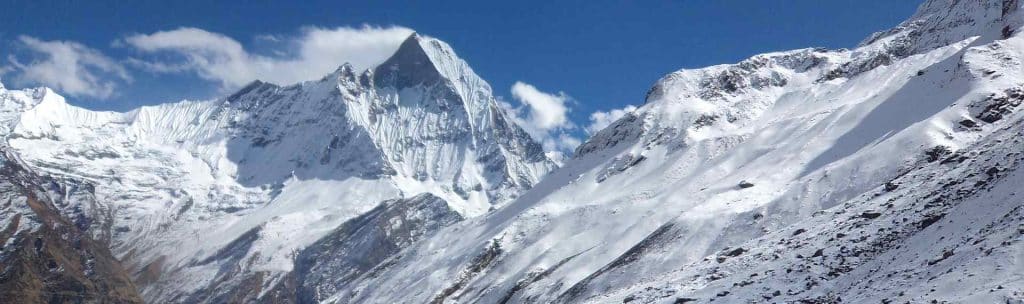
Annapurna Base Camp instantly leaves you in awe the moment you arrive. It sits in a natural bowl-like valley surrounded by towering mountains. Annapurna I, the tenth-highest mountain in the world at 8,091 meters, stands tall above. Nearby is Machapuchare, a unique mountain known for its fish-tail shape, and Hiunchuli, which together form an otherworldly, stunning skyline that looks straight out of a dream.
Why is Annapurna Base Camp famous? The altitude of the Annapurna Base Camp trek brings the proximity and magnificence of the above peaks so much closer that one feels as if the arms of these massive Himalayan mountains cradle one.
360° Panoramic View of Mount Annapurna
Annapurna Base Camp’s location also provides one of the finest views of some of the tallest and most beautiful mountains: Annapurna I, Machapuchare, and Hiunchuli, among other great peaks. The views from the base camp are worth every sweat a trekker makes bearing the ground, for they are indeed one of the most enjoyable aspects of the trip.
You will experience the best sunrises in the Annapurna Base Camp. You will see the golden light slowly touch the peaks, lighting up the snow, and the whole base camp glows. It’s one of those “stop and just breathe” moments. You’ll want your camera, but honestly, no photo does it justice.
Dramatic Sunrise and Sunset
Soaring high to Annapurna Base Camp, etching rays of the sun at sunrise and sunset become more appealing. The peaks shine gold and red colors, creating an incredible view. Such bright hues give the landscape a dramatic impression, making the moment almost otherworldly.
Diverse Landscapes
The approach to Annapurna Base Camp takes travelers through many different terrains, including green, lush trees and terraced agricultural land, rugged snowy mountains, and glaciers. The change of scenery is so beautiful that one can complete the journey without feeling monotonous.
Snowcapped Peaks Year-Round
The snowcapped dominions do not change as the season changes. Such unique and undisturbed white tops provide trekkers with a view of nature at its best, untouched by human activities. It’s a sight to cherish and appreciate always.
Ever-Changing Weather
The weather phenomena at the Annapurna base camp are also the most dramatic. The mountains are often shrouded in clouds, creating a mystical view of the mountain shrouded in clouds, followed by the clear blue sky and sharp mountain lines.
For deatailed info on weather condition, read blog “Best Time For Annapurna Base Camp Trek“.
Glacier Basin Views
Base camp offers trekkers a spectacular sight of the Annapurna glacier, thus saving them the trouble of climbing to the higher camps. The glacier’s closeness allows one to view the icy terrain in all its stunning glory.
Suppose you’re wondering how to prepare for the Annapurna Base Camp trek. In that case, it’s essential to be physically fit, pack the right gear, and understand the altitude challenges for a safe and memorable journey.
Annapurna Sanctuary Trek: A Natural Amphitheater of Ice and Rock
The Annapurna Base Camp is within the Sanctuary. It is a stunning glacial basin surrounded by towering peaks on all sides. You will be feeling of walking into a world of secrets which is protected by the mountains.
This place is sacred to the local people. In these past generations, the Annapurna Sanctuary was believed to be the place of deities and the climbers had not been welcomed to it centuries ago. Even today, Mount Machhapuchhre, the sacred “Fishtail Mountain,” remains unclimbed out of respect.
Being in this sanctuary feels different. It is quieter, more peaceful, and deeply spiritual. That’s something many trekkers remember forever.
Glorious Machhapuchhre Base Camp (MBC)
Before reaching Annapurna Base Camp, you’ll pass through Machhapuchhre Base Camp (3,700m), a scenic and peaceful spot right below the sharp peak of Fishtail Mountain.
Machhapuchhre, or “Fish Tail,” is sacred to locals and has never been climbed. The view from here is stunning especially in the early morning when the light hits the mountain’s double summit. MBC feels like a hidden gem, and the short hike from here to ABC is one of the most scenic stretches of the entire trek.
The following section will focus on the vibrant cultural experiences that make trekking to Annapurna Base Camp so valuable.
Cultural Encounters Along the Trek
The ABC Trek isn’t just about mountains, it is about people too. The trail passes through villages of the Gurung and Magar ethnic groups, known for their bravery (many serve in the British and Indian Gurkha regiments) and their warm hospitality.
Along the way, you’ll see traditional houses, prayer flags, small temples, and even hear stories of local myths and festivals. If you travel during certain months, you might catch local dances, harvest celebrations, or colorful parades. This cultural touch makes the journey feel personal and memorable.
Interactions with Local Communities
Warm Hospitality: The inhabitants of the Annapurna Region, mainly the Gurung and Magar people, are undoubtedly warm and pleasing. This is why, by just reaching a little remote mountain village, the locals around them make the trekkers feel comfortable. This warmth makes it more personal, therefore enhancing the experience even more.
Insight into Local Life: In all these places, trekkers can also partake in activities that allow them to feel and experience mountain life to some extent. Such interaction enables learning about the people’s customs, lifestyle, practices, and culture. It is an opportunity to meet them halfway and know what is rare.
Cultural Stories and Legends: The community has some exciting narratives to tell, including those concerning the fanciful pictures of the mountains and their history. These accounts are quite informative, as they not only entertain the trekkers but also enhance their understanding of the people’s culture and the reason why the place is viewed as sacred. Such stories are a bonus while going on a trek.
Unique Village Architecture: Strolling around traditional-looking villages with cobbled streets, stone houses, and hanging prayer flags is enjoyable. The typical structures, interspersed with old temples, tell of lifestyles that have not changed for ages. This deepens the trek experience in terms of history and culture, making it unique.
Discover more tips and insights in this detailed guide on the Annapurna Base Camp Trek for Beginners to make the most of your experience!
The Unique Teahouse Experience
The Annapurna Base Camp Trek is so popular because you don’t need to camp or carry heavy gear. Instead, you stay in tea houses, simple lodges along the trail run by local families.
They might be basic, but they’re clean, cozy, and full of warmth both literally and emotionally. After spending long hours trekking, you can sit in front of the stove, eat hot dal bhat (Nepal’s staple rice-and-lentil dish), sip a warm cup of Lapsi – ginger tea, and chat to other travelers or locals.
This is what tea house trekking in Nepal is all about: connection, comfort, and culture, all at once.
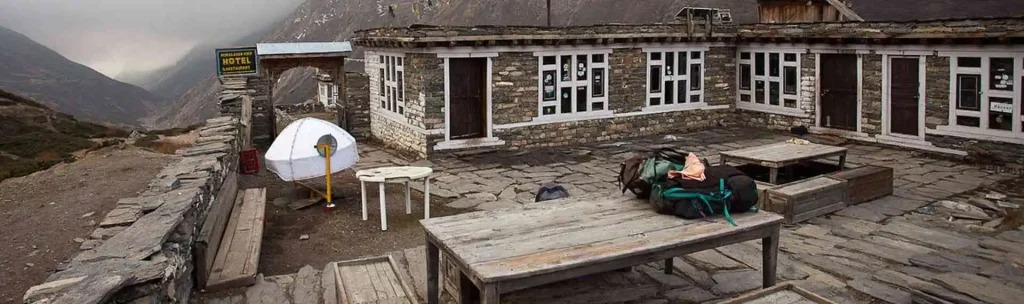
Comfort in Simplicity: The trail is dotted with economical places to spend the night and teahouses where the trekkers can relax after hiking. In this area, local cuisine is offered, and other trekkers interact with each other, making it a social space. This frugality makes the trekking activity much more fun and worth remembering.
Homemade Nepali Cuisine: Trekkers also experience local dishes, such as Dal Bhat, a thick lentil soup with rice and other Nepali treats. Eating in these teahouses helps the trekkers to mingle with people around and helps them appreciate the culinary customs of the region in which they are trekking.
Shared Experiences: Because of the communal aspect of teahouses, the residents who are trekkers eat and have stories to share with every other resident. Travelers share their skills, trek suggestions, and stories over steaming mugs of tea. Men develop friendships that often carry on long after the trek is over.
Scenic Mountain Lodging: You will enjoy the unique experience of staying in a teahouse with amazing views of the mountain ranges. Such accommodations also allow the trekkers to take in the wonders of nature while embracing the cultures of the people around them.
In the following section, we will focus more on the adventure aspect of this trek—the problems that the approaches include, the best seasons to go, and what to anticipate as a route.
However, the nagging question is: Is Annapurna Base Camp Difficult? Yes, the trek has some difficulties along the way. However, it is appropriate for both experienced hikers and novices. Again, with adequate precaution and regard for the mountains, it is an enjoyable trip without risks but worth the encounter.
Ghandruk and Ghorepani Poon Hill: Cultural Gems Along the Route
If you’re doing the longer version of the Annapurna Base Camp Trek, you’ll likely pass through Ghandruk and Ghorepani, two of the most beautiful villages in the region. This is also one of the reasons why Annapurna Base Camp is Famous.
Ghandruk is a traditional Gurung village, with stone houses, narrow paths, and friendly faces. It also has a small museum where you can learn about local customs and traditional dress.
Ghorepani, however is known owing to its vantage point for Poon Hill. An early morning walk to the top pays off with a spectacular view of the sun rising over the Annapurna and Dhaulagiri ranges. These villages are highlights, not merely stopping places.
Photography and Nature
Highlights for Photographers
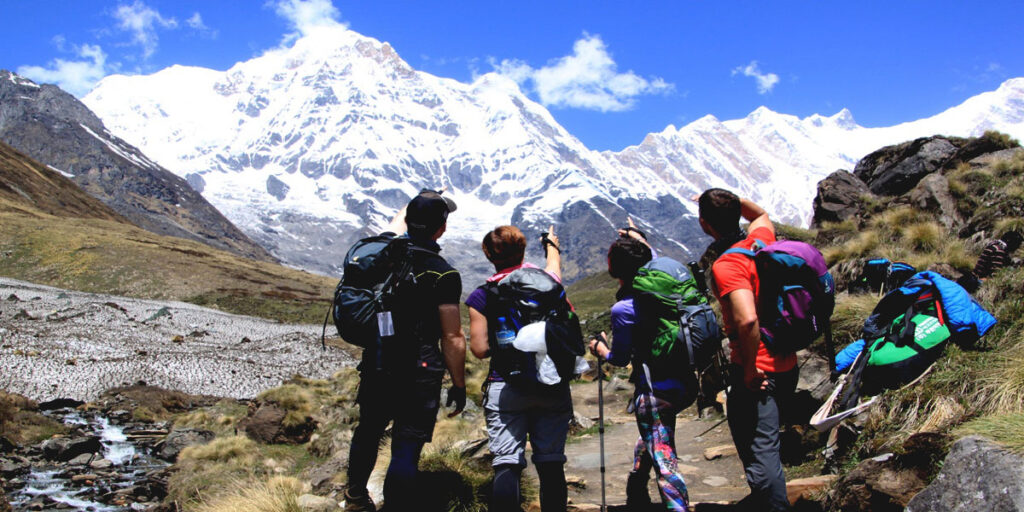
Wondering why is Annapurna Base Camp famous? Annapurna Base Camp is a beautiful place for photographers, and many breathtaking landscapes and wild animals must be captured on camera. Whether professional or beginner, one is spoiled with wonders.
Majestic Mountain Sceneries: The trek will include a lofty view of the Annapurna range. However, the Annapurna Base Camp is the best place for mountain photos. The mountains are one after another, with breathtaking views of the same snowy mountains inside the mountains.
Golden Hour Enchantment: In the tropics, hot light at high elevations very early in the morning and late during the day gives rise to the most astonishing golden hours. The fantastic scenery of warm sundowner skies illuminating the snow-capped mountains is perfect for every photographer.
Culture and Local Teahouses: Interesting works with prayer flags and old stylish houses may be included. The mountain tea houses also create mesmerizing images, reflecting the warmth of their people. These include all the relevant and exciting aspects of photography in the Himalayas, thus helping one get delightful photographs.
Fascinating Climate Conditions: Photographers need a suitable and proper lighting situation at the Annapurna Base Camp. The clouds and the sun create a lovely and dramatic scenery for taking beautiful pictures. This predictability makes it attractive to take photos.
To further assist in overcoming the challenges of the Annapurna Base Camp Trek, consider options like the Annapurna Base Camp Helicopter Tour offered by Boundless Adventure. This alternative provides a scenic way to experience the region’s stunning landscapes without the physical strain of the entire trek. It’s an excellent option for those facing difficulties due to altitude or fitness levels, allowing you to enjoy the breathtaking views of the Annapurna massif effortlessly.
Recommended Read: Adventure in Annapurna Base Camp Trek
Flora and Fauna of the Region
Anyone loving nature’s beauty will appreciate the Annapurna region’s lush vegetation and rich animal life. So, why is Annapurna Base Camp famous? The diversity of the environment provides a fantastic experience for trekkers and nature lovers.
Rhododendrons: The road has colorful flowers along the way, like the red and pink rhododendron flowers at the foot of the snowy mountains. These flowers create a visual beauty that complements the walk to the best of the degenerative trek altitude.
Wild Life in the Mountains: Birdwatchers will be satisfied, as they will see the beautiful monal, Nepal’s national bird, and other bird species. Such wildlife encounters add spice to the trekking and also give an appreciation for the beauty of the place within this region.
Varying Ecosystems: From green and tropical jungles to beautiful and vegetated mountain meadows, such a variety of landscapes is nature’s beauty. This variety ends boredom in every day of trekking, as each day is bound to offer something new on the horizon.
Recommended Read: Best Time for Annapurna Base Camp Trek
Why Annapurna Base Camp is a Must-Visit for Trekkers and Nature Lovers
Annapurna Base Camp is like no other—a thrilling high-altitude trek that also offers the serene beauty of the Himalayas. Trekkers looking for a quest will find the Annapurna Base Camp altitude challenging enough but not disheartening. This trek is indiscriminate whether you have a soft spot for magnificent peaks or the populace.
For those who appreciate nature, the region’s diverse plant and animal life and constantly shifting landscapes are a dream come true. The top reasons to trek Annapurna Base Camp include its breathtaking scenery, rich cultural experiences, and the sense of accomplishment when reaching the base camp.
The Annapurna Base Camp Trek is generally considered an easier trek than the Everest Base Camp Trek due to its higher altitude of 5,364 meters, which increases the risk of altitude sickness and involves more rugged terrain. As for the daring and those concerned with the question, “Is Annapurna Base Camp dangerous?” this trek can be well managed and is safe for most people with proper preparation. The correct planning provides both challenge and reward, making it easy to understand why is Annapurna Base Camp famous. It’s a journey that offers adventure, a deep connection with nature, and a chance to experience the incredible culture of the Himalayas.
Above all, it would be correct to say that Annapurna Base Camp is not simply a place but an unforgettable journey for every trekker and nature lover, full of moments, cultures of different kinds, and adventure.
More to Explore in the Annapurna Region
What if you want more than just ABC? Good news, the Annapurna region is full of options. You can add side treks like:
Ghorepani–Poon Hill (great for views)
- Trip Duration: 9 Days
- Maximum Altitude: 3210m
- Difficulty Grade: Easy
- Best Seasons: March-May, Sep-Dec
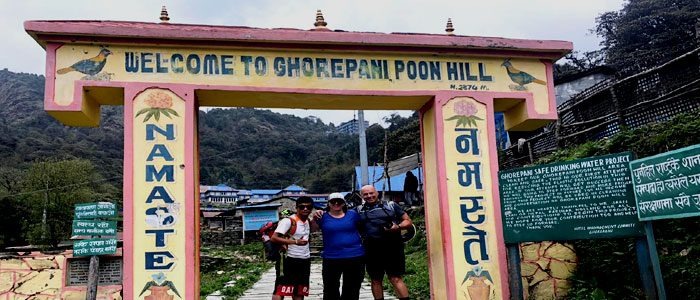
The Ghorepani–Poon Hill Trek is one of the most scenic treks in the Annapurna Region. It is also beginner-friendly. If you want to experience beautiful Himalayan views without a tough climb, then this trek is best for you. You’ll see golden morning light spilling over peaks like Annapurna, Dhaulagiri, and Machhapuchhre and that is worth in every step. The trail itself winds through lush rhododendron forests, charming villages like Ghandruk and Ghorepani, and is ideal for families or first-time trekkers. With its easy difficulty level and best trekking seasons being March to May and September to December, it’s a great add-on for anyone heading to Annapurna Base Camp who wants a shorter trek packed with natural beauty and cultural charm.
Mardi Himal Trek
- Trip Duration: 9 Days
- Maximum Altitude: 4500m
- Difficulty Grade: Easy
- Best Seasons: Mar-May & Sep-Dec
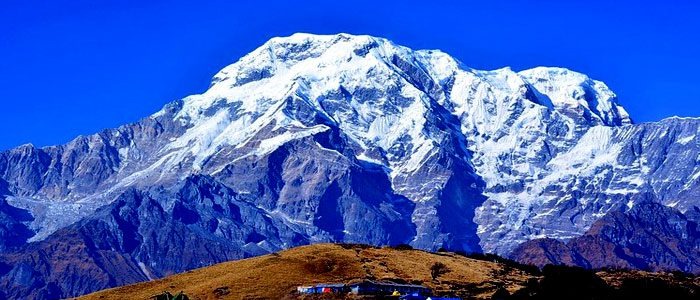
The Mardi Himal Trek is a peaceful and less-traveled route that offers a wilder side of the Annapurna region. It is best for those looking to escape the crowds. Spanning about 9 days, this trek takes you up to 4,500 meters with stunning close-up views of Machhapuchhre (Fishtail Mountain) and the Annapurna range. It is ideal for beginners or anyone looking for a relaxed yet scenic adventure. You’ll walk through quiet rhododendron forests, pass high ridgelines, and sleep in cozy teahouses along the way. Best done in spring (March to May) or autumn (September to December), Mardi Himal is a great add-on to the Annapurna Base Camp Trek if you want a quieter, more intimate connection with the mountains.
Also learn about What to Pack for Annapurna Base Camp Trek.
FAQs
Why is Annapurna Base Camp so popular among trekkers?
Annapurna Base Camp is famous because it offers everything you could want in a Himalayan trek with majestic mountains, cultural villages, comfortable tea houses, and a manageable trail that doesn’t require advanced climbing experience. You get a close-up view of Annapurna I, the world’s 10th-highest peak, along with Machhapuchhre (Fishtail) and other stunning mountains. The journey is both peaceful and powerful.
Why is Annapurna so famous?
Annapurna is well-known for its beautiful scenery and is one of the most challenging ranges to climb globally. The region comprises the first mountain climbing at an altitude of eight thousand meters, attracting adventurers, trekkers, and climbers alike. The stunning scenery and the striking cultural aspects of the area are two well-known features of that place.
Is Annapurna Base Camp Trek Safe?
The Annapurna Base Camp trek is typically safe for trekkers, especially with appropriate preparations. Adequate acclimatization, hydration, and fitness are essential in avoiding altitude sickness. Safeguards are improved, especially by trekking with other individuals or groups with experienced guides.
Where is Annapurna Base Camp located?
Annapurna Base Camp is located in Nepal’s mountainous region, primarily in the northern region where the Annapurna mountain range is situated. It is 4130 meters (13550 feet) above sea level. Most of the time, the trek towards the base camp starts from Nayapul near Pokhara.
What is the specialty of Annapurna Base Camp?
Annapurna Base Camp is famous for breathtaking views of high snow-capped peaks and rich cultural activities. It invites trekkers to numerous ecosystems and local people’s customs, scared to say the word. This fusion of exploration and scenic richness forms the allure of this place.
What is the hardest part of Annapurna?
The hardest part of the Annapurna Base Camp trek is the steep ascent and descent, especially the stone steps in places like Ulleri. The high altitude and unpredictable weather can also pose challenges, but with good preparation, it’s manageable.
What is the significance of Annapurna?
Annapurna holds cultural and spiritual importance in Nepal, and it’s also known for being the first 8,000-meter peak ever climbed. The region’s natural beauty and biodiversity make it one of the most significant trekking destinations in the world.
Why do people love Annapurna more than Everest?
People often love Annapurna for its diverse landscapes, ranging from lush forests to snow-capped peaks. Unlike the Everest region, Annapurna offers a more varied and culturally immersive experience with fewer crowds, making it a peaceful adventure.
Is Annapurna harder than Everest?
In terms of trekking, Annapurna Base Camp is generally considered easier than Everest Base Camp due to lower altitudes and shorter trekking days. However, Annapurna’s high-altitude mountaineering routes, like Annapurna I, are known to be more dangerous than Everest.
What is the best time to visit Annapurna Base Camp?
The best time to trek to Annapurna Base Camp is during spring (March-May) and autumn (September-November). These months offer clear skies, comfortable weather, and amazing views of the Annapurna mountain range. Spring brings blooming rhododendron forests, while autumn has dry, stable conditions perfect for trekking.
What is the difference between Annapurna Base Camp and Annapurna Circuit?
Great question! The Annapurna Base Camp Trek takes you directly into the heart of the Annapurna Sanctuary, ending at the base of Annapurna I. It usually takes 7–12 days. On the other hand, the Annapurna Circuit Trek is a much longer loop that goes around the entire Annapurna range, including a high pass called Thorong La (5,416m). It’s more challenging and takes around 15–20 days.
Do I need permits for the Annapurna Base Camp Trek?
Yes, you need two permits:
- ACAP Permit (Annapurna Conservation Area Project)
- TIMS Card (Trekkers’ Information Management System)
These help support conservation and local infrastructure in the Annapurna region. Your trekking agency, like Boundless Adventure, can arrange these for you easily.