


Trekking in Nepal is about the journey through beautiful landscapes, ancient trails, and high mountain villages. One of the most unique and enriching ways to experience all this is through a four-tea house trek in Nepal, which takes you over 4,000 meters. Unlike camping treks, tea house treks allow you to walk light, sleep in cozy local lodges, and eat warm, home-cooked meals, all while being surrounded by the towering Himalayas.
Here, we’ll dive into everything you need to know about tea house trekking, including what it is, where to go, what to expect, and the best time to go. We’ll also explore some of the best routes, tips for planning your trek, and what makes this experience so special, especially for those who want an authentic and comfortable way to explore Nepal’s remote mountain regions (Nepal Himalayas).
If you’re planning your adventure with Boundless Adventure or just doing your research, you’re in good hands. As a trusted local trekking company, Boundless Adventure has been guiding travelers through Nepal’s trails for years, offering personalized service, experienced guides, and seamless planning. Whether you’re aiming for Everest Base Camp, the Annapurna Circuit, or something off the beaten path, they can help you craft a tea house trek in Nepal that matches your pace, preferences, and passion for the mountains.
What is a Tea House Trek in Nepal?
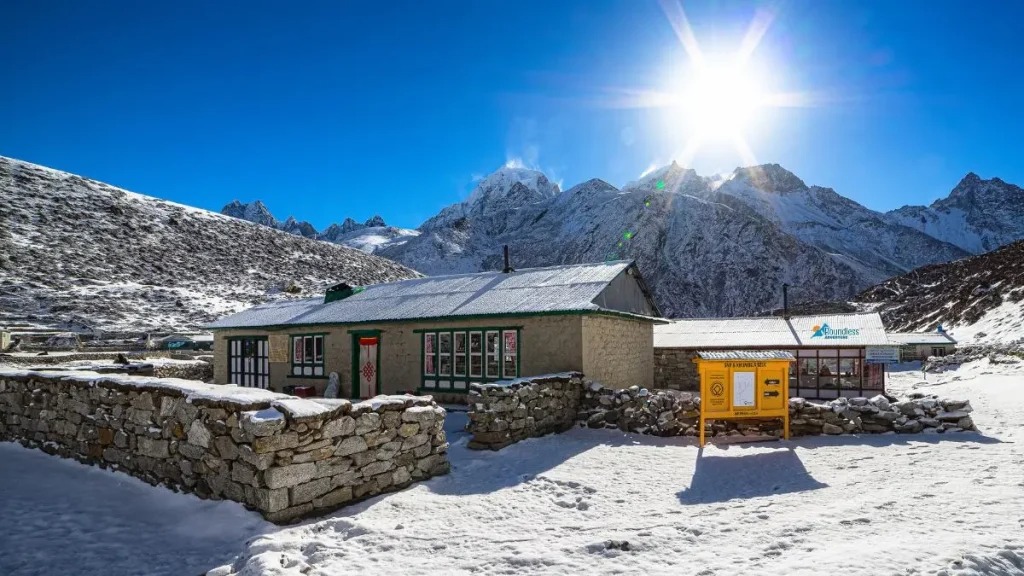
A tea house trek in Nepal is a type of trekking where you hike from village to village, staying overnight in small lodges commonly referred to as tea houses, which provide meals and basic accommodations. These are not luxury resorts, but rather a warm and welcoming blend of rustic simplicity and local hospitality.
In the tea trek house trek, you will experience a long hiking day, sipping hot ginger lemon tea by a fire, surrounded by snow-capped peaks, and chatting with fellow trekkers from around the world. That’s a typical evening on a tea house trek.
These treks eliminate the need for tents, camp food, or even sleeping bags in some cases. All you need is a backpack, a decent pair of hiking boots, and a spirit of adventure.
Best Tea House Treks in Nepal
Nepal is filled with tea house treks. Some regions are better developed than others, but the variety is staggering. Here are a few of the most popular and well-served routes for a tea house trek in Nepal:
Everest Base Camp
Trip Duration: 13 days
Maximum Altitude: 5,555 m Kalapatthar
Best Seasons: Mar-June, Sep-Dec
Difficulty Level: Moderate
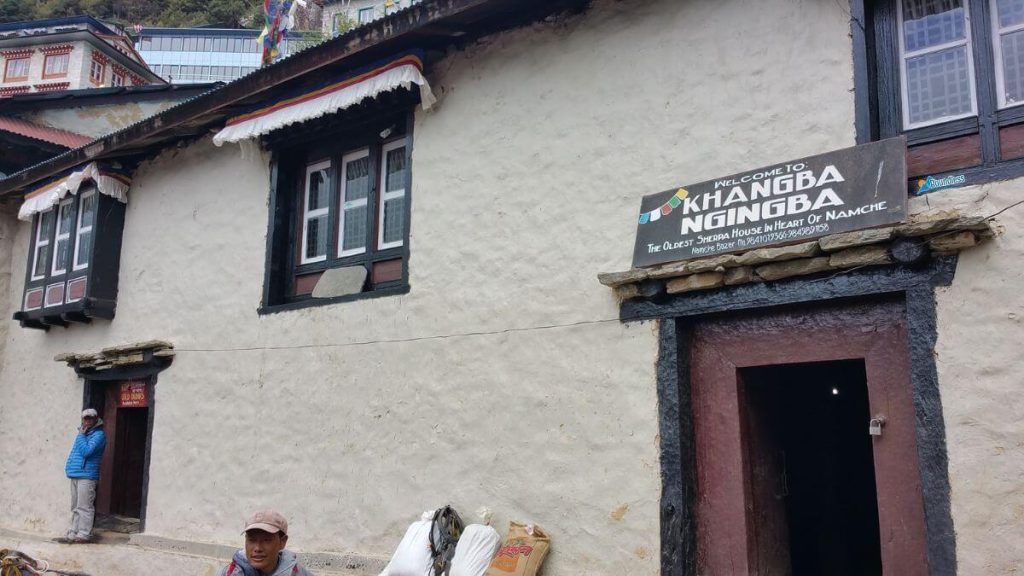
If you ask any trekker what’s on their bucket list, chances are Everest Base Camp tops the list. This route is legendary not just for the opportunity to stand in the shadow of the world’s tallest mountain, but for the whole experience. You’ll hike through buzzing mountain towns like Namche Bazaar, where sherpas bustle about, and pass by prayer flags fluttering against the sharp blue sky. Tea houses here are everywhere, welcoming tired hikers with hot meals and stories shared over cups of butter tea. You will experience the beautiful view of the mountain.
Also, learn about how to train for the Everest Base Camp trek.
Annapurna Circuit
Trip Duration: 12 days
Maximum Altitude: 5416m
Best Seasons: Mar-June, Sep-Dec
Difficulty Level: Adventurous
Want a trek that’s got it all? The Annapurna Circuit delivers. You start surrounded by green rice paddies and waterfalls, then climb into dry, almost otherworldly alpine landscapes. Villages along the way are dotted with tea houses that feel like a warm embrace after a day on the trail. Each spot has its character, some lively, some peaceful. The mix of cultures here is fascinating, with Gurung and Thakali people sharing their traditions and tasty home-cooked meals. Plus, the scenery keeps changing so much that you’re never bored.
If your are wondering about how to tek Annapurna circuit, read our blog Essential Things To Know Before Hiking Annapurna Circuit.
Langtang Valley
Trip Duration: 11 Days
Maximum Altitude: 4773m
Best Seasons: Mar- June, Sep-Dec
Difficulty Level: Easy
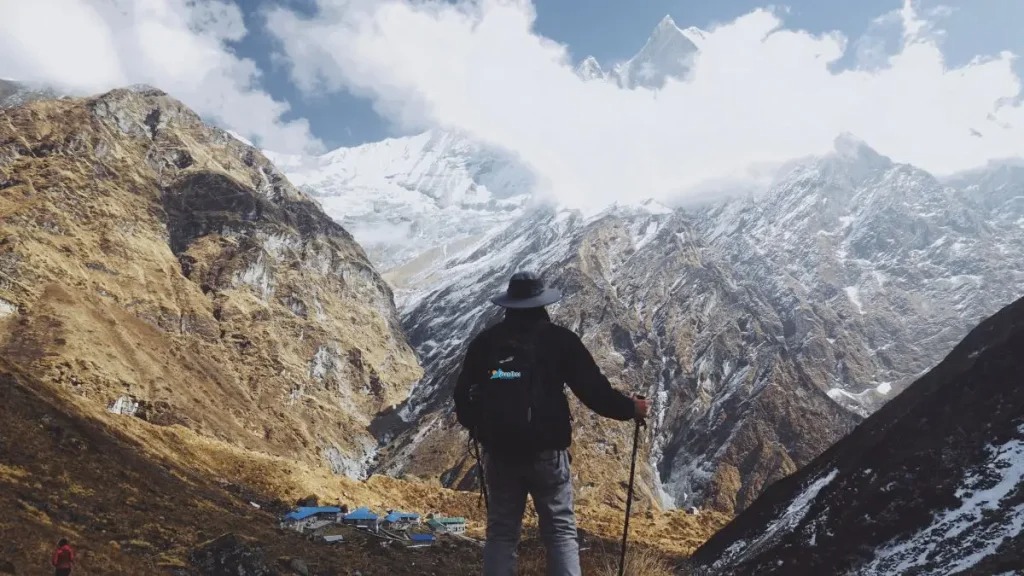
If you’re looking for something quieter and closer to Kathmandu, Langtang is a gem. It’s less touristy, which means you get to connect with the local Tamang communities. Families run the tea houses here. The hospitality feels more personal. In this trek, you will experience pine forests giving way to icy peaks and peaceful monasteries tucked away in the hills. If you’re looking to escape the crowds but still enjoy incredible tea house comforts, Langtang Valley is a perfect destination.
Learn on The Best Treks in Langtang: Unveiling Hidden Gem Trails in Nepal’s Stunning Region
Ghorepani Poon Hill
Trip Duration: 9 days
Maximum Altitude: 3210m
Best Seasons: Mar-May, Sep-Dec
Difficulty Level: Easy
Whether you are short on time or new to trekking? This trek’s for you. Ghorepani to Poon Hill is a popular quick trek that packs a punch. The sunrise from Poon Hill is honestly one of those moments you’ll remember forever — imagine the first light turning the Annapurna and Dhaulagiri ranges fiery red. The tea houses along the way are friendly and buzzing with fellow travelers swapping stories. It’s a great place to ease into trekking, get some incredible views, and soak up the local vibe without committing to a long expedition.
Read our Itinerary blog on Trek from Ghorepani to Tadapani.
What to Expect in a Tea House Trek in Nepal?
In a tea house, you can expect basic but comfortable accommodation with simple rooms, shared or private bathrooms, hearty home-cooked meals, warm hospitality from local families, and a cozy communal dining area where trekkers gather to rest, eat, and share stories.
Now let’s talk about the experience inside these cozy little stops that dot the trails:
Accommodations
Tea houses are the heart and soul of this trekking style — simple, welcoming places to rest and recharge.
- Rooms: Most tea houses offer small, basic rooms with one or two beds. You’ll usually get a warm blanket, but bringing your sleeping bag is a good idea, especially in colder months or higher elevations.
- Bathrooms: Bathrooms are often shared and may be squat-style toilets with cold water, so be prepared for a rustic experience. Hot showers might be available, but usually come with an extra charge and aren’t guaranteed every day.
- Atmosphere: The vibe is cozy and social. Evenings are often spent chatting with other trekkers or the friendly tea house owners around a wood stove or lantern light. It’s an opportunity to slow down and appreciate the simplicity of mountain life.
Foods and Drinks
Fueling your body is crucial, and tea houses provide delicious, homemade meals that keep you going.
- Local Staples: Daal bhaat (lentils and rice) is the most common dish, served with seasonal vegetables and occasionally accompanied by meat. It’s nutritious and filling, making it perfect for a long day of hiking.
- Variety: You’ll also find soups, noodles, momos (Tibetan-style dumplings), and sometimes pancakes or eggs for breakfast. Many places cater to vegetarians or those with special diets — ask!
- Beverages: Hot drinks are (spiced tea), butter tea, and coffee, which are popular choices. They help warm you up on chilly nights and provide a nice break during the day.
Cultural and Social Experience
The people and the culture make the tea house trek truly special.
- Local Hosts: Tea houses are usually family-run, with owners proud to share their stories and traditions. You might hear about local festivals, mountain legends, or even get invited for a cup of tea in their home.
- Traveler Connections: Trails are meeting points for people from all walks of life. Sharing stories and laughter with fellow trekkers fosters a sense of community that endures long after the trek concludes.
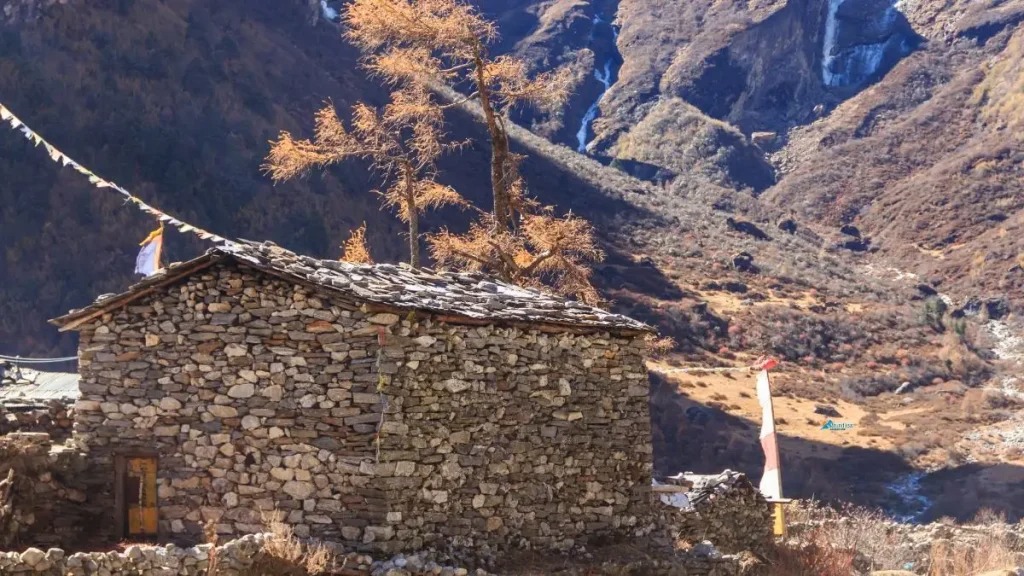
- Cultural Respect: Along the way, you’ll encounter prayer flags, mani stones, and monasteries. Learning about the spiritual side of the Himalayas adds depth to your trek.
Safety and Health
Tea house trekking reduces many risks compared to camping, but some care is still needed.
- Warmth and Shelter: Having a roof over your head and hot meals helps your body recover and stay strong.
- Altitude Awareness: Trekking in high altitudes means being aware of symptoms of altitude sickness, such as headaches, nausea, or dizziness. Taking rest days and drinking plenty of water are key.
- Medical Help: Many tea houses have basic first aid supplies, and guides are trained to recognize health issues. Carry a small medical kit with essentials like painkillers and blister treatment.
- Clean Water: Always use purified or boiled water to avoid stomach issues.
Environmental Considerations
Protecting Nepal’s fragile mountain environment is a shared responsibility.
- Eco-Friendly Tea Houses: Many lodges use solar panels for lighting and heating water, reducing their carbon footprint.
- Waste Management: Proper garbage disposal and recycling efforts are increasing, but plastic waste remains a concern. Always carry out your trash or use reusable containers.
- Leave No Trace: Stick to trails, avoid picking plants, and respect wildlife. Small actions like these keep the mountains pristine.
- Water Use: Water is precious at high altitude, so conserve it by limiting showers and using water sparingly.
How to Prepare for the Tea House Trek in Nepal?
Preparing for a tea house trek in Nepal is simple when you know what to expect. From building your fitness to packing smart and staying open-minded, here’s how to get yourself ready for an unforgettable mountain journey.
Start Walking Before You Arrive
You don’t need to be super fit, but some basic training can be beneficial. Go for regular walks or short hikes at home, preferably uphill if possible. Getting your body used to long days on your feet makes the trek feel more enjoyable and less tiring.
Wear Your Boots In — Not Out
One of the biggest mistakes trekkers make? Bringing brand-new boots. Make sure your hiking shoes are broken in before you hit the trail — it saves you from painful blisters and sore feet later.
Don’t Overpack — Take Only What You Need
Since you’re staying in tea houses, you don’t need tents or cooking gear. But you should bring:
- Warm clothes (layers are best)
- A sleeping bag (for cold nights at altitude)
- Headlamp, water purifier, sunscreen, and a reusable water bottle
- Personal items like toiletries, hand sanitizer, and basic medicine
Keep it light — under 12 kg is ideal, especially if you’re carrying it yourself.
Trekking Support for Your Tea House Trek in Nepal
For your tea house trek in Nepal, you can choose to trek independently or with support from a guide and porter. While going solo is possible on popular trails, having a local guide adds safety, cultural insight, and peace of mind — especially at high altitude. Hiring a porter can also make your trek more comfortable by carrying your heavy bag, letting you focus on the walk and the views.
Independent or Guided
You can do it independently — trails are well-marked, and tea houses are plentiful. But hiring a local guide or porter can enrich your experience. It will provide you peace of mind and contribute directly to the local economy.
Permits
You’ll need to get a TIMS card, an Annapurna Conservation Area Permit, and a Sagarmatha National Park Permit. Don’t worry—they’re easy to get and worth it because they help protect the beautiful places you’re about to explore.
Here’s what you need:
1. TIMS Card (Trekking Information Management System)
This is like your trekking ID card. It helps Nepal’s trekking authorities keep track of who’s on the trails and ensures your safety. If you’re trekking independently, you get an individual TIMS card. If you’re with a guide or a group, you’ll get a group TIMS card. You can pick up your TIMS card in Kathmandu or Pokhara, and the cost is approximately $20.
2. Annapurna Conservation Area Permit (ACAP)
If your tea house trek takes you through the Annapurna region — which includes popular trails like the Annapurna Circuit and Ghorepani Poon Hill — you’ll need this permit. It costs around $30 and can be bought in Kathmandu, Pokhara, or right at the entrance to the Annapurna Conservation Area.
3. Sagarmatha National Park Permit
Planning to trek in the Everest region, like on the Everest Base Camp trail? Then you’ll need this permit to enter Sagarmatha National Park, home to Mount Everest. It costs approximately $30 and can be purchased in Kathmandu or at Lukla before you begin your trek.
Most trekkers arrange these permits easily through their trekking agency, but you can also get them yourself in Kathmandu or Pokhara. Please bring your passport, a few passport-sized photos, and the necessary cash for the fees.
Best Time for Tea House Trekking in Nepal
When it comes to trekking in the Himalayas, timing does matter. You may have the right gear, a strong mindset, and a killer route planned, but if the weather’sn’t on your side, it can change everything. The good news? Nepal offers distinct trekking seasons, each with its unique vibe. You need to pick the one that suits your comfort and expectations.
Spring (March to May)
If you love walking through colorful forests and don’t mind a bit of warmth during the day, spring is a fantastic time to go. The rhododendron forests are in full bloom, and when you’re hiking through places like Ghorepani or Langtang, it feels like walking through a living postcard. The skies are usually clear in the mornings, and temperatures are comfortable, even at higher elevations. It’s also a great season if you’re hoping to avoid freezing nights.
Autumn (September to November)
This is the crowd favorite, and for good reason. The monsoon rains clear out the dust and haze, so you get those jaw-dropping, crystal-clear mountain views. It’s dry, it’s cool, and the days are perfect for long hikes. The only downside? You won’t be alone; it’s the busiest time of the year, especially on well-known trails like Everest Base Camp and the Annapurna Circuit. But if you don’t mind sharing the trail and want ideal conditions, autumn is hard to beat.
Monsoon (June to August)
Trekking during the monsoon isn’t for everyone. The trails can become muddy and slippery, and you’ll likely encounter leeches and clouds that block the views. But here’s the thing — if you’re up for an adventure and want peace, some regions (like Mustang or Dolpo) lie in a rain shadow and are still great to explore. Just don’t forget your rain jacket.
Winter (December to February)
Winter treks are all about the trade-off. Yes, it’s cold — cold, especially up high. But if you’re okay with layering up, the rewards are enormous: empty trails, peaceful tea houses, and some of the clearest skies you’ll ever see. Just be aware that some remote routes and high passes may be closed due to snow. For lower-altitude treks like Poon Hill or parts of Langtang, winter can be a quiet little gem of a season.
Are you wondering about visiting Nepal at the best time? Don’t worry, Boundless Adventure got you a blog on Best time to visit Nepal.
Why Choose a Tea House Trek with Boundless Adventure?
Boundless Adventure offers expert-guided, personalized, and locally rooted teahouse treks. It focuses on comfort, safety, and cultural immersion, all while supporting the local communities.
Here’s why trekkers trust Boundless Adventure for their tea house trek in Nepal:
- Local Expertise: As a Nepal-based company, they know the trails inside out — from hidden viewpoints to the best family-run tea houses.
- Experienced Guides & Porters: Their guides are licensed, English-speaking, and trained in first aid and high-altitude safety. Porters are fairly treated and essential to your journey.
- Customized Itineraries: Whether you’re looking for a short trek or a high-altitude challenge, they tailor routes to match your fitness, time, and interests.
- Stress-Free Logistics: Permits, accommodation, transportation — it’s all arranged. You focus on the walk and the view.
- Cultural Connection: Trek with guides who are not just professionals, but storytellers who help you connect with the local people, traditions, and landscapes.
- Ethical and Responsible Travel: Boundless Adventure works directly with local tea houses, ensuring fair wages and sustainable practices.
- Reliable Support: From airport pickup to the final farewell, their 24/7 support ensures you’re never left guessing or stranded.
Final Tips Before You Go
- Pack layers as mornings and nights get chilly.
- Bring a power bank or solar charger.
- Carry enough cash, as there are no ATMs once you’re on the trail.
- Purify your drinking water using tablets or a SteriPen.
- Learn a few Nepali words; even “Namaste” goes a long way.
Ready for Your Tea House Trek in Nepal?
If you’re looking for a way to hike through some of the world’s most spectacular scenery, meet incredible people, and do it all without breaking the bank, the tea house trek in Nepal is calling your name.
You don’t need to be a hardcore mountaineer to walk these trails. Just bring your curiosity, respect for the mountains, and maybe an extra pair of socks.
Ready for a tea house trek in Nepal?
Let Boundless Adventure handle the details while you focus on the views. Start planning your tea house trek today! Contact Us Now!
FAQ’s
What is a tea house trek in Nepal?
A tea house trek means you stay in small, family-run lodges along the trail instead of camping. It’s a great way to travel light and connect with the mountain culture.
Do I need a guide for a tea house trek in Nepal?
You don’t always need a guide, especially on popular routes with clear trails. However, having a guide can make your trek safer, more informative, and more enjoyable, as they are familiar with the area. Plus, it supports local employment and helps you connect with the culture.
What permits are required for a tea house trek in Nepal?
You’ll need a TIMS card, plus permits such as the Annapurna Conservation Area Permit or Sagarmatha National Park Permit, if you’re trekking in those regions. These permits help keep the trails safe and support local communities. Getting them is usually easy through your trekking agency or regional offices.
How much should I tip my guide and porter?
Tipping is customary and appreciated, but not mandatory. Typically, around 10% of the total trekking cost is a fair split between your guide and porter, depending on their effort. A little extra goes a long way in showing your gratitude for their hard work.
What kind of food can I expect at tea houses?
Most tea houses serve simple, hearty meals, including dal bhat (a combination of rice and lentils), noodles, soups, and momos (dumplings). You’ll find plenty of vegetarian options, and many places offer fresh eggs as well as occasional meat dishes. The food is homemade and comforting after a long day on the trail.