


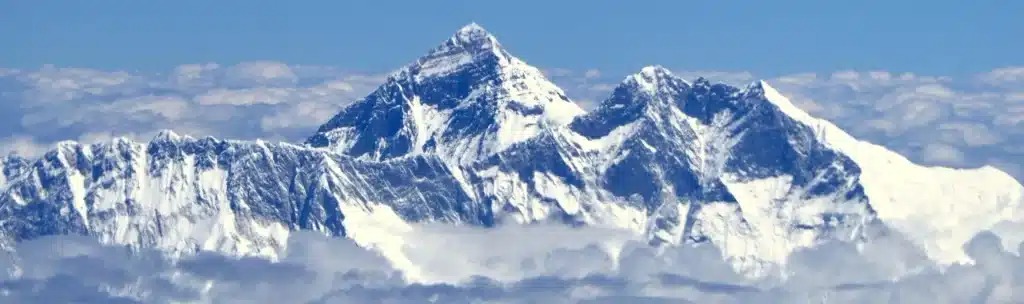
Are you wondering how cold Mount Everest is? Discover the Temperature in detail.
The coldest regions on the planet include Mount Everest, which experiences extreme weather conditions. The mountain rises to 29,032 feet and gets even colder at higher elevations. Even during warmer seasons, temperatures in the Mount Everest Region are well below 0 degrees Celsius. Moreover, at this elevation, the rarefied atmosphere increases the wind chill factor. Mount Everest's geographical situation also helps in this regard.
Mount Everest is located on the border between two weather systems, which cause rapid changes in wind direction and speed, storms, and temperature fluctuations. Due to its unpredictable weather, climbers can never be sure about the conditions they will face. So, how cold is Mount Everest? Temperatures at the summit can drop to as low as -60°C (-76°F) in winter, and even in the warmer months, they rarely rise above freezing.
The Basics of Mount Everest's Location and Elevation
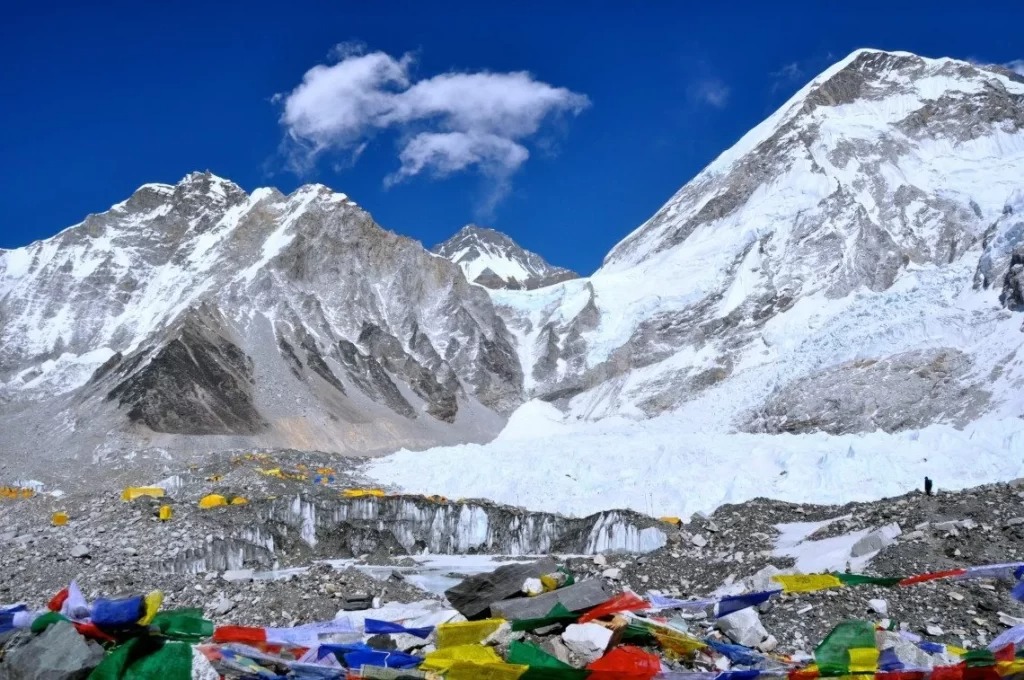
- Mount Everest is situated at the intersection of Nepal and Tibet and is part of the Himalayan range.
- The mountain reaches a height of 29,032 feet above sea level, contributing to its bitterly cold climate.
- As you increase altitude, the air becomes less dense, and temperatures drop more steeply.
- The temperature here may still be frigid, even at the base camp, 17,600 feet above sea level.
- Mount Everest's altitude brings it into contact with different weather systems, including warm, moist air masses carried by the monsoons and cold, dry air at high altitudes.
- Altitude, coupled with its geographical position, is why Mount Everest's temperature is among Earth's lowest and its climate among the most erratic.
Recommended Read: Where is Mount Everest Located?
Exploring the Weather Patterns on Everest
Mount Everest's weather is known to be highly changeable. Such changes can occur so rapidly that a bright, clear sky can become threatening. The Mount Everest summer temperature overlaps with the southwest monsoon season; however, even with this seasonal rainfall, the average summer temperature at elevations above sea level remains below freezing.
The monsoon's rain and snow usually fall in the mountain's lower reaches while the upper sections remain cool and dry. So, how cold is Mount Everest?
Temperatures may also plunge considerably, dropping to about -60 degrees F, inhospitably cold. Winds on the summit of Everest can reach 200 miles per hour, further compounding the chill factor and posing life-threatening risks. For those inclined to ask questions such as "How cold is Mount Everest in winter?" or "How cold is Mount Everest in March?" It is absolutely and positively cold. These months, especially for climbers, are the worst due to extremely low temperatures and unpredictable weather.
Factors Influencing Cold Weather on Everest
A thorough analysis of a few contributing factors to Mount Everest's extreme climate is fundamental in appreciating the cold weather conditions.
Here's a look at what causes the cold weather conditions in the famous mountain:
Altitude
How cold is Mount Everest? The mountain's high-altitude location, combined with its proximity to both the Indian monsoon and the Tibetan high-pressure system, results in extreme cold. The elevation gained from the mountain itself is one of the primary contributors to cold weather. As altitude increases, the warmth enveloping us decreases. On the Everest climb, there is an average temperature decline of about 6.5°C (11.7°F) after climbing each vertical 1000m (3280ft) height. Therefore, it remains cold even at the base camp, already above 5000 m (17598 ft). It is too cold at the extremes, and one could quickly freeze out.
This significant temperature decline means it remains frigid even at the elevation of the Everest Base Camp trek, which is over 5,000 m (17,598 ft). The freezing conditions at such high altitudes can make it dangerous, and one could quickly freeze without proper preparation and gear.
Latitude
As the globe turns, Mount Everest stands at a higher latitude and has a more relaxed environment than mountains nearer the equator. Its location in the Himalayas exposes it to colder air and weather conditions, making it even colder.
Seasonal Changes
Various weather conditions occur at different times of the year. Spring, which follows winter, is relatively warm, but temperatures can still drop below zero. Summer showers bring higher temperatures, but the rain tends to be cooler. With changes in the calendar year, warmer climates, or rather chilly ones, are experienced with the onset of winter. And winter—for many engaged in climbing—is almost impossible because of the very low temperatures.
Wind Patterns
Winds also contribute to how cold it feels. Stronger winds can even cause the temperature to feel lower than it is. On Everest, for example, winds can reach speeds over 160 km/h, posing serious dangers such as frostbite.
Geography
The topography of Mount Everest can alter the weather. Its steep slopes can also act like wind tunnels, thus forming small weather systems that can abruptly reduce temperatures and bring in storms.
Sunlight Exposure
The amount of sunlight that reaches the mountain varies from season to season. Days are longer in Spring and summer, but the high altitude also keeps temperatures low. Most of the time, extreme daytime temperatures are recorded, but at night, they drop, creating additional difficulties for climbers.
Climate Change
Is there any change in Climatic conditions on Everest and its surrounding areas? Indeed, though the mountain is bitterly cold, global warming and its consequences can sometimes make the weather unpredictable. Modifications to ice and snow can also create impossible climbing routes.
With better insight into the above factors, climbers can strategize and cope with the cold and challenging conditions on Mount Everest. Understanding rapid changes in wind direction, storms, and temperature fluctuations allows climbers to prepare accordingly. The extreme cold at the summit, which can plummet to -60°C (-76°F) in winter, requires specialized gear and planning to ensure safety and survival during the ascent.
How Altitude Affects Temperature on Everest
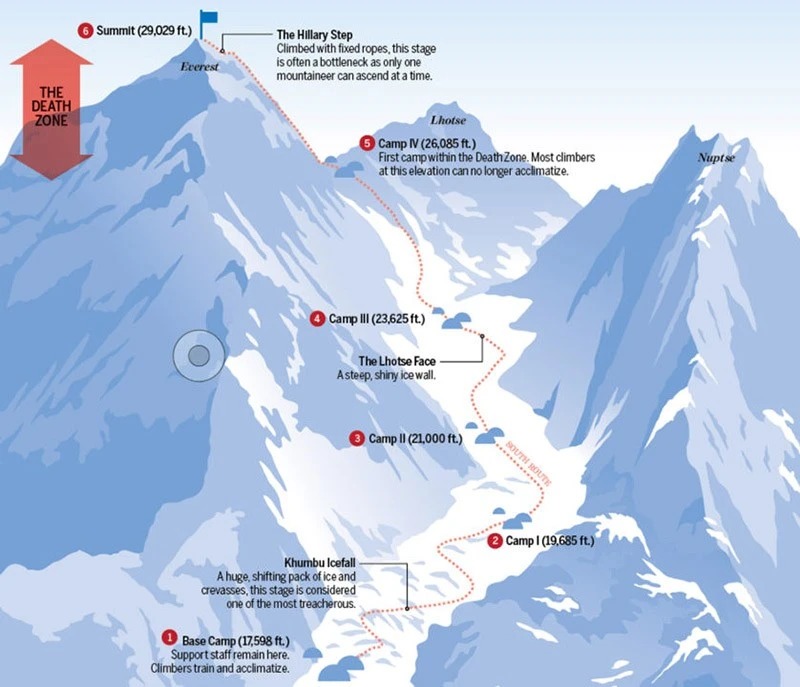
- The height of Mount Everest also significantly contributes to the extreme cold experienced on the mountain.
- This is referred to as the average lapse rate. As you ascend, the temperature falls sharply—by approximately 6.5 °C (11.7 °F) for every 1000 m climb.
- Yet camp can feel warm; the top of the mountain is much worse, with temperatures reaching 40°F or higher.
- High altitudes have thin air, so the body has difficulty retaining warmth, making the cold more penetrating.
- At the mountain's highest point, climbers contend with extremely harsh temperatures and low oxygen levels, which make survival impossible.
- The climate of Mount Everest is significant for climbers because altitude intensifies the conditions they endure.
Comparing Temperatures Throughout the Year
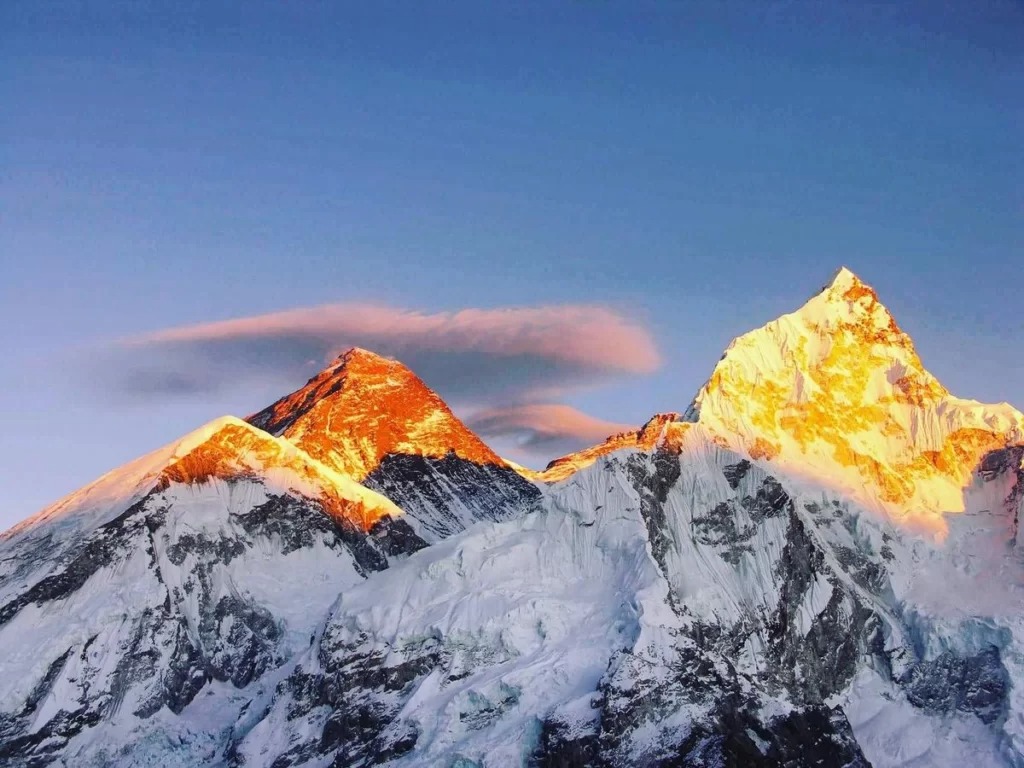
There are sharp temperature fluctuations on Mount Everest every month, each posing challenges for climbers. Studying the temperature, as well as the degree of cold in every season, will give a clearer perspective on this issue:
Spring (March to May):
Temperature: Come March, the temperature at the peak of Mount Everest could be anywhere between -20°F and thereabouts. By late April and the beginning of May, this temperature could be slightly less than -10°F.
Level of Coldness: Conditions improve as we progress into Spring, but climbers acclimating to such altitudes still experience cold temperatures. Icy winds and frost accompany early Spring, so climbers must be well-equipped for these conditions.
Sunlight Exposure: Days grow longer in Spring, offering more sunlight for climbers, though nights tend to be very cold.
Wind chill factor: Strong winds make the surrounding air feel colder than it actually is, often on top of already low ambient temperatures.
Summer (June to August):
Temperature: The summit temperatures during the summer months range from approximately -10 to -20 °F. Although this may sound mild compared to winter, it is still quite dangerous for anyone who intends to climb.
Level of Coldness: Mount Everest's summer temperatures are milder than in other seasons, but strong winds and the possibility of storms still have chilling effects. The monsoons are also characterized by high humidity levels, which makes the cold even worse, hence the need for good equipment to help keep the body warm.
Drizzle: This season also sees more evenly distributed rain, mainly due to the monsoon, which can cause unpleasantly wet, slippery surfaces on the lower levels.
Temperature Fluctuations: Climbers can expect altitude-related increases in elevation and daytime temperatures; however, a dramatic drop in temperature at night may occur, hence the extremes that climbers ought to be ready for.
Autumn (September to November):
Temperature: Climatic conditions for a climber's activity remain suitable in September, with mountaintop temperatures in November dipping to as low as -20 °F.
Level of Coldness: Climate change is often associated with the onset of winter. High-altitude climbers may still face strong winds and cold weather, which can make the internal environment very cold. This cold environment demands thorough, flexible preparation to cope with its challenges.
Daylight Hours: Autumn days tend to shorten, leaving little climbing time under safe conditions, which can stress climbers and prompt them to finish their ascents faster.
Frost Formation: The inevitable drop in temperature also increases the amount of frost that coats the equipment and gear. Hence, climbers must ensure their equipment does not succumb to frost.
Recommended Read: Everest Base Camp Trek in November
Winter (December to February):
Temperature: Everest's winters are bitterly cold; temperatures at the peak often drop to -60°F or lower.
Level of Coldness: Climbing Everest becomes very difficult during these months. The weather conditions are aggressive and dangerous to anyone who hopes to climb there. Very strong winds pose a risk to life, causing even the most skilled climbers to refrain from attempting climbs in winter.
Ice and snow accumulation: excessive precipitation, such as snow, can form thick ice sheets along climbing routes, making climbs more dangerous.
Extreme Wind Chill: The wind chill factor can also contribute to even more drastic temperature drops, making it extremely difficult to exist without the right equipment.
Recommended Read: Everest Base Camp Trek in December
Mount Everest Summit Temperatures: How Cold Does It Really Get?
At the summit of Mount Everest—standing at 8,848.86 meters above sea level, temperatures can plunge to an average of -36°C (-33°F) during winter. In summer, it slightly "warms up" to around -19°C (-2°F). But don't let those numbers fool you—the wind chill often makes it feel much colder.
In fact, during certain winter storms, the summit of Mount Everest can experience temperatures close to -60°C (-76°F). The highest recorded wind speed here reached a jaw-dropping 175 miles per hour. That's enough to blow climbers off their feet and freeze exposed skin in seconds.
What Climbers Really Feel?
Climbers report that even inside their insulated tents, water bottles freeze overnight. Frostbite can set in within minutes if gloves come off. It's not just the temperature, but also the altitude, wind, and exposure that combine to make Everest's cold deadly.
Is Mount Everest Getting Warmer?
Climate change is affecting Mount Everest. Glaciers on Everest are melting faster than ever. Base Camp is slowly shifting due to retreating ice. Summit temperatures have not changed drastically yet. The lower parts of Everest are experiencing warmer winters and earlier snow melts.
Everest Temperatures by Altitude: How Cold Is It at Each Camp?
The temperature on Everest drops as the elevation increases. Here's what you can expect:
| Camp | Elevation (m) | Average Temp (°C) |
|---|---|---|
| Base Camp | 5,364m | -12 to -20°C |
| Camp I | 6,100m | -18 to -25°C |
| Camp II | 6,400m | -20 to – 30°C |
| Camp III | 7,200m | -25 to -35°C |
| Camp IV (South Col) | 7,900m | -30 to -40°C |
| Summit | 8,848m | -36 to -60°C |
As you climb higher, the air gets thinner, the wind gets stronger, and the temperatures drop faster than your body can handle without the right gear.
Wind Chill and Jet Stream: Why Everest Feels Colder?
Even if the thermometer says -30°C, the wind can make it feel like -50°C. The wind chill on Everest is brutal, especially above Camp III. At higher altitudes, the jet stream sometimes dips low enough to slam the summit with hurricane-force winds. That's why most climbers wait for a short "weather window" in May or October, when the winds briefly calm down.
How does Everest compare to Other Cold Mountains?
Compared to Denali in Alaska or Mount K2 in Pakistan. Everest is colder at higher elevations due to its exposure to strong upper-atmosphere winds and extreme elevation. For example:
- Everest Summit: -36°C average
- K2 Summit: -30°C average
- Denali Summit: -28°C average
Preparing for the Extreme Cold on Everest
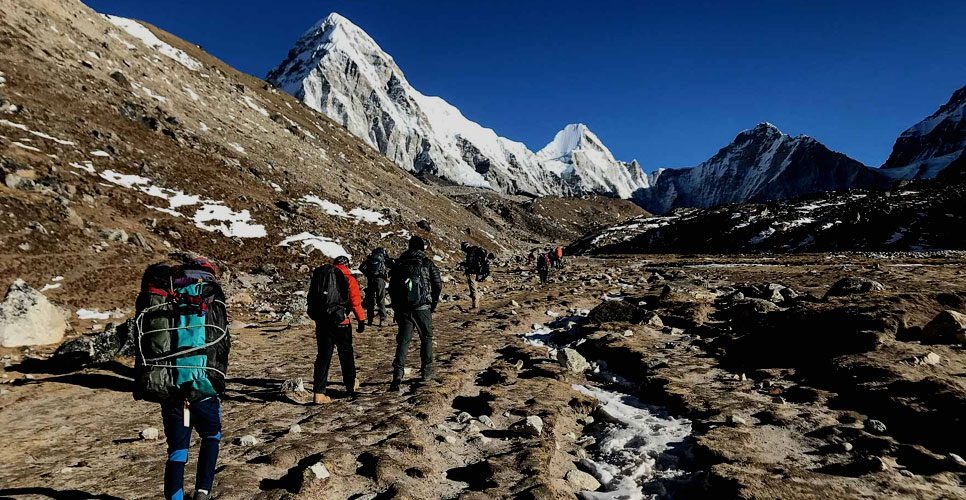
Conquering the peak of Mount Everest is no mean feat; in this case, the cold especially calls for adequate preparation. Proper preparation is vital, whether aiming for the summit or embarking on the Everest Base Camp trek.
Here's how trekkers and climbers can gear up for the challenging conditions they will encounter:
Clothing and Gear
It's essential to wear a series of layers of clothing that provide warmth and wick away moisture. A good base layer helps keep the body warm and dry, while warm fleeces, down, or synthetic jackets aim to insulate the core. An outer layer, typically a waterproof, windproof shell, protects the climber from strong winds and rain. It is essential to carry additional items that protect against frostbite, such as gloves, hats, and face masks.
Quality Sleeping Equipment:
Climbers need good-quality sleeping bags that can withstand very low temperatures. They should also buy insulated sleeping pads to avoid losing heat to the cold surface they lie on. Such items can greatly enhance comfort and warmth during breaks.
Hydration and Nutrition:
Hydration is essential even when the temperatures are low and snow is present. Fluids help the body maintain temperature and support energy production. Nutrition-dense foods like energy bars and high-calorie meals help maintain energy levels during extended vertical ascents. Well-cooked food and hot drinks also help increase internal body levels.
Acclimatization:
Climbers must allow their bodies time to acclimate to the elevation and low temperatures. That is why it is necessary to climb slowly and avoid such altitudes. This minimizes the risk of altitude sickness and allows the body to adapt to the high oxygen saturation rate. This includes setting up the so-called lower base camp for a while, climbing to a certain altitude, then returning to ground level.
Understanding Weather Patterns:
It is essential to monitor the weather and its changes, as the cold at Mount Everest plays a significant role in determining the safety and success of a climb. Weather is a major climatological factor for most climbers, so they should be cautious with all-weather patterns, especially during the turnaround seasons, as changes are commonplace.
Mental Preparation:
There is also the mental aspect that one may find hard to imagine about climbing in the bitter cold. Climbers should brace themselves for the inevitable challenges, such as solitude, fatigue, and the stress of extreme weather looming overhead. One way climbers can deal with stress is by learning and practicing mental toughness.
Preparing for the trek is not just about gear; understanding how to train for the Everest Base Camp trek is equally essential. Training should include building endurance and strength, and familiarizing yourself with unpredictable weather conditions, which will be crucial for a successful and safe trek.
Emergency Planning:
Another essential component is developing a comprehensive emergency response. This means locating and using emergency equipment, having first-aid supplies on hand, ensuring communication devices are available, and knowing where to evacuate and where the nearest shelter is, which can save lives in many extreme scenarios.
Apart from the required climbing techniques, climbers should get accustomed to the extreme climatic conditions, especially the cold, which poses another hurdle. To ensure a climber can safely reach the summit, he must adapt to the mountain's specific features and shifting weather patterns.
When assessing the difficulty of the Everest Base Camp trek, it's essential to consider both the physical demands and the harsh, unpredictable weather. To safely conquer the trek or summit, climbers must adapt to the mountain's specific features and shifting weather patterns.
To Sum Up
Boundless Adventure believes climbing Mount Everest is not just about the desire to ascend; conquering extreme weather, including the cold, is equally important. Our team prepares every climber on the methodologies and equipment required to overcome the mountain's particularities. That is why we prepare you for this fantastic adventure by taking into account factors such as altitude, climate, and time of year. Prepare for Everest's excitement, and let's do it most memorably!
FAQs
What is the coldest temperature on Mount Everest?
The coldest temperature recorded on Mount Everest is approximately -60°C (-76°F). Such extreme temperatures are usually the climax of winter. Nevertheless, it can be even colder due to wind chill and high altitude.
Why can't you climb Everest in the summer?
Ascent of Everest in the summer season is almost impossible due to monsoon weather. This season brings heavy rain and high humidity, which causes many avalanches. The weather becomes unpredictable, and the conditions are not conducive to the climb. Most climbers prefer the Spring months because the weather is more favorable.
Does it rain on Everest?
To be precise, it rains on Everest, especially during the dry season. However, at higher altitudes, more precipitation falls as snow because temperatures are lower. This snow can make it easier said than done for the climbers. However, rain is more frequent in the base camp than on the summit.
How cold does Everest get at night?
Nighttime on Everest and its associated mountains sees a tremendous drop in temperature, with averages spanning from -20°C down to -30°C (from -4°F to -22°F). This extreme drop in temperature also disrupts climbers' rest and recovery. Such low temperatures can cause frostbite. During this time, hunting is still essential for health and protection.
How do climbers stay warm on Everest?
On Everest, climbers stay warm by wearing several layers of high-quality insulating clothing. They wear down coats, thermal underwear, windbreaker jackets, and many other items. Insulated gloves, hats, and face masks are also crucial in averting the effects of the cold. Keeping active when climbing is helpful because it encourages heat production.
How cold is Mount Everest at night?
At night, temperatures at the summit of Mount Everest often drop below -50°C, especially during the winter months. The lack of sunlight, high altitude, and brutal winds combine to make it feel even colder, sometimes around -70°C. It's the kind of cold that can freeze exposed skin in just minutes.
Can humans survive the cold without special gear?
No, humans cannot survive the cold without special gear. Without high-altitude clothing, thermal layers, and supplemental oxygen, your body would quickly shut down in Everest's extreme cold. Most climbers rely on down suits and advanced gear to stay alive above 8,000 meters.
What's the coldest temperature recorded on Everest?
The coldest temperatures ever recorded near Everest's summit reached close to -60°C during violent winter storms. These are rare, but when they hit, they can halt all climbing for days. The combination of freezing temperatures and high winds makes survival extremely difficult.
Why is Everest so cold?
Everest is so cold because it rises into the jet stream, where icy winds constantly sweep across the summit. At nearly 9,000 meters, the air is too thin to hold heat, and there's very little moisture to trap warmth. That's why the mountain stays frozen even when the sun's out.
What time of year is Everest the coldest?
Winter—specifically December through February—is the harshest time on Mount Everest. During this season, sub-zero temperatures and howling winds make conditions incredibly dangerous. It's no surprise that very few climbers even attempt Everest during this time.