


Do you have visions of yourself traveling over the Himalayas on an adventure? Those trekkers who want to discover an unexplored area, take in the splendor of Mount Manaslu. However, getting to Manaslu Base Camp is not something that should be done lightly. For an average trekker, the first task is: How to reach Manaslu Base Camp with the least fuss while making adequate preparations for the undertaking?
Even understanding the trekking routes to be chosen along with obstacles, can be overwhelming on the Manaslu trek. With several options in terms of the routes, how would one choose between them according to different levels of difficulty in the Manaslu Base Camp? What should one expect, and how can one overcome such obstacles? Going through all the details on the net will leave one with serious doubts, starting from choosing the best Manaslu trekking guide to ensuring one’s safety through the proper advice on treks.
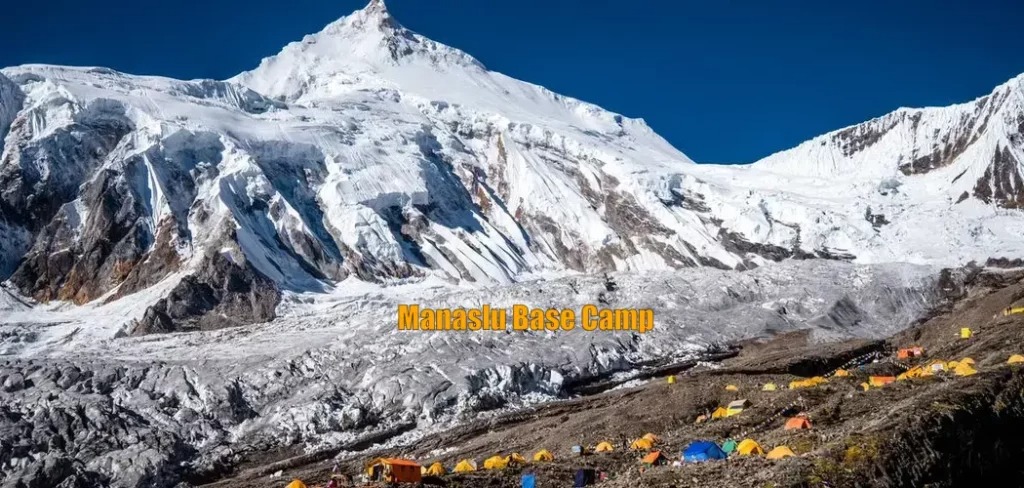
Don’t worry; we have got your back! In this guide, we tackle all issues surrounding the Manaslu Base Camp trek and offer all sorts of professional advice on the subject so that you learn about the trek, its difficulty level, physical requirements, the best season to begin, and everything else in between to help you maximize your experience on this incredible adventure!
History of Manaslu Base Camp
The Manaslu Base Camp trek is not merely a trail through mountains; it is culturally and historically rich. Rising high at 8,163 meters above sea level, Manaslu is a sacred peak for the Tsum Valley people as well as for the Gurung people. The climb of Mount Manaslu in 1956 was a landmark in the annals of mountaineering, and before long, the Manaslu Base Camp trek was a standard trek.
The trek gives you a unique opportunity to encounter the culture and lifestyle of these remote hill tribes. Though previously Nepal’s most difficult and remote trek, today it is one of the favorite trails for veteran trekkers looking to find Nepal’s off-the-beaten-path trails.
Understanding the history of Manaslu Base Camp gives significance to your trek. From the religious connection that the villagers share with the mountain to how the trail came into existence, it makes your trekking experience richer.
Understanding the Manaslu Base Camp Route: How to Reach Manaslu Base Camp
Beginning Point: Kathmandu to Soti Khola
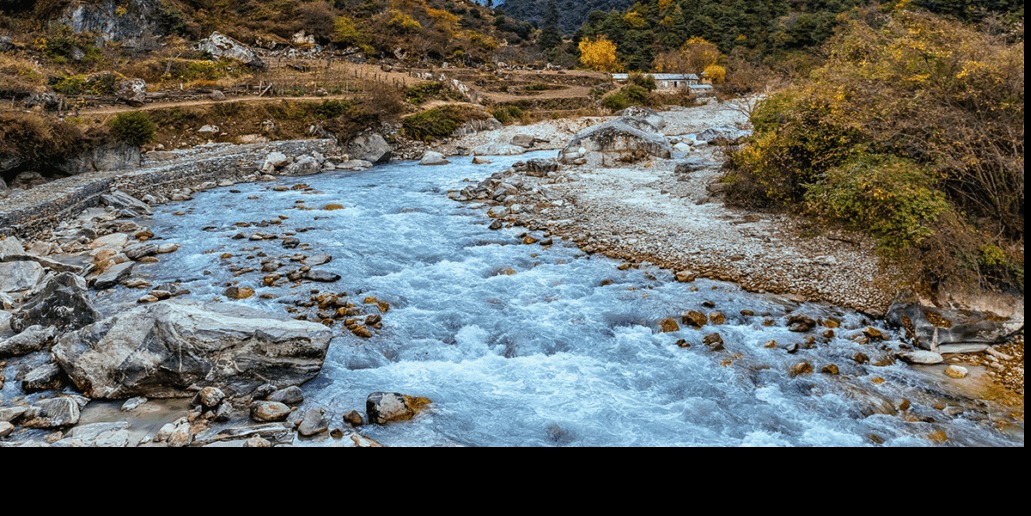
You can begin your drive journey from Kathmandu to Soti Khola with the road, hills with green slopes, and typical villages. Before your journey trek begins, you will get to see Nepal’s countryside.
Must-Visit Places that Take Your Breath Away
On the journey, you will get to see these exciting places which has unique features:
- Jagat: A peaceful village with traditional stone houses.
- Namrung: Famous for its old monasteries and Tibetan culture.
- Samagaon: Samagaon is the gateway to Manaslu Base Camp and a critical acclimatization point. Trekkers usually spend an additional day here to visit and acclimatize.
Experience the Local Culture
A testament to the area’s rich cultural heritage is always visible in centuries-old monasteries, Buddhist-inspired structures, and prayer flags fluttering in the wind. You will have a better appreciation of the meaning behind these and the local traditions with an expert guide.
Scenic Remembrances
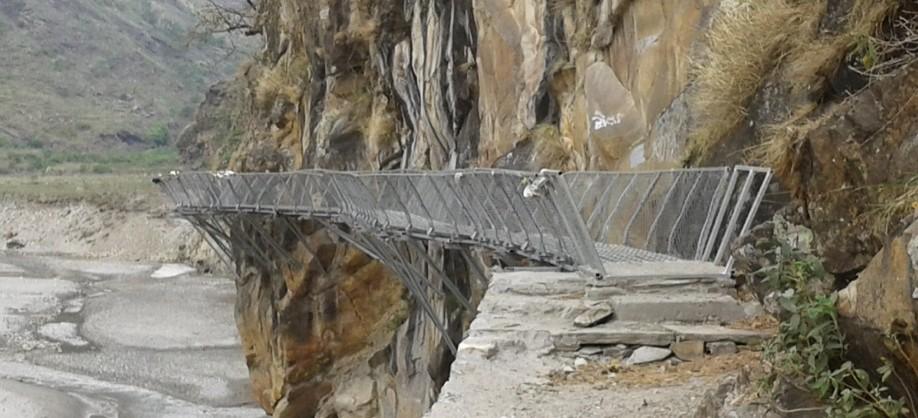
From rickety suspension bridges that clatter across glacial streams to breathtaking vistas of Mount Manaslu, every step is something to be photographed. The forested paths slowly give way to high plateaus, offering panoramic views that will stay with you long after the trek.
Pro Tip for Successful Trekking
Managing your journal and taking a break is the main key. You have to take time to let your body adjust to the altitude, which will help you avoid altitude sickness and make your trek more enjoyable.
Learn more tips to prevent altitude sickness from our blog, Altitude Sickness Prevention.
Route Options to Reach Manaslu Base Camp
There are many approaches to reaching Manaslu Base Camp, but the best one will depend on your fitness level, available time, and personal preferences.
Standard Manaslu Circuit Route
The Manaslu circuit, which is very well-known and arguably the most popular example of this itinerary, is also quite ceremonial and well-used in terms of acclimatization. It is strenuous but very attainable for most trekkers with the right preparation. And in the silent and remote heights, you will be blessed with magnificent views of Mount Manaslu and the peaks surrounding it.
Direct Route via Samagaon
For trekkers who are fit enough or those with limited time, the straight route via Samagaon is an option. It is the steeper and more strenuous short route, making it a much tougher challenge, but perfect for someone wanting to travel fast.
Other Treks for Expert Trekking
There are many other trekking alternatives for seasoned trekkers; the Tsum Valley side trip is one such trek that adds an extra challenging adventure. Other treks are more demanding, and you should only attempt other treks when you have proper experience and preparation.
While these trekking routes lead to Manaslu Base Camp, you can also option for the Manaslu Helicopter Tour to enjoy the breathtaking views without having to trek for long.
Difficulty Level of the Manaslu Base Camp Trek
Physical Difficulty
This trek demands a lot of physical fitness. Its difficulty level is from moderately difficult to very challenging. You should mentally prepare yourself for long hiking days, high heights, and uneven trails. This trek will test your endurance level.
For more information about the difficulty level, read our blog How Difficult is Manaslu Circuit Trek?
Challenges at Altitude
The higher you go, the more oxygen there will be, which will only make it more difficult for you to continue your journey. Altitude sickness is a common risk, with symptoms such as headaches, dizziness, and fatigue. Inform your guide if you face any symptoms during your journey.
The Importance of Acclimatization
It’s best for you to take rest days and continue your journey according to that, which will help prevent altitude sickness. Let a guide help with your plan, as they are experts in managing altitude and will ensure your safety.
Conditions of the Trail
The trail condition cannot be predicted. Since the trail can be on a snow-covered path, rocky terrain, or lush forests during rain and winter, make yourself prepared for any conditions.
Recommended Read: How to Prepare for Manaslu Circuit Trek
Best Time to Visit Manaslu Base Camp
Autumn (September-November)
Autumn is the ideal time to trek. This season offers clear skies and mild temperatures, making it the ideal trekking season. The weather is stable, with fewer disruptions, making it Nepal’s most popular trekking time.
Spring (March- May)
Spring is also another perfect season to trek. This session provides you with breathtaking views of rhododendrons in full bloom during your trail, accompanied by stable weather and a less crowded place than autumn, making it the perfect time for pictures too.
Winter (December- February)
In Manaslu, winters are very harsh. With its freezing weather, especially in higher altitudes, and with dangerous trail conditions, it makes for a challenging time to trek. But for those who prefer challenges and less crowded places, this season is one for you.
Monsoon (June-August)
Travel during the monsoon period is risky due to the possibility of heavy rain frequently making the path slippery and a high chance of landslides. For this reason, it is best not to trek during these seasons.
Permits and Regulations for the Manaslu Trek
- Manaslu Restricted Area Permit (RAP): Due to restricted access in the region, a Manaslu Restricted Area Permit (RAP) is mandatory for all trekkers.
- Manaslu Conservation Area Permit (MCAP): This Manaslu Conservation Area Permit (MCAP) helps protect the local environment and is required by the government.
- Annapurna Conservation Area Permit (ACAP): Trekkers need an Annapurna Conservation Area Permit (ACAP) to complete the circuit.
- Permit Fees: Permit fees change occasionally, so talk with your Manaslu trekking guide for the current fees and permit details.
Packing Essentials for the Manaslu Base Camp Trek
Clothing
- Don’t forget Trekking Boots. Choose sturdy boots, which are waterproof and essential for rugged terrain.
- Bing Waterproof Jacket. It’s essential for staying dry in the rain or snow for your health.
- Layers: Layering is the key. Since temperatures can fluctuate while trekking, pack layers to adjust to changing conditions.
Trekking Equipment
- Trekking Poles: They are great for balance on rocky or steep terrain. They will give you support to balance properly.
- Sleeping Bag: Choose a high-quality sleeping bag suited for cold conditions. In case you feel too cold in the teahouse, it will be beneficial.
- First Aid Kit: Bring a basic first aid kit, including the altitude sickness medication your doctor recommends.
Snacks and Food
- High-Energy Snacks: Pack energy bars, granola, and nuts for quick energy boosts.
- Meals: Although teahouses serve meals, it’s wise to carry extra snacks for energy.
Extra Items
- Seasonal Gear: Ask your trekking guide for advice on equipment based on the season.
- Medications: Carry necessary medications, especially for altitude sickness or cold-related conditions.
Accommodation and Food on the Trail
Accommodation
Teahouses and lodges are available, as well as luxury ones. Staying in basic, cozy tea houses along the trail will help you save cost, but as you go to higher altitudes, you may have only more basic accommodations and fewer choices to choose from.
Food
- Traditional Nepali Meals: You should try Nepal’s traditional dishes like dal curry, momo (dumplings), and dal bhat (lentil soup with rice). Dal Bhat is both budget-friendly and filling.
- International Dishes: Many tea houses offer international meals like pasta and pancakes.
Conclusion
How to reach the Base Camp of Manaslu is critical information for a good journey. Preparation that involves mental and physical fitness, as well as planning for logistics, helps a trekker enjoy this incredible journey to the fullest. It will be as magnificent views, enjoyment, and thrilling moments as any other adventure, going the traditional way or the quick and short way of getting to Manaslu Base Camp.
Ready to plan your adventure? Contact Boundless Adventure to customize your trek and ensure you’re fully prepared for your journey to Manaslu Base Camp!
FAQ’s
How long does it take to reach Manaslu Base Camp?
The trek to Manaslu Base Camp is typically part of the Manaslu Circuit Trek, which takes around 12 to 14 days in total. You’ll usually reach the base camp itself around Day 9 or 10, depending on the pace of your group, your acclimatization schedule, and the specific itinerary laid out by your trekking agency.
Unlike Everest Base Camp, which is a clear destination, Manaslu Base Camp is often a side hike from the village of Sama Gaun. Some trekkers choose to hike up to the base camp as an acclimatization day before crossing Larke La Pass. The side trip adds an extra day and climbs to 4,800 meters.
What is the Manaslu trek difficulty?
The Manaslu trek is classified as moderate to strenuous. This isn’t a casual walk in the woods — you’ll be covering rugged terrain, crossing suspension bridges, and ascending to altitudes above 5,000 meters.
The biggest challenges include:
- High altitude (risk of AMS starts above 3,000m)
- Long trekking days (up to 7–9 hours)
- Remote terrain with minimal infrastructure
- Larke Pass (5,160m), which involves steep, icy climbs and early starts
You don’t need technical climbing skills, but a good level of cardiovascular fitness, endurance, and mental toughness is essential.
Is the Manaslu trek possible for beginners?
Complete beginners should not attempt the Manaslu trek without prior multi-day trekking experience. This route is remote and physically demanding, with limited options to bail out in case of altitude sickness or injury.
That said, fit individuals with some prior hiking experience (e.g., Everest View Trek, Poon Hill Trek) can prepare for Manaslu with:
- Cardio training (running, hiking, swimming)
- Strength conditioning
- Altitude exposure if possible
- Booking a reliable guide or agency
Trekkers should also be comfortable walking 6–8 hours a day in varying weather conditions and sleeping in basic tea houses.
Is it necessary to hire a trekking guide?
Yes — a guide is not just recommended, it’s required by law. The Manaslu region is a Restricted Area under Nepalese trekking regulations. To get a permit, you must:
- Be in a group of at least two trekkers
- Be accompanied by a licensed guide
- Go through a registered trekking agency
Your guide will not only ensure you’re compliant with local laws but also help with navigation, cultural interpretation, emergency handling, and acclimatization planning. Going without a guide is illegal and risky.
What’s the total cost of the Manaslu trek?
Expect to spend between $1,200 and $1,800 USD per person for the full trek, depending on your group size, the time of year, and the agency you book with.
Here’s a rough breakdown:
- Permits (Manaslu Restricted, Manaslu Conservation, Annapurna Conservation): $100–$150
- Guide and Porter Fees: $25–$35/day
- Transportation (Jeep from Kathmandu to trailhead and back): $50–$100
- Lodging and Food: $25–$40/day
- Gear (rental or purchase): varies
- Trekking insurance: essential, but cost varies by provider
Some packages are all-inclusive; others offer à la carte pricing. Budget more if you plan side trips, stay in Kathmandu longer, or want extra comfort.
What should I pack for the Manaslu Base Camp trek?
Packing smart is crucial because you’ll be trekking through various climates — from subtropical valleys to snow-covered passes. Essentials include:
- Footwear: Waterproof, broken-in trekking boots
- Clothing: Moisture-wicking base layers, fleece mid-layer, down jacket, waterproof shell, gloves, thermal socks, trekking pants
- Sleep: 4-season sleeping bag rated to at least -10°C
- Gear: Daypack (30L), trekking poles, water bottles or hydration bladder, headlamp, sunglasses
- Personal: First aid kit, water purification tablets, sunscreen, lip balm, toiletries
- Documents: Passport, permits, insurance, copies of important documents
Weight is a factor — especially if you’re not using a porter. Keep your pack light and efficient.
What route should I take to Manaslu Base Camp?
The Manaslu Circuit Route is the most established and reliable way to reach the base camp. Here’s the general route outline:
- Kathmandu to Soti Khola/Machha Khola (start of the trek)
- Trek through Jagat, Deng, Namrung, Lho, and Sama Gaun
- Side hike from Sama Gaun to Manaslu Base Camp (optional but highly recommended)
- Continue over Larke La Pass
- Finish the circuit at Dharapani (connects to the Annapurna region)
This route is ideal because it allows for gradual altitude gain, maximizing acclimatization and reducing risk of AMS. It also passes through stunning landscapes — from lush gorges to glacial valleys.
How difficult is Larke Pass on the Manaslu Circuit?
Larke Pass (5,160 meters) is the most challenging section of the Manaslu Circuit. It’s a long, steep climb followed by a descent that can take 8–10 hours in one day.
Key factors that make it tough:
- Thin air at over 5,000 meters
- Icy, rocky trails, especially early in the morning
- Unpredictable weather: snow, wind, and sub-zero temperatures
- Physical fatigue after multiple days of trekking
- Most trekkers start around 3 AM from Dharmashala to cross the pass before winds pick up. Your guide will assess weather conditions and ensure you’re ready before making the ascent.