


Are you wondering how to reach Muktinath from Mustang, Nepal, without getting lost? You are not alone, so don’t worry! Due to route options, road conditions, and travel expenses, most tourists feel lost.
If you visit this holy site for the first time, figuring out the best way to get to Muktinath can be difficult. The good news is that this complete travel guide from Mustang to Muktinath will make your trip easier.
You can find all the information you need here, whether you are searching for a calm hike, an exciting motorbike trip, or a picturesque drive. Let’s get started!
Overview of Muktinath and Mustang
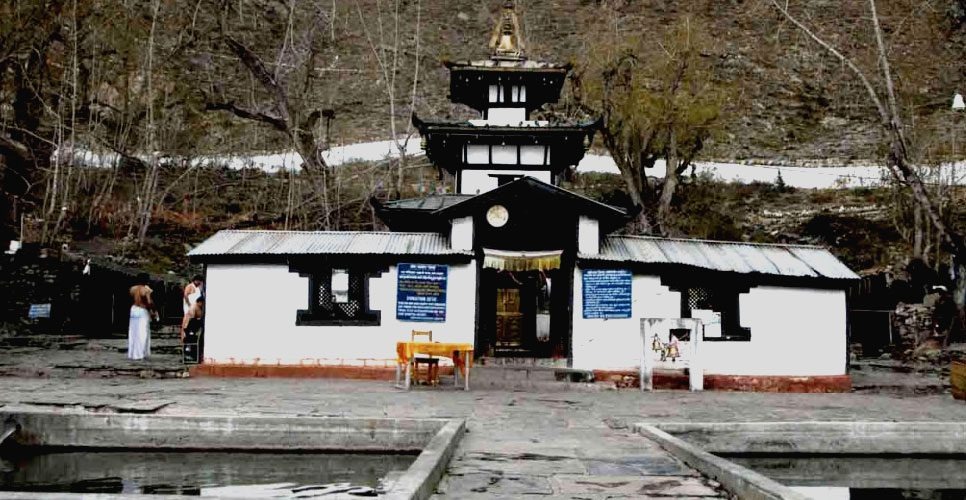
At 3,710 meters high, Muktinath Temple is a well-known pilgrimage site in the Mustang district of Nepal. It attracts thousands of visitors yearly for its outstanding religious importance to Buddhists and Hindus. According to the site’s belief, it comprises 108 water spouts, icy water for cleansing and salvation, and a flame that never goes out.
Mustang may be considered a really interesting place because of its desolate dry wasteland, Tibetan culture, and unique enchantment. These elements combine to make this “Last Forbidden Kingdom” all the more majestic in its severity and, therefore, much more of a treasure house for brave adventurers and seekers of spirituality.
Distance and Travel Time from Mustang to Muktinath
Roughly fifty kilometers are staged from Mustang to reach Muktinath. Your choice of transportation will influence the time.
- By Jeep/Private vehicle: This is the fastest, most comfortable option, taking approximately two to three hours. It is best for comfort seekers or families.
- By motorcycle/bike: This thrilling option is a three- to four-hour adventure. Riding on dirt roads requires caution.
- By Trekking: Trekking to Muktinath will take 6 to 7 hours, and a walk with a view is always enjoyable. Although it requires physical fitness, it’s a great option with great views.
Remember that weather and road conditions can affect how long your trip takes.
Best Ways to Reach Muktinath from Mustang
There are many ways to travel from Mustang to Muktinath, and each of them has its own experience:
By jeep/private vehicle
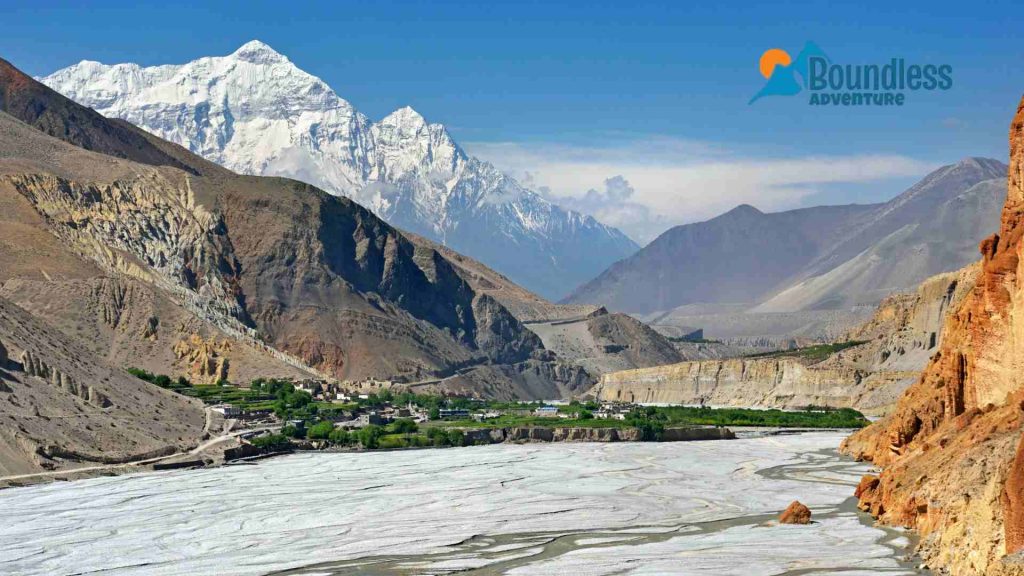
It is the most commonly used and most convenient way. This route takes you to Jomsom, Kagbeni, and Jharkot, with beautiful views of the Himalayas against the added inconvenience of bumpy roads. The trip would be around 2-3 hours, suitable for family and friends travel.
By Bicycle/Motorcycle
A more adventurous way, indeed, is by motorbike. One of the wonderful and thrilling things about seeing rugged Mustang is getting there by bike. The trip takes 3 to 4 hours.
The rocky landscapes will challenge anyone with off-roading experience, though some will have to endure dusty roads and occasional water crossings.
By Trekking
Trekking is a good option if you like a nice and peaceful route. The path goes through beautiful villages and monastery scenery into much-desired mountain glory. Trek takes 6 – 7 hours, so pack light for the trip.
There are several routes to Muktinath that travelers prefer based on personal comfort, work challenges, and adventure levels because each person has a different play style.
Route Specifics
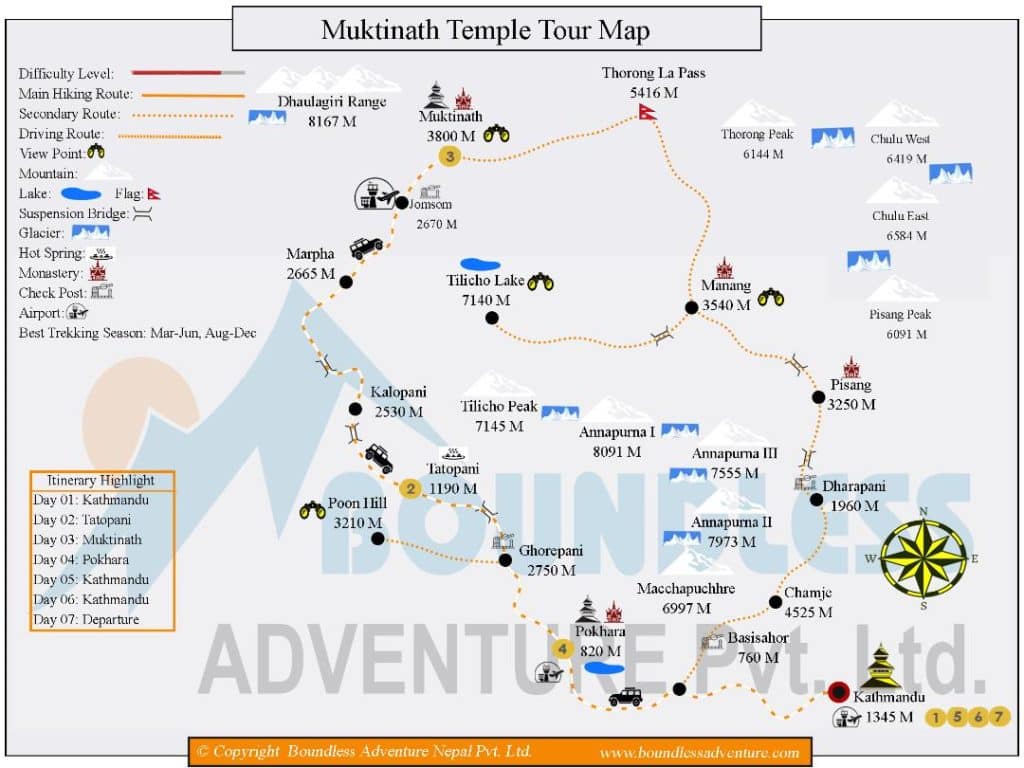
The trip from Mustang to Muktinath is filled with adventure, culture, and views. Deciding on a course that will lead to future success and fulfillment. The most common Mustang route to Muktinath is as follows:
Jomsom
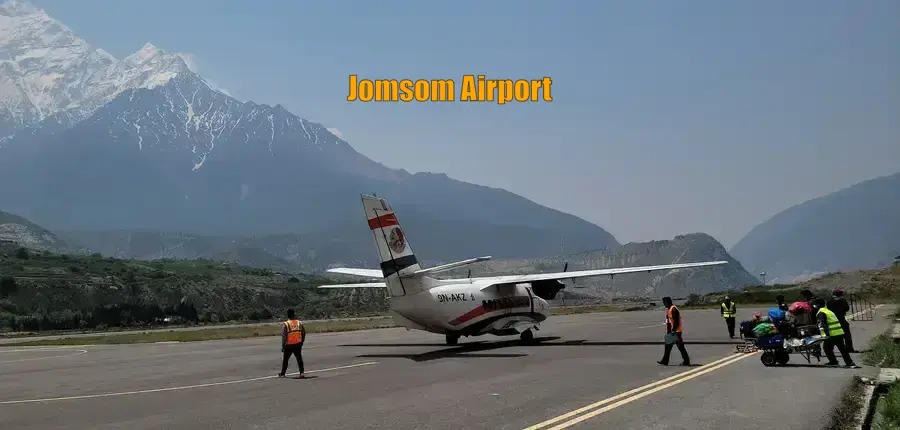
Most travelers begin their journey from Jomsom. This small town, already ideal, is busy with an airport. The city offers a variety of lodging options, from upscale hotels to affordable guesthouses.
The weather is arid and windy, almost desert-like, as Jomsom is famous for having powerful gusts starting as early as noon. Make the most of the time and shop for authentic Tibetan handicrafts and goods at the bazaar. If you want to know specifically how to travel from Nepal to Jomsom, click here.
Recommended Read: Best Places to Visit in Jomsom Mustang, Nepal
Kagbeni
The Kagbeni village lies roughly 10 miles from Jomsom, filled with Tibetan culture. The town has a famous place known as Kali Gandaki, with unique black stones known as Shaligrams that Hindus worship. When you stay there, you will feel like time has stopped.
Jharkot
Further down the path lies the village of Jharkot, which is identified by its historic stone houses and monasteries. It is a great place to experience Mustang’s spiritual side and take in breathtaking mountain vistas.
Road Conditions
The road from Mustang to Muktinath combines sand and hard soil with occasional man-made additions. The best time to visit is during the dry season. Landslides can cause delays during the monsoon season. It is advised to drive carefully, whether riding a bike or a jeep, to prevent accidents. Also, read our blog on Off Road Guided Trekking in Upper Mustang.
Well-Known Travel Destinations en route
Many natural beauties and cultural sites exist from Mustang to Muktinath, so it’s not just a road trip. Some must-see locations that will make your trip worthwhile are as follows:
Village of Kagbeni:
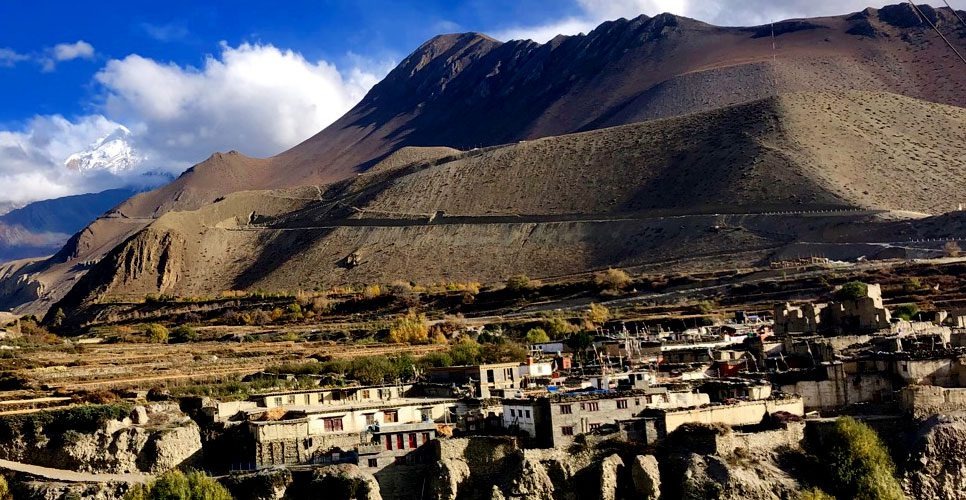
Kagbeni village is also known as the “Gateway to Upper Mustang“. This village is a mix of culture and history. While visiting, you will see Tibetan heritage, including historic homes and monasteries. Also, believers come to perform rituals on the Kali Gandaki River.
Jharkot Monastery:
Mountains surround Jharkot. This monastery is a spiritual sanctuary in the quiet village of Jharkot. Here, people usually meditate or take part in customary Buddhist rituals. The monastery also provides breathtaking views of Mustang’s distinctive landscape and snow-capped mountains.
Kali Gandaki River:
The Kali Gandaki River is renowned for its natural beauty and religious significance. The riverbed is dotted with Shaligram Stones, the sacred fossils of Lord Vishnu, which tourists collect as souvenirs.
If you include these attractions in your travel guide, your trip to Muktinath will be more enriching with cultural experiences and lifelong memories.
Conclusion of How to Reach Muktinath from Mustang Nepal (Travel Guide)
Along the exciting trek from Mustang to Muktinath, there is enough adventure, spirituality, and breathtaking landscape. Whether you want to go by foot, motorcycle, or jeep, this trek has a unique quality.
If you’re wondering how to reach Muktinath from Mustang, Nepal, the journey is worthwhile because it passes through beautiful valleys and important cultural sites. Because of its spiritual significance, Muktinath is a holy site that draws tourists worldwide.
Explore Muktinath with Boundless Adventure.
FAQ’s
How far is Muktinath from Mustang?
Muktinath is roughly 50 kilometers from Jomsom, the district headquarters of Mustang. If you’re traveling by jeep, the journey takes about 2 to 3 hours, depending on road conditions and weather. If you choose to trek, it’s a 6 to 7-hour hike through stunning high-altitude trails. The route passes through arid cliffs and ancient villages, giving you a deep sense of the Himalayan wilderness.
How can one get from Mustang to Muktinath?
The most reliable way to get from Mustang (specifically Jomsom) to Muktinath is by hiring a four-wheel drive jeep. It’s the most practical option for the rough roads and changing elevations. Jeeps can be hired privately or shared with others. Alternatively, if you’re confident on two wheels and want a thrill, motorbikes are available for rent. Flights into Jomsom from Pokhara make it easy to connect to this final stretch.
Is it possible to hike from Mustang to Muktinath?
Yes, and it’s an experience worth every step. The trek takes about 6 to 7 hours and is moderately challenging. The route is filled with prayer flags, windswept ridges, and views of Nilgiri and Dhaulagiri ranges. You’ll pass through Kagbeni, a medieval village at the junction of the Kali Gandaki and Jhong rivers, and Jharkot, known for its ancient monasteries. This trek offers not just views but spiritual depth.
Do buses run directly between Mustang and Muktinath?
There are no regular or government-run buses from Jomsom to Muktinath. Transportation in Mustang is more informal. Some shared jeeps and local vehicles might act as “bus-like” services, but they’re sporadic and dependent on demand. For efficiency, most travelers stick to private jeeps or rent motorbikes. If you’re trekking, you’ll find plenty of tea houses along the way.
What licenses are needed to enter Muktinath?
To travel from Mustang to Muktinath, you need two essential permits:
- TIMS Card (Trekkers’ Information Management System)
- ACAP (Annapurna Conservation Area Permit)
You can obtain both permits from the Nepal Tourism Board in Kathmandu or Pokhara. Carry multiple copies of your passport and a few passport-sized photos. Checkpoints are strict, especially in Kagbeni.
What are the road conditions from Mustang to Muktinath?
The road is unpaved and rugged, with lots of switchbacks, loose gravel, and occasional stream crossings. It’s not dangerous if you’re in a good jeep with a local driver who knows the terrain. Expect a slow and bumpy ride. During the monsoon, landslides and mud can make it impassable, so always check local conditions before starting out.
Is Muktinath suitable for elderly travelers?
Yes, but with caution. Muktinath sits at around 3,800 meters (12,467 ft), so the altitude can be challenging. That said, elderly visitors often hire jeeps from Jomsom, making the journey less strenuous. The temple area itself has fairly level paths and stone steps that are manageable with help. Oxygen cans are available in Jomsom if needed, and it’s best to acclimatize overnight before heading up.
What is the ideal season to visit Muktinath?
The ideal seasons are spring (March to May) and autumn (September to November). These months bring clear skies, minimal rain, and breathtaking views of the Himalayas. Rhododendrons bloom in spring, while autumn offers crisp air and golden landscapes. Avoid the monsoon (June–August) due to slippery roads and landslides, and winter (December–February) unless you’re prepared for cold temperatures and possible road closures.