


Imagine entering a land where time has stopped, where long-standing customs are still practiced, and where Tibetan culture is visible in every prayer flag and smile. Nepal‘s Upper Mustang is the location.
The problem is that many people are still unaware of this undiscovered cultural treasure. Modern tourism is gradually overshadowing Upper Mustang’s protected Tibetan culture. We risk losing this amazing cultural gem if we don’t discuss it.
So here we start with a cultural tour to Upper mustang in Nepal. In this blog, we will discuss the preserved culture of Tibet in Upper Mustang the intense Tibetan culture and the beautiful rich culture that makes this place a unique place to be in. and away we go.
Historical Roots of Preserved Tibetan Culture in Upper Mustang
The preserved Tibetan culture in Upper Mustang didn’t just appear overnight. It has deep roots that stretch back hundreds of years:
- Upper Mustang, Nepal, was once part of an ancient Tibetan kingdom called Lo.
- It remained closed off to the outside world until 1992, which helped preserve Tibetan heritage in Upper Mustang.
- People here still speak a Tibetan dialect, wear traditional clothes, and follow age-old customs.
Why it matters:
- It gives us an honest look at what Tibetan culture was like long ago.
- This preserved Tibetan culture in Upper Mustang connects people today with the past.
With limited roads and technology, life in Upper Mustang, Nepal, stays slow and peaceful. The preserved Tibetan culture in Upper Mustang makes this region a perfect destination for cultural exploration. It’s like stepping back in time into a living museum of Tibetan Buddhist culture in Nepal.
Learn about Upper Mustang Trek Nepal: Itinerary & Cost
Amazing Monasteries and Sacred Architecture
Upper Mustang is full of beautiful and ancient monasteries that help keep Tibetan culture alive in Mustang, Nepal. These holy places are not just buildings – they are the heart of the preserved Tibetan culture in Upper Mustang.
Here are a few places you must see:
- Lo Gekar (Ghar Gumba): Believed to be the oldest Tibetan monastery in Nepal.
- Chungsi Cave Monastery: Where Guru Rinpoche meditated to protect the region.
- Luri Gumba: A cave monastery filled with old paintings and history.
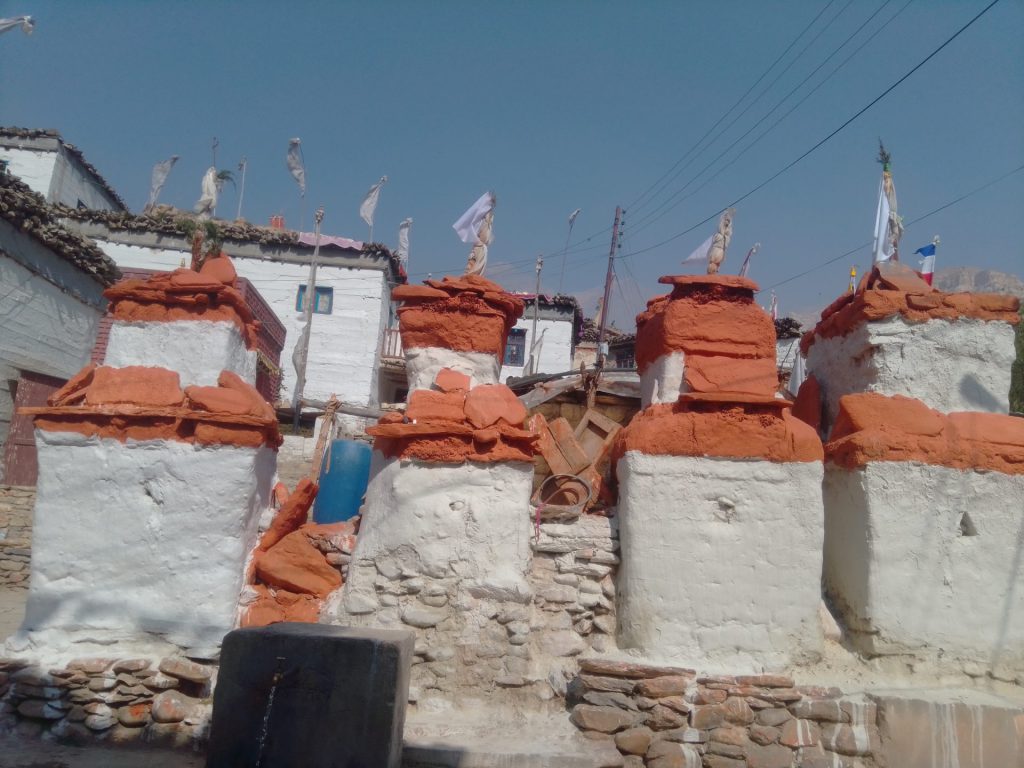
These monasteries:
- Show the colorful side of Tibetan Buddhist culture in Nepal.
- Help monks and locals pass on traditions to the next generation.
During your trekking journey in Upper Mustang, you’ll see prayer wheels spinning, butter lamps glowing, and the sound of monks chanting. Every corner of Upper Mustang, Nepal, holds a piece of Tibetan heritage.
The preserved Tibetan culture in Upper Mustang is built into every stone, every symbol, and every sacred wall of these monasteries.
Colorful Festivals and Everyday Traditions
One of the most exciting parts of exploring Upper Mustang’s culture is joining in the festivals and daily life activities.
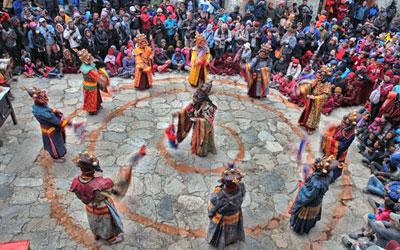
The Tiji Festival is the most famous of all. Here’s why it matters:
- Tiji Festival is celebrated for three days every spring in Lo Manthang.
- Tells an ancient Tibetan story of good beating evil.
- Includes masked dances, traditional music, and colorful clothes.
Other daily traditions include:
- Spinning prayer wheels while walking.
- Making yak butter tea.
- Wearing long woolen robes (called “chuba”).
These activities are part of the preserved Tibetan culture in Upper Mustang. They reflect a deep Tibetan heritage in Upper Mustang, passed down from one generation to the next.
Every step you take in Upper Mustang, Nepal, gives you a closer look at authentic Tibetan culture in the Mustang region of Nepal. The people here are proud of their traditions, and they love sharing them with those who come on a cultural journey to Upper Mustang.
Spiritual Life and Ancient Beliefs
In Upper Mustang, Nepal, life isn’t just about work or school – it’s also about the spirit. Tibetan Buddhist culture in Nepal is practiced every day in simple and beautiful ways.
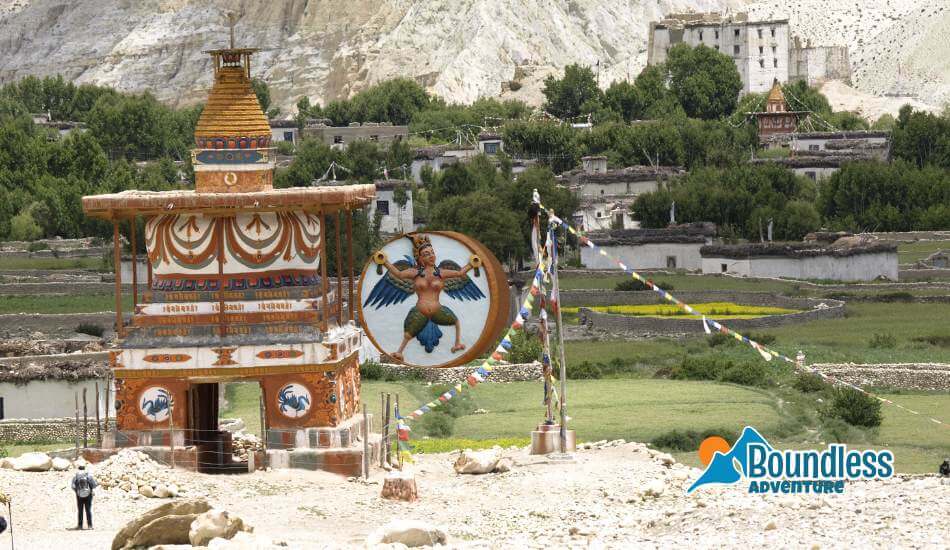
Spiritual Highlights:
- Bon Religion: One of the world’s oldest religions, still alive in Lubra Village.
- Prayer flags are hung everywhere to send prayers to the wind.
- Amchis: Traditional Tibetan healers who use herbs, chants, and meditation.
- These beliefs keep the preserved Tibetan culture in Upper Mustang strong:
- They teach kindness, respect, and living in peace with nature.
- Monks, nuns, and villagers meditate, chant, and pray daily.
Your cultural journey in Upper Mustang wouldn’t be complete without seeing these spiritual practices. They showcase the deep Tibetan heritage of Upper Mustang, which has survived for centuries.
The spiritual life here is quiet but powerful. It’s a living example of how Tibetan Buddhist culture in Nepal integrates into daily life, preserving traditional Tibetan culture in Upper Mustang.
Walking the Trails of Tradition: Trekking Routes & Culture
Every step you take during an Upper Mustang cultural exploration is like walking through a living history book. If you want some tips on a travel guide to Upper Mustang on permits and fees, click here.
Trekking through preserved Tibetan culture in Upper Mustang includes:
- Following ancient salt trade routes used by Tibetan merchants.
- Passing villages with Tibetan culture in Mustang, Nepal.
- Meeting locals who live in traditional stone houses.
Must-See Spots on the Trek:
- A doorway to the Tibetan world is Kagbeni.
- Lo Manthang: The charming and culturally rich walled capital.
- Charang is renowned for its breathtaking views and red monastery.
There is more to these trails than just paths.
- They take you to Upper Mustang, where each village has its customs.
- Every local tells tales that have been handed down through the ages.
By walking these routes, you help support the preserved Tibetan culture in Upper Mustang. You become part of the Tibetan heritage of Upper Mustang by learning, respecting, and sharing what you see.
Recommended Read: Off Road Guided Trekking in Upper Mustang
Preserving the Language and Oral History
One of the key ways Tibetan culture in Upper Mustang is preserved is through its language and oral traditions. The people in Upper Mustang speak a rare Tibetan dialect that’s only found in a few parts of the world. This dialect is more than just a means of communication—it carries centuries of history, wisdom, and values.
Why Language Matters:
- High Old Times: Centuries of traditions, philosophies, and stories fill the Tibetan dialect and make it up.
- Cultural Identity: Language plays a significant role in defining the identity of people. That is how they preserve traditions and are connected with their predecessors.
- Folktales, songs and chanting Storytelling educates the young generation on their heritage, and their culture.
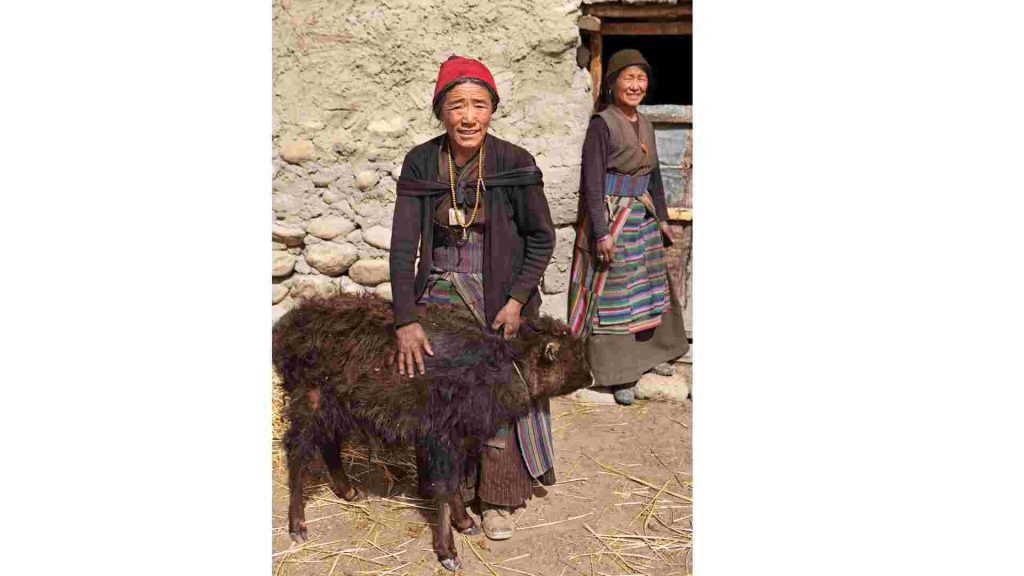
How They Preserve It:
- Elders Teach the Youth: In Upper Mustang, children learn the language from their elders and through local schools, ensuring that the dialect stays alive.
- Storytelling Sessions: Locals come together to share stories, songs, and experiences at storytelling events hosted by cultural organizations.
- Religious Ceremonies: To preserve traditional language for spiritual purposes, monks use it during these ceremonies.
Pause your cultural exploration of Upper Mustang to hear the villagers’ stories. You’ll hear about how Tibetan culture in Mustang, Nepal, has survived, passed down from generation to generation. Though the language might sound unfamiliar, it is deeply tied to the heart and soul of the preserved Tibetan culture in Upper Mustang.
Recommended Read: How Much Does The Upper Mustang Trekking Permit Cost?
Art, Crafts, and Local Handicrafts
Tibetan culture in Mustang, Nepal is critical to art and craftwork. These handcrafted, gorgeous pieces represent the tradition of Tibetan Buddhist culture and make an inseparable part of the heritage of Upper Mustang. This craft is preserved by local artisans who made sure that it can be enjoyed by the future generations.
Common Art Forms:
- Thangka paintings: These religious scroll paintings represent Buddhist religious epics, as well as deities and other spiritual beings. Every painting contains a divine story and it is of primary importance as part of religious practices.
- Wood Carvings:These are elaborate carvings, which can be found in temples and homes and normally portray a scenery of the Tibetan mythology or daily life hence giving an insight of the culture.
- Handwoven Textiles: Vibrant, coloured weaving is handwoven in conventional practices on loom. Such fabrics are patterned and are usually applied in garments and home accessories.
Why It Matters:
- Cultural Continuity: These crafts have been present in the family generations carrying ancient Tibetan traditions.
- Support for Local Artisans: You are supporting local artisans by buying these things and they will keep doing their work and earn their money.
- Art as Storytelling: Every craft is a story about the Tibetan identity of the Upper Mustang and day to day life, beliefs, and customs of people living there.
During your Upper Mustang cultural exploration, you’ll have the opportunity to visit villages like Lo Manthang and Ghami, where you can find these incredible handicrafts. Supporting local artists is a meaningful way to help preserve Tibetan culture in Mustang, Nepal, and keep these traditions alive.
Responsible Travel: How Tourists Can Help
You may contribute significantly to the preservation of Upper Mustang’s unique Tibetan culture as a visitor. You may preserve the community’s way of life and encourage the survival of its customs by traveling sensibly.
Tips for Responsible Travel:
- Learn About the Culture First: Take the time to read about the local customs, traditions, and history before you visit. This will help you understand and respect the culture better.
- Respect Local Customs: Dress modestly, especially when visiting temples or sacred sites, and always ask for permission before taking photos of people or their property.
- Support the local economy by booking homestays, using local guides, and purchasing handcrafted goods straight from producers. This helps maintain the culture and guarantees that the funds remain in the community.
Why It Is Important
- Relationships Are Strengthened by Respect: Respecting regional traditions helps you build stronger ties with the residents of Upper Mustang.
- Cultural Preservation: Your actions help ensure the continuation of the Tibetan heritage in Upper Mustang by supporting the local community.
- Sustainability: Responsible travel means that future generations can continue to experience and learn about the preserved Tibetan culture in Upper Mustang.
By helping to preserve local customs, your cultural experience in Upper Mustang can have a lasting effect. You can help preserve Nepal’s distinctive Tibetan Buddhist culture for many years to come by traveling responsibly.
Conclusion
As tourists, we must contribute to the preservation and protection of Upper Mustang, one of the remaining symbols of traditional Tibetan culture. Every element of Upper Mustang life, from the native language to the craftspeople’s products, helps preserve Tibetan culture in the area.
We can help preserve this remarkable cultural legacy for future generations by promoting responsible tourism, respecting regional traditions, and learning from the residents of Upper Mustang.
Therefore, when organizing your next trip, keep in mind that Upper Mustang, Nepal, offers more than just gorgeous scenery and challenging climbing. Connecting with one of the world’s most culturally diverse locations and preserving its customs are equally important.
So, contact Boundless Adventure now to plan your trip to Upper Mustang to explore Tibetan culture.
FAQ’s
What is the preserved Tibetan culture in the Upper Mustang region?
The preserved Tibetan culture in Upper Mustang includes unique traditions, language, and religious practices that have been maintained for centuries. This culture is deeply rooted in Tibetan Buddhism, with influences seen in local art, crafts, and daily life.
Why is Upper Mustang important for Tibetan heritage?
Upper Mustang holds significant importance for Tibetan heritage because it has remained largely isolated from the outside world, preserving its traditional Tibetan ways of life, language, and customs that date back hundreds of years.
How can I experience Tibetan culture in Mustang, Nepal?
You can experience Tibetan culture in Mustang by visiting ancient monasteries, participating in local festivals, exploring the unique architecture of villages, and interacting with locals who maintain age-old traditions and speak a rare Tibetan dialect.
What are some key highlights of a cultural journey in Upper Mustang?
Buddhist Highlights of a cultural journey in Upper Mustang include visiting Lo Manthang, experiencing Tibetan ceremonies, exploring ancient caves and monasteries, and witnessing traditional Tibetan art, crafts, and storytelling.
Is Upper Mustang a good destination for learning about Tibetan Buddhism?
Yes, Upper Mustang is an excellent destination for learning about Tibetan Buddhism. It’s home to numerous monasteries where you can observe religious practices, visit sacred sites, and gain insights into Tibetan Buddhist teachings.
How is the Tibetan language preserved in Upper Mustang?
The Tibetan language in Upper Mustang is preserved through oral history, storytelling, and local schools. Elders teach the younger generation the ancient dialect, and it’s used in religious ceremonies, ensuring its survival.
What traditional crafts can I find in Upper Mustang?
In Upper Mustang, you’ll find a variety of traditional Tibetan crafts, including Thangka paintings, wood carvings, and handwoven textiles. These crafts reflect the rich cultural heritage of the region and are often used for religious or decorative purposes.
Can tourists help preserve the Tibetan culture in Upper Mustang?
Yes, tourists can help preserve the Tibetan culture in Upper Mustang by practicing responsible travel. Supporting local artisans, respecting customs, and learning about the culture can ensure that traditions are preserved for future generations.