


The Sherpa are an ethnic group residing in the high Himalayan regions of Nepal. Particularly around Mount Everest in places like Solukhumbu, Namche Bazaar, and Thame. For centuries, they have thrived in these remote mountain valleys, building a strong bond with the natural world, their Buddhist faith, and the challenging terrain that shapes their daily lives.
Known around the world for their incredible strength and endurance at high altitudes, Sherpas have played a key role in Himalayan expeditions, often guiding climbers to the world’s highest peaks, including Everest itself. But there’s more to the Sherpa than just mountaineering. They have a beautiful culture, warm hospitality, and a resilient spirit that defines life in the mountains.
Here you will learn about the Sherpa people. You’ll learn about their origins, culture, spiritual practices, traditional foods, and daily life. You will also know about the challenges they face today. Whether you’re planning a trek in the Everest region or simply curious about Himalayan life, this guide will give you a deeper understanding of the Sherpa people and their rich heritage.
At Boundless Adventure, we work closely with Sherpa people guides and local communities to bring travelers authentic, responsible trekking experiences in Nepal. Our journeys through the Everest region and other Himalayan trails are led by experienced Sherpa professionals who know every turn of the trail and every story behind it. We believe in supporting local talent, honoring Sherpa culture, and creating meaningful connections between travelers and the mountains. When you trek with Boundless Adventure, you’re not just exploring Nepal, you’re walking alongside the people who know it best.
Who are the Sherpa?
The Sherpa people are a Tibetan ethnic group native to the rugged mountainous regions of Nepal, India, and Tibet. Most live in eastern Nepal, particularly in districts like Solukhumbu and Dolakha, with smaller communities found near Kathmandu, parts of Bhutan, and India’s Sikkim and Darjeeling areas. They practice their traditions in local monasteries called gompas, with the famous Tengboche monastery being the first celibate monastery in their homeland.
Their language is part of the Tibeto-Burman family but is distinct from the Tibetan spoken in Lhasa, making it unique to their culture. In recent years, many Sherpas have moved abroad, especially to the United States, where New York City hosts one of the largest Sherpa communities outside Asia. Despite this migration, over half a million Sherpas still live in Nepal, where they are best known worldwide for their incredible mountaineering skills and their vital role in Himalayan expeditions.
Where do the Sherpa Come From?
The Sherpa people originally came from the eastern part of Tibet. A few hundred years ago, they migrated south and settled in the high-altitude valleys of northeastern Nepal, especially in the Solukhumbu region, home to the famous Mount Everest.
Many of them live in villages like Namche Bazaar, Thame, and Khumjung, all located inside or near Sagarmatha National Park. These areas are surrounded by snowy peaks, prayer flags, and yaks grazing on steep hillsides, a world far from the busy streets of Kathmandu.
Explore the top Everest Region Treks Packages to Discover the roots of Sherpa’s in Nepal Himalayas
Culture and Religion of the Sherpa
Sherpa’s spiritual life is deeply rooted in Tibetan Buddhism, particularly the Nyingma tradition. It is believed to be the oldest school, founded by Guru Rinpoche in the 8th century and influenced by both Buddhist and ancient Bon shamanic practices. Their beliefs are rich in mystical elements, including sacred hidden valleys (beyul), powerful local deities, and spiritual treasures.
They see the natural world as alive with spirits, and many Himalayan peaks are considered holy. Mount Everest, for example, is known to Sherpas as Chomolungma, “Mother of the World,” while Mount Makalu is seen as a form of Lord Shiva.
In their villages, spiritual leaders called lamas lead prayers, rituals, and festivals. These lamas can be monks who live a simple, celibate life or married men who serve the community. Some shamans and healers help people deal with spiritual problems, illness, or bad luck.
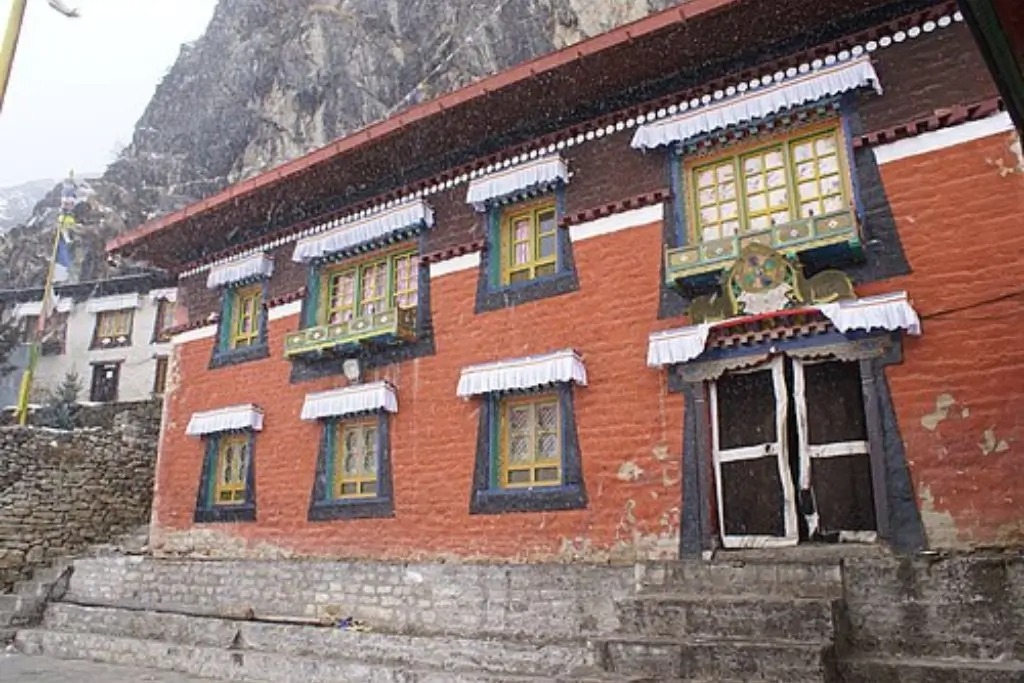
Each village usually has a temple called a gompa, where people gather for prayer and religious events. Some gompas are part of larger monasteries where monks and nuns live and study. These places are important not just for religion, but also for keeping their traditions and culture alive. They hold ceremonies, lead prayers during funerals, and celebrate yearly festivals that bring the whole community together.
They celebrate festivals like:
- Losar: Tibetan New Year
- Mani Rimdu: a famous religious festival at Tengboche Monastery
- Dumje: a local celebration of community and culture
What Do Sherpas Eat?
Life at high altitude requires a high-energy diet. Their food is hearty, filling, and perfect for cold mountain weather. They eat plenty of rice, lentils (dal), potatoes, and yak meat. Fresh vegetables are grown in their gardens, while supplies like rice and oil are often brought from lower regions.
Some typical dishes include:
- Tsampa: It is roasted barley flour. It is mixed with tea or butter.
- Sherpa stew (Shyakpa): It is a thick soup with meat, potatoes, and vegetables.
- Butter tea: It is salty tea mixed with yak butter.
- Momo: It is a type of steamed dumpling filled with meat or vegetables.
Do Sherpas Have Their Language?
Sherpas speak the Sherpa language, which is part of the Tibeto-Burman family. It’s related to Tibetan, but unique in its way. In trekking areas, many also speak Nepali and English, especially those who work with tourists.
You might hear friendly greetings like:
- “Tashi Delek”: a traditional Tibetan greeting meaning “blessings and good luck”
- “Kuzu zangpo la”: hello/good day
Who Was the First Sherpa to Climb Everest?
Tenzing Norgay, originally named Namgyal Wangdi, was a legendary Sherpa mountaineer from Nepal who later held Indian citizenship. He made history on May 29, 1953, when he and Sir Edmund Hillary became the first climbers ever confirmed to reach the summit of Mount Everest during the British expedition that year. Widely celebrated for this incredible achievement, Tenzing was later honored by Time magazine as one of the 100 most influential people of the 20th century.
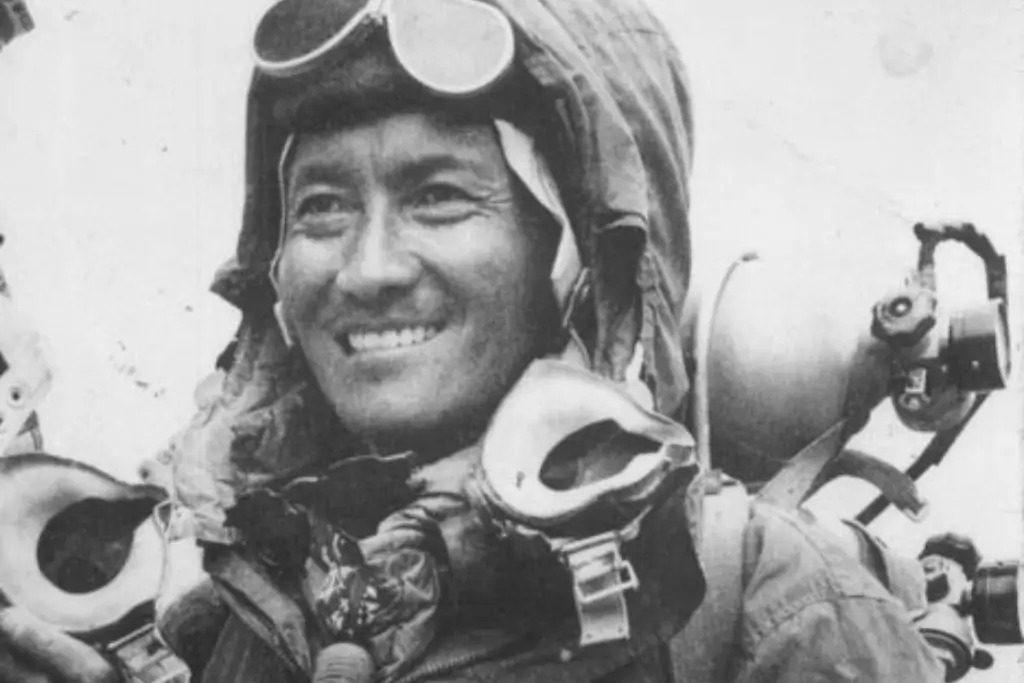
Tenzing had already participated in several Everest expeditions before 1953 and was highly respected for his experience, strength, and calm leadership. When he and Hillary finally reached the summit, it wasn’t just a victory for mountaineering. It was a moment of global recognition for the skill, courage, and contribution of Sherpas to Himalayan climbing. Tenzing Norgay became a national hero in Nepal and India and an enduring symbol of the Sherpas’ pride.
Some Famous Sherpa People
Tenzing Norgay is the most well-known Sherpa in history. Many other Sherpas have made remarkable contributions to mountaineering and beyond. Here are some of the most well-known Sherpas:
Apa Sherpa
Apa Sherpa, called the “Super Sherpa.” He is a legendary Nepali mountaineer best known for holding the world record for the most summits of Mount Everest. He achieved 21 times between 1990 and 2011. He was born in the remote village of Thame in the Solukhumbu region. Apa started working as a porter at a young age to support his family after losing his father.
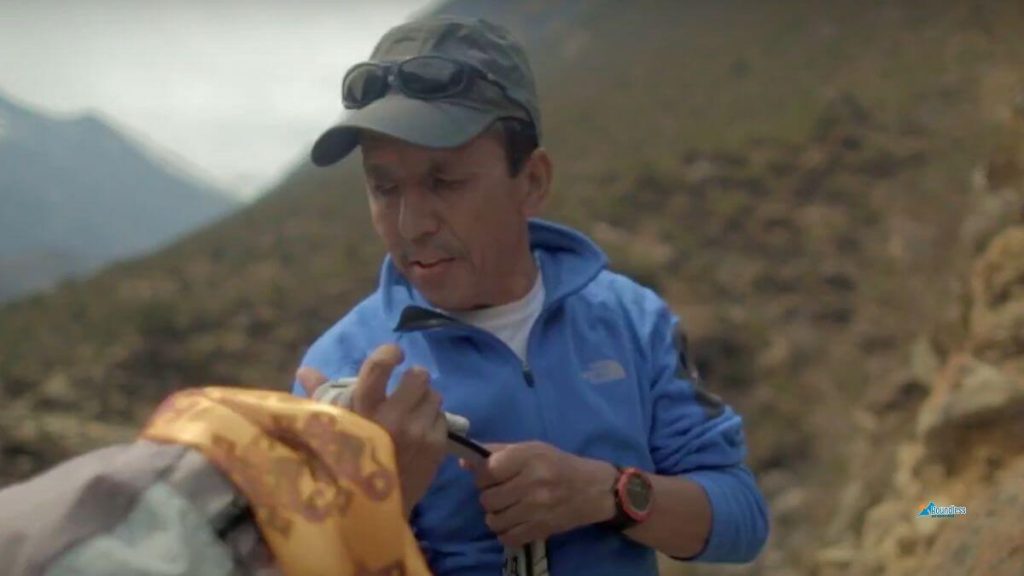
Despite the dangers and hardships, he became one of the most respected high-altitude climbers in history. After retiring from climbing, he turned his focus to education and community development through the Apa Sherpa Foundation, which works to provide better schooling opportunities in the Himalayan region — so future generations won’t have to risk their lives on the mountains to earn a living.
Kami Rita
Kami Rita is a world-renowned Nepali mountaineer who holds the record for the most Mount Everest summits. 31 times, with his latest climb on May 27, 2025. Born in January 1970 in the Solukhumbu region, he grew up in a Sherpa family of mountain guides; his father was one of the first to guide foreign climbers after Everest opened in 1950. Kami Rita began working on the mountain at a young age and reached his first Everest summit by 24.
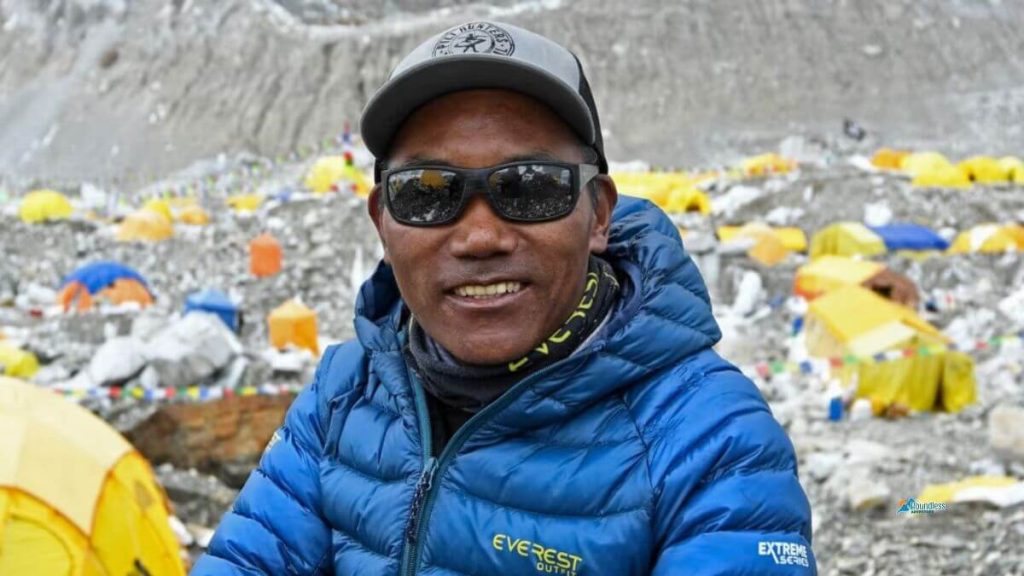
Over the years, he has become a symbol of Sherpa’s strength and dedication, not just for Everest but across the Himalayas, with 42 climbs over 8,000 meters, including Cho-Oyu, Lhotse, K2, and Manaslu. Despite the global recognition, he’s been vocal about the lack of support Sherpas receive from their own government. Still, his passion remains strong, continuing to guide climbers, represent Nepal as a brand ambassador, and inspire future generations who dream of reaching the top of the world.
Pasang Lhamu Sherpa
Pasang Lhamu Sherpa was a trailblazer and the first Nepalese woman to reach the summit of Mount Everest. She achieved this historic feat on April 22, 1993. Born into a mountaineering family, Pasang had already climbed several significant peaks like Mont Blanc and Cho Oyu before finally conquering Everest after three attempts.
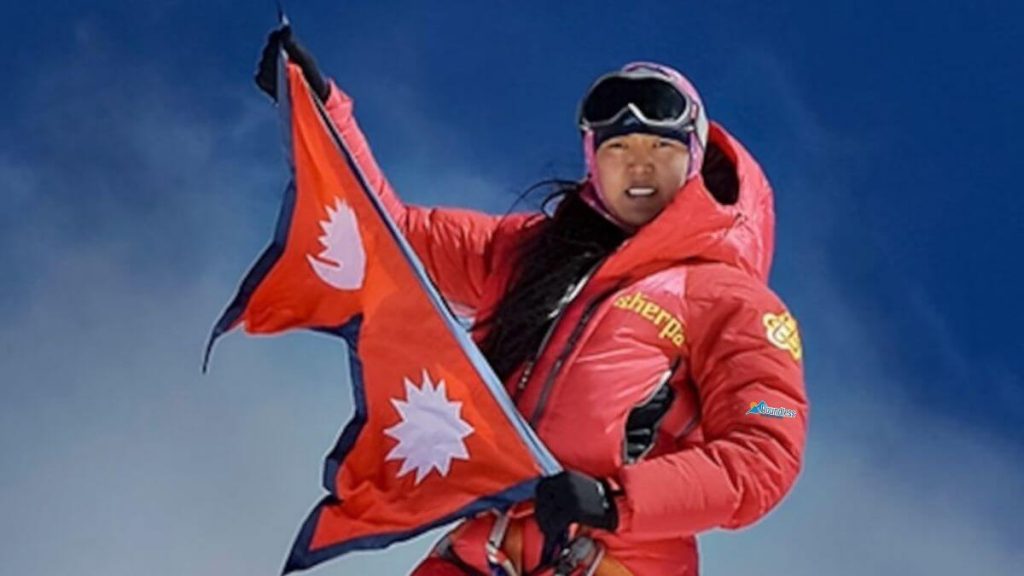
Sadly, her triumphant moment was shadowed by tragedy. She lost her life during the descent due to sudden bad weather. Despite her untimely death, Pasang’s legacy lives on. She was honored with Nepal’s prestigious Nepal Tara (Star) award, and numerous landmarks, including a highway, a mountain peak, and a memorial hall, bear her name.
Dawa Yangzum Sherpa
Dawa Yangzum Sherpa is a trailblazing mountaineer from Nepal. She became the first Nepalese woman to earn international certification as a mountain guide. Her climbing journey began in 2009 when she scaled Yala Peak. She quickly gained recognition after reaching the summit of Mount Everest in 2012. Since then, she has climbed many major mountains, including Makalu, K2 (as part of an all-women Nepali team), and Manaslu, proving her incredible strength and dedication.

In October 2024, Dawa made history by becoming the first Nepalese woman to successfully climb all 14 of the world’s highest mountains over 8,000 meters. This rare achievement puts her among the most excellent climbers in the world.
Lhakpa Sherpa
Lhakpa Sherpa is a Nepalese mountaineer known for holding the record for the most successful ascents of Mount Everest by any woman. With an incredible ten summits as of May 12, 2022. She was born in a cave in the remote Makalu region. She grew up without formal schooling.
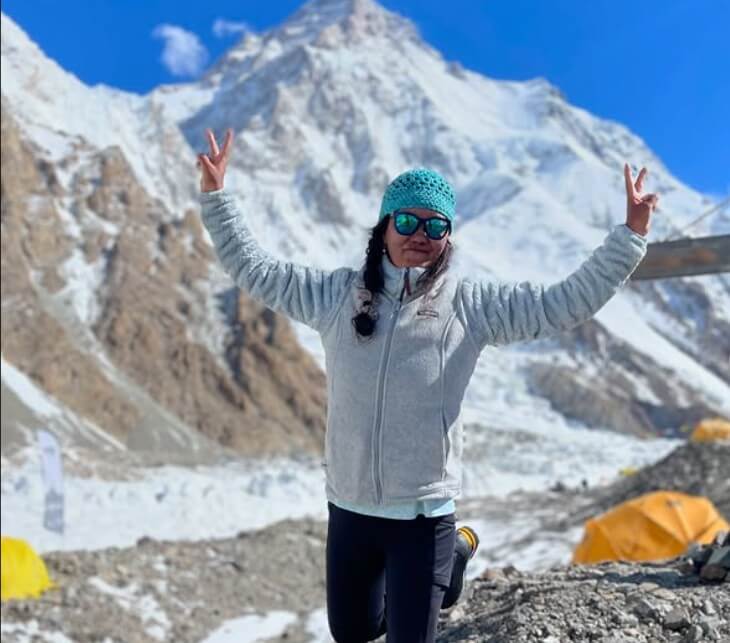
In 2000, she made history as the first Nepali woman to both summit and safely descend Everest. Over the years, she climbed with her family, including her sister and her late husband, Gheorghe Dijmarescu, who reached the summit of Everest nine times himself. Her journey is one of steadfast determination, rising from a simple life to becoming a record-breaking mountaineer and a strong single mother. Lhakpa’s powerful story has been shared in documentaries and admired all over the world.
History of Sherpas
Their name, “Sherpa,” comes from Tibetan words meaning “people from the east.” It reflects their origins in eastern Tibet, even though their communities are now mainly in Nepal’s highlands. Over time, especially since the 1960s when political tensions rose with China, the Nepalese government’s influence grew, and the creation of Khumbu National Park in 1976 helped transform the Sherpa’s economy through tourism, making them central figures in the story of Himalayan mountaineering.
Migration to the Himalayas
The migration journey from Tibet into Nepal was both challenging and courageous. The Sherpa’s ancestors traversed treacherous mountain terrain. Over time, they made their home in remote valleys like Solukhumbu. Through the years, they have formed close communities with their own language, traditions, and the way they live their life.
Sacred Relationship with Mount Everest
Mount Everest lies within Sagarmatha National Park, a sacred place for the Sherpa people who believe powerful spirits inhabit it and hold deep respect for all life. Many tourists unintentionally disrupt this sacred land, especially by cutting trees for firewood, which goes against their spiritual laws.
Before climbing Everest, they perform rituals asking the mountain’s permission, a tradition sometimes turned into a spectacle by visitors. Although the park is the Sherpa’s homeland, management is controlled mainly by outsiders. Buffer-zone user groups made up of local leaders give them a voice, but these groups lack official power, leaving the government free to decide whether to listen to their concerns.
Sherpas and Mountaineering Expertise
Many Sherpas are celebrated as expert mountaineers and deeply knowledgeable guides in their own mountainous regions. They played an essential role in supporting early Himalayan explorers. Especially on challenging climbs like Mount Everest.
Nowadays, the word “Sherpa” is often used by outsiders to describe any guide or climbing assistant in the Himalayas, no matter their background. Because of this, the term has even become a popular way to refer to a mentor or helper in other fields.
They are widely respected worldwide for their toughness, skill, and experience at extreme altitudes. Scientists believe that some of their incredible climbing ability comes from unique genetic traits, such as how their blood carries oxygen more efficiently and their bodies produce higher levels of nitric oxide, helping them perform better where the air is thin.
The Sherpa Legacy
The Sherpa people trace their roots back to nomadic ancestors who first settled near Mount Everest in Nepal’s Khumbu and Solu regions, along the border with Tibet. According to their oral history, four main Sherpa clans, Minyakpa, Thimmi, Lamas Sherwa, and Chawa, migrated from the Kham region of Tibet to the Solukhumbu area, eventually branching into over 20 clans we see today.
Historians believe that religious conflicts in Tibet during the 13th and 14th centuries may have pushed the Sherpa to cross the high mountains into Nepal. By the 15th century, they had established themselves with some autonomy within Nepal.
Sherpas and the Mountains: Why They’re Famous Worldwide
Sherpas are known all over the world for their incredible strength and skill in the mountains, especially at high altitudes. But it is important to understand that not all of them are mountain climbers. Many focus on farming, tourism, or running small businesses in their villages.
Still, those who do work in the mountains play a massive role in making Himalayan expeditions possible—especially on challenging peaks like Mount Everest. They take on tough and dangerous jobs such as:
- Guides: Their guides are the backbone of any trekking or mountaineering team. They know the trails like the back of their hand and are trained to keep climbers safe. Whether it is finding the best route, helping with altitude sickness, or offering encouragement during tough climbs, guides are there every step of the way. Their deep knowledge of the mountains and weather conditions helps trekkers avoid dangerous paths and reach their destination safely.
- High-altitude porters: They do the heavy lifting. They carry food, tents, oxygen tanks, ropes, and other gear needed for high camps. What makes their job even more remarkable is that they do it at extreme heights where the air is thin and breathing is harder. Without them, most climbers wouldn’t even make it to the higher camps. Their strength, endurance, and ability to work in low-oxygen conditions are simply incredible.
- Fixers and rope-setters: They go ahead of the main team to secure the route. They fix ropes, ladders, and safety lines across dangerous sections, like ice walls, crevasses, or steep ridges so that other climbers can pass through safely. It’s one of the riskiest roles in mountaineering because they often do it alone and under harsh weather conditions. Their work lays the foundation for the entire expedition’s success.
Sherpas in Today’s Trekking Industry
Trekking plays a significant role in the economy of the Sherpas today. Nowadays, many families make a living by operating lodges, teahouses, gear stores, or by serving as porters and guides. They have contributed to the conversion of isolated mountain trails into some of the world’s most well-traveled trekking routes. They are:
Challenges Faced by Sherpas
Despite their legendary strength and resilience. Their communities face a range of challenges both on and off the mountains, from life-threatening risks during expeditions to the ongoing impact of climate change and limited local resources. Their daily reality is far more complex than what most of you see.
- Avalanches and Crevasses: Especially in places like the Khumbu Icefall, they risk their lives every day navigating unstable glaciers and deep crevasses. These hazards are unpredictable and deadly, even for the most experienced climbers.
- Economic Uncertainty: Mountaineering is the primary source of income, but it’s seasonal and heavily dependent on global tourism. A bad climbing season or drop in visitors can leave entire families without steady earnings.
- Climate Change: Rising temperatures are melting Himalayan glaciers at an alarming rate. This affects water sources, increases landslide risks, and puts entire villages in danger.
- Limited Access to Healthcare and Education: Many villages of the Sherpas are remote and difficult to reach. It makes medical treatment and education hard to access. This limits future opportunities for children and creates vulnerabilities in times of health emergencies.
Final Thoughts
The Sherpa people have a strength that comes from living close to the mountains for many generations. Their story is about living with courage, caring for each other, and loving nature. Even with many challenges, they are known for their kindness and strong community. Their legacy is about the warmth and wisdom they share every day. Their spirit lives on in their traditions, families, and the paths they walk, showing us that true greatness comes from being strong, humble, and connected to the land and people around them.
Plan your trek with Boundless Adventure, where you will learn about Sherpa stories, culture, language, and their lifestyle.
FAQ’s
What does the word “Sherpa” mean?
The word “Sherpa” comes from the Tibetan language, meaning “people from the East.” It refers to the ethnic group originally from eastern Tibet who settled in Nepal’s high mountains. Over time, it has also become associated with their famous role as skilled mountain guides.
Are All Sherpas Mountain Climbers?
Not all Sherpas are climbers. Many work as guides or porters because of their natural ability to handle high altitudes. Their society includes farmers, traders, and shopkeepers, too. Climbing is just a critical part of their culture, not the whole story.
What Language do Sherpas speak?
They speak their own language, which is closely related to Tibetan. Many of them also speak Nepali, the national language of Nepal, and some speak English, especially those involved in trekking and tourism. This helps them communicate with visitors from around the world.
Why are Sherpas so Good at Climbing Mountains?
Sherpas have lived for generations at high altitudes, which has helped their bodies adapt naturally to low oxygen levels. Their genetics, combined with experience and traditional knowledge of the mountains, make them incredibly strong and resilient climbers. This is why they are trusted guides for some of the world’s most challenging climbs.
What is Sherpa Culture Like?
Their culture is deeply connected to Tibetan Buddhism, with many religious festivals, prayers, and monasteries playing essential roles. Family and community life are close-knit, with traditions passed down through generations. Their culture also celebrates music, dance, and special foods that reflect their mountain environment.
How can Trekkers Respect Sherpa Culture?
Respecting their culture means being polite, learning a few greetings in their language, and dressing modestly, especially when visiting homes or monasteries. It is also important to support local businesses and treat guides and porters fairly with good tips and kindness. Your simple acts like these go a long way in building trust and friendship.
What Challenges do Sherpas Face Today?
Despite their global fame, they face many challenges, such as dangerous working conditions on Everest and the effects of climate change on their mountain environment. They also often struggle with limited healthcare and educational resources in remote areas. Many organizations and travelers now work to support their communities and preserve their culture.