


Located in the heart of the Himalayas. The Tengboche Monastery stands as a peaceful sanctuary for trekkers making their way along the Everest Base Camp route. Surrounded by snow-capped mountains like Ama Dablam and Everest. This iconic Buddhist Monastery is not just a visual highlight; it's an experience that touches the spirit.
Every traveler who arrives in Tengboche feels the shift. The prayer flags flap quietly in the wind, monks' chants drift softly through the cold mountain air, and the smell of burning juniper fills the space around you. It's a calm that's difficult to put into words. Here, after days of tough trekking, everything seems to pause, giving you a chance to really feel connected to the mountains, the people, and yourself.
Whether you're drawn by its stunning location, deep spiritual energy, or cultural richness, Tengboche Monastery is a stop that leaves a lasting impression, far beyond the trail.
Where is Tengboche Monastery?
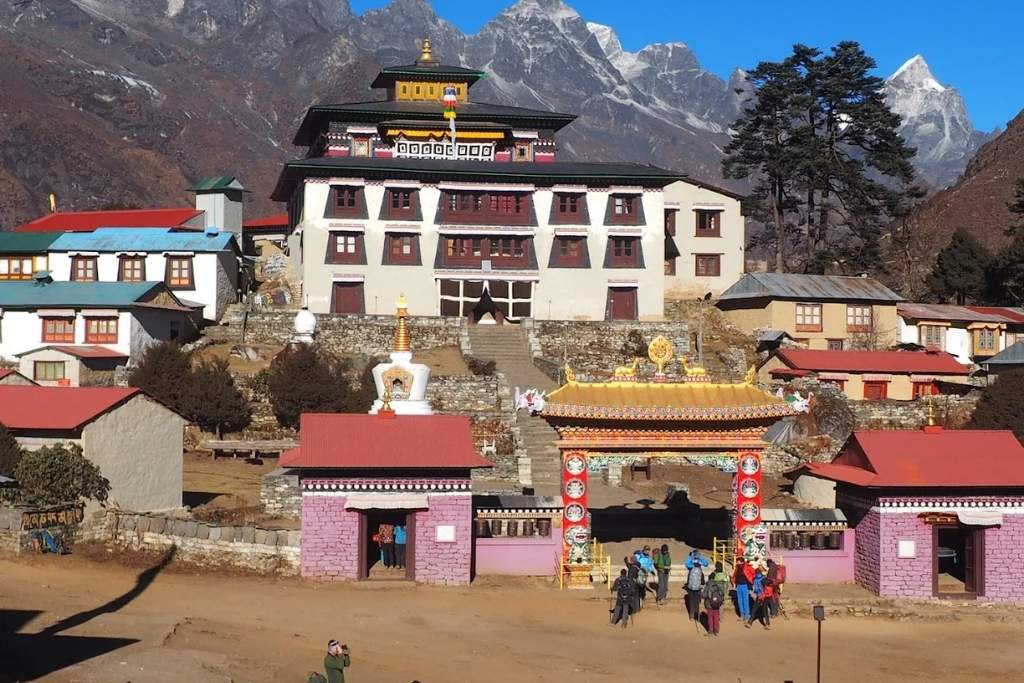
Tengboche Monastery is a 100-year-old Tibetan Buddhist monastery perched at 3,867 meters (12,687 feet) in the heart of the Khumbu region of Nepal. It sits on a ridge surrounded by some of the most iconic Himalayan giants, like Ama Dablam and Everest. Every trekker on the classic Everest Base Camp route walks through Tengboche, and nearly all of them stop.
Key Highlights of Tengboche Monastery
Tengboche Monastery is a highlight because of its perfect mix of location, scenery, and spiritual energy. You're not just looking at the mountains here, you're immersed in them, while monks chant ancient mantras inside a centuries-old monastery.
- It's about halfway between Namche and Dingboche, making it a vital acclimatization and rest point.
- The Monastery sits directly in front of Ama Dablam with Everest, Nuptse, and Lhotse rising around it.
- Trekkers often sit in silence here, letting the calmness wash over them before the tougher climbs begin.
- Hosts the vibrant and important Mani Rimdu Festival, showcasing traditional masked dances and rituals unique to Tibetan Buddhism.
- Serves as a key acclimatization point for trekkers on the Everest trail.
History of Tengboche Monastery
Tengboche Monastery isn't just a structure tucked away in the Himalayas. It's a story of faith, resilience, and cultural pride that's been unfolding for over a century.
While trekkers today may see a peaceful gompa located in the clouds. Its journey has been anything but serene. The story of Tengboche is marked by visionaries, destruction, rebirth, and an unshakable devotion that binds it all together.
The Beginning: A Spiritual Vision Born from the Mountains
The Monastery was founded in 1916 by Lama Gulu (Ngawang Tenzing Norbu), a revered figure in the Khumbu region. With spiritual blessings from the head of the Rongbuk Monastery in Tibet—one of the holiest Buddhist monasteries in Nepal—Tengboche became the first formal Monastery in the Khumbu Valley.
This was more than a place for prayer; it was a spiritual anchor for the Sherpa people, whose way of life is deeply rooted in Buddhist beliefs.
Trials by Nature: Earthquake and Fire
- 1934 Earthquake: The Monastery sustained severe damage. It was slowly rebuilt with local help.
- 1989 Fire: A devastating fire destroyed the structure. Ancient scriptures, relics, and murals were lost.
Rebirth Through Unity
- Japanese architect Yoshio Takaoka redesigned the Monastery.
- Artisans used traditional Tibetan techniques to restore it.
- Donations flowed in from across the world, including past trekkers.
Legacy and Role Today
- Climbers receive blessings here before Everest expeditions.
- Host of the Mani Rimdu Festival in Tengboche, drawing pilgrims and trekkers.
- A training ground for monks, keeping Nyingma teachings alive.
Architecture of Tengboche Monastery
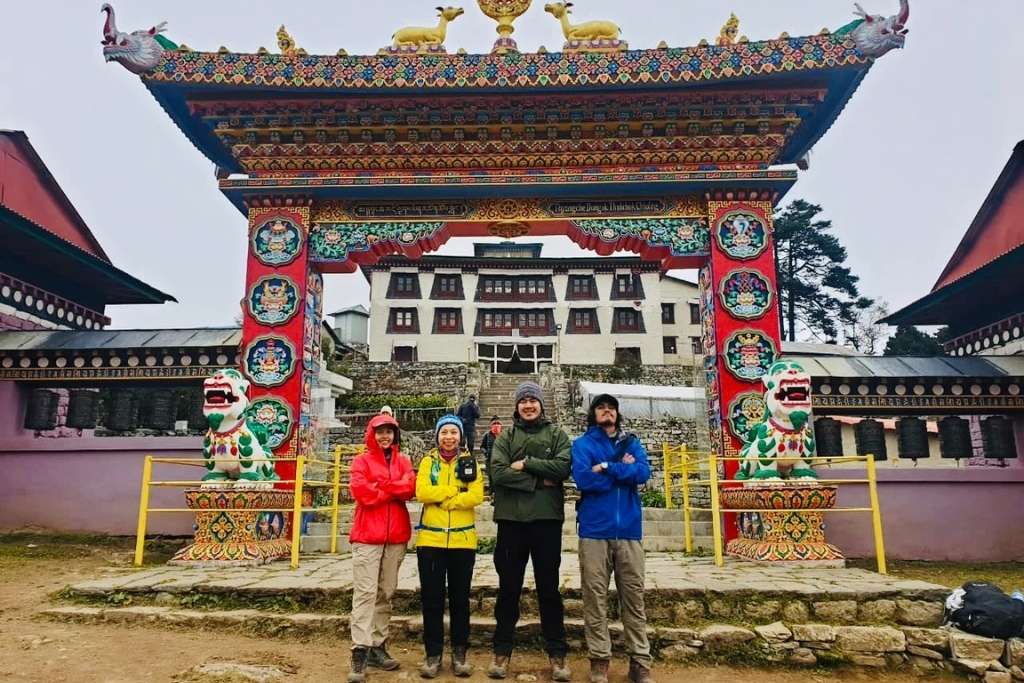
Simplicity Meets Sacred Art. The design reflects both beauty and practicality in a high-altitude setting.
- Central prayer hall (Dukhang) with vibrant murals and thangkas
- Hand-painted ceilings illustrating Buddha's life
- Large statues, ancient scriptures, and ornate carvings
How Did Tengboche Monastery Become a Spiritual Landmark?
It wasn't built to impress with size—it grew powerful through meaning. Tengboche Monastery became a spiritual landmark because it connects the Himalayan land, its people, and their deep-rooted faith.
- Cultural identity: For the Sherpa people, this is more than a monastery; it's a lifeline of spiritual tradition passed down for generations.
- A sacred stop: Sitting on the trail to Everest. This Monastery became a ritual point where climbers and trekkers pause for blessings and grounding.
- Enduring faith: Despite being damaged by natural disasters multiple times, each rebuilding effort only strengthened the collective belief in its importance.
- Emotional presence: The chants, the silence, the mountain air, it all combines to create an atmosphere of deep calm that people carry with them long after they leave.
- Universal refuge: Whether you're a Buddhist pilgrim or a backpacker seeking peace, Tengboche Monastery offers a quiet space to reconnect with something greater than yourself.
Also read our blog "Visiting Gompa Monastery: A Guide for Spiritual Travelers."
Why is Tengboche village So Important to Trekkers and Pilgrims?
Tengboche village may appear modest in size. Tengboche village holds immense cultural and emotional significance for both trekkers and spiritual seekers. Located in the heart of the Khumbu region. It serves not only as a resting point but also as a gateway to a deeper understanding of Sherpa life and Himalayan spirituality.
Warm hospitality in the cold mountains
Tengboche village might be small, but it knows how to comfort tired trekkers. You'll find cozy lodges, steaming bowls of soup, and even bakeries serving up slices of apple pie that taste like home. After a long day on the trail, it's the kind of warmth you don't forget.
Cultural harmony in action
In this little village, monks, locals, and travelers from all over the world cross paths. It's not unusual to sit beside someone you've never met, sipping tea and sharing stories under the prayer flags. There's a quiet sense of unity here that feels rare and real.
Living traditions
Even as more trekkers pass through each year, Tengboche still holds tightly to its roots. The Sherpa language, customs, and spiritual practices are part of daily life. It's not just a place you visit—it's one you can truly learn from.
Support system for the journey ahead
For many, this is the last real stop before the trail gets tougher. But it's more than just a place to rest—it's where you gather yourself mentally for what's next. Tengboche offers not just shelter, but a little strength, too.
Spiritual presence
With Tengboche Monastery steps away, there's a stillness in the air that's hard to explain. Even a short stay in the village feels deeper—like the quiet around you somehow settles inside you, too. It's the kind of place that leaves a mark without saying a word.
How Does Tengboche Monastery Compare to Other Buddhist Monasteries in Nepal?
Tengboche Monastery stands out among Nepal's many sacred monasteries not because of its size or age alone, but for the emotional and spiritual depth it brings to the trekking journey. Nestled at a dramatic viewpoint on the Everest Base Camp route, it offers a rare blend of accessibility, cultural richness, and mountain serenity that many other monasteries, though beautiful, don't quite capture.
- Larger and more accessible: Compared to places like Thame Monastery, tucked deeper into side valleys, Tengboche Monastery is easier to reach and more frequented, yet still retains a peaceful, sacred feel.
- Equally rich heritage: While monasteries like Thupten Chöling are known for monastic scholarship and tradition, Tengboche holds its own in spiritual significance while being more traveler-friendly.
- Unique daily rhythm: The Monastery opens its morning and evening prayers to visitors—an intimate glimpse into monastic life few others offer.
- Unparalleled backdrop: With panoramic views of Everest, Lhotse, and Ama Dablam, no other monastery quite matches its cinematic setting.
- Cultural celebrations: Its annual events, especially the Mani Rimdu Festival in Tengboche, bring together monks, villagers, and global visitors in a rare, vibrant, and moving experience of spiritual unity.
What Happens During the Mani Rimdu Festival in Tengboche?
The Mani Rimdu Festival at Tengboche is not just a celebration—it's a deeply spiritual event where ancient rituals meet vibrant community spirit. Held every autumn, it gives visitors a rare chance to witness the spiritual heartbeat of the Everest region in full motion.
- Timely spiritual celebration: The festival usually takes place in October or November. Align with the full moon of the tenth Tibetan lunar month.
- Sacred rituals and blessings: Monks spend days in meditation and prayers leading up to the event, culminating in symbolic mandalas, fire pujas, and public blessings.
- Colorful masked dances: These masked dances, called 'Cham', are full of color and movement, each one telling the story of compassion winning over ignorance. The monks wear detailed costumes, and the steady beat of drums pulls you right into the moment. It's powerful, strange, and beautiful all at once.
- Cultural bridge: Trekkers and pilgrims from all over the world are invited to respectfully observe the rituals, making it a shared experience of culture and faith.
- Once-in-a-lifetime atmosphere: The entire Tengboche Monastery grounds come alive with chants, incense, music, and emotion, leaving many with a lasting sense of peace and reverence.
Also learn about Festivals of Nepal: A Colorful Ride Through Culture, Chaos, and Celebration!
Daily Life of Monks in Tengboche
Life as a monk at Tengboche Monastery is a blend of deep devotion, discipline, and peaceful simplicity. Far from the hustle of the outside world, monks here live according to centuries-old traditions that keep their spiritual practices alive amid the stunning Himalayan peaks.
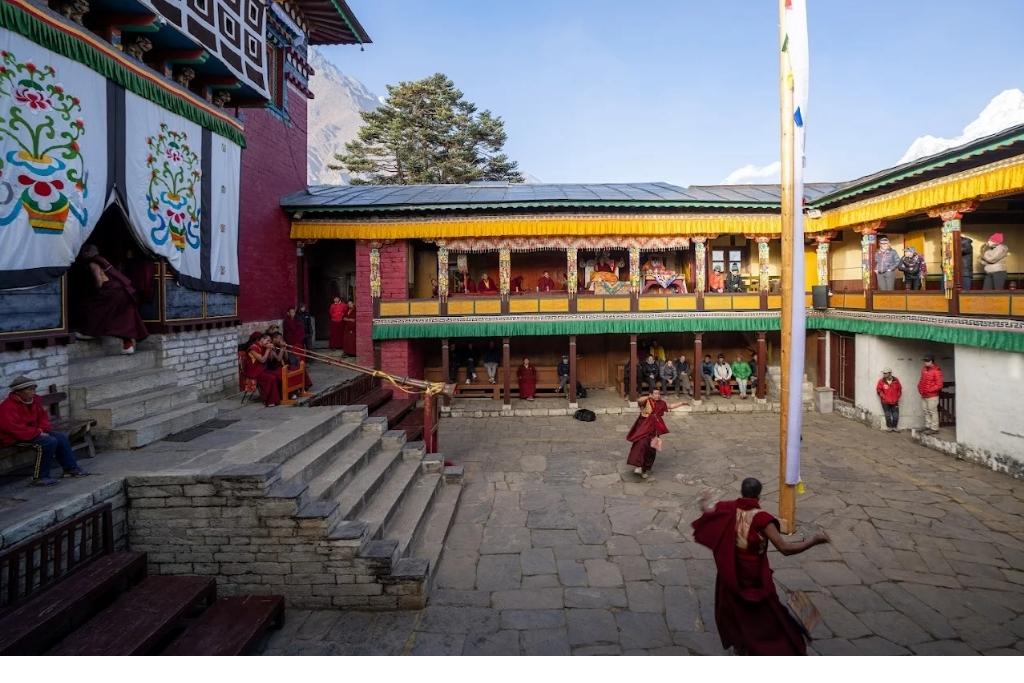
- Early mornings and rituals: The day starts before dawn with chanting and meditation, filling the crisp mountain air with rhythmic prayers that echo through the Monastery's halls. This quiet start helps monks center themselves for the day ahead.
- Study and teachings: After morning prayers, the monks quietly move into study. They spend hours reading worn scriptures, discussing Buddhist ideas, or just sitting in thoughtful silence. It's not rushed—it's simply part of their day. And over time, that calm rhythm doesn't just teach them; it slowly shapes who they're becoming.
- Community and hospitality: Even with their daily routines, the monks at Tengboche are surprisingly warm. They don't say much, but there's a quiet kindness in the way they smile or nod as you pass. Sometimes, if you're lucky, they'll offer a blessing or motion for you to sit in during prayers—it's simple, honest, and feels like something you'll remember long after the trek.
- Preserving culture: Through daily chants, rituals, and festivals like the Mani Rimdu Festival at Tengboche, monks actively preserve the rich Sherpa Buddhist heritage. Their life here is as much about sustaining culture as it is about personal enlightenment.
- Simple living: Away from distractions, monks live modestly, focusing on mindfulness and compassion in every action, embodying the calm and spiritual depth that makes Tengboche Monastery a truly special place.
Best Time to Visit Tengboche Monastery
Choosing the right time to visit Tengboche Monastery can truly enhance your experience, letting you soak in both the breathtaking views and the spiritual atmosphere at its fullest.
- Spring (March to May): This season paints the Khumbu region (Khumbu Glacier) with vibrant rhododendron blooms and offers mild, pleasant weather. The skies are usually clear, making the towering Himalayan peaks, such as Everest and Ama Dablam, shine in all their glory. Spring is perfect if you want to enjoy nature's colors along with peaceful monastery visits.
- Autumn (September to November): Autumn is the most popular trekking season, and for good reason. The air is crisp and clear, giving spectacular mountain vistas. It's also when the famous Mani Rimdu Festival at Tengboche takes place, a unique chance to witness colorful rituals and celebrations at the Monastery. If you're up for combining trekking with rich cultural experiences, autumn is ideal.
- Winter (December to February): Winters bring cold temperatures and snow, which can limit accessibility and comfort. Many lodges in Tengboche village close during this time. However, if you're seeking solitude and don't mind the chill, winter offers a quiet, serene experience with fewer visitors.
- Monsoon (June to August): Heavy rains often make trekking trails slippery and less safe to traverse. Clouds and mist can obscure the views, so it's generally not recommended to visit during the monsoon season.
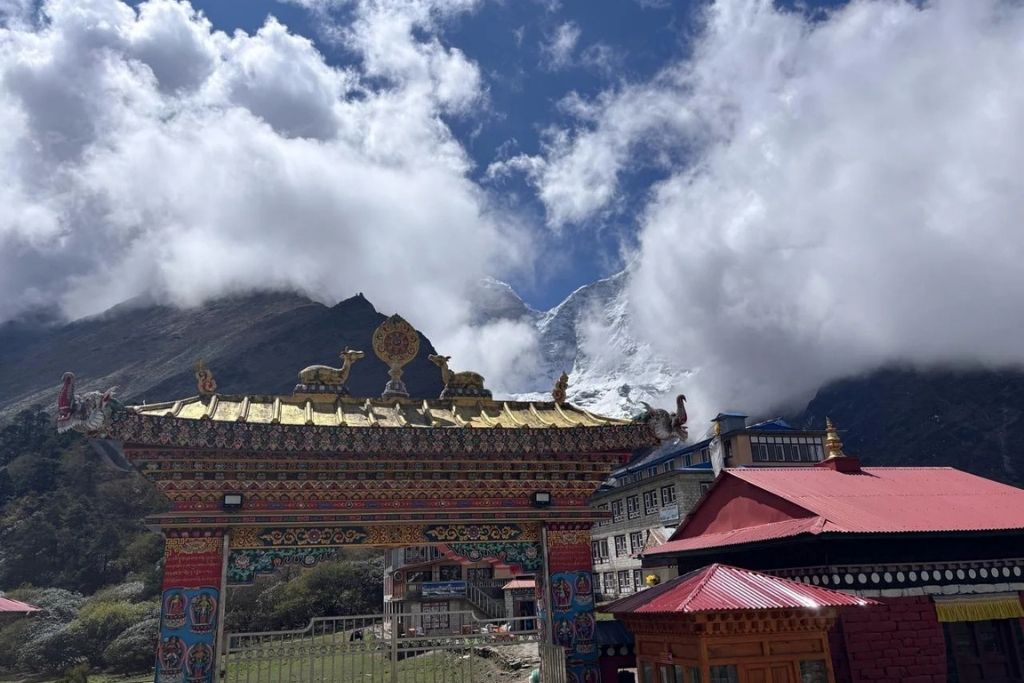
In short, Spring and autumn stand out as the best times to visit Tengboche Monastery. These seasons offer the perfect blend of weather, scenery, and cultural events that make your visit unforgettable.
If you are wondering about the best time to visit Nepal, read our blog "Best time to visit Nepal ".
Accommodation Options for Trekkers Tengboche
When trekking along the Everest Base Camp route, spending a night near Tengboche Monastery offers more than rest—it's an opportunity to soak in the peaceful mountain vibe and prepare for the days ahead. Although Tengboche village is small, it warmly welcomes trekkers with cozy lodging options that range from basic to comfortable.
- Lodges and Tea Houses: Most accommodations here are family-run lodges and tea houses that provide simple rooms with clean beds and hearty meals. They offer a warm refuge after a day on the trail, often with stunning views of the surrounding peaks.
- Monastery Guesthouses: Some monks at Tengboche Monastery run guesthouses offering quiet, modest rooms close to the gompa. Staying here can be a more immersive experience, with the Monastery's calm energy surrounding you.
- Facilities: While basic, these places often include shared bathrooms and common areas where trekkers gather, share stories, and enjoy local food like momos and dal bhat. Hot showers may be limited, but are usually available.
- Booking Tips: During peak seasons—Spring, autumn, and especially during the Mani Rimdu Festival in Tengboche—it's wise to book accommodation in advance. The demand can fill up quickly, but the friendly hospitality you'll receive makes it worthwhile.
- Local warmth: Beyond just a place to sleep, staying in Tengboche village means connecting with Sherpa culture, hearing stories from locals, and experiencing the slower, thoughtful pace of life high in the Himalayas.
No matter where you stay, a night near Tengboche Monastery offers a chance to rest your body and feed your soul before continuing your incredible trek.
Altitude Acclimatization Tips for Trekkers
Make Tengboche Monastery work for your altitude adjustment.
- Stay at least one night
- Drink lots of water
- Avoid alcohol
- Take a short hike above the village, then return
Final Thoughts
Visiting Tengboche Monastery is much more than ticking off a stop on the Everest Base Camp route. It's stepping into a space where the spirit of the Himalayas comes alive—surrounded by towering peaks and the gentle chants of monks. Monastery invites you to pause and breathe. It reflects on your journey, both inward and outward.
At Tengboche Monastery, time feels like it slows down, giving you moments of peace and clarity that stay with you long after you've moved on. Whether you're here for the beautiful views, the rich culture, or the deep spiritual calm. Tengboche Monastery leaves a lasting impression on your heart. So when you're trekking through this amazing region, don't just pass by—take the time to soak in the quiet magic of Tengboche truly. Walk with respect for the people and traditions that make it so special.
Ready to find peace and beauty at Tengboche Monastery? Start your Everest trek adventure now with Boundless Adventure!
FAQ's
What makes Tengboche Monastery on the Everest Base Camp trek?
Tengboche Monastery is special because it offers trekkers a rare chance to connect deeply with Sherpa culture and Tibetan Buddhism while surrounded by some of the highest peaks on Earth. Its spiritual atmosphere, combined with a breathtaking view, creates a memorable pause on the journey. Many say the calm and chanting here leave a lasting impression beyond the physical trek.
How do I reach Tengboche Monastery on the trek?
The Tengboche Monastery trek is typically reached after a two-day hike from Namche Bazaar along well-marked trails. The path climbs steadily through rhododendron forests and suspension bridges, providing spectacular views. It's a manageable but rewarding segment of the Everest Base Camp route.
Can visitors attend religious ceremonies at Tengboche Monastery?
Absolutely! If you visit Tengboche Monastery, you can quietly watch the daily prayers and ceremonies. It's a beautiful opportunity to see up close how the monks live their spiritual lives. Just remember to be respectful, keep the noise down, and follow the customs while you're inside.
When is the best time to visit Tengboche Monastery?
The best time to visit Tengboche Monastery is during the Spring (March to May) or autumn (September to November) seasons when the weather is clear and pleasant. Autumn is especially popular due to the Mani Rimdu Festival, a colorful religious celebration. These seasons offer the clearest mountain views and comfortable trekking conditions.
What is the significance of the Mani Rimdu Festival at Tengboche Monastery?
The Mani Rimdu Festival at Tengboche Monastery is a sacred 19-day celebration featuring masked dances and rituals symbolizing the victory of good over evil. It draws pilgrims and trekkers alike, creating a vibrant cultural atmosphere. Witnessing it respectfully offers a deep insight into Himalayan Buddhist traditions.
Are there accommodations near Tengboche Monastery?
Yes, Tengboche village offers several basic lodges and tea houses where trekkers can rest before continuing higher. Some guesthouses are even run by the Monastery, providing peaceful stays close to the spiritual heart of the area. Booking ahead during peak seasons or festivals is recommended.
How does Tengboche Monastery help with altitude acclimatization?
Spending a night at Tengboche Monastery is an excellent way to help your body adjust to the high altitude. At 3,867 meters, it offers a crucial rest point for trekkers before ascending further. Taking it slow here reduces the risk of altitude sickness and prepares you for the tougher climbs ahead.