


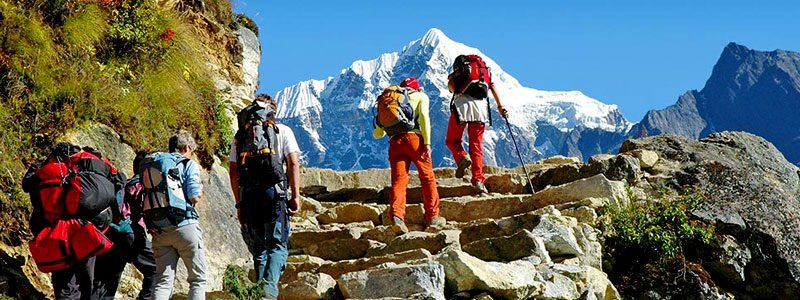
In fact, for those who seek freedom and personal growth, a solo Everest Base Camp Trek (17,598 ft) is more than an adventure; it's a lifetime experience. The beauty of a solo trekking option lies in setting one's own pace and route, allowing one to take in the Himalayan surroundings fully. In that case, you may consider hiking to Everest Base Camp without a guide, resting, shooting photos, or doing other variations, depending on your needs. This is way more encouraging because, for someone who also keeps expenses in mind, the cost of a solo Everest Base Camp trek would be way too low, since you wouldn't pay for guides and porters.
Along the way, you meet other trekkers, make friends, and share tales of adventure while keeping to yourself on the trail. Solo trekking lets you rise to the challenge on your terms and test your limits for a deep sense of accomplishment.
A trek to Everest Base Camp is a challenging yet rewarding adventure. Unlike the Annapurna Base Camp Trek, the Everest trek reaches an altitude of 5,364 meters, which increases the risk of altitude sickness. It also involves more rugged, steeper terrain. However, going solo allows you to discover the world at your own pace and learn more about yourself.
Ready for an adventure of a lifetime? Plan your solo trek to Everest Base Camp and experience the thrill of conquering the Himalayas in the Everest Region on your terms!
Is Solo Trekking Allowed in Nepal?
The Government of Nepal banned solo trekking by foreign nationals, effective April 1, 2023. Under the newly promulgated law, trekkers must hire a licensed guide through an authorized agency. The move was made mainly for the safety and security of trekkers due to increasing accidents, health issues, and some trekkers getting lost on trails in remote regions. Consequently, this new rule will apply to popular routes such as Everest Base Camp, the Annapurna Circuit, and the Langtang Valley.
The National Tourism Board also pointed out that the need for guides will help the authorities overcome several challenges, including those related to rescue operations, and offer a more sustainable form of tourism. Trekkers also need to obtain a TIMS card to record hikers for their safety. This move extends an earlier ban on solo climbing on Mt. Everest to encompass all of Nepal—a sweeping change in trekking rules that makes trekking safer and better organized for tourists.
Suppose you're considering the Everest Base Camp trek on your own. In that case, you must know these regulations and the benefits of having a guide to ensure a safer, more enjoyable experience.
Recommended Read: Where is Mount Everest Located?
Why Trek to Everest Base Camp on Your Own is an Appealing Idea
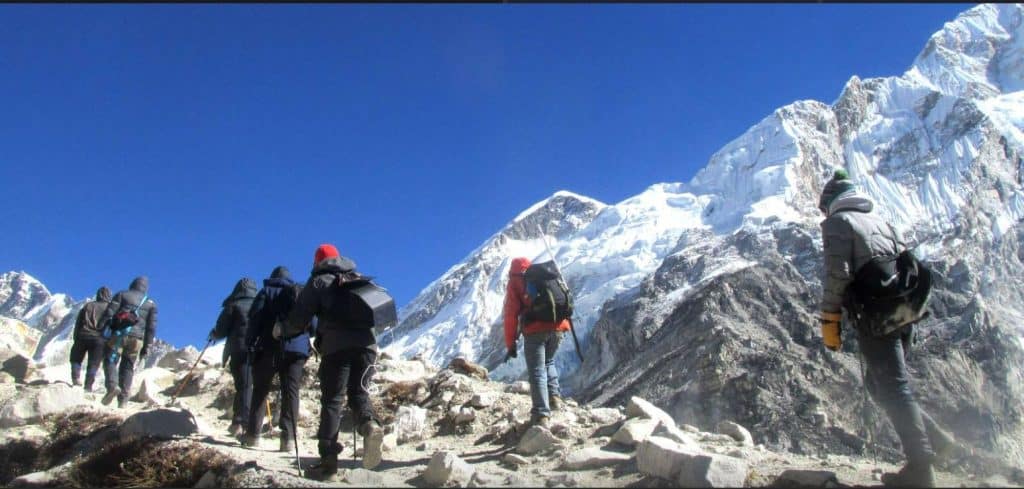
The Freedom of Solo Trekking: Set Your Own Pace and Itinerary
The major appeal of trekking to Everest Base Camp independently is arguably the freedom it offers. You can walk at your pace, rest when you want, stop as many times as you feel, and take in the views around you without being bound to a tight group schedule. It's your adventure, and you have complete control over the journey.
Personal Growth and the Challenge of a Lifetime
The self-guided Everest Base Camp hike challenge may be an excellent or overwhelming challenge to all who attempt it, both physically and mentally gratifying. Time for solitude enables one to connect with oneself, test one's limits, and grow in confidence while conquering one of the world's most iconic treks.
Budget-Friendly Option: How Going Solo Can Save You Money
Another major plus of solo trekking is the cost involved. Since there would be no requirement for a guide or porter, solo trekking to Everest Base Camp can be much cheaper. All you would need to cater for is your food, accommodation, and permits, which makes it more affordable to see this once-in-a-lifetime trek.
Flexibility to Immerse Yourself in the Journey
If you go alone, you can take all the time you wish on the trails. If you want to spend an extra day in one of the villages or detour to enjoy a secret viewpoint, you are at liberty to do so. This flexibility in planning allows for a more personal and fulfilling trekking experience, enabling you better to appreciate the region's beautiful scenery and cultural richness.
What You Need to Know Before Attempting a Solo Trek?
Physical Fitness Requirements
After all, trekking to Everest Base Camp is no small feat; it would be very challenging to do solo.
Cardiovascular Exercise Training: Engage in an exercise routine, such as jogging, cycling, or swimming, to increase stamina for long days of hiking. Four to five times a week, at least 30 minutes of cardio can enhance cardiovascular health.
Strength Training: Incorporate strength training into your routine to develop leg and core muscles, which are essential for steep ascents and descents. Focus on squats, lunges, and planks, as these exercises help build the strength required for trekking.
Hiking Practice: Start with shorter hikes in your area and become accustomed to walking on the trails. Gradually increase the length and elevation to simulate the conditions you'll find on the trek so you can manage longer treks without getting tired.
Acclimatization to Altitude: Acclimatization is crucial when tackling the Everest Base Camp Trek elevation of 5,364 meters. Your body needs time to adjust to lower oxygen levels at high altitudes to prevent altitude sickness. Spending extra days at critical points like Namche Bazaar (3,440m) or Dingboche (4,410m) helps your body adapt.
Understanding the Best Time of Year for Your Trek
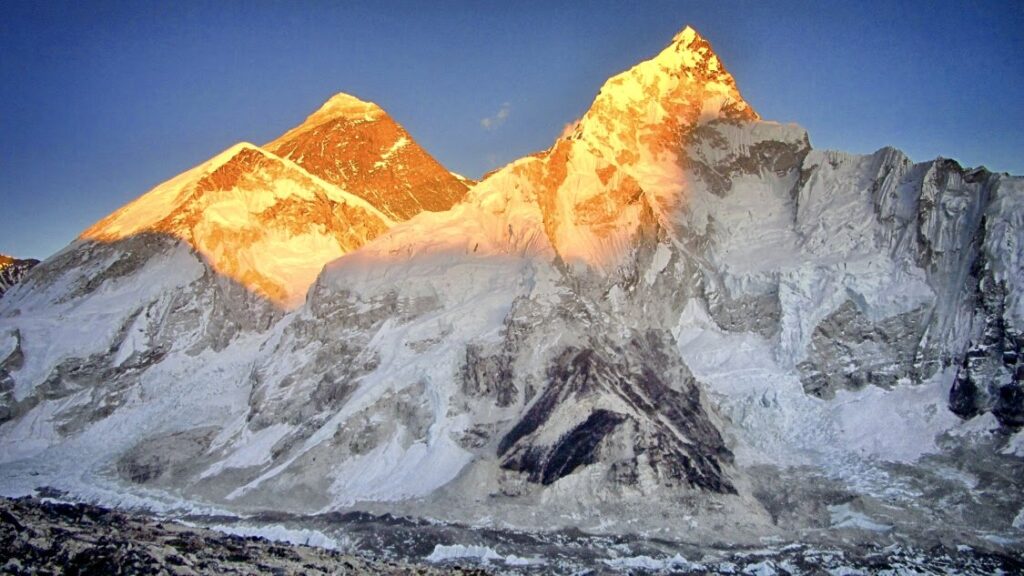
The best times for trekking to Everest Base Camp are Spring (March to May) and autumn (September to November). The weather is warmer in Spring, with blooming rhododendrons and clear skies, making it ideal for stunning views. In autumn, the temperatures are more relaxed, and the skies are often crystal clear, providing excellent visibility of the majestic mountains.
Pre-Monsoon (March to May): This is one of the most popular times to trek to Everest Base Camp. The weather is generally mild, and the clear skies offer stunning views of the Himalayan peaks. During Spring, rhododendrons bloom along the trail, creating a colorful backdrop for your trek.
Post-Monsoon (September to November): The weather is steady throughout, and visibility is clear, making it suitable for trekking. It is usually calm but pleasant. The air is crisper, so long treks will be much more comfortable then. Moreover, it is less crowded than the Spring season.
Check out this Guide: Everest Base Camp Trek in November.
Winter (December to February): Although it is gratifying because of fewer crowds, winter trekking entails harsh conditions. The freezing temperatures and snow-laden pathways make the trek more exhausting, while the hike to Everest Base Camp is longer than it feels.
Check out this Guide: Everest Base Camp Trek in December.
Monsoon (June to August): Due to heavy rainfall, pathways become slippery and muddy, making them difficult to walk on. Though fewer trekkers are on the trail, clouds often obscure the views, and landslides and slippery paths are always a threat. Heavy rainfall makes the trails slippery and muddy; therefore, this season is not recommended for inexperienced hikers attempting to reach Everest Base Camp independently.
Recommended Read: How Cold is Mount Everest
Necessary Permits and Paperwork
TIMS Card: The Trekkers' Information Management System records people's safety on trekking routes. It is available at the Nepal Tourism Board office in Kathmandu and the TAAN office. Solo trekkers and those with guides must register an account for their trek in an emergency.
Sagarmatha National Park Entry Permit: Since Everest Base Camp lies within Sagarmatha National Park, this permit is required. It will permit you to enter the park's conservation areas and trekking routes. You get it in Kathmandu and at the park's entrance in Monjo. Keep this with you along the way since there are checkpoints.
Local Government Permit (Khumbu Pasang Lhamu Rural Municipality Permit): In addition to the national park permit, solo trekkers need a local government permit for trekking in the Khumbu Region. This permit can be taken from Lukla or Monjo and is considered vital for every hiker passing through the area, including those planning to hike to Everest Base Camp without a guide.
Passport and Visa: Ensure your passport is valid for at least 6 months beyond your travel dates, and arrange a visa upon arrival. You can get a tourist visa at Tribhuvan International Airport, Kathmandu. When you ask for the best season, choose from the options based on how long you will be trekking.
What Gear and Supplies You'll Need for a Solo Trek
- Trekking boots
- Clothing layers (base, mid, waterproof jacket)
- Hike to Everest Base Camp map
- Sleeping bag (four-season)
- First aid kit and medicines
- Trekking poles
- Portable charger (or solar-powered charger)
- Thermal socks, gloves, and a hat
- Backpack
- Water bottle or hydration system
- Sunglasses and sunscreen
- Headlamp with extra batteries
- Snacks and energy bars
How Much Does It Cost to Trek to Everest Base Camp Solo?
Lukla Flights: Your Very First Big Expense
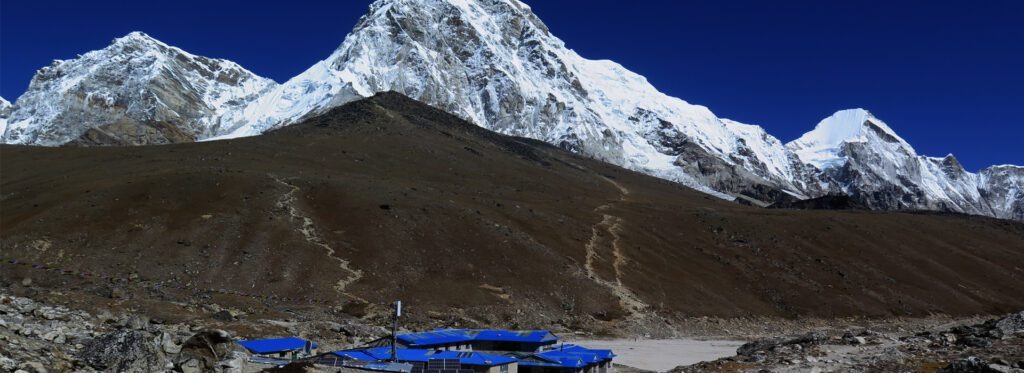
One of the first expenses for the Everest Base Camp will be a flight to Lukla, where it starts. A solo trekker can expect to pay between $216 and $225 one way from Kathmandu to Lukla. Approaching Lukla Airport from the air is an exciting experience with breathtaking views.
Accommodation Costs Along the Trek
Trekkers typically stay in teahouses. Prices range from $ 10 to $ 20 per night, depending on the location and altitude. The higher you go, the more expensive it gets. If you're trekking in peak season, you can expect to pay on the high side of the estimate.
Food and Water Expenses
Food prices also go up with altitude along the trail. Most meals of average quality can cost around $10 to $12, but you may be charged $15 or more as you climb. Water is not cheap either; one bottle can cost as little as $1 at the beginning of your hike but can reach $3 or more at higher elevations. Some trekkers prefer to bring in water purification tablets to save money.
Trekking Permit: TIMS, Sagarmatha National Park, and Local Permits
Other basic costs for trekkers visiting Everest Base Camp without hiring a guide are permit fees. The TIMS card costs around $20 for a solo trekker, and the Sagarmatha National Park entrance fee is $35. Then, there is a $20 local government permit for Khumbu.
Gear and Equipment Costs
Gear and equipment are critical to a successful and comfortable journey when preparing for the Everest Base Camp trek. Without trekking gear, add an extra $1,000 to $2,000 for items like boots, clothes, a map for the Everest Base Camp hike, and a suitable sleeping bag. Gear can be rented or bought in Kathmandu; however, prices vary greatly depending on quality. Renting items might range from $50 to $100, whereas buying everything can cost hundreds of dollars.
Total Estimated Everest Base Camp Trek Solo Cost
This means that, in total, you may pay between $ 1,400 and $1,500 for your solo trek, depending on your choices regarding accommodation, food, and gear. Including flights, permits, and daily expenses, solo trekking can be less costly than guided treks, but you must plan your budget carefully. However, you may contact us by WhatsApp at +977 9851033819 or by email for price and service details.
Hiring Guides and Porters for Your Everest Base Camp Trek
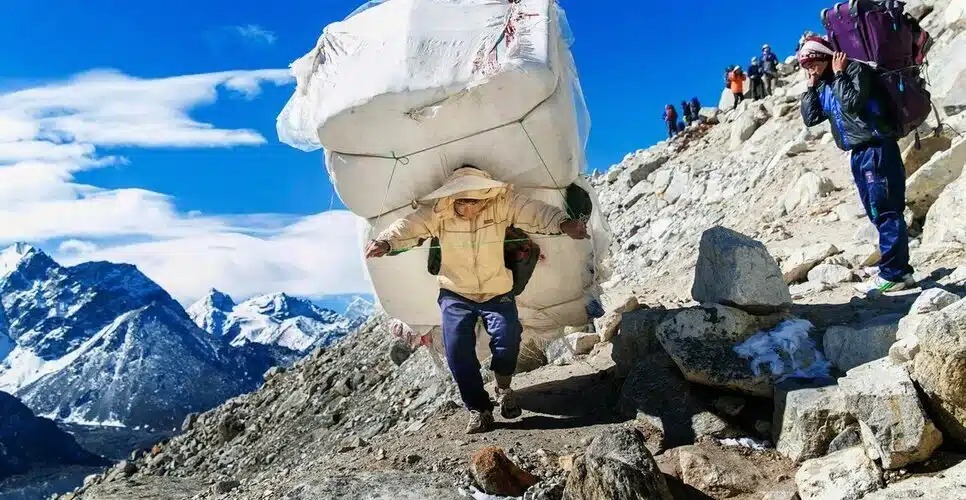
Most trekkers must decide whether to go alone or hire assistance on a trek to Everest Base Camp. While it might be possible to trek to Everest Base Camp alone, hiring a guide and a porter can greatly enhance your experience, making it more enjoyable and safer. Their local knowledge and support help you navigate the trek's challenges while enriching your adventure with insights into the culture and environment.
A knowledgeable guide knows the terrain, weather patterns, and any challenges that may arise en route. They might even be able to share exciting stories and insights with you about local customs and traditions, as well as a little bit about the region's history, to help you feel more connected to the culture. Besides, trekking at high altitudes has potential risks, such as altitude sickness.
Carrying a heavy backpack is exhausting, especially over long distances on difficult terrain. A porter allows you to lighten your baggage and enjoy the trek. You walk a little bit more slowly. Hence, you want the dramatic mountain views without fatigue. A porter can help carry some of the equipment one might need, such as camping gear, food, and clothes changes.
Tips for a Safe Solo Trek
Trekking solo to Everest Base Camp can be thrilling, but it's essential to consider safety, especially given the difficulty of the Everest Base Camp trek. Here are some tips for a safe solo trek:
- Trail the hike to Everest Base Camp map for straightforward navigation and track villages with rest points.
- Hike early in the morning to make the most of daylight, and pace yourself throughout the event to avoid exhaustion.
- Take an essential acclimatization day in towns like Namche Bazaar or Dingboche to prevent altitude sickness.
- Stay hydrated by drinking plenty of water; bring water purification tablets and keep energy-rich meals on hand.
- Let someone at your accommodation know your plan and approximate time of return for safety's sake.
- Be prepared for sudden weather changes. Know the forecast and bring an extra layer of clothes.
- Always follow the main trails, as this minimizes the risk of getting lost or being in unsafe situations.
- Bring enough cash for the duration of the trek because there are no ATMs beyond Namche Bazaar.
To make the trek more manageable, consider options like the Everest Base Camp Trek with Helicopter Return, which allows trekkers to enjoy the experience without the strenuous return journey.
Final Thoughts: Is Trekking to Everest Base Camp Solo Right for You?
Trekking independently to Everest Base Camp allows one to explore at one's own pace. At any moment, one can stop and enjoy the views without being distracted by others. However, most people underestimate the difficulty of the hike to Everest Base Camp, and it requires careful attention, since navigation and safety become a personal responsibility.
The risk of altitude sickness and changing weather is real, and one thus needs to be prepared. Despite such challenges, reaching Everest Base Camp solo is an achievement. It will be a proud journey of memories one would want to cherish.
For those who prefer a more structured approach, Boundless Adventure offers exceptional services tailored to your needs. Our expert guides bring extensive regional knowledge, ensuring a safe and enriching experience. With customized itineraries designed to fit your fitness level and personal preferences, you can trek with peace of mind, knowing you have comprehensive support at every step.
FAQs on Can You Trek to Everest Base Camp on Your Own
Can you trek to Everest Base Camp without a guide?
It is possible to trek to Everest Base Camp without a guide. The trail has decent signage; many trekkers make the trek independently each year. But without a guide, you must handle everything from navigation issues to safety concerns. You are expected to be well prepared, with the correct gear, and understand the risks of trekking at high altitudes.
How long can you trek to Everest Base Camp on your own?
It takes about 12 to 14 days of walking at an average pace to reach Camp Base, as one has to walk more slowly and allow time for acclimatization. This includes returning from base camp, with a few days of rest on the way up to acclimatize to the altitude. If you are trekking independently, you can alter your schedule if your fitness or comfort demands it.
Can a beginner trek to Everest Base Camp?
Yes, it is possible for any absolute beginner to trek to Everest Base Camp, but it would require good preparation and decent physical fitness. No technical climbing skills are required, though the long walking days with high altitudes can be challenging for beginners. Beginners need to train up in advance, focusing on endurance and strength, and take all the time required to acclimate during the trek.
How difficult is the trek to Everest Base Camp?
The trek to Everest Base Camp is moderately demanding. Though the terrain is not very technical, it is pretty demanding, especially on long walking days at high altitudes and with steep ascents. The most challenging issue on the trek is altitude sickness, since it goes over 5,000 meters. Proper acclimatization and fitness can be essential for making the trek more doable.
Is trekking to Everest Base Camp safe?
The Everest Base Camp Trek is generally safe if one remains vigilant about safety. The well-worn trail initially leads through teahouses and then villages. Never forget that altitude sickness can be a problem, so pace yourself, drink plenty of water, and take rest stops as needed. Solo trekkers need to stay updated on weather changes and trail conditions.