


Are you dreaming of majestic mountains, serene trails, and vibrant cultures? Trekking in Nepal offers all this and more. But this dream can easily become too much to handle without the right direction.
If you’ve ever dreamed of standing at the base of towering Himalayan peaks, trekking through remote villages, and immersing yourself in one of the most stunning natural and cultural landscapes on Earth, then hiking in Nepal should be at the top of your travel bucket list. But let’s be honest, planning a trek here can feel overwhelming. There are numerous trekking routes, various permits to obtain, questions about the best time to visit, and considerations about the gear you need to bring. It’s easy to get lost in all the details and feel unsure about where to even start.
You might be wondering: What’s the safest way to trek? How hard are the trails? Which routes are beginner-friendly? And how much will it really cost? These questions are common and valid — hiking in the Himalayas is a big adventure, and you want to be fully prepared to enjoy it without unnecessary stress.
That’s why this ultimate guide exists. I’ve gathered everything you need to confidently plan your journey — from the best time to trek in Nepal and essential permits to packing lists, safety tips, and recommendations for both beginners and seasoned trekkers. Whether you have a few days or a few weeks, whether you want to trek on a budget or with a guide, this guide will walk you through every step. By the end, you’ll feel ready to take on the trails and create memories that will last a lifetime.
Many travelers pass through Mustang without realizing the incredible history hidden within the walls of the oldest monastery in Mustang. Don’t make that mistake! You might miss out on one of Nepal’s most fascinating Buddhist treasures.
In this blog, you will find the beauty, history, and the spiritual meaning of the Jampa Lhakang temple which is also called, Jampa monastery in Nepal. We will also look into the reasons why it is special even among the ancient monasteries in Mustang.
Ready to walk the spiritual path through Upper Mustang? Contact Boundless Adventure to include Jampa Lhakang Monastery in your next Himalayan journey. For more, Explore Top Trekking Routes In Nepal Himalayas!
Discover the History and Significance of the Jampa Lhakang Monastery in Lo Manthang
We will go back to the center of the 15 th century. It is then that the magnificent Jampa Lhakang Monastery came to being. It is an ancient religious building of Upper Mustang region. This is a Buddhist monastery built in Lo Manthang to keep the teachings of Lord Buddha and safelike the spiritual roots of the kingdom.
Key highlights:
- The Jampa Lhakang temple is called the “Monastery of Maitreya Buddha,” often referred to by locals as the Jampa Buddha—symbolizing the future Buddha of compassion and peace.
- It features massive clay statues and vibrant ancient wall paintings.
- The murals show Buddhist legends and scenes from the life of Buddha.
This Lo Manthang Monastery is more than just a building—it’s a time capsule. One of the ancient monasteries of Mustang, the Jampa Monastery Nepal, holds profound importance in local culture and history. Today, it is proudly regarded as the oldest monastery in Mustang, and its walls still whisper stories from centuries ago.
Many travelers pass through Mustang without realizing the incredible history hidden within the walls of this old monastery, which remains one of Nepal’s most revered Buddhist sites.
Spiritual Significance: Why Jampa Lhakang is the Heart of Lo Manthang
There’s something deeply peaceful about standing inside the Jampa Lhakang Monastery. Locals say it’s the heartbeat of the entire Lo Manthang Monastery complex. Why? The Jampa Lhakang temple is believed to be spiritually connected to the past, present, and future.
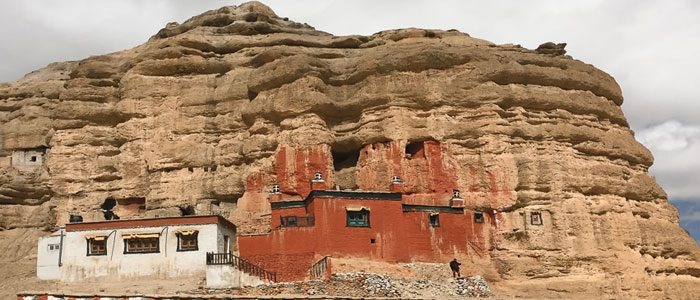
Why it’s spiritually powerful:
- It’s dedicated to Maitreya, the Buddha of the Future.
- People from Mustang visit the Jampa Monastery Nepal to pray for peace and happiness.
- The monastery hosts ancient rituals that are still practiced today.
Among the many ancient monasteries of Mustang, the Jampa Lhakang Monastery stands out because it brings the community together. Even kids and teenagers in the area know the prayers by heart. Being the oldest monastery in Mustang, it continues to be a place of wisdom, prayer, and peace for everyone.
Also, learn about the Lhowa Language of Upper Mustang
Architecture and Art: A Living Museum of Buddhist Masterpieces
If you love art and history, you’ll be amazed by what’s inside the Jampa Lhakang Monastery. This Buddhist monastery in Lo Manthang is home to some of the Himalayas’ most unique and ancient art.
If you’re drawn to visual storytelling, don’t miss Jampa’s Spirit of Tibet photos—a rare collection capturing the monastery’s artistic soul. These photos showcase the intricate murals, statues, and spiritual ambiance that define Jampa Lhakang’s Tibetan heritage.
What makes it special:
- It has hundreds of square meters of mural paintings from the 15th century.
- The Jampa Lhakang temple features three-story-high statues of Buddha.
- The paintings tell visual stories from ancient Buddhist texts.
The monastery’s architecture also reflects traditional Tibetan style. With its red walls, flat roof, and prayer wheels lining the entrance, the Lo Manthang Monastery looks like it’s been frozen in time as one of Mustang’s most treasured ancient monasteries, the Jampa Monastery Nepal feels like a museum—only better because it’s still alive with chanting monks and daily rituals.
Recommended Read: Exploring the Ancient Mustang Caves: Nepal’s Hidden Treasures
Access and Permits: How to Reach Jampa Lhakang Monastery in Lo Manthang
It is necessary to visit the beautiful Jampa Lhakang Monastery, choosing the proper time. Lo Manthang weather is rather tricky and seasons play an important role in defining how fine you will enjoy paying a visit to this 10th century Buddhist monastery, which Lo Manthang is so much in love with.
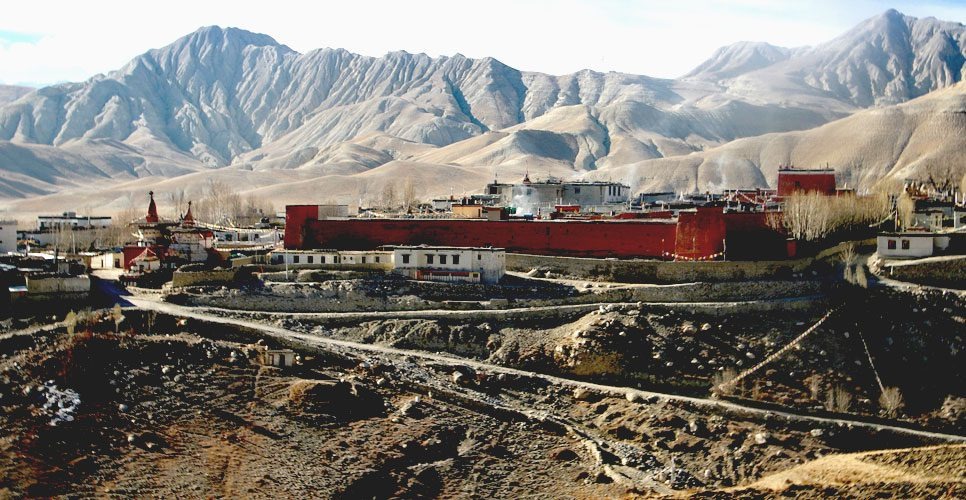
Here’s what you’ll need:
- Restricted Area Permit (RAP): A must for all foreigners entering Upper Mustang.
- Annapurna Conservation Area Permit (ACAP): Lo Manthang lies within the Annapurna region. For Cost of permits, click here.
- Travel must be arranged through a registered trekking agency in Nepal.
- Independent trekking is not allowed—you must have a guide.
Most people fly from Pokhara to Jomsom to get to Jampa Lhakang Temple, then trek or drive up to Lo Manthang Monastery through the stunning Kali Gandaki Valley.
This route is not just about paperwork—it’s part of the adventure. When you finally arrive at the gates of Jampa Monastery Nepal, the ancient silence and spiritual presence make it all worth it. The journey is as sacred as the destination in the world of ancient monasteries of Mustang.
Best Time to Visit Jampa Lhakang Monastery: Seasons and Weather
Proper timing of the visit also means that you get to enjoy the serenity, tradition, and the ancient power of the Lo Manthang Monastery without experiencing any stress associated with weather conditions. Think beforehand and the spiritual power of Jampa Lhakang Monastery will not leave you ever.
Best seasons to visit:
- Spring (March to May): Clear skies, mild weather, and blooming landscapes. A great time to explore the Jampa Lhakang Temple and take in the mountain views.
- Autumn (September to November): Perfect weather conditions and festival celebrations such as Tiji that welcome the good over evil, an event you can also observe in front of Jampa Monastery, Nepal.
Avoid these seasons:
- Monsoon (June to August): Heavy rain makes trails slippery and risky.
- Winter (December to February): Freezing temperatures and snowfall can block access to the oldest monastery in Mustang.
An appropriate time of the visit will guarantee you the experience of a calm, religious, and archaic atmosphere of the Lo Manthang Monastery with the absence of weather-dependent anxiety. Be smart, and a spiritual power of Jampa Lhakang Monastery will stick with you until the end.
Cultural Etiquette: Respecting the Sacred at Buddhist Monastery Lo Manthang
A trip to a holy shrine such as the Jampa Lhakang Monastery is not only about a sight seeing but it is also about experiencing several centuries of tradition. this is a lo manthang monastery and it is highly spiritual and respect during your stay in the monastery.
Here’s how to be a respectful visitor:
- Dress modestly: Cover your shoulders and knees. This is a spiritual place.
- Remove your shoes before entering the Jampa Lhakang Temple.
- Keep your voice low inside the monastery. Silence honors the monks and the prayers happening around you.
- Don’t touch sacred objects or murals. Some are hundreds of years old and belong to the ancient monasteries of Mustang.
- Ask before taking photos, especially of monks or inside areas with murals. Some spaces don’t allow photography at all.
- Walk clockwise around the prayer wheels and stupas. It’s a sign of reverence.
These small steps show you care about the local culture and beliefs. The people of Lo Manthang Monastery are warm and welcoming, and following their traditions lets you truly feel the spirit of the Jampa Monastery Nepal, one of the oldest monasteries in Mustang.
Recommended Read: Muktinath Mustang Nepal: Explore Spiritual & Scenic Beauty
Summing Up
The trip to Jampa Lhakang monastery of Lo Manthang is an experience to time, culture and spirituality. This Buddhist monastery, Lo Manthang, will give you a special peek into the soul of the oldest monastery in Mustang due to its historical walls and the peaceful meditation environment.
It may be an adventure to climb the beautiful trails of the Upper Mustang region, or find a quiet spiritual retreat; wherever the thought of going on a spiritual journey, Jampa Monastery Nepal can be a place of veneration and calm. It is more than a monument but it is a live thing and part of the rich cultural heritage of Nepal. Plan your visit wisely, respecting the traditions and sanctity of the space.
Start on a journey of spiritual discovery and natural beauty with Boundless Adventure. Walk the same paths that monks and trekkers have walked for centuries, and let the magic of Jampa Lhakang Monastery unfold before you.
Recommendation Read: Everything About Nepal Mustang Valley: A Hidden Paradise in the Himalayas
FAQ’s
What is Jampa Lhakang Monastery?
Jampa Lhakang Monastery is an ancient Tibetan Buddhist temple located in Lo Manthang, Upper Mustang, Nepal. It is also known as the Maitreya Temple which is one of the oldest and most sacred places in the region. Built in the 15th century, this monastery feels like a living piece of history. The atmosphere is peaceful and deeply spiritual, making it a meaningful stop for anyone exploring Mustang.
Why is Jampa Lhakang Monastery significant?
There’s something truly special about this monastery. It holds a towering two-story statue of Jampa Buddha (Maitreya) and stunning wall paintings that tell ancient Buddhist stories. In fact, the monastery is believed to have the largest collection of painted mandalas in Nepal. Despite damage from the 2015 earthquake, the murals still hold incredible detail and are slowly being restored. It’s more than just a religious site, it is a symbol of Mustang’s identity.
How do I get to Jampa Lhakang Monastery?
To visit the monastery, travelers must:
- Obtain a Restricted Area Permit (RAP) for Upper Mustang.
- Secure an Annapurna Conservation Area Permit (ACAP).
- Travel with a registered Nepali trekking agency.
- Be accompanied by a licensed trekking guide. Most visitors fly from Pokhara to Jomsom and then either trek or drive through the Kali Gandaki Valley to reach Lo Manthang, where the monastery is located.
When is the best time to visit Jampa Lhakang Monastery?
The best time to visit is spring (March–May) and autumn (September–November) when the weather is suitable for trekking.
Spring (March–May): Mild temperatures, clear skies, and blooming landscapes.
Autumn (September–November): Stable weather and the famous Tiji Festival, celebrated near the monastery. Avoid visiting during the monsoon (June–August) due to slippery trails and in winter (December–February) due to snow and cold conditions.
Can I take photos inside the monastery?
Photography rules vary inside Jampa Lhakang. You should always ask for permission before taking photos, especially of monks or sacred wall murals. Some areas prohibit photography altogether to preserve ancient artwork and respect religious practices.
Is there an entrance fee for visiting Jampa Lhakang Monastery?
No, there’s no separate entrance fee to the monastery. However, you do need the special permits (RAP and ACAP) to enter Upper Mustang and Lo Manthang. These are usually arranged by your trekking agency.
What should I wear when visiting Jampa Lhakang Monastery?
Visitors should dress respectfully by:
- Covering shoulders and knees.
- Removing shoes before entering the temple.
Avoiding flashy or revealing clothing. Following cultural dress codes shows respect for the local traditions and sacred space.
How long does it take to visit Jampa Lhakang Monastery?
Most of travelers spends around 1–3 hours exploring the monastery, depending on interest and how long they take to view the murals, statues, and participate in rituals. If you’re on a longer Upper Mustang trek, it’s often included as part of your Lo Manthang stop.
Is it safe to visit Jampa Lhakang Monastery?
Yes, it’s safe for travelers, but keep in mind:
The monastery is in a remote high-altitude region.
Permits and a guide are mandatory.
Be prepared for changing weather and limited medical access. Trekking in Upper Mustang is well-established and safe with proper planning.
What makes Jampa Lhakang Monastery unique?
Jampa Lhakang stands out for its:
- Historic murals and architecture from the 15th century.
- The sacred statue of Jampa Buddha.
- Its location within the ancient walled city of Lo Manthang.
- A strong spiritual presence that continues through local rituals, prayers, and festivals.
It is truly a one-of-a-kind cultural and spiritual site in the Himalayas.