


The Everest Base Camp Trek is a dream adventure for many, offering stunning mountain vistas and a deep dive into Sherpa culture. Following the Everest Base Camp trek guide ensures a perfect balance of adventure and acclimatization, making this iconic journey accessible to most trekkers.
While the cost of the Everest Base Camp trek can vary, careful planning ensures a seamless experience. This trek is a once-in-a-lifetime opportunity to connect with nature and Nepal's rich culture.
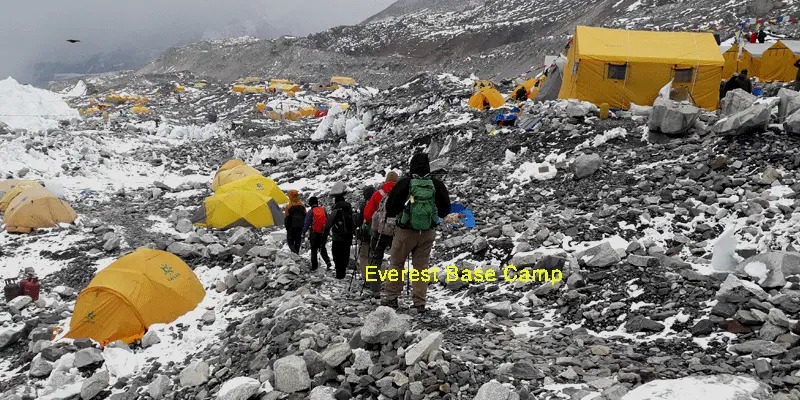
Overview of the Everest Base Camp Trek Guide
The Everest Base Camp trek guide ensures trekkers acclimate properly while enjoying the breathtaking landscapes of the Khumbu region. The adventure begins with a flight to Lukla, followed by a gradual trek through dense forests and traditional villages.
Each day offers rest and opportunities for exploration to help trekkers adapt to the altitude. It ends with reaching the triumph status at the base camp of Mount Everest and enjoying the mountain views while, overall, admiring the achievement. It is a professionally designed trek, neither too challenging nor too easy, with many opportunities to take an easier or more challenging path based on the participant's experience.
Why Everest Base Camp Trek Should Be Your Next Adventure
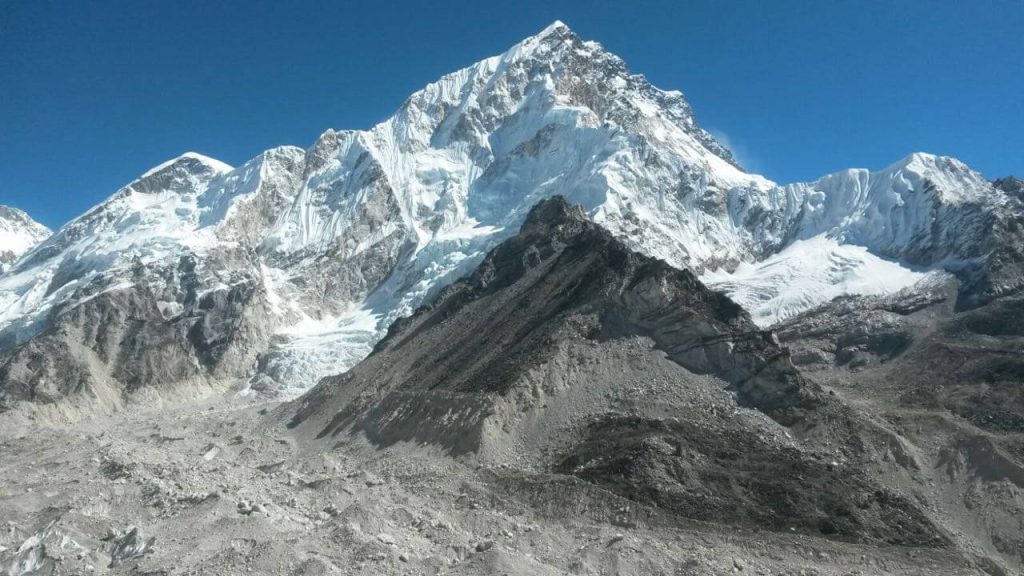
The Everest Base Camp Trek is not just another trek; it's a once-in-a-lifetime experience. Every step on this iconic trail brings with it new challenges, stunning scenery, and rich Sherpa cultural heritage. But why choose the Everest Base Camp trek over others?
- Breathtaking Views: In this trek, you will be experiencing some of the highest peaks in the world, including Everest, Lhotse, and Ama Dablam. There is no comparison to the beauty of the Himalayas.
- Cultural Experiences: You can witness the warm Sherpa culture and hospitality while hiking there. You can experience the culture of the Sherpa people, their history, monasteries, and Tibetan Buddhist heritage up close.
- In the Footsteps of Legends: Follow the same routes as Sir Edmund Hillary and Tenzing Norgay, the pioneers of Everest.
- Ever-Changing Environments: From lush green forests to rugged, high-altitude mountainous regions, every single day of the trek offers something new and thrilling.
- Rare Sighting of Exotic Wildlife: You will have glimpses of rare and unusual animals, such as the Himalayan Tahr, musk deer, and even the elusive snow leopard. For more details, click here.
- Sunrise at Kala Patthar: The best wide-angle panorama of Everest is available from the famous Kala Patthar viewpoint.
- A Life-Changing Challenge: A trip to an altitude of 5,364m (17,598 ft) is no small feat. To get here is a moment of pride, and it is a very challenging trek, too. The Everest Base Camp trek will push you beyond your limits, leaving you with memories for a long time.
If you want an adventure that challenges you physically and mentally, but is rewarded with breathtaking landscapes and cultural interactions. In that case, the Everest Base Camp Trek is the perfect choice.
What Makes This Trek Unique Compared to Other Treks in Nepal
- Everest Direct Approach: The EBC trek offers a once-in-a-lifetime chance to reach the base of the world's highest peak up front, getting closer to the mountain.
- Breathtaking Mountain Scenery: The panoramic views of famous peaks such as Lhotse, Nuptse, and Ama Dablam are a feast for the eyes throughout this trek, offering any nature lover a visual treat.
- Cultural Immersion: Along the route, traditional villages and age-old monasteries of the Sherpa people give any trekker plenty of opportunities to learn from this ever-vibrant culture and make the journey worthwhile.
- Historic Links: The trail traced the paths of legendary mountaineers, offering a unique glimpse into the rich history of climbing in this iconic region.
- Diverse Landscapes and Ecosystems: The trek cuts across terrains ranging from lush green forests to stark high-altitude environments, underscoring the incredible ecological variety found in Nepal.
- Acclimatization Opportunities: The 14-day schedule allows for this natural, gradual process of acclimatization, thereby minimizing the chances of altitude sickness compared to much shorter treks.
- Community and Hospitality: The warm hospitality of the Sherpa people heightens the experience; trekkers often stay in teahouses within the community.
Preparation for the Everest Base Camp Trek
Preparation for this trek is crucial for ensuring safety and enjoyment. Before starting this incredible journey, here's everything you need to consider.
Things to Pack: Essentials for a High-Altitude Adventure
While packing for the Everest base camp trek itinerary, one mustn't forget to include a pair of sturdy, well-broken-in trekking boots.
- Sturdy trekking boots, well-broken-in.
- Clothing in layers to adapt to changes in the weather conditions
- A top-of-the-line, sub-zero sleeping bag
- Trekking poles for stability on uneven terrain.
- Headlamp for illumination; sunscreen; first-aid kit
- A hydration system and water purification tablets to keep them hydrated
Packing light but smart helps make the trek comfortable, considering altitude and terrain.
Physical and Mental Fitness: Are You Ready for Everest?
- Cardio Endurance: Long days of trekking require the right preparation, including cardio exercises like running, swimming, or cycling, so your body can handle the demands of the trek.
- Leg Strength: It will involve developing your leg muscles through squats, lunges, and stair climbing. The legs are much stronger for steep ascents and descents along uneven terrain.
- Core Stability: This involves plank exercises and mountain climbers to strengthen the core. A stable core will provide balance and posture during the trek.
- Altitude Acclimatization: Altitudes during trekking can be problematic; thus, train at higher altitudes if possible. If that is not possible, interval training could simulate physical stress at high altitudes.
- Mental Resilience: While the trek is physically grueling, mental resilience is just as important as physical strength. Keep a positive attitude to overcome discomfort and maintain motivation through those tougher days.
- Pacing and Rest: Know your limits, pace yourself, and take regular breaks to avoid exhaustion. Rest is vital in recovery and preparation for the next day's trek.
Physical fitness and a well-prepared mentality will ensure every moment of adventure is relished!
Recommendation Read: Altitude Sickness Prevention
Responsible Trekking
Trekking in the Everest region is a privilege, and being a responsible traveler is essential.
- Leave no trace. Bring all your rubbish; don't use plastic bottles; use reusable water bottles with purification tablets.
- Be sensitive to local culture. Greet with "Namaste," honor monastery tradition, and seek permission before taking pictures of locals.
- Support the local economy. Sleep at family-run teahouses, buy local products, and fairly compensate guides and porters.
- Practice environmentally friendly toiletries. Biodegradable soap, toothpaste, and wet wipes are less harmful to the environment.
The Best Time of Year to Trek to Everest Base Camp
Spring (March to May):
Spring is one of the peak seasons for trekkers to Everest Base Camp because of the somewhat mild temperatures, especially at the lower altitudes, which make walking relatively pleasant. Skies are mostly clear, and grand views of peaks are possible without any hindrance, making the whole trek more fun. This also happens to be the time when rhododendron forests attain full bloom, adding riotous colors to the landscape.
There is a better chance of viewing wildlife, and the weather is pleasant. This is considered the time for both first-timers and experienced trekkers.
Autumn (September to November):
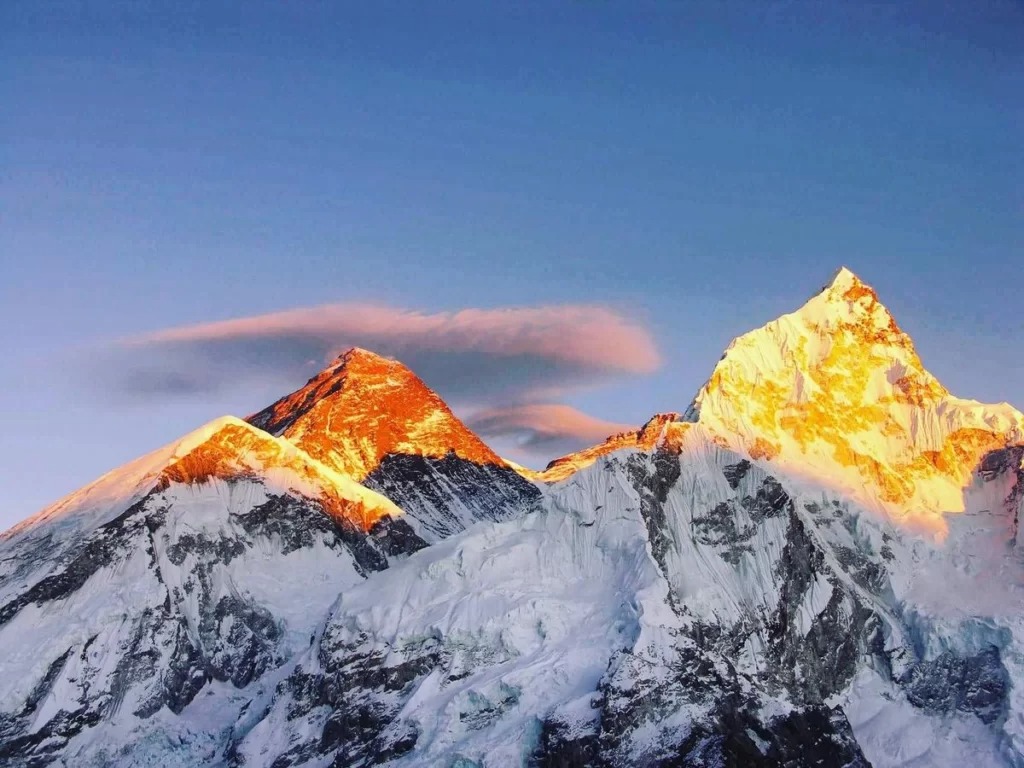
Autumn is considered the high season for trekking to Everest Base Camp. The monsoon rains have completely gone, and the air is fresh and crisp. Some of the clearest mountain views of the year are seen. It is mildly warm, which provides comfortable trekking conditions at higher altitudes.
The conditions remain stable enough, and many think it is well worth the crowds. There is little to no rain or snowfall in autumn, making it ideal for a hassle-free, breathtakingly beautiful trek.
Permits and Paperwork: What You Need to Know Before Starting
Before embarking on the EBC Trek, one must have the necessary permits in order. The following are the things one will need.
TIMS Card (Trekkers' Information Management System)
It stands for Trekkers' Information Management System. This card is mandatory for all trekkers in Nepal, as it helps authorities track your journey for safety. You can get it from the Nepal Tourism Board office in Kathmandu or from TAAN—the Trekking Agencies Association of Nepal.
Sagarmatha National Park Entry Permit
Since Everest is in Sagarmatha National Park, you need a special entry permit. This will be required to enter the park and can be obtained either in Kathmandu or at the park's entry point in Monjo.
Khumbu Pasang Lhamu Rural Municipality Entry Permit
This was recently introduced, and a permit is required to enter the Khumbu area, where this trek is located. It's available in Lukla or at the permit offices in Kathmandu.
Get these permits before your hike to avoid any delays or complications on the trail! For more, read our blog "Everest Trek Permit. "
Food and Accommodation During EBC Trek
Food Along the Trail
Dining at Everest Base Camp will range from traditional Nepali food to international cuisine. Along the way, teahouses offer meals of dal bha (rice and lentils), momo, dumplings, and noodle soups. Make sure to try the local specialty, but make sure that you are well-fed for your trek. Most teahouses also cater to different dietary needs, so ask for what you want.
Accommodation Options on the Trek
Accommodations on the trek are primarily teahouses, most of which offer basic yet comfortable lodging. Any rooms share accommodations with minimal facilities, often just a bed and blankets. Although facilities vary in most teahouses, the warm atmosphere and the dining areas are always ready for trekkers to share experiences. Some villages also have guesthouses for those who want to stay in a bit more comfort, but these are limited and sometimes need to be booked in advance.
Cost for the Everest Base Camp Trek
The cost of the Everest Base Camp trek varies greatly depending on many factors, such as the type of trek package, guide services, and personal expenses. Normally, in an average sense, you can expect to pay anywhere between $1,200 and $2,500 for a 14-day trek. These costs normally include permits, accommodation, meals, and a guide.
- Accommodation Costs: Accommodation on the trek usually ranges from $5 to $15 per night, depending on the place and season. Prices could be slightly higher in places like Namche Bazaar. Having extra cash for accommodation is always good, as not every place accepts cards.
- Meals and Drinks: It costs $20 to $40 per day, depending on what and where you eat. Eahouses have relatively cheap meals, but they get much more expensive the higher up and the more popular the area. Snacks, bottled Water, and drinks could also add up throughout your trek.
- Extra Costs: Other expenses to account for include gear rental, tips for guides and porters, and any additional activities or excursions one would like to take, such as flying back to Kathmandu. Adding another 10-20 percent of the total cost for contingencies is wise.
How Much Does the Everest Base Camp Trek Cost? ost Analysis of Everest Base Camp Trek
Arguably, the most common question is: How much does a trek to Everest Base Camp cost? The answer varies by season, type of accommodation, and whether you hire a guide and porter. Here's a cost breakdown:
Permits and Fees
For trekking in the Everest region, you will need the following permits:
- Sagarmatha National Park Entry Permit: $30
- Khumbu Pasang Lhamu Rural Municipality Permit: $20-$30
- TIMS Card (If required by authorities): $10-$20
For more details, read our article "Everest Trek Permit ".
Transport and Flights
The most efficient way to start the trek is by flying from Kathmandu to Lukla for around $200-$250 (one way). Budget-conscious travelers can also trek up from Jiri or Salleri, although this takes several additional days.
Accommodation Fees
- Tea Houses (Basic Lodges): $5-$10 per night
- Luxury Lodges: $50-$100 per night (heated rooms and better facilities included)
Food and Beverages
- Meals: $5-$10 per meal
- Bottled Water: $1-$3 per liter (use a water purifier to save money)
Guide and Porter Charges
- Guide: $25-$35 per day
- Porter: $15-$25 per day
Equipment and Gear
- Rental Charge: $1-$5 per item per day
- Buying New Gear: $300-$500 (for good quality gear)
Miscellaneous Expenses
- WiFi, Charging, Hot Showers: $2-$5 per usage
- Travel Insurance: $100-$200 (mandatory for high-altitude treks)
Estimated Budget Ranges
- Budget Trekker: $800-$1200
- Mid-Range Trekker: $1500-$2500
- Luxury Trekker: $3000+
To save money, travel in batches, book flights well in advance, and avoid luxury hotels.
Prohibited Things to Take While Trekking to Everest Base Camp
- Drones are prohibited from flying in the Everest region. Flying without permission can also have serious consequences: a drone can be taken away, and you may face fines.
- Another prohibition involves bringing illegal drugs or prohibited substances such as hashish and other narcotics. Such actions could lead to severe penalties for possessing these items, ranging from hefty fines to imprisonment.
- While not entirely forbidden, it is preferable to avoid the use of tobacco in general and, in particular, in sensitive places and around locals. It contributes to litter and pollution.
- Attention should be paid to the local wildlife and its habitat. It is better to leave wild animals, such as Yaks and other animals, undisturbed and unfed, as disturbing them can affect their behavior and the environment.
- Non-biodegradable items like plastic bags and bottles should not be used to avoid harming the environment. Reusable ones are strongly encouraged to help keep the surroundings intact.
- Firearms and other weapons are strictly prohibited in the Everest region. Possession of such will lead to severe legal consequences and harm other trekkers' safety.
- It is best to avoid bringing large quantities of food, as this may only lead to wastage. Pack only what you need, keeping quantities to a minimum to reduce your ecological footprint.
- While the story of the Yeti is a well-told fairy tale, respect must be accorded to the locals' beliefs. o not disturb the wild animals or the Ye. This is connected to the Sherpas' culture. You can see the Yeti salp at Khumjung Monastery on the way to the Everest base camp trek.
Final Thoughts
The world-famous EBC trek is a surreal journey that connects you with nature and the Sherpa culture. Completing this trek will give you chills, with beautiful views that will leave an everlasting memory. Finally, it remains important that the environment and local customs be preserved in beauty, which can only happen with good relations among people.
The Everest Base Camp Trek is more than just a physical challenge. It is also a test of your endurance and transformation. From the breathtaking views to the lively Sherpa culture, every experience along the way will stay with you forever. Whether trekking for adventure, achievement, or just being in touch with nature, this experience will forever remain with you.
With costs, paths, and tips in order, it's time to turn your dream into reality. lan well, prepare yourself, and cherish every step of the journey. The Everest Base Camp Trek is not just about reaching a destination, it's about the experience, trials, and memories you'll carry with you for the rest of your life.
After your adventure, reflect on all you have seen and celebrated along your journey. Enjoy the challenges, make the friendships, and enjoy each second of this unforgettable 14-day trek to Everest Base Camp.
So start planning your Everest Base Camp Trek with Boundless Adventure in a stress-free way.
Explore our Blog, Monsoon Trekking in Nepal.
FAQs
How many days does trekking to Everest Base Camp take?
The EBC trek has been designed to take roughly 14 days to complete. The reason is simple: proper acclimatization at high altitudes is crucial for safe y. The timing varies from 12 to 16 days, depending on preference and pace.
How difficult is the Everest Base Camp trek?
The trek involves steep ascents and high altitudes, making it difficult. Though past trekking experience will be very helpful for some, many people with varying fitness levels can do it with adequate preparation. It's highly important to be physically fit and take full acclimatization time to enjoy the trek.
How much money does one need for the Everest Base Camp trek?
Generally, the price for the Everest Base Camp hike ranges from $1,000 to $3. His estimate includes the basic costs of permits, accommodation, meals, and guides. Additional costs may arise from gear rentals, flights, and personal expenses along the trek.
What is the shortest trek to Everest Base Camp?
The shortest trek is usually 12 days. While this option can save time, it offers less acclimatization, making the trek more difficult. Given this short itinerary, trekkers should be physically fit and aware of the possibility of altitude sickness.
What is the best time to trek to Everest Base Camp?
The best times to visit Everest Base Camp are in spring, from March to May, and in autumn, from September to November. These periods generally offer stable weather conditions and clearer views of the mountains, enhancing your overall experience and enjoyment during the trek.
Is travel insurance necessary?
Yes, High-altitude trekking carries risks, and insurance that covers medical emergencies and evacuation is highly recommended.
Are there restrooms along the EBC trail?
Yes, most tea houses have basic toilet facilities, but some may be quite rudimentary.
Can beginners do the Everest Base Camp Trek?
Yes, beginners can complete the trek with proper physical training and acclimatization beforehand.
Are there ATMs on the EBC trail?
Yes, there are ATMs in Namche Bazaar, but they are unreliable. o, bring enough cash from Kathmandu.