


The “Last Tibetan Kingdom,” also known as Lo Mustang, is a secret gem in the high Himalayas of Nepal. It is listed at 3840 meters above sea level. Lo Mustang offers something special regarding adventure and tranquility because it is remote from society and has a wealth of history, culture, and spirituality. For a seasoned trekker who loves history or just looking for a peek into an engaging culture, Lo Mustang is anything but typical.
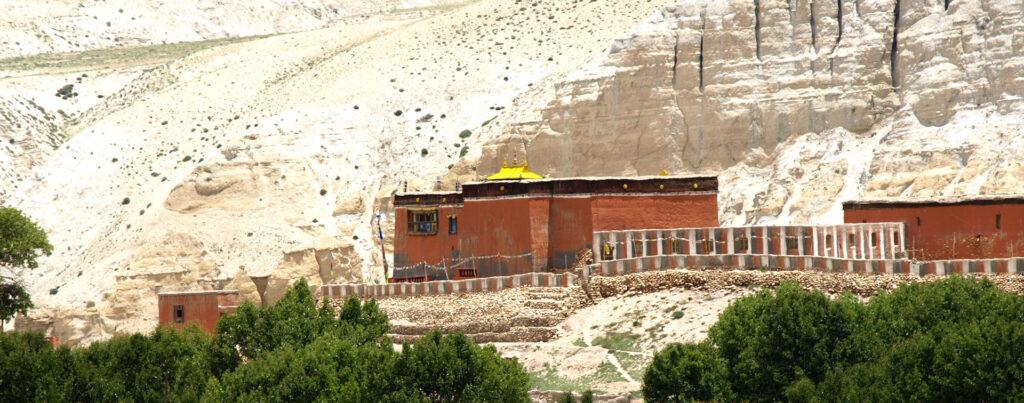
Lo Mustang Nepal: The Last Tibetan Kingdom
Lo Mustang is known as a former independent kingdom. Because Lo Mustang was cut off from the rest of Nepal for decades, it maintained its distinct customs, culture, and way of life. Imagine living where the customs haven’t changed in hundreds of years and time seems to have stopped.
2008 Nepal officially took control of Lo Mustang, but this region still retains its strong Tibetan heritage. The capital, Lo Manthang, Nepal, was once the home of the Mustang King, who ruled over this special kingdom. Although Lo Mustang is now part of Nepal, Lo Manthang retains traces of its royal past, with old palaces, Tibetan Buddhist monasteries, and a peaceful, timeless atmosphere.
Nowadays, Lo Mustang is a peaceful spot that gives you the impression that you have returned in time. Walking through the historic streets of Lo Manthang, touring Tibetan monasteries, or just soaking in the stunning Himalayan landscapes are all ways to make Lo Mustang, Nepal, an experience that will last a lifetime. It is a place where history and culture coexist in such a serene and exciting way.
Tibetan Culture in Lo Mustang
Lo Mustang is a region where Tibetan culture isn’t only a part of the scenery—it’s the pulse of the area. Lo Mustang’s inhabitants worship Tibetan Buddhism, and it’s evident everywhere—right down to the monasteries, the everyday rituals, and the colorful festivals that bring joy and spirituality into the air. Take a closer look at the festival and areas that bring out the rich Tibetan culture of Lo Mustang:
Tibetan Monasteries and Cultural Sites in Lo Mustang
Jampa Lhakang Monastery (Maitreya Temple)
One of the area’s most important Tibetan Buddhist places of worship is this ancient monastery in Lo Manthang. The artwork on the walls depicts Tibetan tales and religious beliefs. It’s the ideal location to see how the people there use offerings, rituals, and prayer wheels to further their spirituality.
Ghar Gompa (Lo Gekar Monastery)
Located near Ghami, the monastery is one of the most ancient and divine in Lo Mustang. Constructed in the 8th century, the monastery holds much of the local’s cultural and religious importance along with associations in terms of Tibetan folklore of the region, e.g., a visit by Guru Rinpoche with the intent of spreading Buddhism.
Thubchen Gompa
One of the major Tibetan Buddhist monasteries, Thubchen Gompa, was constructed in the fifteenth century in Lo Manthang. It is still a center for active religious practice and features exquisite murals depicting the life and teachings of the Buddha.
Chode Gompa
This 13th-century Tibetan Buddhist monastery is located close to Lo Manthang. It is just one of the many testaments to Lo Mustang’s strong allegiance to Tibetan practices and indicates the region’s spiritual past.
Festivals Celebrated in Lo Mustang: A Glimpse of Tibetan Culture
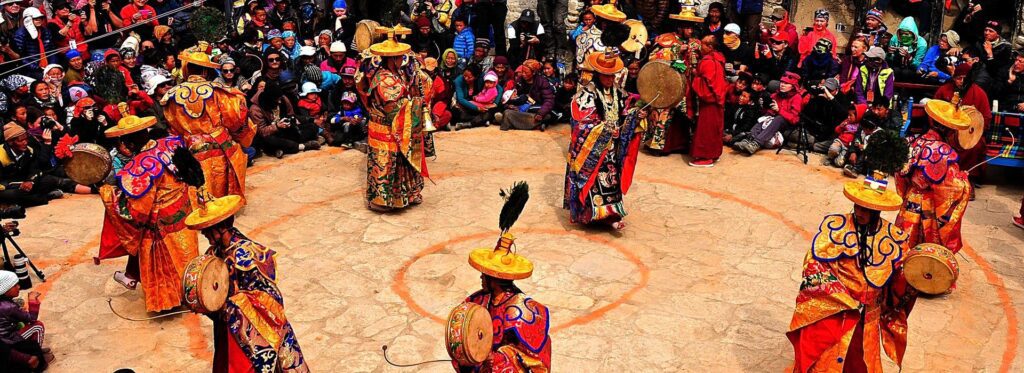
The residents of Lo Mustang celebrate several Tibetan festivals, which are rich, colorful, and religious. You can participate in these festivals while in Lo Mustang, where song, dance, and ritual combine in an air of celebration and cultural pride.
Lhosar (Tibetan New Year)
Lo Mustang celebrates the Tibetan New Year, known as Lhosar, with much energy and religious belief. Family members gather, greet each other, and rejoice with song and dance during this festival, which marks the beginning of the new year according to the Tibetan lunar calendar.
Vibrant decorations, ancient Tibetan dances, and copious feasts and food decorate the streets of Lo Manthang. You could be lucky enough to be invited to share in the festivities with the locals!
Tiji Festival
Every year in Lo Manthang, the Tiji festival is the most popular Tibetan event. The monks retell the story through traditional Tibetan dances to honor good’s victory over evil.
Buddha Jayanti
This is the day of Buddha’s birth, enlightenment, and death. Prayers, offerings, and religious rituals are offered in Lo Mustang monasteries to mark this occasion. Buddha Jayanti is a spiritual celebration in which the people of Lo Mustang come together to celebrate Buddha’s teachings and remember his life.
Tihar (Festival of Lights)
Tihar is the Festival of Lights, similar to Diwali in India, but celebrated in a more Tibetan way. In Lo Mustang, Tihar is a time for families to clean and decorate their homes, light lamps, and celebrate with food, music, and prayer. This festival also honors animals, particularly the crow, dog, cow, and ox, which are revered in Tibetan culture.
Why Lo Mustang Stayed Isolated?
Lo Mustang was a restricted area for a long time, and only a few people could visit. The isolation helped preserve the culture and traditions here, and it’s one of the reasons why Lo Mustang feels like stepping back in time. The locals still speak a special Tibetan dialect and wear traditional clothes. Visiting here feels like you’re entering a peaceful, untouched world.
Geographical Isolation
Lo Mustang is in the Nepalese Himalayas, surrounded by high peaks like Dhaulagiri and Annapurna. The natural barrier of mountains made it hard for people to get in or out. Moreover, the region is also arid because it’s in the rain shadow, so it’s not a very easy place to live or pass through. All this made the region quite similar for centuries. For more, read our blog “Unique Geography and climate of Upper Mustang” to understand Nepal’s Hidden Terrain At 3800m Upper Mustang.
Political Isolation
In the day, Lo Mustang was its independent kingdom, the Kingdom of Lo. Even when Nepal took control in the 18th century, Lo Mustang managed to stay separate in many ways. In the 1960s, Nepal restricted Upper Mustang to control who could visit and protect the local culture. This helped keep the area isolated for a long time.
Cultural Isolation
The people who live in Lo Mustang, called the Lo-pa, are ethnically Tibetan. Their culture is deeply tied to Tibetan Buddhism. Because of Lo Mustang’s isolation, they have kept their traditions, language, and religious practices the same for generations without much influence from the outside world.
The Beauty of Lo Mustang
Lo Mustang isn’t your typical tropical paradise. It’s more like a desert landscape – but in a terrific way. The land here is dry, rocky, and dotted with caves. But don’t think it’s boring.
The Annapurna and Dhaulagiri mountains tower over the valley, making the whole place look like something out of a dream. The views are unbelievable, and there’s something magical about seeing the snow-capped peaks against the dry desert-like landscape.
There’s also the immeasurable scenic beauty of the Kali-Gandaki River, which flows in the region, carving canyons and valleys. A mix of desert and mountains; everything is here.
Lo Manthang: The Heart of Lo Mustang
Once you step into Lo Manthang, you feel like you’re stepping into an ancient town. It’s a small walled town with narrow streets and old Tibetan-style houses. The houses, interspersed with mud and stone, create a sense of tranquility and timelessness. It’s the perfect place to immerse yourself in culture and unwind after a tiring trek.
One of the attractions of Lo Manthang Palace is discovering the town’s royal heritage. It is a former royal palace that takes one through some of the place’s history. Although the monarchy passed away years ago, royal heritage can be sensed even without it.
Lo Mustang Trekking Routes
If you seek a trek that embraces culture, breathtaking scenery, and history, you should not miss the Lo Mustang trekking trails! These treks are a special experience and provide unique insight into one of the country’s most reputedly remote and culturally rich regions, with beautiful scenery, ancient villages, and hidden monasteries.
Upper Mustang Trek
The Upper Mustang Trekking is one of the most famous treks in the region. It is about the uniqueness of traditions and spectacular landscapes, which offer trekkers a chance to experience life in a country where its traditions have remained unchanged for centuries.
- Difficulty: The trek is moderate to strenuous due to the high altitude and the challenging terrain. Trekking in this region requires good physical fitness and proper acclimatization.
- Days to Complete: The Upper Mustang Trek typically takes 12 to 14 days, depending on your pace and acclimatization schedule.
Key Attractions:
- Ancient Tibetan Villages: Walk through centuries-old villages like Trekking to Kagbeni and Chele, where you’ll experience traditional Tibetan culture.
- Hidden Monasteries: Visit ancient Tibetan monasteries, such as Ghar Gompa and Luri Monastery, which are rich in Buddhist art and history.
If you are considering travelling, then read our blog “A Travel Guide to Upper Mustang: Permit and Routes” for better information regarding trekking.
Trekking to Lo Manthang: The Walled City
Lo Manthang is among the most beautiful treks, reaching a place between history, culture, and nature. It was once the capital of the Kingdom of Lo, later vacated and now home to several ancient Tibetan monasteries and palaces.
- Difficulty: This trek is moderate to challenging, mainly because of the high altitude. Trekking in thin air can be difficult, so taking time to acclimate is essential.
- Days to Complete: The trek typically takes 10 to 12 days, depending on your pace and how many stops you make to explore the villages and monasteries.
Key Attractions:
- Lo Manthang City: The walled city of Lo Manthang is the biggest highlight, with its ancient palaces, monasteries, and Tibetan architecture still firm.
- Ghar Gompa: An ancient Buddhist monastery where you can witness traditional Buddhist rituals and incredible wall art.
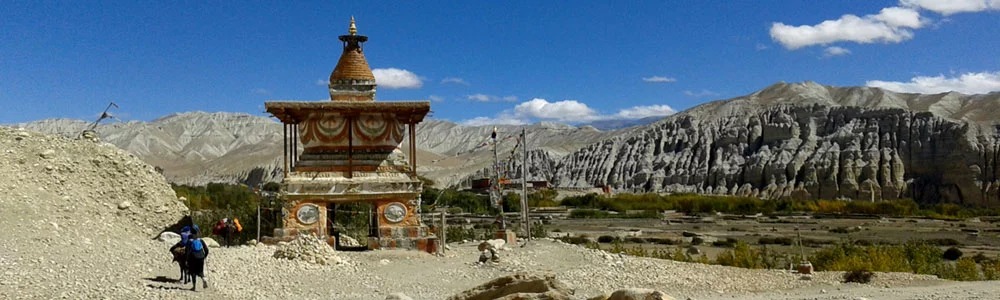
- Chortens: The sacred Tibetan stupas and Chortens dotting the trek route hold profound spiritual significance.
The Walled City of Lo Manthang: With its ageless mystery, Lo Manthang is where one can visit temples and monasteries of historical importance and wander through its little lanes.
If you are thinking of off-road trekking in Nepal’s Upper Mustang, read our blog “Off-Road Guided Trekking in Upper Mustang.”
Permits and Preparation
It’s important to understand that Lo Mustang is a restricted region, requiring special entry permits before starting your hike. What you will need is as follows:
- TIMS Card (Trekkers’ Information Management System): This is required for all trekkers in Nepal.
- Restricted Area Permit: You’ll need a special permit for Upper Mustang, which you can obtain through a local trekking agency.
These permits are relatively easy to arrange with the help of a local trekking agency, who will also assist with organizing your itinerary and providing a guide.
Recommended Read: How Much Does The Upper Mustang Trekking Permit Cost?
Why Are Lo Mustang Trekking Routes Worth It?
One of Nepal’s best-kept secrets is the Lo Mustang hiking routes, which combine Tibetan culture, wildlife, and breathtaking scenery in the ideal way. Every step feels like traveling back in time, whether hiking through historic villages, touring monasteries, or taking in the Himalayan peaks.
Lo Mustang is a journey that will allow you to enjoy the beauty of the Himalayas and the core of Tibetan culture. Its trekking routes offer an unforgettable experience because of their serene surroundings, unspoiled beauty, and cultural diversity. Prepare your equipment, make the necessary permission arrangements, and prepare for a lifetime’s journey!
How to Get to Lo Mustang?
From Kathmandu or Pokhara
To get to Lo Mustang, you must go to Jomsom first. Jomsom is the primary access point for Lo Mustang, which is reachable by air from Pokhara. You will hike to Lo Mustang from Jomsom. On this short yet lovely trip, you will pass through breathtaking countryside.
Permits and Travel Tips for Lo Mustang
Don’t forget to obtain permits before you leave! You will require a TIMS card and a restricted area permit. You can get these permits from a local trekking agency. Just make sure that you get them beforehand!
Best Time to Visit Lo Mustang
The best time to visit Lo Mustang, Nepal, is spring (March to May) and autumn (September to November). These months primarily have the best weather. The weather is clear, and the trekking conditions are perfect. Avoid the extreme cold of winter and the rain of the summer months.
Conclusion
Lo Mustang Nepal is not your typical vacation spot. In addition to breathtaking scenery and one of the most spectacular hiking experiences, it offers a cultural immersion into the fascinating Tibetan culture.
So, pack your bags, get your permits, and prepare for the adventure of a lifetime in Lo Mustang, Nepal – the Last Tibetan Kingdom.
Are you prepared to set out on this remarkable adventure? When visiting Lo Mustang, Nepal, let Boundless Adventure guide you. Contact us right now to begin organizing your adventure in the Himalayas!
FAQ’s
How hard is trekking in Lo Mustang?
Trekking in Lo Mustang ranges from moderate to difficult. The terrain isn’t extreme, but the altitude—often above 3,500 meters—can make the hike feel tougher than it looks. The Upper Mustang Trek, which takes you into the restricted zone, includes long days, dry landscapes, and exposure to strong winds. But with basic fitness, a steady pace, and proper acclimatization, it’s absolutely doable.
Do I need special permits to visit Lo Mustang?
Yes, two main permits are required:
Restricted Area Permit (RAP) – specifically for Upper Mustang.
TIMS Card – for all trekkers in Nepal.You must go through a registered trekking agency to get the RAP. Solo travel isn’t allowed in Upper Mustang—you need at least two trekkers in your group with a licensed guide. Agencies handle the paperwork and make it hassle-free.
When is the best time to visit Lo Mustang?
The best months to visit Lo Mustang are March to May and September to November. These seasons offer clear skies, stable weather, and the best trail conditions. Spring brings wildflowers and snow-capped peaks; autumn delivers crisp air and golden hills. Summer is dry here too—unlike most parts of Nepal—so even June to August is doable, though dust storms can kick up.
What is the culture of Lo Mustang like?
Lo Mustang is deeply rooted in Tibetan Buddhist traditions. The region feels more Tibetan than Nepali, with ancient monasteries, sky caves, and prayer flags woven into everyday life. Locals celebrate festivals like Tiji with masked dances and rituals that go back centuries. It’s a place where spirituality, history, and high-altitude life blend seamlessly.
Can I visit Lo Manthang?
Yes, Lo Manthang is the crown jewel of Upper Mustang—and a must-visit. This ancient walled city sits at 3,800 meters and holds centuries of history. Inside, you’ll find royal palaces, monasteries with centuries-old murals, and narrow alleys that echo with stories of the past. You’ll need a Restricted Area Permit to enter, but it’s worth every bit of effort.
What is Lo Mustang and why is it called the “Last Tibetan Kingdom”?
Lo Mustang, also known as Upper Mustang, is a remote region in northern Nepal that borders Tibet. For centuries, it operated as an independent kingdom with deep cultural, religious, and linguistic ties to Tibet. Despite being officially part of Nepal since the 18th century, Lo Mustang remained politically and culturally isolated well into the late 20th century.
It earned the nickname “The Last Tibetan Kingdom” because it preserved Tibetan Buddhist traditions long after Tibet itself faced cultural suppression. Monasteries, sky caves, and the walled city of Lo Manthang still reflect an untouched Tibetan heritage. Visiting here feels like stepping into a living museum of pre-modern Tibet.
Why was Upper Mustang known as the “Forbidden Kingdom”?
Upper Mustang was called the “Forbidden Kingdom” because it was completely closed to foreign visitors until 1992. The Nepali government enforced this isolation to protect its strategic border with China and preserve the region’s culture from external influences.
This long period of seclusion kept Upper Mustang’s ancient customs, architecture, and way of life remarkably intact. Even today, visitors need a Restricted Area Permit and must travel with a registered guide—helping to preserve the integrity of the region. This aura of inaccessibility adds to its mystique.
What is the Tiji Festival in Lo Manthang?
The Tiji Festival is one of the most vibrant and spiritually significant events in Lo Mustang. Held every spring in Lo Manthang, it’s a three-day celebration based on a Tibetan myth about a deity who saves the kingdom from destruction.
Monks perform elaborate masked dances in traditional costumes, while locals gather in colorful attire. The festival is not just a performance—it’s a deeply rooted ritual of purification and protection, symbolizing the triumph of good over evil. Witnessing Tiji offers rare insight into Tibetan Buddhist practice in its purest form.
Is Lo Manthang still ruled by a king?
Technically, Nepal abolished all monarchies in 2008, including Lo Mustang’s royal family. However, in Lo Manthang, the former king—known as the “Lo Gyalpo”—still holds cultural and symbolic significance. He lives in the Lo Manthang Palace, a centuries-old building that is a key landmark in the walled city.
Locals still treat the royal family with reverence, and during festivals like Tiji, the king plays a ceremonial role. For travelers, meeting the king or even glimpsing the palace offers a rare connection to a living lineage that dates back over 600 years.