


The last monarch of Mustang, Jigme Dorje Palbar Bista, was important in preserving the area’s special spiritual and cultural customs. As the leader of the Mustang royal line, he ruled a kingdom that had been cut off from the rest of the world for centuries.
His reign greatly influenced Mustang’s history, and his legacy lasted in the area even after his monarchy was abolished. Let’s explore Jigme Dorje Palbar Bista’s life and appreciate the value of his leadership.
Who Was Jigme Dorje Palbar Bista?
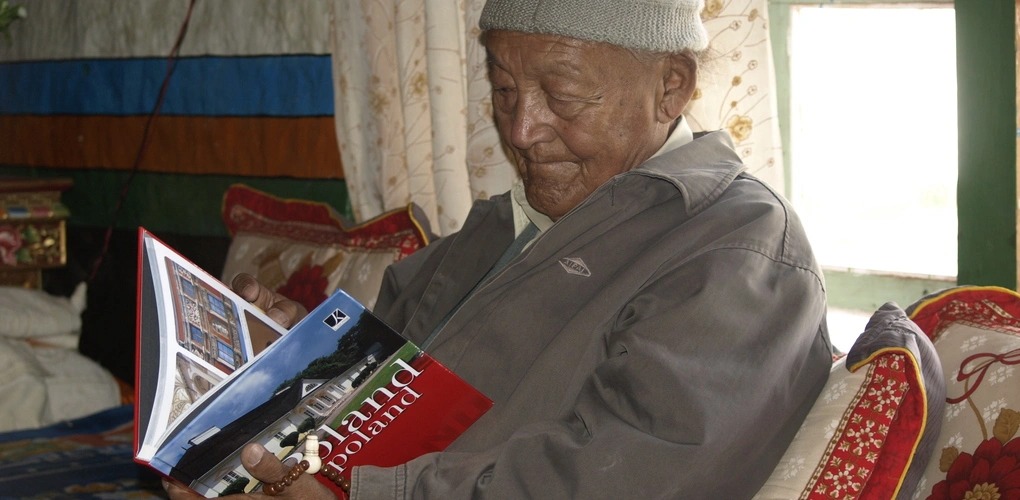
Jigme Dorje Palbar Bista was born in Lo Manthang, the capital of Mustang, in the early 1930s. He was the last king of Mustang, ascending to the throne in 1964 after his father’s death, King Angun Tenzing Tandul.
His reign lasted until 2008, when Nepal abolished its monarchy. Despite his numerous personal struggles throughout his opportunistic time of power, Jigme Dorje Palbar Bista still managed to be a respected political and spiritual leader.
- Cultural Leader: He played an essential part in keeping Mustang’s distinctiveness alive and continuously worked to protect the traditions of the Tibetan Buddhist region.
- Political Neutrality: His leadership was characterized by neutrality, which allowed Mustang to maintain its independence while the rest of Nepal underwent political changes.
What Are Upper Mustang, Lower Mustang, and the Hidden Kingdom of Nepal?
Mustang is a beautiful and remote region in northern Nepal, near the border with Tibet. It is divided into two parts: Lower Mustang and Upper Mustang.
Lower Mustang is easier to get to and has places like Jomsom, Kagbeni, and Muktinath. It’s known for its apple orchards, mountain views, and mix of Nepali and Tibetan culture.
Upper Mustang, on the other hand, is more hidden and feels like stepping back in time. It was closed to visitors until 1992, and you still need a special (and pricey) permit to go there (Upper Mustang Trekking Permit and its Cost). This area is often called the “Hidden Kingdom of Nepal” because it used to be its little kingdom, with a king and everything, centered around the ancient walled city of Lo Manthang.
The culture there is deeply Tibetan, and the landscapes look like something from another planet—full of dry cliffs, caves, and old monasteries. It’s a magical place for anyone looking for adventure and history.
What Are Upper and Lower Mustangs?
Mustang is divided into two main regions: Upper Mustang and Lower Mustang. Each region has its own unique cultural and geographical importance.
Upper Mustang:
Upper Mustang, also known as Nepal’s Hidden Kingdom, was entirely isolated from the rest of the world for many years. It is renowned for its Tibetan Buddhist temples, old caves, and breathtaking scenery.
Upper Mustang retains much of its traditional culture and lifestyle, which Tibetan Buddhism heavily inspires. The Hidden Kingdom derived the title from its isolation and preservation of Tibetan culture within its borders.
Lower Mustang:
This area is more accessible and developed, with tourism playing a more prominent role. The region is still culturally essential but has seen more outside influence than the Hidden Kingdom in Upper Mustang.
Which Region Was Jigme Dorje Palbar Bista Ruling?
Jigme Dorje Palbar Bista ruled over the entire Mustang kingdom, including both Upper Mustang and Lower Mustang. However, he primarily resided in Lo Manthang, Upper Mustang. His leadership successfully preserved Mustang’s distinct identity amidst the considerable political changes happening in Nepal.
How Did Jigme Dorje Palbar Bista Become King of Mustang?
Jigme Dorje Palbar Bista ascended to the throne in 1964 after the sudden death of his father, King Angun Tenzing Tandul. As the new king, Jigme Dorje Palbar Bista faced many challenges. At that time, Nepal was undergoing significant political and social transitions.
Initial Challenges:
His reign began during political instability and significant activity in Nepal when modernization and democratic reforms occurred in every field.
Cultural Heritage Preservation:
He supported the monasteries and ensured that the traditional rituals and festivals continued, maintaining his interest in the political issues of the time to preserve the cultural heritage of Mustang, Tibetan Buddhism in particular.
Also, if you are a trekking enthusiast, learn about Off-Road Guided Trekking in Upper Mustang.
What Were the Key Impacts of His Reign?
During Jigme Dorje Palbar Bista’s reign, Mustang saw significant cultural and social developments. His impact extended beyond politics and into preserving the region’s spiritual identity.
- Cultural Revival: His leadership was vital in reestablishing Mustang as a center of Tibetan Buddhism. During the royal reign, religious practices were wholly maintained, and monasteries were restored.
- Spiritual Leadership: Besides ruling as king, Jigme Dorje Palbar Bista was a spiritual leader who led people with compassion and wisdom. Despite what was happening around them, Mustang remained unified spiritually and culturally, thanks in large part to his leadership.
What Led to the Fall of Jigme Dorje Palbar Bista’s Monarchy?
In 2008, B.S. Nepal decided to abolish the monarchy. Jigme Dorje Palba Bista’s reign ended with the end of the monarchy.
History of the Mustang Monarchy:
Mustang is a small kingdom in the Himalayas close to the Nepal-Tibet border. It has its own culture and close connections to Tibet. The monarchy of Mustang was over 500 years old.
Jigme Dorje Palbar Bista was the 25th ruler in his dynasty’s long succession of monarchs who governed the area. He preserved the culture and customs of Mustang.
Political Changes and the End of the Mustang Monarchy:
The Mustang monarchy collapsed because Nepal was experiencing a great deal of political unrest. The country went through a massive conflict called the Maoist insurgency in the 1990s, and it was also sought by the majority of the people to change the government. In 2008, the country also decided to end its monarchy and become part of the republic, which meant the Mustang monarchy collapsed.
Jigme Dorje Palbar Bista’s Lasting Legacy in Mustang
Even though the Mustang monarchy ended, Jigme Dorje Palbar Bista’s legacy remains. He is remembered for his efforts to protect Mustang’s traditions and culture, and many people in the region still admire him for his leadership and contributions.
What Happened After the Mustang Monarchy Ended?
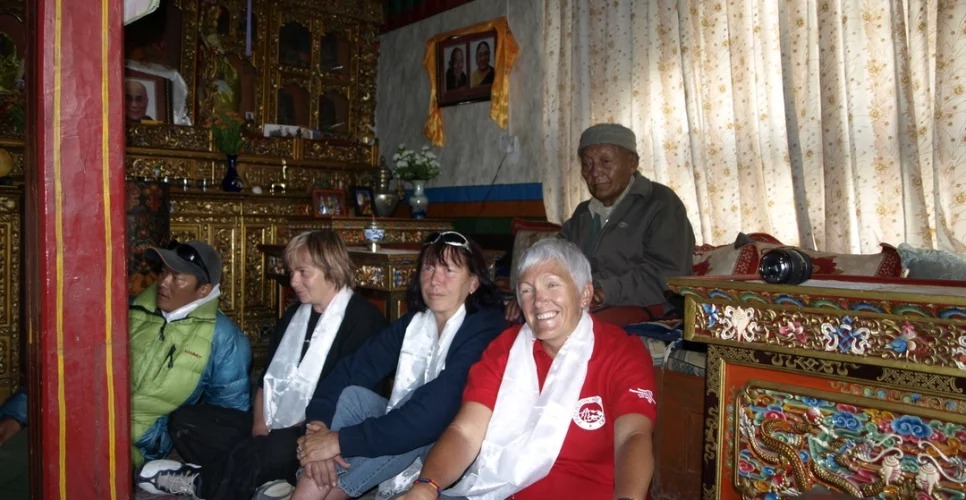
When Nepal abolished its monarchy in 2008, the Kingdom of Mustang officially came to an end. Jigme Dorje Palbar Bista, the last king, no longer held any political power — but in Mustang, he was still treated with deep respect. To locals, he remained a living symbol of their heritage.
After stepping down, he lived quietly in Lo Manthang, the walled city that had served as his royal seat. Though he no longer ruled, people continued to seek his guidance during festivals, spiritual gatherings, and community matters. For many Mustangis, he wasn’t just a former king — he was a cultural guardian, a presence that still tied them to centuries of tradition.
Jigme Dorje Palbar Bista passed away in 2016, after battling illness for about a year. His funeral drew locals and Tibetan Buddhist monks from across the region. It wasn’t just a farewell to a man — it was the end of a royal era. Yet even today, his legacy lingers in Mustang’s preserved monasteries, customs, and the deep pride people feel for their history.
“The last king of Mustang, Jigme Dorje Palbar Bista, passed away in 2016 B.S. He had been sick for one year before his death.“
What Impact Does His Legacy Have on Mustang’s Tourism Industry Today?
King Jigme Dorje Palbar Bista’s legacy endures throughout Mustang despite his passing. Mustang is now one of Nepal’s most fascinating places because of his efforts to conserve the region’s culture, religion, and way of life. People now travel from all over the world to experience a living history created by the last king, in addition to the landscape.
How His Legacy Continues to Shape Tourism in Mustang:
- Royal Palace at Lo Manthang: Visitors are welcome to tour the centuries-old palace in Lo Manthang, which serves as the king’s residence. Instead of serving as a framework, it symbolizes pride and identity.
- Ancient Monasteries: The king supported and protected some of the Buddhist monasteries that exist today.
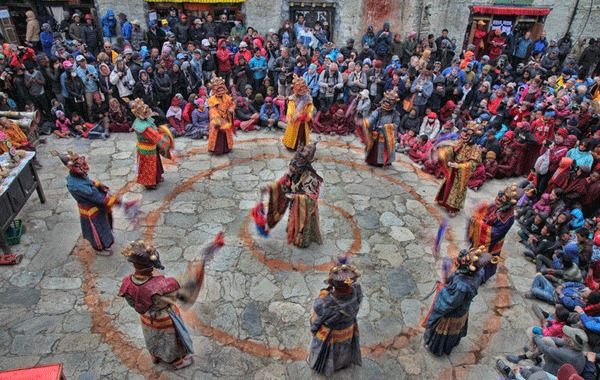
- Tiji Festival: Once supported by the royal family, the lively, devout Tiji Festival attracts tourists who want to experience Mustang’s rich spiritual legacy.
- Cultural Preservation: While modern development has influenced many locations, Mustang still feels like a separate planet because of the king’s dedication to maintaining customs.
Summing Up
Jigme Dorje Palbar Bista, the last king of Mustang, was a people’s hero in Nepalese history. During his reign, he played a crucial role in keeping Mustang’s rich Tibetan Buddhist culture alive and preserving its traditions and values from one generation to another.
Even though his kingdom no longer existed in 2008, his legacy still endures in the country. Mustang’s image as the Hidden Kingdom will forever be related to his efforts to preserve his people’s cultural and religious traditions.
If you want to explore the history of Mustang more closely, contact Boundless Adventure now. Then, start packing for your visit to the hidden kingdom of Nepal.
FAQs
What is the Hidden Kingdom of Nepal?
The Hidden Kingdom of Nepal refers to Upper Mustang, a remote region tucked behind the Himalayas that remained closed to outsiders until 1992. It’s called “hidden” not just because of its physical isolation, but because the culture, language, and way of life have been remarkably preserved — almost like stepping back into a Tibetan-era kingdom frozen in time. Travelers who hike through Upper Mustang often describe it as walking through a living museum of Tibetan Buddhism, complete with ancient monasteries, cave dwellings, and walled cities like Lo Manthang.
How did Jigme Dorje Palbar Bista become King of Mustang?
Jigme Dorje Palbar Bista became king after his father, King Angun Tenzing Tandul, passed away unexpectedly in 1964. In the traditional Mustang way, the royal title was passed down hereditarily. Jigme Dorje was well-respected, and his coronation wasn’t just a formality — it was a cultural affirmation, especially at a time when Nepal’s monarchy still held real influence. His reign helped sustain a fragile heritage, bridging local spiritual traditions with modern changes creeping into the Himalayas.
Which Region Did Jigme Dorje Palbar Bista Rule?
He ruled the entire historical Kingdom of Mustang, which includes both Upper and Lower Mustang. However, his royal court and home were in Lo Manthang, the ancient walled city in Upper Mustang. While Lower Mustang became more accessible over time, Upper Mustang remained largely under his ceremonial and spiritual leadership until the monarchy was abolished. His influence extended beyond politics — he was seen as a guardian of culture and religious life in the region.
What Impact Did Jigme Dorje Palbar Bista have on Mustang?
His impact was more cultural than political, and you can still feel it when you walk through Lo Manthang. Locals talk about him with quiet reverence, not because he ruled with power, but because he cared about preserving their way of life. He was behind the restoration of old monasteries that might’ve crumbled without support. He helped keep Tibetan Buddhist traditions alive when modern influence started creeping in.
Even after the monarchy ended, people still saw him as their king, not just in title, but as a symbol of identity. He didn’t just sit on a throne; he showed up at rituals, festivals, and community gatherings. His leadership helped Mustang hold on to its soul while the rest of the world sped up around it.
When Did the Mustang Monarchy End?
The monarchy officially ended in 2008, when Nepal abolished its centuries-old royal system and transitioned into a federal democratic republic. Although King Jigme Dorje no longer held formal political power, many locals continued to refer to him as “His Majesty” out of respect. Even after the monarchy ended, his symbolic role endured in Mustang’s spiritual and cultural landscape.
Why is Mustang called the Hidden Kingdom?
Mustang is called the Hidden Kingdom because for centuries, it was cut off from the rest of Nepal, both geographically and culturally. Nestled behind the towering Annapurna and Dhaulagiri ranges, Upper Mustang existed almost like a separate country. It had its own king, language (a Tibetan dialect), and traditions. Until the 1990s, foreigners were forbidden to enter. This long period of isolation allowed Mustang to safeguard its ancient way of life, making it one of the last places where you can experience authentic Tibetan culture outside of Tibet.
Is Jigme Dorje Palbar Bista still alive?
No, Jigme Dorje Palbar Bista passed away in 2016 at the age of 80. His death marked the end of a royal lineage that had ruled Mustang for over 500 years. Though the political title no longer holds weight, his legacy lives on — in the preserved monasteries, the continued practice of Tibetan Buddhism, and in the memory of people who still call him their king.