


Sagarmatha National Park is one of the most famous natural sanctuaries in Nepal. It is well known for its beauty and awe-inspiring natural attractions. It shelters Mount Everest, the world's highest mountain, and offers fantastic views of the Himalayas. This natural sanctuary has been identified as a UNESCO World Heritage Site because it's so important to protect it as one of the most sensitive areas in the world. This article examines the uniqueness of Sagarmatha National Park, its location, and what visitors are likely to experience there.
Where is Sagarmatha National Park?
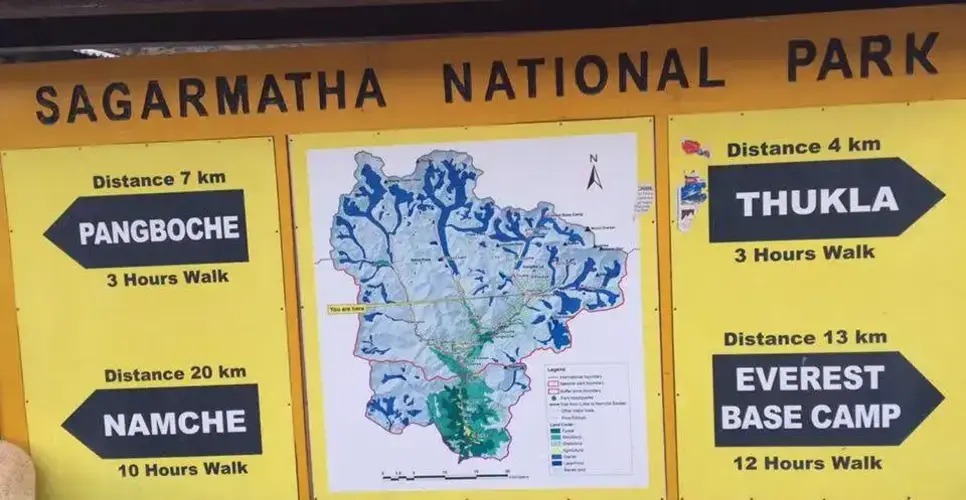
Sagarmatha National Park, located in the majestic Himalayas of eastern Nepal, was established in 1976 and covers an impressive 1,148 square kilometers in the Solukhumbu District. The park stretches from lush valleys at 2,845 meters to the summit of Mount Everest at 8,848 meters, making it home to the world's highest point. To the north, it borders Tibet's Qomolangma National Nature Preserve, while to the east, it connects with Makalu Barun National Park. Its southern boundary reaches the Dudh Kosi River, and it's all part of the culturally and ecologically rich Sacred Himalayan Landscape.
A quick overview of its significance and location in Nepal
It lies in the Solukhumbu district of northeastern Nepal. The park covers 1,148 sq. km and features dramatic mountain scenery. It lies at the foot of Mount Everest, the most famous mountain among trekkers worldwide. The park is very important to the wildlife of Mount Everest and to the Sherpa people, as Sherpa local communities live within or around it and maintain their unique culture and traditions. Thus, the location becomes a stunning natural wonder and a cultural one.
Discover the Everest Region Treks Packages that Journey through Sagarmatha National Park and witness the majesty of the Mount Everest.
The Wonders of Sagarmatha National Park
- Home to Mount Everest: It is home to the world's highest peak; trekkers and climbers from all over the world are drawn here.
- Rich Biodiversity: The park provides habitat for rare national park animals, including the snow leopard, red panda, and Himalayan tahr, underscoring its importance as a wildlife sanctuary.
- Cultural Significance: The park has close ties to the Sherpa people, a culture with rich, longstanding traditions in the area.
- Exceptional Landscape: It contains dramatic landscapes of towering peaks, glaciers, deep valleys, and alpine meadows, manifesting the beauty of the Himalayas.
- Global Ecological Importance: The park is crucial for maintaining the fragile Himalayan ecosystem and serves as a haven for many endangered species.
- Unique Trekking Routes: Nepal is celebrated for its famous trekking routes, including the Everest Base Camp Trek, which is very popular among adventurers and nature lovers worldwide.
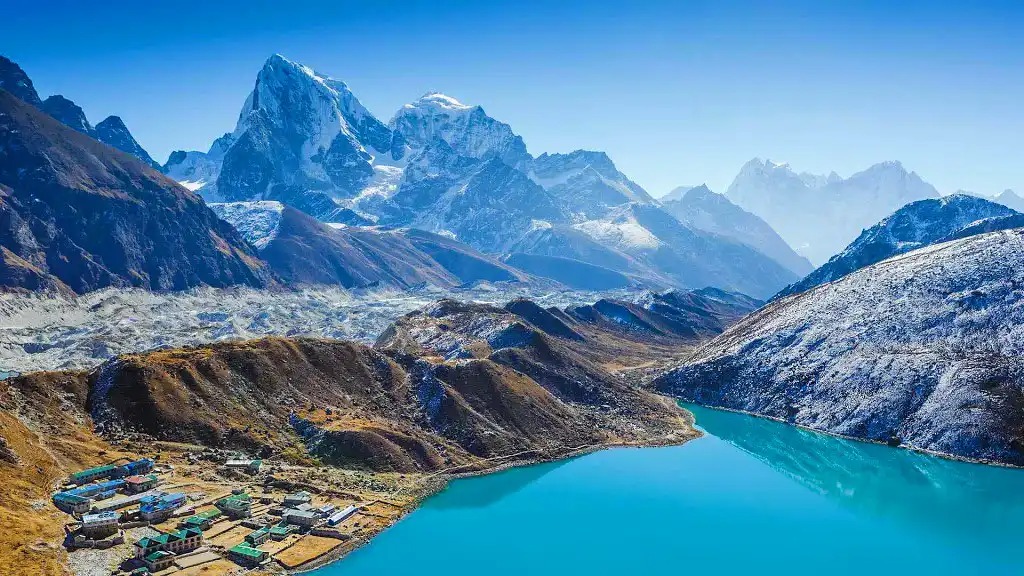
- Gokyo Lakes: These lakes are among the park's few secrets. Serene beauty, crystal-clear waters, and towering mountains combine here. It is a good spot for trekkers seeking peace and scenic views.
- Tengboche Monastery: The park's major cultural and spiritual landmark. It is set in a scenic area at an altitude, embraced by towering peaks, offering spiritual reflection and beautiful views.
What Makes Sagarmatha National Park So Famous?
Sagarmatha National Park is world-famous for being home to Mount Everest and a beautiful collection of towering Himalayan peaks, sacred lakes, and dramatic high-altitude landscapes. Its unique mix of natural beauty, ecological diversity, and cultural richness draws nature lovers and spiritual seekers from around the globe.
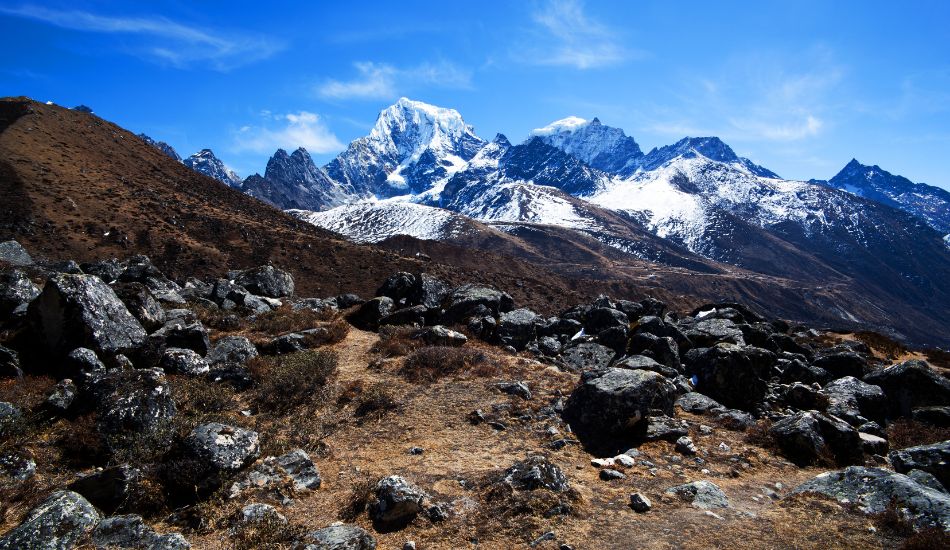
- Mount Everest & Other Iconic Peaks: Mount Everest (8,848 m), Asia's highest peak and the world's highest point, as well as other world-famous peaks such as Lhotse, Cho Oyu, Nuptse, Ama Dablam, Thamserku, and Pumori, all above 6,000 meters, are visible during this trek.
- Diverse Elevation & Terrain: Elevation ranges from 2,845 meters at Monjo to the summit of Everest, offering a wide variety of scenery, from forested valleys to glacial wastelands.
Nearly 69% of the land above 5,000 meters is barren, while 28% is grazing ground and just 3% is forested. - Gokyo Lakes & River Catchments: The park protects the upper watershed of the Dudh Kosi and Bhotekoshi rivers and features the beautiful Gokyo Lakes, a sacred and scenic highlight.
- Climatic Zones & Ecosystem Diversity: It spans several climatic zones:
- Temperate and subalpine above 3,000 m
- Alpine zone above 4,000 m (limit of vegetation)
- Nival zone above 5,000 m (mostly ice and snow)
- UNESCO World Heritage Site: Recognized since 1979, it's not only a natural marvel but also a globally important conservation area.
Cultural and Ecological Importance of the Park
It is a natural wonder and plays a significant role in preserving the region's culture and biodiversity. The park is woven into the lives of the locals, as it is the center of various conservation initiatives that help preserve its beauty and resources for future generations.
The Sherpa People: Guardians of the Mountains
The Sherpas play an important role in the fate of the national park. Stronger and closer to the spirit of the mountains, they guide and help trekkers and climbers through the routes. As age-old inhabitant of this region, they serve as guides and porters for trekkers and climbers. Their unique culture and traditions are integral to shaping the park's identity, which is why they are considered guardians of this sacred land.
Conservation Efforts: Protecting Sagarmatha's Beauty
- Protection of the endangered species of snow leopards and red pandas
- Tourism is highly controlled to reduce environmental impacts.
- Conservation of forests and habitats
- Waste management programs
- Co-operation with local Sherpa communities
- Ongoing research and monitoring of biodiversity
The Role of Local Communities in Ecotourism
- Manage sustainable tourism
- Promote eco-friendly practices
- Homestays and guesthouses
- Raise an income through ecotourism
- Educate the visitors on conservation
- Balancing Tourism with Nature Protection
- Support local enterprises and crafts
- Conserving Cultural Heritage Tourism
Flora and Fauna: Sagarmatha's Nature at its Wildest
Sagarmatha National Park isn't just about mountains. It is alive with an incredible variety of plants and animals adapted to life at the top of the world. From dense rhododendron and pine forests to rare Himalayan wildlife such as snow leopards and red pandas, the park is a living showcase of nature's raw beauty and resilience. The higher you go, the wilder it gets. Where colorful birds soar above icy cliffs and hardy alpine plants cling to the cold, windswept slopes.
Flora
The subalpine forests of Sagarmatha National Park are rich with towering fir trees, Himalayan birch, and vibrant rhododendrons. As you climb higher, between 4,000 and 5,000 meters, hardy shrubs like juniper and more rhododendron take over the rocky slopes. Above 5,000 meters, where the air is thin and cold, only mosses and lichens survive. Altogether, the park is home to over 1,000 plant species, proving that even in one of the harshest environments on Earth, life still thrives.
Fauna
Sagarmatha National Park is a bird lover's paradise, with over 200 species soaring through its skies, including colorful Impeyan pheasants, bearded vultures, snowcocks, and alpine choughs. It's recognized as an Important Bird Area, which highlights its global value for bird conservation. On land, you might spot Himalayan tahrs, serows, or the elusive musk deer. At the same time, big cats like the snow leopard silently roam the higher altitudes above 3,500 meters, and Indian leopards prowl the lower forested zones.
The Sherpa People
Sagarmatha National Park is home to the warm and resilient Sherpa people who have lived here for generations. Around 6,000 Sherpas call this place home. They are living in charming villages tucked into the valleys and hills.
Namche Bazaar is the lively heart of the region, where trekkers pause to rest, shop, and soak in the local vibe. Then there are quieter spots like Khumjung, Tengboche, and Pangboche, where life moves a little slower, and the ancient monasteries and prayer flags remind you of the deep spiritual roots here.
Wondering on what to do at namche Bazaar, Visit blog “Things to do in Namche Bazaar“.
One of the most special places is the Tengboche Monastery, which sits like a peaceful guardian over the valley. Every fall, it bursts into life during the Mani Rimdu Festival. It is a joyful celebration filled with colorful dances, chanting monks, and a real sense of community. You will experience the Sherpa's faith and traditions. The Sherpa people's close connection to their land and culture is felt everywhere you go in the park, making Sagarmatha much more than just a trek; it's a journey into a living, breathing culture.
Best Time to Visit Sagarmatha National Park
Choosing the best time can make or break your Sagarmatha trekking experience. The best time to visit is Spring and autumn.
Trekking Seasons: When to Go for the Best Experience
Autumn (September to November):
Autumn is the best time to trek in Sagarmatha National Park. This season, the weather is stable, the mountain air is crisp, and the views are beautiful. In autumn, the skies are clear, making the mountains look even more majestic. It's also festival season in Nepal. You will see and enjoy Nepal's culture.
Spring (March to May):
This season, you will see blooming rhododendrons, a forest painted in shades of red, pink, and white. You will experience the clear skies and beautiful views of Everest and the surrounding peaks. Temperatures are bearable. It is neither too hot nor freezing.
Winter (December to February):
This could be a quiet time for trekkers, as only some people like to trek during this period. However, it is very cold, often freezing; the higher it gets, the colder it is. Also, falling snow can block some trails, making trekking more difficult. On the other hand, this could result in unique and pictorial landscapes.
Summer/Monsoon (June to August):
June to August is less preferred as the ideal time to visit Sagarmatha National Park. During the monsoon season, heavy rain can make trails slippery and difficult to walk on; rainstorms may be unpredictable. Yes, the lush greenery after heavy rain looks nice, but poor visibility from fog and clouds can obscure the beauty of the mountain scenery; moreover, the risk of a landslide increases, disrupting trekking plans.
Weather Insights: What to Expect on Your Adventure
- Autumn Weather: The Autumn season ushers in temperatures ranging from 10°C during the day to -10°C at night, especially at higher altitudes. Most of the time, the weather is clear, with blue skies and no chance of rain—hence it is considered one of the best seasons for a comfortable trek. It remains warm and sunny during the day, but gets chilly in the evenings, especially as you go higher.
- Spring Weather: Temperatures range from 10°C to 15°C during the day, making trekkers more comfortable. Sometimes it may dip as low as -5°C at night, or even -10°C in higher-altitude areas. Reasonable weather, with some rain showers, can be expected, although cloud cover in this season is considerable for trekking.
- Winter Weather: Above 4,000 meters, temperatures fall below -10°C. Hence, for trekking, winter is quite difficult. The cold is piercing, with the white sheet of snow covering everything and preparing for snowstorms. Winter trekking should have all the necessary gear to protect from extreme cold.
- Monsoon Weather: Heavy rainfall characterizes the monsoon season, making trekking difficult at lower altitudes and leaving lots of mud on the way. Generally, temperatures range from 10°C to 20°C, but heavy rain and fog make the trails slippery and less appealing. Visibility is generally poor, and the risk of a landslide is high, which could affect your trek.
Permits Required for Sagarmatha National Park
Before you plan your trek, you must obtain two permits to enter Sagarmatha National Park. They are both essential for your safety and for preserving this region.
Sagarmatha National Park Entry Permit
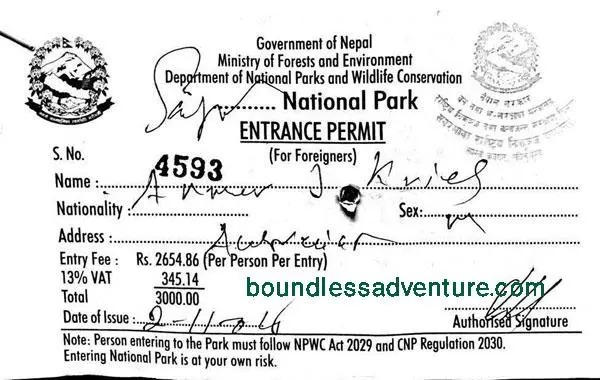
This permit is the official pass to enter the park's protected area. It supports the conservation programs. It supports local communities that live within the park's borders. You can get it in Kathmandu or at the park entry point in Monjo.
TIMS Card (Trekkers' Information Management System)
This card helps authorities keep track of trekkers for safety. In case of emergencies (such as altitude sickness or natural disasters), your TIMS info can be used to assist you or locate you. You can apply for it through a registered trekking agency or at the Tourism Board office in Kathmandu.
Conservation & Environmental Challenges
Tourism has brought both blessings and burdens. On the positive side, it has helped fund conservation. On the negative side, growing visitor numbers mean more waste. Trail erosion and helicopter noise pollution. There's also a real concern about climate change. Melting glaciers and potential glacial lake outburst floods (GLOFs) are becoming more common.
Luckily, the park and local communities are fighting back:
- Buffer zone added in 2002
- 50% of entry fees go directly to local conservation efforts.
- Sherpa villages lead by example in protecting forests and wildlife.
Most Popular Treks in Sagarmatha National Park
Everest Base Camp Trek (EBC)
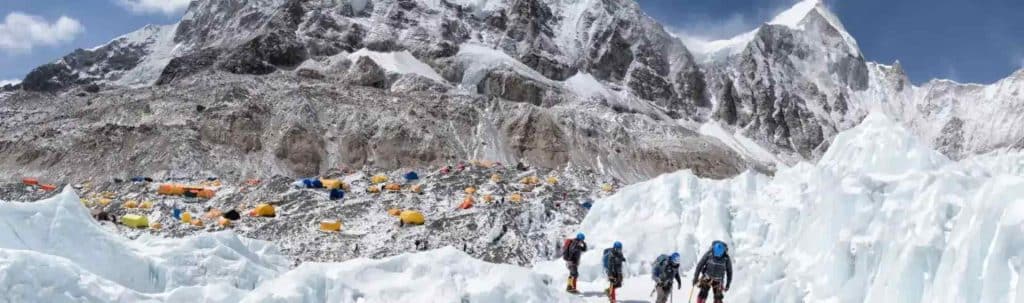
The EBC Trek is truly the classic Himalayan adventure and probably the most famous trek in the world. Over about two weeks, you'll journey through charming Sherpa villages, cross suspension bridges swaying over rushing rivers, and climb steadily higher with Everest's massive peak always looming in the distance. Along the way, you will visit Buddhist monasteries, meet friendly locals, and feel the thrill of standing at the foot of the tallest mountain on Earth.
Gokyo Lakes Trek
If you're looking for something a bit quieter and more serene, the Gokyo Lakes Trek is a beautiful option. You will be trekking to a series of stunning turquoise glacial lakes nestled high in the mountains. You will experience some of the most beautiful views in the region. You will experience peace and less crowding. You will soak in the landscape and wildlife without the usual hustle. Plus, you get to climb Gokyo Ri for beautiful views of Everest, Lhotse, and Makalu, a moment that feels like you're on top of the world.
Three Passes Trek
The Three Passes Trek is the ultimate challenge in Sagarmatha National Park. You will trek through three high mountain passes. You will experience beautiful views, pristine landscapes, and a real sense of accomplishment. Along the way, you will experience remote Sherpa villages, ancient monasteries, and the raw, untouched beauty of the high Himalayas. This is a trek that pushes limits but rewards the soul.
What to Expect on the Trails?
You will cross those famous suspension bridges that gently sway as you walk over deep, beautiful gorges. Don't worry, they're safer than they look.
- You'll follow winding mountain paths that twist and turn through rugged terrain, each step revealing something new.
- You will hear the powerful roar of rivers rushing below, adding to the natural soundtrack of your adventure.
- Along the way, you will spot sparkling streams and walk through dense forests filled with pine and rhododendron. You may even get a snicker of fresh air in the mountains.
- Every time you round a bend, you will see beautiful views of snow-capped peaks stretching as far as your eyes can see.
- You will feel the crisp mountain breeze, hear the birds, and soak in sights.
How to Reach Sagarmatha National Park: Flights, Treks, and Permits
- Flights to Lukla: The easiest and most frequent route to the national park is from Kathmandu to Lukla. Due to its short runway and dramatic location, Lukla's Tenzing-Hillary Airport is one of the most adventurous airports in the world.
- Trekking to the Park: The trek takes two or three days through gorges, with stunning scenery, dense forests, and Sherpa villages.
- Permits and Regulations: You need a TIMS card and an entry permit to enter the park. These are available in Kathmandu or Lukla, but it pays to have all the paperwork in order before heading into the park.
Recommendation Read: How To Train for the Everest Base Camp Trek
Packing Essentials for the High Altitude Journey
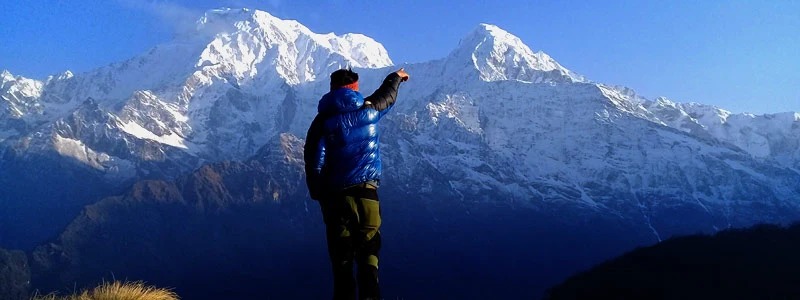
- Layered clothing (down jacket, fleece, windproof outerwear)
- Thermal underwear
- Gloves and a warm hat
- Sturdy, waterproof trekking boots
- Extra socks
- First aid kit
- Altitude sickness medication
- Water purification tablets
- Personal hygiene items
- High-quality sunscreen and lip balm
- Comfortable daypack
- High-altitude sleeping bag
- Water bottles or hydration system
- Energy snacks (nuts, bars, etc.)
- Flashlight and extra batteries
- Camera and extra batteries
- Trekking poles (optional)
Read our blog, Nepal Trekking Equipment for more details.
Health Precautions and Travel Tips
- Rest well on your trek, taking time to acclimatize your body to the increasing altitude. This will reduce the risk of altitude sickness.
- Drink lots of water to keep your body hydrated. The dry mountain air can make dehydration easy, so it is important to maintain a high fluid intake.
- At higher altitudes, altitude sickness medication like Diamox can be carried to help prevent nausea, headache, or dizziness.
- Ensure your travel insurance covers emergency evacuation and trekking activities, especially in high-altitude areas.
- A local guide is valuable for negotiating the trails, understanding the culture, and staying safe in rugged terrain.
- Be aware of altitude sickness, which could cause headaches or vertigo. In such a case, one must immediately descend to a much lower altitude.
- Pack nuts, energy bars like granola bars, and chocolate, which are easy to carry and packed with the energy you might need on this trek.
- Always check the weather conditions before commencing your trek, as mountain weather can be abrupt and affect your safety.
- Respect for local customs and culture, particularly in Sherpa villages, sacred places, and local religious customs, is important.
- The sun may be strong at high altitudes, so sunscreen and lip balm with SPF will help protect you from damaging UV rays.
- Whistle, a fully charged cell phone with a local SIM card, and emergency contact details in case of any unforeseen situation.
Final Thoughts
Sagarmatha National Park is truly an unforgettable adventure- a combination of breathtaking natural beauty, rich cultural heritage, and the adventure of a lifetime exploring the highest peaks of the world. This park offers an incomparable opportunity for trekkers and nature lovers alike to visit the grandest mountain, Mount Everest, and experience the dynamic Sherpa culture.
It is a beautiful land with the allure of trekking at high altitudes, an enchanting reason to trek in the Himalayas. One also gets the chance to be with the local communities. With proper planning, respect for nature, and an element of adventure, a trip guided by Boundless Adventure can be a once-in-a-lifetime experience.
FAQs
In which district is Sagarmatha National Park located?
It is situated in the Solukhumbu district in northeastern Nepal. It is an entrance to Mt. Everest and other peaks within the Himalayas, and its location attracts trekkers and climbers.
When was Sagarmatha National Park established?
It was legally established in 1976 to conserve its unique natural and cultural features. In 1979, UNESCO designated it a World Heritage Site for its international importance for biodiversity and cultural value.
What is the area of Sagarmatha National Park?
It covers 1,148 square kilometers, a vast area with diverse topography ranging from dense forests to treeless snow peaks. This large area supports numerous ecosystem types and plant and animal species.
Write five facts about Sagarmatha National Park.
- The park shelters Mount Everest, the highest mountain on Earth, which trekkers come to see.
- This park is home to several wild species, including snow leopards, red pandas, and Himalayan tahr.
- In 1979, Sagarmatha National Park was designated a World Heritage Site by UNESCO.
- The Sherpa people, who have close ties to the park, play a pivotal role as guides for trekkers.
- The Everest Base Camp Trek, one of the renowned treks, passes through this national park.
What is the significance of Sagarmatha National Park?
This park is a natural wonder and a cultural treasure, above all for the Sherpa people. It protects biodiversity while allowing ecotourism practices that benefit both wildlife and locals. The sacred mountains and unique culture make it an integral part of Nepal's heritage.
Is Mount Everest inside Sagarmatha National Park
Yes, Mount Everest, known locally as Sagarmatha, is right at the heart of the national park. The park was actually established to protect this iconic region and its surrounding landscapes. So when you're trekking to Everest Base Camp, you're walking right through it!
Do I need a guide to trek in Sagarmatha National Park?
Technically, one can hike without a guide, but it really makes a huge difference to have a guide. The local guide will assist with navigation, provide cultural insights, and offer added security, particularly at high altitudes. Also, it is a wonderful choice to help out the local Sherpa community.
What animals can I see in Sagarmatha National Park?
You might spot rare Himalayan wildlife like the snow leopard, red panda, or Himalayan tahr if you're lucky. The park is also home to colorful birds like the Danphe (Nepal's national bird) and the bearded vulture. While sightings aren't guaranteed, the biodiversity here is wild and wonderful.
What permits do I need to enter Sagarmatha National Park?
You'll need two permits: the Sagarmatha National Park Entry Permit and a TIMS card (Trekkers' Information Management System). Both are easy to get through a trekking agency or in Kathmandu. Just don't leave it to the last minute; it's better to have everything sorted before heading to Lukla.
What's the best time to visit Sagarmatha National Park?
The most enjoyable seasons for clear skies and phenomenal mountain views are Spring (March to May) and autumn (September to November). These are the months with stable weather, comfortable temperatures, and less trail activity. To have the ideal combination of landscape and security, plan your trips around these windows.
Can I stay inside the national park?
Absolutely, you'll find lots of cozy teahouses and guesthouses scattered across the trails. Villages like Namche Bazaar, Tengboche, and Dingboche all have places to sleep, eat, and warm up by the fire. It's a big part of what makes trekking here in the Himalayas feel like home.
Are there ATMs in Sagarmatha National Park?
There are a few ATMs in Namche Bazaar, but they're not always reliable. It's best to withdraw enough cash in Kathmandu before starting your trek. Once you're deep in the mountains, it's cash-only all the way.
Is Sagarmatha National Park suitable for beginners?
Yes, many first-time trekkers visit Sagarmatha National Park, especially on the Everest Base Camp route. That said, the altitude can be challenging, so a bit of preparation and pacing yourself is key. With proper guidance and acclimatization, it's totally doable, even if you've never trekked before.